 Ver en contexto
 Enviar
 Compartir
 Detalles

 Descargar
 Similares
 Radiografía
 Presentación de diapositivas
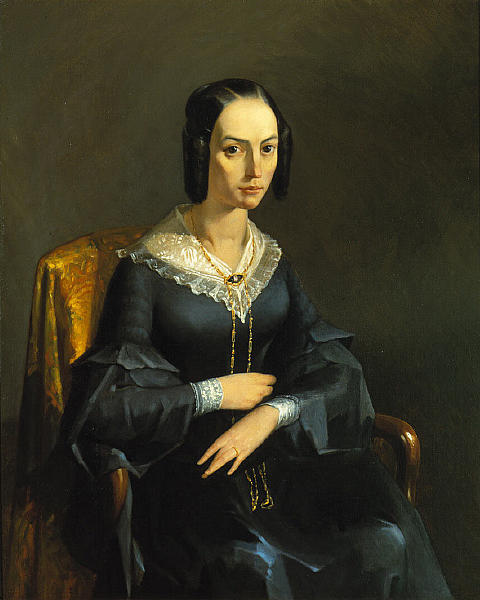
The Comtesse of Valmont
 Oil On Canvas
- WallArt
- Barbizon School Realism
 1841
1841 101.0 x 81.0 cm
 Ver más
Reproducción al óleo hecha a mano
Óleo sobre lienzo pintado a mano en el tamaño y marco de su elección, realizado por encargo por nuestros artistas. ( Comprar impresión Comprar imagen)




P118B $10

P118H $10

P118W $10

P438Z $10

P508JH $12

P508YH $12

P805H $10

P805Z $10

P919BZ $10

P919G $10

P919XJ $10

P959ZH $10

P968JZ $12

W106C $8

W218G $10

W218JH $8

W218Y $10

W307PJ $10

W316G $10

W316PJ $8

W316Y $10

W398PJ $8

W4111J $10

W500HY $15

W500JH $15

W692G $12

W849H $8

W940BG $15

W953PJ $8




Elija entre nuestros tamaños predefinidos que respetan las proporciones originales de la obra.

Puede ingresar sus propias dimensiones para adaptarse a un marco o espacio específico. Si el tamaño seleccionado no coincide con las proporciones de la imagen original, recortaremos la obra o extenderemos la pintura con elementos adicionales pintados a mano. Se le enviará una maqueta digital para su aprobación antes de comenzar la producción.
Tenga en cuenta que la vista previa en pantalla no refleja el recorte o la extensión reales. Solo la maqueta mostrará con precisión la composición final.
Si bien existen tamaños personalizados, recomendamos seleccionar una dimensión de la lista predefinida para preservar las proporciones originales.
Tras realizar el pedido, el equipo de ArtsDot.com enviará un correo electrónico al cliente para solicitar instrucciones y proporcionarle una vista previa del boceto.
Envío a todo el mundo () en 3-4 semanas en lugar de las 5 semanas estándar. (25 agosto). Sin comprometer la calidad.

Envío exprés gratuito a todo el mundo

Lienzo de lino de alta calidad

Seguro de envío total

Garantía de reembolso de impuestos aduaneros

Garantía de fidelidad cromática exacta

Política de devolución de 60 días (solo por defectos)

Garantía de devolución del 100% del dinero

Descuento por cantidad
 La opción de vidrio solo está disponible en tamaños inferiores a 110 cm.

The Comtesse of Valmont
Técnica de reproducción
Dimensiones de la reproducción
-


Precio total final
$ 263
Descripción de la obra
A Glimpse into the Life of a Noblewoman – Jean-François Millet’s “The Comtesse of Valmont”
Jean-François Millet's "The Comtesse de Valmont," painted in 1841, is more than just a portrait; it’s a carefully constructed tableau that invites contemplation on the social dynamics and subtle power dynamics of mid-19th century France. Measuring a modest 101 x 81 cm, this oil on canvas work reveals Millet's signature Realist style – an unwavering commitment to depicting everyday life with remarkable accuracy and emotional depth. The painting immediately draws the eye to its subject: a woman seated in a chair, her gaze direct and engaging, seemingly observing the viewer as much as she is observed. Her posture exudes a quiet dignity, a subtle strength that belies the traditional expectations of female representation at the time.
The Realist Vision – Millet’s Connection to the Land
Born in Gruchy, Normandy, in 1814, Millet's artistic journey was inextricably linked to his rural upbringing. His family were farmers, and he spent his childhood immersed in the rhythms of agricultural life—the planting, harvesting, and the daily struggles of those who worked the land. This intimate connection profoundly shaped his artistic vision. Unlike many artists of the era focused on grand historical or mythological themes, Millet chose to depict the lives of ordinary people – peasants, laborers, and women – with a respect and empathy rarely seen in academic art. “The Comtesse de Valmont” exemplifies this approach; there’s no elaborate background, no theatrical gesture, only a simple chair, a woman, and an unadorned setting that speaks volumes about her status and the world she inhabits.
- Technique: Millet masterfully employs a muted palette of blues, browns, and golds. The rich blue of her dress contrasts subtly with the warm tones of the chair and the surrounding space, drawing attention to her figure without overwhelming it.
- Composition: The composition is deliberately restrained, emphasizing the woman’s presence within the frame. Her placement in the center, coupled with her direct gaze, creates a sense of intimacy and invites the viewer into her world.
- Brushwork: Millet's brushstrokes are visible, contributing to the painting’s textured surface and conveying a sense of immediacy and authenticity. This is characteristic of the Barbizon School, where artists sought to capture the essence of nature directly on canvas.
Symbolism and Social Context – A Portrait of Quiet Authority
While seemingly straightforward, “The Comtesse de Valmont” is rich in symbolic meaning. The gold necklace she wears signifies her wealth and social standing, a subtle reminder of the privileges afforded to women of her class. Her seated posture and direct gaze suggest an air of authority – not overt dominance, but a quiet confidence born from her position within society. Considering Millet’s background as a farmer's son, it is interesting to note how he portrays nobility with such understated elegance. The painting can be interpreted as a commentary on the complexities of social hierarchy and the subtle ways in which power operates within a patriarchal society.
Bringing Millet’s Vision Home – High-Quality Reproductions
ArtsDot offers meticulously crafted, hand-painted reproductions of “The Comtesse de Valmont,” capturing the essence of Millet's masterpiece with unparalleled detail and fidelity. Whether you are an art enthusiast, a collector seeking to expand your collection, or an interior designer looking for a striking piece to elevate a space, our reproductions provide a beautiful and authentic representation of this iconic work. Each reproduction is created using archival-quality materials, ensuring that it will retain its beauty and vibrancy for generations to come. Explore the full artwork details and order your custom reproduction today at ArtsDot.
Obras relacionadas



Biografía del artista
vida temprana y educación
jean-françois millet, nacido el 4 de octubre de 1814 en Normandía, Francia, emergió como una figura clave en la escuela de Barbizon y un defensor del movimiento artístico realista. Criado en una comunidad agrícola, la vida temprana de Millet estuvo impregnada de experiencias rurales, lo que influyó profundamente en sus temas artísticos.trayectoria artística
La formación artística formal de Millet comenzó en 1833 bajo la tutela del pintor de retratos Bon du Mouchel en Cherbourg. Posteriormente estudió con Théophile Langlois de Chèvreville, un estudiante del barón Gros. Apoyado por una beca, se trasladó a París en 1837 para asistir a la École des Beaux-Arts y estudió bajo Paul Delaroche. Sin embargo, su viaje no estuvo exento de contratiempos; en 1839, perdió su beca y fue rechazado por el salón.obras notables y movimiento realista
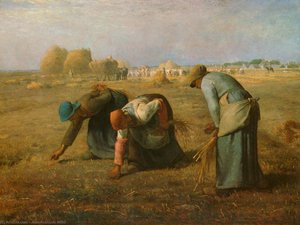
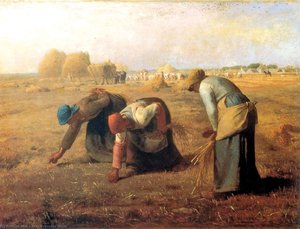
La trayectoria artística de Millet refleja su profunda conexión con sus raíces rurales y su dedicación a retratar la vida de los campesinos con dignidad y realismo. Algunas de sus obras notables incluyen:- Los recogedores (1855), una representación conmovedora de campesinos, que muestra la maestría de Millet en el realismo.
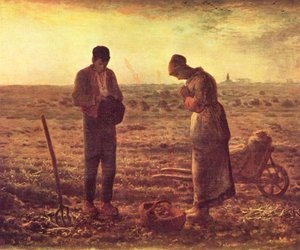
- El ángelus (1850-1861), una serie de pinturas que destacan las luchas diarias de la vida rural.
- El siembrador (1850), una representación icónica de las dificultades que enfrentan los agricultores, ahora ubicada en el Musée d'Orsay en París.
legado e influencia
El legado de Millet como fundador de la escuela de Barbizon lo marca como una figura fundamental en la transición hacia el realismo en el arte. Su influencia se puede ver en las obras de artistas posteriores, incluyendo Correa Benito Rebolledo, quien continuó ampliando los límites del realismo. Explore más sobre las obras de Millet y el movimiento realista en ArtsDot: Jean François Millet el mayor | ArtsDot El nuevo realismo artístico | ArtsDot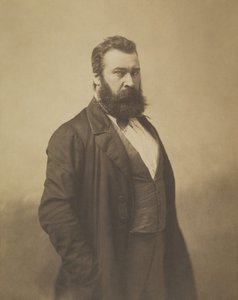
Jean-François Millet
1814 - 1875 , Francia
Datos clave
- Artistas Influenciados: ['Correa Benito Rebolledo']
- Artistas Que Influyeron:
- Bon du Mouchel
- Théophile Langlois
- Paul Delaroche
- Fecha De Muerte: 1875
- Fecha De Nacimiento: 4 de octubre de 1814
- Lugar De Nacimiento: Gruchy, Francia
- Movimiento Artístico: Realismo, Escuela de Barbizon
- Nacionalidad: Francés
- Nombre Completo: Jean-François Millet
- Obras Notables:
- Los segadores
- El ángelus
- El sembrador
Artículos relacionados

Jean-François Millet: Realism, Rural Life & the Poetic Depiction of Labor
Explore the life & work of Jean-François Millet, a founder of Realism. Discover his poignant depictions of rural France, iconic paintings like 'The Angelus,' and lasting influence on art history. Learn more at ArtsDot.

Romantic Realism's Finest: 10 Masterpieces for Your Home | ArtsDot
Explore 10 defining masterpieces of Romantic Realism! Discover Courbet, Millet & Daumier's powerful paintings—capturing emotion and social realities. Find museum-quality reproductions for your home at ArtsDot.com.

Realismo en el Arte: 10 Obras Maestras que Cambiaron la Historia |
Descubre 10 obras maestras del Realismo que revolucionaron el arte. Explora la historia de Courbet, Millet y otros pintores realistas. Encuentra reproducciones de alta calidad para decorar tu hogar con

The Poetic Truth of Observation: Exploring 19th-Century Realism in Painting
Explore the captivating world of 19th-century Realism! Discover key artists like Courbet & Millet, masterpieces, and the powerful social commentary behind this influential art movement. Expert insights at ArtsDot.

The Enduring Appeal of Realism: Technique, History & Emotional Resonance in Representational Art
Explore the captivating world of Realism! Discover key artists like Courbet & Millet, masterpieces, and the social commentary behind this influential art movement. Expert insights for collectors & enthusiasts.