 Ver en contexto
 Enviar
 Compartir
 Detalles

 Descargar
 Similares
 Radiografía
 Presentación de diapositivas
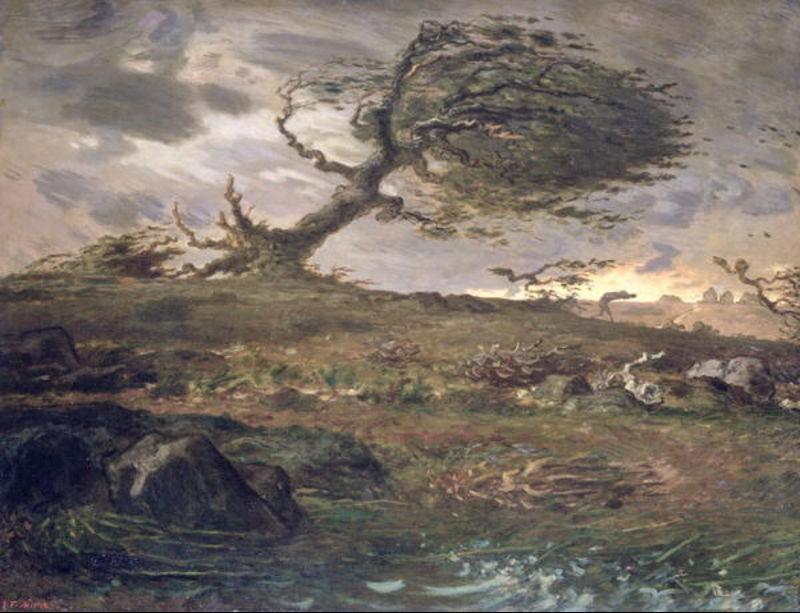
The Gust of Wind


 Ver más
Reproducción al óleo hecha a mano
Óleo sobre lienzo pintado a mano en el tamaño y marco de su elección, realizado por encargo por nuestros artistas. ( Comprar impresión Comprar imagen)




P118B $10

P118H $10

P118W $10

P438Z $10

P508JH $12

P508YH $12

P805H $10

P805Z $10

P919BZ $10

P919G $10

P919XJ $10

P959ZH $10

P968JZ $12

W106C $8

W218G $10

W218JH $8

W218Y $10

W307PJ $10

W316G $10

W316PJ $8

W316Y $10

W398PJ $8

W4111J $10

W500HY $15

W500JH $15

W692G $12

W849H $8

W940BG $15

W953PJ $8




Elija entre nuestros tamaños predefinidos que respetan las proporciones originales de la obra.

Puede ingresar sus propias dimensiones para adaptarse a un marco o espacio específico. Si el tamaño seleccionado no coincide con las proporciones de la imagen original, recortaremos la obra o extenderemos la pintura con elementos adicionales pintados a mano. Se le enviará una maqueta digital para su aprobación antes de comenzar la producción.
Tenga en cuenta que la vista previa en pantalla no refleja el recorte o la extensión reales. Solo la maqueta mostrará con precisión la composición final.
Si bien existen tamaños personalizados, recomendamos seleccionar una dimensión de la lista predefinida para preservar las proporciones originales.
Tras realizar el pedido, el equipo de ArtsDot.com enviará un correo electrónico al cliente para solicitar instrucciones y proporcionarle una vista previa del boceto.
Envío a todo el mundo () en 3-4 semanas en lugar de las 5 semanas estándar. (31 agosto). Sin comprometer la calidad.

Envío exprés gratuito a todo el mundo

Lienzo de lino de alta calidad

Seguro de envío total

Garantía de reembolso de impuestos aduaneros

Garantía de fidelidad cromática exacta

Política de devolución de 60 días (solo por defectos)

Garantía de devolución del 100% del dinero

Descuento por cantidad
 La opción de vidrio solo está disponible en tamaños inferiores a 110 cm.

The Gust of Wind
Técnica de reproducción
Dimensiones de la reproducción
-


Precio total final
$ 263
The Raw Power of Nature Unbound
In the evocative landscape of Jean-François Millet, there exists a profound dialogue between the earth and the elements, a conversation most violently and beautifully articulated in "The Gust of Wind." While many recognize Millet for his quiet, somber depictions of peasant life, this particular work captures a moment of pure, unbridently kinetic energy. The scene unfolds during a tempestuous day in the countryside, where the atmosphere is thick with the scent of damp earth and the looming threat of a storm. A massive, ancient tree serves as the focal point, its heavy limbs bowing precariously under the invisible weight of a powerful gale. This is not merely a landscape; it is a visceral experience of nature’s overwhelming strength, rendered with a realism that makes the viewer feel the sudden drop in temperature and the whistling of the wind through the leaves.
The composition is masterfully orchestrated to convey a sense of beautiful chaos. Scattered throughout the windswept terrain, various animals—a horse, cows, and sheep—are caught in the midst of the atmospheric upheaval. Some graze with a stoic resilience, while others appear braced against the elements, adding a layer of living tension to the scene. The presence of birds darting through the turbulent air further enhances the sense of movement, creating a dynamic rhythm that guides the eye across the canvas. For the discerning collector or interior designer, this painting offers a dramatic focal point, bringing an element of organic drama and untamed majesty to any sophisticated space.
A Masterclass in Barbizon Realism
Technically, "The Gust of Wind" showcases Millet’s mastery of the plein air approach, a hallmark of the Barbizon school. By working directly from nature, Millet was able to capture the subtle, fleeting nuances of light and texture that define a storm. His palette is intentionally subdued, favoring the earthy tones of browns, deep greens, and stormy greys, which lends the work an authentic, grounded quality. There is no theatrical gloss here; instead, we find a gritty, textured reality where every brushstroke contributes to the weight of the atmosphere. The way the light struggles to pierce through the heavy clouds creates a chiaroscuro effect that heightens the emotional stakes of the scene.
Beyond its visual splendor, the painting carries a deep symbolic resonance. In the tradition of Millet’s work, the struggle of the landscape often mirrors the resilience of the human spirit. The bending tree and the bracing animals serve as metaphors for endurance in the face of inevitable hardship. This layer of meaning transforms the artwork from a mere seasonal depiction into a profound meditation on survival and the cyclical nature of life and destruction. Owning a high-quality reproduction of such a piece allows one to invite this sense of strength and enduring grace into their home, serving as a constant reminder of the magnificent, unyielding power that exists within the natural world.
Obras relacionadas

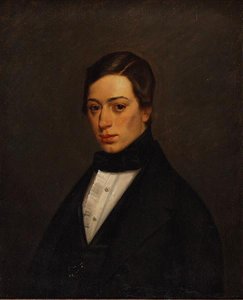
Biografía del artista
vida temprana y educación
jean-françois millet, nacido el 4 de octubre de 1814 en Normandía, Francia, emergió como una figura clave en la escuela de Barbizon y un defensor del movimiento artístico realista. Criado en una comunidad agrícola, la vida temprana de Millet estuvo impregnada de experiencias rurales, lo que influyó profundamente en sus temas artísticos.trayectoria artística
La formación artística formal de Millet comenzó en 1833 bajo la tutela del pintor de retratos Bon du Mouchel en Cherbourg. Posteriormente estudió con Théophile Langlois de Chèvreville, un estudiante del barón Gros. Apoyado por una beca, se trasladó a París en 1837 para asistir a la École des Beaux-Arts y estudió bajo Paul Delaroche. Sin embargo, su viaje no estuvo exento de contratiempos; en 1839, perdió su beca y fue rechazado por el salón.obras notables y movimiento realista
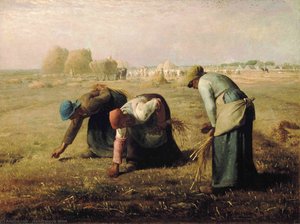
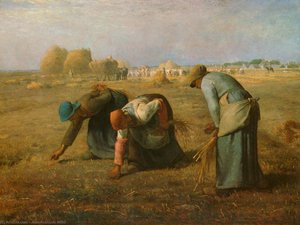
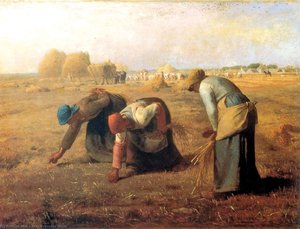
La trayectoria artística de Millet refleja su profunda conexión con sus raíces rurales y su dedicación a retratar la vida de los campesinos con dignidad y realismo. Algunas de sus obras notables incluyen:- Los recogedores (1855), una representación conmovedora de campesinos, que muestra la maestría de Millet en el realismo.
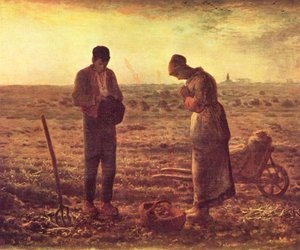
- El ángelus (1850-1861), una serie de pinturas que destacan las luchas diarias de la vida rural.
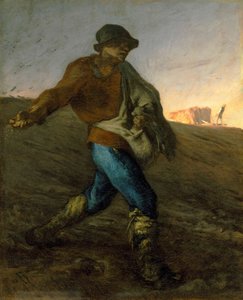
- El siembrador (1850), una representación icónica de las dificultades que enfrentan los agricultores, ahora ubicada en el Musée d'Orsay en París.
legado e influencia
El legado de Millet como fundador de la escuela de Barbizon lo marca como una figura fundamental en la transición hacia el realismo en el arte. Su influencia se puede ver en las obras de artistas posteriores, incluyendo Correa Benito Rebolledo, quien continuó ampliando los límites del realismo. Explore más sobre las obras de Millet y el movimiento realista en ArtsDot: Jean François Millet el mayor | ArtsDot El nuevo realismo artístico | ArtsDot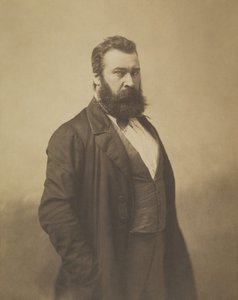
Jean-François Millet
1814 - 1875 , Francia
Datos clave
- Artistas Influenciados: ['Correa Benito Rebolledo']
- Artistas Que Influyeron:
- Bon du Mouchel
- Théophile Langlois
- Paul Delaroche
- Fecha De Muerte: 1875
- Fecha De Nacimiento: 4 de octubre de 1814
- Lugar De Nacimiento: Gruchy, Francia
- Movimiento Artístico: Realismo, Escuela de Barbizon
- Nacionalidad: Francés
- Nombre Completo: Jean-François Millet
- Obras Notables:
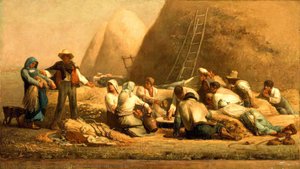
- Los segadores
- El ángelus
- El sembrador
Artículos relacionados

Romantic Realism's Finest: 10 Masterpieces for Your Home | ArtsDot
Explore 10 defining masterpieces of Romantic Realism! Discover Courbet, Millet & Daumier's powerful paintings—capturing emotion and social realities. Find museum-quality reproductions for your home at ArtsDot.com.

John Constable: Las 25 Obras Maestras del Paisaje Inglés | ArtsDot
Descubre las 25 obras maestras de John Constable, el pintor romántico inglés que capturó la belleza del paisaje. Explora su técnica, historia y significado en ArtsDot.com. Reproducciones de arte de alta calidad para tu hogar.
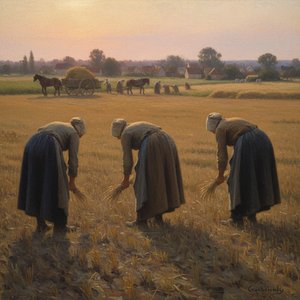
Jean-François Millet: Realism, Rural Life & the Poetic Depiction of Labor
Explore the life & work of Jean-François Millet, a founder of Realism. Discover his poignant depictions of rural France, iconic paintings like 'The Angelus,' and lasting influence on art history. Learn more at ArtsDot.

Cultivating Visions: A Historical Journey Through Rural Landscapes in Art
Explore the rich history of rural landscape painting with ArtsDot. Discover Impressionist masterpieces, key artists & movements. Find your perfect serene artwork and bring nature's beauty home.
Cultivating Visions: Rural Life & Social Commentary in Art History
Explore the rich history of rural life in art! Discover masterpieces from Dutch Masters to Van Gogh & Courbet. Uncover artistic movements, social significance & expert collecting insights at ArtsDot.