 Ver en contexto
 Enviar
 Compartir
 Detalles

 Descargar
 Similares
 Radiografía
 Presentación de diapositivas
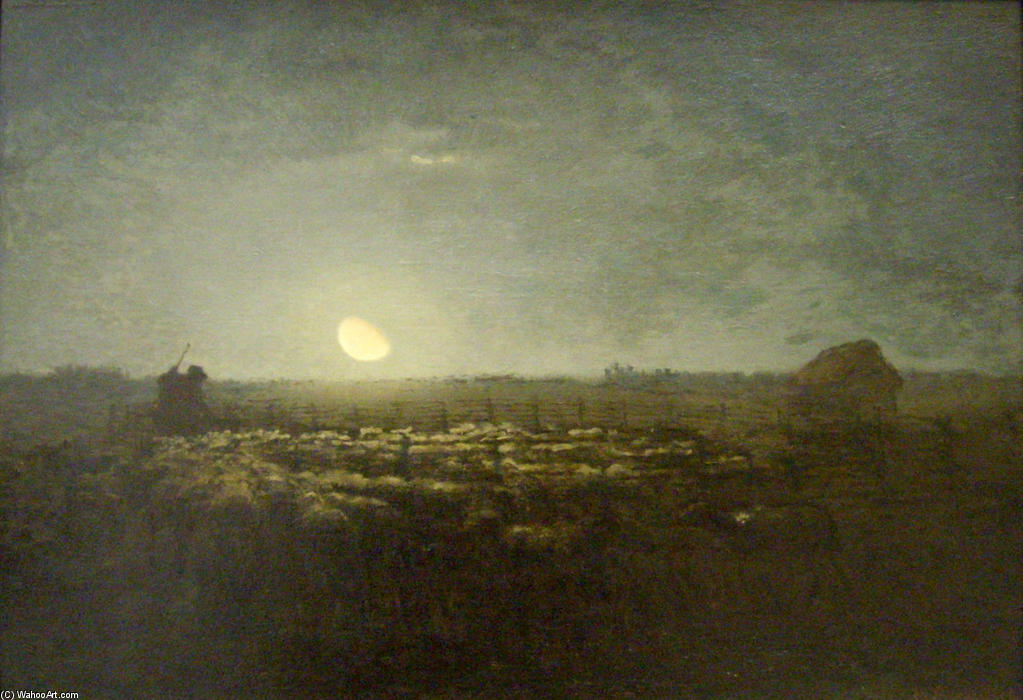
The sheep pen, moonlight
 Acrylic On Canvas
- WallArt
- Barbizon School
 1873
1873- 19th Century
 39.0 x 57.0 cm
 Ver más
Reproducción al óleo hecha a mano
Óleo sobre lienzo pintado a mano en el tamaño y marco de su elección, realizado por encargo por nuestros artistas. ( Comprar impresión Comprar imagen)




P118B $10

P118H $10

P118W $10

P438Z $10

P508JH $12

P508YH $12

P805H $10

P805Z $10

P919BZ $10

P919G $10

P919XJ $10

P959ZH $10

P968JZ $12

W106C $8

W218G $10

W218JH $8

W218Y $10

W307PJ $10

W316G $10

W316PJ $8

W316Y $10

W398PJ $8

W4111J $10

W500HY $15

W500JH $15

W692G $12

W849H $8

W940BG $15

W953PJ $8




Elija entre nuestros tamaños predefinidos que respetan las proporciones originales de la obra.

Puede ingresar sus propias dimensiones para adaptarse a un marco o espacio específico. Si el tamaño seleccionado no coincide con las proporciones de la imagen original, recortaremos la obra o extenderemos la pintura con elementos adicionales pintados a mano. Se le enviará una maqueta digital para su aprobación antes de comenzar la producción.
Tenga en cuenta que la vista previa en pantalla no refleja el recorte o la extensión reales. Solo la maqueta mostrará con precisión la composición final.
Si bien existen tamaños personalizados, recomendamos seleccionar una dimensión de la lista predefinida para preservar las proporciones originales.
Tras realizar el pedido, el equipo de ArtsDot.com enviará un correo electrónico al cliente para solicitar instrucciones y proporcionarle una vista previa del boceto.
Envío a todo el mundo () en 3-4 semanas en lugar de las 5 semanas estándar. (23 agosto). Sin comprometer la calidad.

Envío exprés gratuito a todo el mundo

Lienzo de lino de alta calidad

Seguro de envío total

Garantía de reembolso de impuestos aduaneros

Garantía de fidelidad cromática exacta

Política de devolución de 60 días (solo por defectos)

Garantía de devolución del 100% del dinero

Descuento por cantidad
 La opción de vidrio solo está disponible en tamaños inferiores a 110 cm.

The sheep pen, moonlight
Técnica de reproducción
Dimensiones de la reproducción
-


Precio total final
$ 263
Descripción de la obra
A Rustic Reverie: Unveiling Millet’s “The Sheep Pen, Moonlight”
Jean-François Millet's "The Sheep Pen, Moonlight," painted in 1873, isn’t merely a depiction of a rural scene; it’s a profound meditation on labor, community, and the quiet dignity of peasant life. This oil on panel captures a moonlit night within a sheep pen – a space typically associated with toil and hardship – transforming it into an unexpectedly serene tableau. The painting immediately draws the viewer in with its soft, diffused light, emanating from a luminous crescent moon that casts long shadows across the figures and animals alike. Millet masterfully employs a muted palette of browns, grays, and blues, creating a sense of atmospheric depth and emphasizing the cool stillness of the night.
Millet’s commitment to Realism is evident in every brushstroke. He eschews idealized beauty or romanticized landscapes, instead presenting a raw, unvarnished portrayal of everyday life. The figures – men and women tending to their flock – are rendered with remarkable detail, capturing the weariness of their bodies and the quiet concentration of their tasks. Notice how Millet subtly conveys their humanity; not through grand gestures, but through the posture of their shoulders, the furrow of their brows, and the gentle way they interact with the sheep. The animals themselves are depicted with a naturalistic grace, reflecting the rhythms of rural existence.
The Barbizon School and the Poetics of Labor
“The Sheep Pen, Moonlight” firmly places Millet within the context of the Barbizon School, a movement that challenged the academic conventions of 19th-century art. Rejecting the polished surfaces and historical subjects favored by the Salon, the Barbizon artists sought to capture the essence of nature and the lives of rural laborers directly from observation. Millet’s upbringing in a Norman farming village provided him with an unparalleled understanding of this world – a knowledge he translates onto canvas with remarkable authenticity. He wasn't interested in glorifying labor; rather, he aimed to elevate the dignity of those who performed it, portraying them as worthy subjects for artistic representation.
The painting’s historical context is crucial to its interpretation. France during Millet’s time was undergoing rapid industrialization and urbanization, leading to widespread displacement of rural populations. Millet's work served as a poignant reminder of the enduring connection between people and the land – a connection increasingly threatened by these societal shifts. The scene evokes a sense of nostalgia for a simpler way of life, while simultaneously acknowledging the hardships faced by those who sustained it.
Symbolism in Moonlight and Shadow
The moon itself is a potent symbol within the painting, representing not just illumination but also mystery and introspection. Its soft glow transforms the familiar landscape into something almost dreamlike, inviting contemplation. The shadows cast by the figures and animals create a sense of depth and drama, suggesting both vulnerability and resilience. Consider the placement of the two horses – one near the top right corner, seemingly watchful, and another towards the bottom left, adding to the dynamic composition. These elements subtly reinforce the theme of observation and connection within the rural community.
Furthermore, the sheep pen itself can be interpreted as a microcosm of society—a contained world where individuals work together, relying on one another for survival. The scene’s quietude speaks volumes about the rhythms of rural life, offering a moment of respite from the demands of daily labor. “The Sheep Pen, Moonlight” is more than just a landscape painting; it's a powerful testament to the beauty and dignity found in the everyday lives of ordinary people.
Obras relacionadas
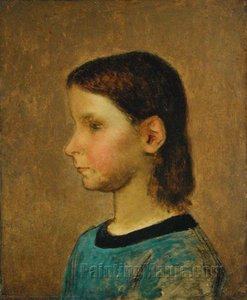
Biografía del artista
vida temprana y educación
jean-françois millet, nacido el 4 de octubre de 1814 en Normandía, Francia, emergió como una figura clave en la escuela de Barbizon y un defensor del movimiento artístico realista. Criado en una comunidad agrícola, la vida temprana de Millet estuvo impregnada de experiencias rurales, lo que influyó profundamente en sus temas artísticos.trayectoria artística
La formación artística formal de Millet comenzó en 1833 bajo la tutela del pintor de retratos Bon du Mouchel en Cherbourg. Posteriormente estudió con Théophile Langlois de Chèvreville, un estudiante del barón Gros. Apoyado por una beca, se trasladó a París en 1837 para asistir a la École des Beaux-Arts y estudió bajo Paul Delaroche. Sin embargo, su viaje no estuvo exento de contratiempos; en 1839, perdió su beca y fue rechazado por el salón.obras notables y movimiento realista
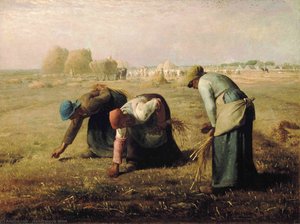
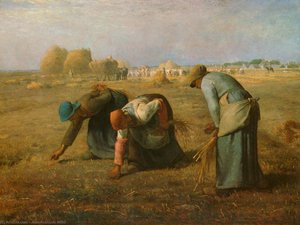
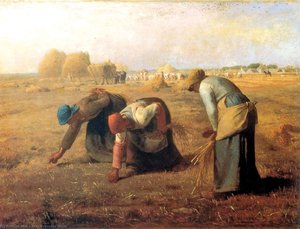
La trayectoria artística de Millet refleja su profunda conexión con sus raíces rurales y su dedicación a retratar la vida de los campesinos con dignidad y realismo. Algunas de sus obras notables incluyen:- Los recogedores (1855), una representación conmovedora de campesinos, que muestra la maestría de Millet en el realismo.
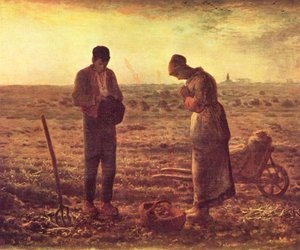
- El ángelus (1850-1861), una serie de pinturas que destacan las luchas diarias de la vida rural.
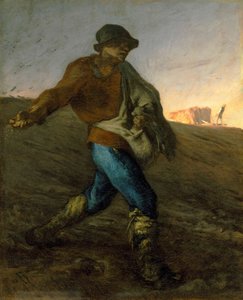
- El siembrador (1850), una representación icónica de las dificultades que enfrentan los agricultores, ahora ubicada en el Musée d'Orsay en París.
legado e influencia
El legado de Millet como fundador de la escuela de Barbizon lo marca como una figura fundamental en la transición hacia el realismo en el arte. Su influencia se puede ver en las obras de artistas posteriores, incluyendo Correa Benito Rebolledo, quien continuó ampliando los límites del realismo. Explore más sobre las obras de Millet y el movimiento realista en ArtsDot: Jean François Millet el mayor | ArtsDot El nuevo realismo artístico | ArtsDot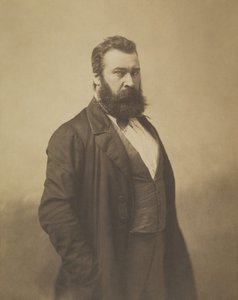
Jean-François Millet
1814 - 1875 , Francia
Datos clave
- Artistas Influenciados: ['Correa Benito Rebolledo']
- Artistas Que Influyeron:
- Bon du Mouchel
- Théophile Langlois
- Paul Delaroche
- Fecha De Muerte: 1875
- Fecha De Nacimiento: 4 de octubre de 1814
- Lugar De Nacimiento: Gruchy, Francia
- Movimiento Artístico: Realismo, Escuela de Barbizon
- Nacionalidad: Francés
- Nombre Completo: Jean-François Millet
- Obras Notables:
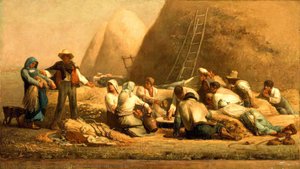
- Los segadores
- El ángelus
- El sembrador
Artículos relacionados
Jean-François Millet: Realism, Rural Life & the Poetic Depiction of Labor
Explore the life & work of Jean-François Millet, a founder of Realism. Discover his poignant depictions of rural France, iconic paintings like 'The Angelus,' and lasting influence on art history. Learn more at ArtsDot.
Romantic Realism's Finest: 10 Masterpieces for Your Home | ArtsDot
Explore 10 defining masterpieces of Romantic Realism! Discover Courbet, Millet & Daumier's powerful paintings—capturing emotion and social realities. Find museum-quality reproductions for your home at ArtsDot.com.

Echoes of Rural Life: Art's Enduring Representations of the Countryside
Explore the rich history of rural life in art! Discover masterpieces from Millet to Mauve & beyond. Learn about Realism, Barbizon School & find inspiration for your home with ArtsDot.
Léon Augustin L'Hermitte: Capturing the Soul of French Rural Life
Discover the captivating realist paintings of Léon Augustin L'Hermitte, masterfully depicting French rural life. Explore his technique, influences & legacy – a cornerstone of 19th-century art.
Echoes of Rural Life: Nostalgia, Labor & Identity in Art History
Explore the rich history of rural life in art! Discover how Realism captured labor & identity through masterpieces by Van Gogh, Millet & more. Expert analysis for collectors and enthusiasts.