 Ver en contexto
 Enviar
 Compartir
 Detalles

 Descargar
 Similares
 Radiografía
 Presentación de diapositivas
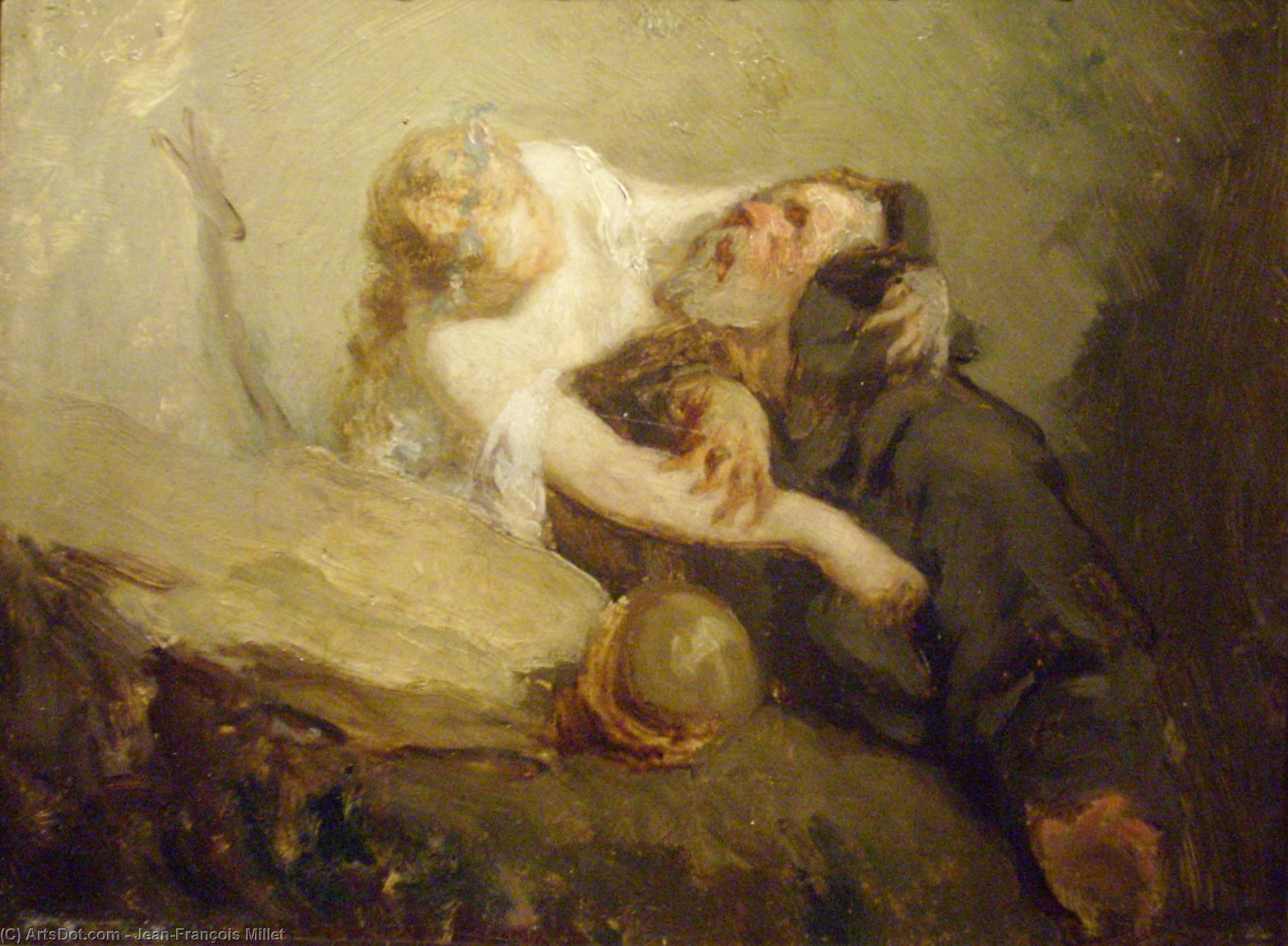
The Temptation of St. Anthony

 Ver más
Reproducción al óleo hecha a mano
Óleo sobre lienzo pintado a mano en el tamaño y marco de su elección, realizado por encargo por nuestros artistas. ( Comprar impresión Comprar imagen)




P118B $10

P118H $10

P118W $10

P438Z $10

P508JH $12

P508YH $12

P805H $10

P805Z $10

P919BZ $10

P919G $10

P919XJ $10

P959ZH $10

P968JZ $12

W106C $8

W218G $10

W218JH $8

W218Y $10

W307PJ $10

W316G $10

W316PJ $8

W316Y $10

W398PJ $8

W4111J $10

W500HY $15

W500JH $15

W692G $12

W849H $8

W940BG $15

W953PJ $8




Elija entre nuestros tamaños predefinidos que respetan las proporciones originales de la obra.

Puede ingresar sus propias dimensiones para adaptarse a un marco o espacio específico. Si el tamaño seleccionado no coincide con las proporciones de la imagen original, recortaremos la obra o extenderemos la pintura con elementos adicionales pintados a mano. Se le enviará una maqueta digital para su aprobación antes de comenzar la producción.
Tenga en cuenta que la vista previa en pantalla no refleja el recorte o la extensión reales. Solo la maqueta mostrará con precisión la composición final.
Si bien existen tamaños personalizados, recomendamos seleccionar una dimensión de la lista predefinida para preservar las proporciones originales.
Tras realizar el pedido, el equipo de ArtsDot.com enviará un correo electrónico al cliente para solicitar instrucciones y proporcionarle una vista previa del boceto.
Envío a todo el mundo () en 3-4 semanas en lugar de las 5 semanas estándar. (27 agosto). Sin comprometer la calidad.

Envío exprés gratuito a todo el mundo

Lienzo de lino de alta calidad

Seguro de envío total

Garantía de reembolso de impuestos aduaneros

Garantía de fidelidad cromática exacta

Política de devolución de 60 días (solo por defectos)

Garantía de devolución del 100% del dinero

Descuento por cantidad
 La opción de vidrio solo está disponible en tamaños inferiores a 110 cm.

The Temptation of St. Anthony
Técnica de reproducción
Dimensiones de la reproducción
-


Precio total final
$ 263
Descripción de la obra
Jean-François Millet’s ‘The Temptation of St. Anthony’: A Chronicle of Spiritual Struggle
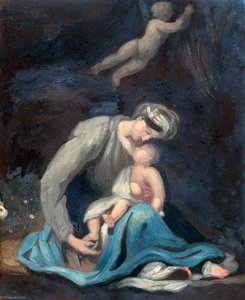
Jean-François Millet's “The Temptation of St. Anthony” is not merely a depiction of a biblical narrative; it’s a profound meditation on human vulnerability and the relentless battle between good and evil. Painted in 1863, this work exemplifies Millet’s commitment to Realism, eschewing idealized beauty for an unflinching portrayal of rural life and its attendant spiritual anxieties. The scene unfolds within a rugged Norman landscape – a deliberate choice by Millet, grounding the fantastical elements of the story in the tangible reality of the French countryside. The composition itself is deliberately unsettling, with figures caught in a moment of intense struggle, their gestures conveying both physical exertion and profound emotional turmoil.
- Subject Matter: The painting directly addresses the biblical episode from the *Life of St. Anthony*, where the saint is lured away from his ascetic life by demons and seductive temptations.
- Compositional Tension: Millet masterfully employs diagonal lines to create a sense of dynamism and instability, mirroring the chaotic nature of the temptation itself. The figures are not arranged in a harmonious manner; rather, they are thrust together, amplifying the feeling of conflict.
A Masterclass in Realist Technique
Millet’s technique is characterized by its meticulous observation and earthy palette. He employed a dry brushstroke method, building up layers of paint to create a textured surface that captures the rough quality of the stone, the weathered wood of the trees, and the palpable tension between the figures. The use of muted browns, ochres, and grays reflects the harsh realities of rural life and contributes to the painting’s somber mood. Notably, Millet's attention to detail – the individual strands of hair, the worn clothing, the subtle expressions on the faces – elevates this scene beyond a simple illustration and transforms it into a powerful psychological study.
- Brushwork: Millet’s signature dry brushstroke technique creates a tactile surface, emphasizing the materiality of the landscape and figures.
- Color Palette: The muted earth tones evoke a sense of austerity and reinforce the painting's themes of struggle and temptation.
Symbolism and Interpretation
The symbolism within “The Temptation of St. Anthony” is layered and open to interpretation. The three figures represent distinct forces at play: Saint Anthony, wrestling with his inner demons; the demon, embodying worldly desires and corrupting influences; and the woman, a potent symbol of temptation – perhaps representing earthly pleasures or even a fallen angel. The two swords are particularly significant, representing both spiritual defense and the potential for self-destruction. The bowl on the ground could symbolize the fleeting nature of material possessions or the emptiness of worldly pursuits. Millet’s deliberate ambiguity invites viewers to contemplate their own struggles with temptation and the enduring human condition.
- Saint Anthony: Represents spiritual resistance and the pursuit of virtue.
- The Demon: Embodies earthly desires, sin, and the corrupting influence of evil.
- The Woman: Symbolizes temptation, allure, and the potential for deviation from a righteous path.
Historical Context and Artistic Significance
“The Temptation of St. Anthony” was created during a period of significant social and artistic change in France. Millet’s work aligned with the burgeoning Realist movement, which sought to depict everyday life and human experiences without idealization or romanticism. This painting reflects Millet's deep connection to rural France and his desire to portray the dignity and struggles of its people. It stands as a testament to his ability to infuse religious narratives with profound psychological depth and social commentary, solidifying his place as one of the most important artists of the 19th century.
Obras relacionadas

Biografía del artista
vida temprana y educación
jean-françois millet, nacido el 4 de octubre de 1814 en Normandía, Francia, emergió como una figura clave en la escuela de Barbizon y un defensor del movimiento artístico realista. Criado en una comunidad agrícola, la vida temprana de Millet estuvo impregnada de experiencias rurales, lo que influyó profundamente en sus temas artísticos.trayectoria artística
La formación artística formal de Millet comenzó en 1833 bajo la tutela del pintor de retratos Bon du Mouchel en Cherbourg. Posteriormente estudió con Théophile Langlois de Chèvreville, un estudiante del barón Gros. Apoyado por una beca, se trasladó a París en 1837 para asistir a la École des Beaux-Arts y estudió bajo Paul Delaroche. Sin embargo, su viaje no estuvo exento de contratiempos; en 1839, perdió su beca y fue rechazado por el salón.obras notables y movimiento realista
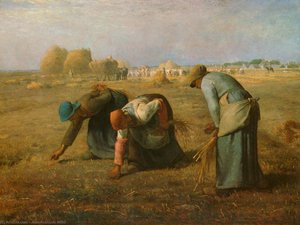
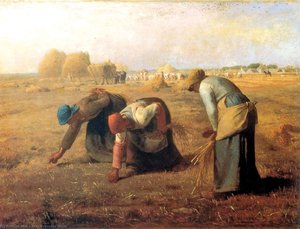
La trayectoria artística de Millet refleja su profunda conexión con sus raíces rurales y su dedicación a retratar la vida de los campesinos con dignidad y realismo. Algunas de sus obras notables incluyen:- Los recogedores (1855), una representación conmovedora de campesinos, que muestra la maestría de Millet en el realismo.
- El ángelus (1850-1861), una serie de pinturas que destacan las luchas diarias de la vida rural.
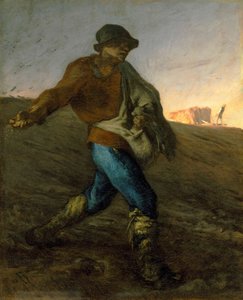
- El siembrador (1850), una representación icónica de las dificultades que enfrentan los agricultores, ahora ubicada en el Musée d'Orsay en París.
legado e influencia
El legado de Millet como fundador de la escuela de Barbizon lo marca como una figura fundamental en la transición hacia el realismo en el arte. Su influencia se puede ver en las obras de artistas posteriores, incluyendo Correa Benito Rebolledo, quien continuó ampliando los límites del realismo. Explore más sobre las obras de Millet y el movimiento realista en ArtsDot: Jean François Millet el mayor | ArtsDot El nuevo realismo artístico | ArtsDot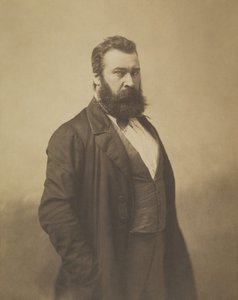
Jean-François Millet
1814 - 1875 , Francia
Datos clave
- Artistas Influenciados: ['Correa Benito Rebolledo']
- Artistas Que Influyeron:
- Bon du Mouchel
- Théophile Langlois
- Paul Delaroche
- Fecha De Muerte: 1875
- Fecha De Nacimiento: 4 de octubre de 1814
- Lugar De Nacimiento: Gruchy, Francia
- Movimiento Artístico: Realismo, Escuela de Barbizon
- Nacionalidad: Francés
- Nombre Completo: Jean-François Millet
- Obras Notables:
- Los segadores
- El ángelus
- El sembrador
Artículos relacionados

Giclée Prints: Archival Quality & Aesthetic Nuances for the Discerning Collector
Explore the world of giclée prints with ArtsDot. Learn about archival quality, aesthetic nuances & investment potential. Expert guidance for discerning art collectors seeking museum-quality reproductions and lasting value.

The Enduring Legacy of Fine Art Prints: Technique, History & Aesthetic Impact
Explore the rich history & techniques of fine art prints. Discover investment potential, assess authenticity, and learn how to preserve your collection with expert guidance. Trusted insights for discerning collectors.

Echoes of Time: Exploring the Enduring Appeal & Historical Context of Vintage Art Prints
Explore the captivating world of vintage art prints! Discover their history, collecting tips & enduring appeal. Expert insights on chromolithography and building a legacy collection with ArtsDot.
The Enduring Legacy of Printmaking: Techniques, Themes & Artistic Innovation Across Centuries
Explore the rich history of printmaking with ArtsDot. Discover techniques from intaglio to lithography, learn about collecting valuable prints & find museum-quality reproductions. Expert insights for art enthusiasts and collectors.

Realismo en el Arte: 10 Obras Maestras que Cambiaron la Historia |
Descubre 10 obras maestras del Realismo que revolucionaron el arte. Explora la historia de Courbet, Millet y otros pintores realistas. Encuentra reproducciones de alta calidad para decorar tu hogar con