 Ver en contexto
 Enviar
 Compartir
 Detalles

 Descargar
 Similares
 Radiografía
 Presentación de diapositivas
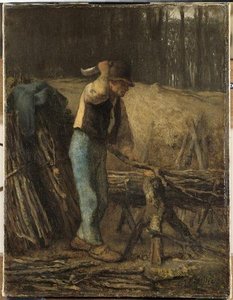
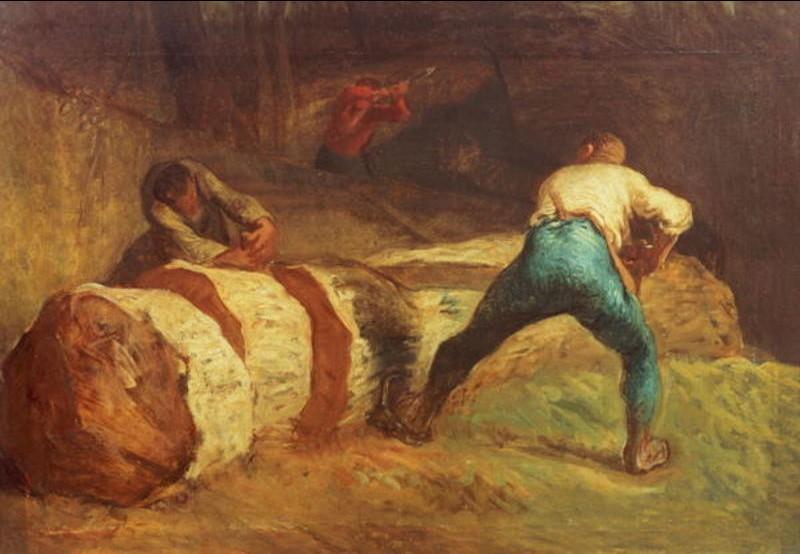
The Wood Sawyers


 Ver más
Giclée / Impresión de arte
Impresiones giclée o en lienzo de calidad de museo con producción rápida y opciones de acabado flexibles. ( Comprar pintura hecha a mano Comprar imagen)




P118B $10

P118H $10

P118W $10

P438Z $10

P508JH $12

P508YH $12

P805H $10

P805Z $10

P919BZ $10

P919G $10

P919XJ $10

P959ZH $10

P968JZ $12

W106C $8

W218G $10

W218JH $8

W218Y $10

W307PJ $10

W316G $10

W316PJ $8

W316Y $10

W398PJ $8

W4111J $10

W500HY $15

W500JH $15

W692G $12

W849H $8

W940BG $15

W953PJ $8




Elija entre nuestros tamaños predefinidos que respetan las proporciones originales de la obra.

Puede introducir sus propias dimensiones para adaptarse a un marco o espacio específico. Si el tamaño seleccionado no coincide con las proporciones de la imagen original, recortaremos la obra de arte o extenderemos la imagen con un borde con efecto espejo o de color sólido. Se enviará una maqueta digital para su aprobación antes de que comience la producción.
Tenga en cuenta que la vista previa en pantalla no refleja el recorte o la extensión real. Solo la maqueta mostrará con precisión la composición final.
Aunque existen tamaños personalizados, recomendamos seleccionar una dimensión de la lista predefinida para preservar las proporciones originales.
Envío a todo el mundo () en 2 semanas en lugar de las 4/5 semanas estándar. (23 agosto)

Envío exprés gratuito a todo el mundo

Lienzo de lino de alta calidad

Seguro de envío total

Garantía de reembolso de impuestos aduaneros

Garantía de fidelidad cromática exacta

Política de devolución de 60 días (solo por defectos)

Garantía de devolución del 100% del dinero

Descuento por cantidad
 La opción de vidrio solo está disponible en tamaños inferiores a 110 cm.

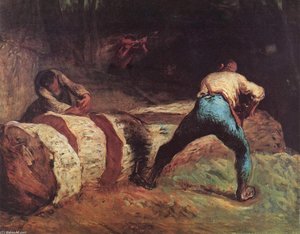
The Wood Sawyers
Giclée / Impresión de arte
Dimensiones de la reproducción
-


Precio total final
$ 62
Descripción de la pieza
A Symphony of Toil and Earth
In the quiet, dappled light of a mid-19th-century woodland, Jean-François Millet captures a moment that transcends mere manual labor to become a profound meditation on human resilience. The Wood Sawyers, painted around 1852, is far more than a simple genre scene; it is a window into the very soul of the Barbizon School. As the viewer enters this sun-drenched clearing, they are immediately struck by the palpable physicality of the three men engaged in their arduous task. There is no romanticized gloss here, no idealized heroism—only the raw, unvarnished truth of muscles straining under exertion and faces etched with the deep concentration required to master the elements. Millet invites us to witness a world where dignity is found not in grand gestures, but in the rhythmic, repetitive, and essential struggle of survival.
The composition itself breathes with the organic energy of the forest. The logs, scattered across the floor in various states of being worked, create a sense of grounded permanence, while the positioning of the laborers—one to the left, one central, and one to the right—guides the eye through a cycle of movement and effort. This arrangement creates a balanced yet dynamic tension, mirroring the collaborative spirit necessary for such heavy work. For the discerning collector or interior designer, this piece offers a grounding presence; its subject matter brings an atmosphere of stability and quiet strength to any space, making it an ideal centerpiece for rooms that value authenticity and a connection to the natural world.
Mastery of Light and the Realist Spirit
Technically, The Wood Sawyers is a masterclass in the plein air tradition. Eschewing the polished, artificial finishes favored by the French Academy, Millet utilized a muted, earthy palette dominated by deep browns, mossy greens, and warm ochres. These tones do not merely represent the forest; they embody it. Through loose, expressive brushstrokes and a sophisticated command of tonal variation, Millet captures the fleeting nuances of natural light as it filters through the canopy. This technique allows the shadows to feel heavy and real, emphasizing the muscular forms of the men and the rugged texture of the bark, creating a three-dimensional depth that pulls the observer into the scene.
This stylistic choice was deeply political and philosophical. Emerging during a period of rapid industrialization and urban upheaval, Millet’s Realism served as a poignant counter-narrative to the escapism of Romanticism. By focusing on the humble peasant and the laborer, he elevated the mundane to the monumental. The painting acts as a silent protest against the encroaching smoke of factories, celebrating instead the enduring bond between man and soil. To possess a reproduction of this work is to hold a piece of history that honors the quiet, uncelebrated heroes of the landscape, offering an emotional depth that resonates with anyone who finds beauty in the honest, unadorned rhythms of life.
Obras relacionadas
Biografía del artista
vida temprana y educación
jean-françois millet, nacido el 4 de octubre de 1814 en Normandía, Francia, emergió como una figura clave en la escuela de Barbizon y un defensor del movimiento artístico realista. Criado en una comunidad agrícola, la vida temprana de Millet estuvo impregnada de experiencias rurales, lo que influyó profundamente en sus temas artísticos.trayectoria artística
La formación artística formal de Millet comenzó en 1833 bajo la tutela del pintor de retratos Bon du Mouchel en Cherbourg. Posteriormente estudió con Théophile Langlois de Chèvreville, un estudiante del barón Gros. Apoyado por una beca, se trasladó a París en 1837 para asistir a la École des Beaux-Arts y estudió bajo Paul Delaroche. Sin embargo, su viaje no estuvo exento de contratiempos; en 1839, perdió su beca y fue rechazado por el salón.obras notables y movimiento realista
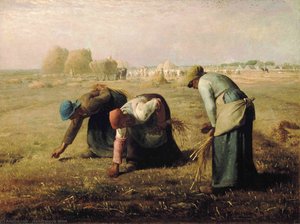
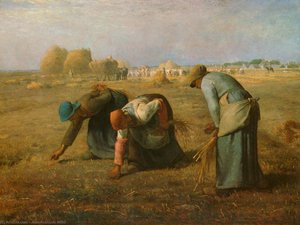
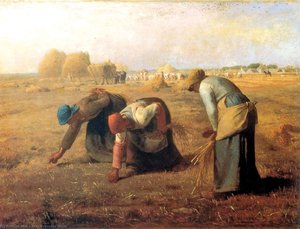
La trayectoria artística de Millet refleja su profunda conexión con sus raíces rurales y su dedicación a retratar la vida de los campesinos con dignidad y realismo. Algunas de sus obras notables incluyen:- Los recogedores (1855), una representación conmovedora de campesinos, que muestra la maestría de Millet en el realismo.
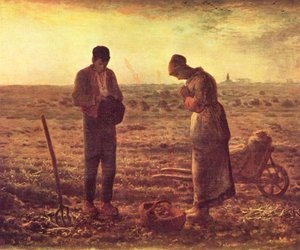
- El ángelus (1850-1861), una serie de pinturas que destacan las luchas diarias de la vida rural.
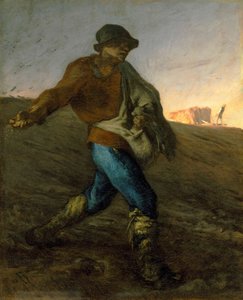
- El siembrador (1850), una representación icónica de las dificultades que enfrentan los agricultores, ahora ubicada en el Musée d'Orsay en París.
legado e influencia
El legado de Millet como fundador de la escuela de Barbizon lo marca como una figura fundamental en la transición hacia el realismo en el arte. Su influencia se puede ver en las obras de artistas posteriores, incluyendo Correa Benito Rebolledo, quien continuó ampliando los límites del realismo. Explore más sobre las obras de Millet y el movimiento realista en ArtsDot: Jean François Millet el mayor | ArtsDot El nuevo realismo artístico | ArtsDot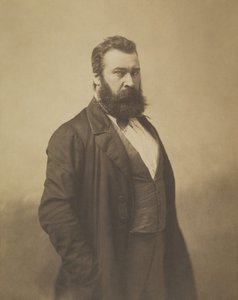
Jean-François Millet
1814 - 1875 , Francia
Datos clave
- Artistas Influenciados: ['Correa Benito Rebolledo']
- Artistas Que Influyeron:
- Bon du Mouchel
- Théophile Langlois
- Paul Delaroche
- Fecha De Muerte: 1875
- Fecha De Nacimiento: 4 de octubre de 1814
- Lugar De Nacimiento: Gruchy, Francia
- Movimiento Artístico: Realismo, Escuela de Barbizon
- Nacionalidad: Francés
- Nombre Completo: Jean-François Millet
- Obras Notables:
- Los segadores
- El ángelus
- El sembrador
Artículos relacionados
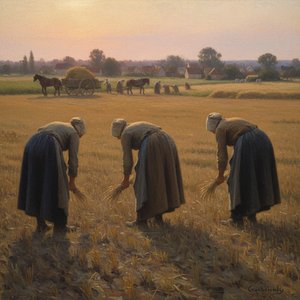
Jean-François Millet: Realism, Rural Life & the Poetic Depiction of Labor
Explore the life & work of Jean-François Millet, a founder of Realism. Discover his poignant depictions of rural France, iconic paintings like 'The Angelus,' and lasting influence on art history. Learn more at ArtsDot.

Echoes of Rural Life: Art's Enduring Representations of the Countryside
Explore the rich history of rural life in art! Discover masterpieces from Millet to Mauve & beyond. Learn about Realism, Barbizon School & find inspiration for your home with ArtsDot.
La Escuela de Barbizon: Pioneros del Realismo y la Visión Pastoral en la Pintura Francesa del Siglo XIX
Descubre la Escuela de Barbizon, pionera del realismo francés. Explora su historia, características clave, artistas destacados y el legado que dejó en la pintura moderna. Análisis experto y obras emblemáticas.
Echoes of Rural Life: Nostalgia, Labor & Identity in Art History
Explore the rich history of rural life in art! Discover how Realism captured labor & identity through masterpieces by Van Gogh, Millet & more. Expert analysis for collectors and enthusiasts.
Cultivating Visions: Rural Life & Social Commentary in Art History
Explore the rich history of rural life in art! Discover masterpieces from Dutch Masters to Van Gogh & Courbet. Uncover artistic movements, social significance & expert collecting insights at ArtsDot.