

 Ver en contexto
 Enviar
 Compartir
 Detalles

 Descargar
 Similares
 Radiografía
 Presentación de diapositivas
untitled (648)

 Ver más
Adquiera una imagen digital de alta resolución y optimizada, muy superior a la vista previa en línea.
Cada archivo es preparado meticulosamente por nuestros especialistas internos mediante el uso de herramientas avanzadas y un experto retoque manual. Nos aseguramos de que cada imagen posea una claridad excepcional, una precisión cromática impecable y un detalle minucioso.
El archivo final se entrega por correo electrónico en un plazo de 72 horas, optimizado para su uso inmediato en entornos profesionales, editoriales y de impresión. Esta es la misma calidad en la que confían los estudios de diseño, las editoriales y las galerías de primer nivel.
Imagen Digital
Descarga un archivo de alta resolución para exhibición personal, impresión y proyectos creativos. ( Comprar impresión Comprar pintura hecha a mano)
Incluido en cada pedido de imágenes digitales
Entrega digital experta, garantizada.
Al elegir ArtsDot.com, no solo está adquiriendo una imagen; está recibiendo una obra de arte digital mejorada profesionalmente, elaborada con precisión y respaldada por una garantía de satisfacción. Esto es todo lo que incluye su pedido, automáticamente:

Entrega rápida por email
Recibirá su archivo de imagen digital en alta resolución por correo electrónico en un plazo de 72 horas tras realizar su pedido, listo para su uso inmediato.

Archivo digital optimizado por IA
Su obra de arte se optimiza profesionalmente mediante herramientas avanzadas de IA y edición manual, garantizando el máximo detalle, claridad y precisión cromática.

Reenvío gratuito de por vida
¿Has borrado o perdido tu archivo por error? No te preocupes: te lo volveremos a enviar en cualquier momento, sin coste adicional.

Sin gastos de importación, siempre
Disfrute de su obra de arte al instante sin aduanas, aranceles ni gastos de envío; las descargas digitales siempre están libres de impuestos.

Garantía de fidelidad de color
Garantizamos que su imagen digital refleje los colores originales con la mayor fidelidad posible, mediante el uso de herramientas profesionales y gestión del color.

Garantía de satisfacción de 60 días
Si no está satisfecho con su imagen digital, la revisaremos o le reembolsaremos el 100% en un plazo de 60 días, sin preguntas.

100% Garantía de devolución de dinero
¿No está satisfecho? Obtenga un reembolso completo dentro de los 60 días posteriores a la recepción de su archivo digital, sin necesidad de explicaciones.

Descuentos por pedidos grandes
Compra 3 imágenes, ahorra 10% - Compra 5, ahorra 15% - Compra 10+, ahorra 20%. Ideal para proyectos creativos, galerías y agencias.
Descripción del coleccionable
A Testament to Rural Dignity: Exploring Jean-François Millet’s “Untitled (648)”
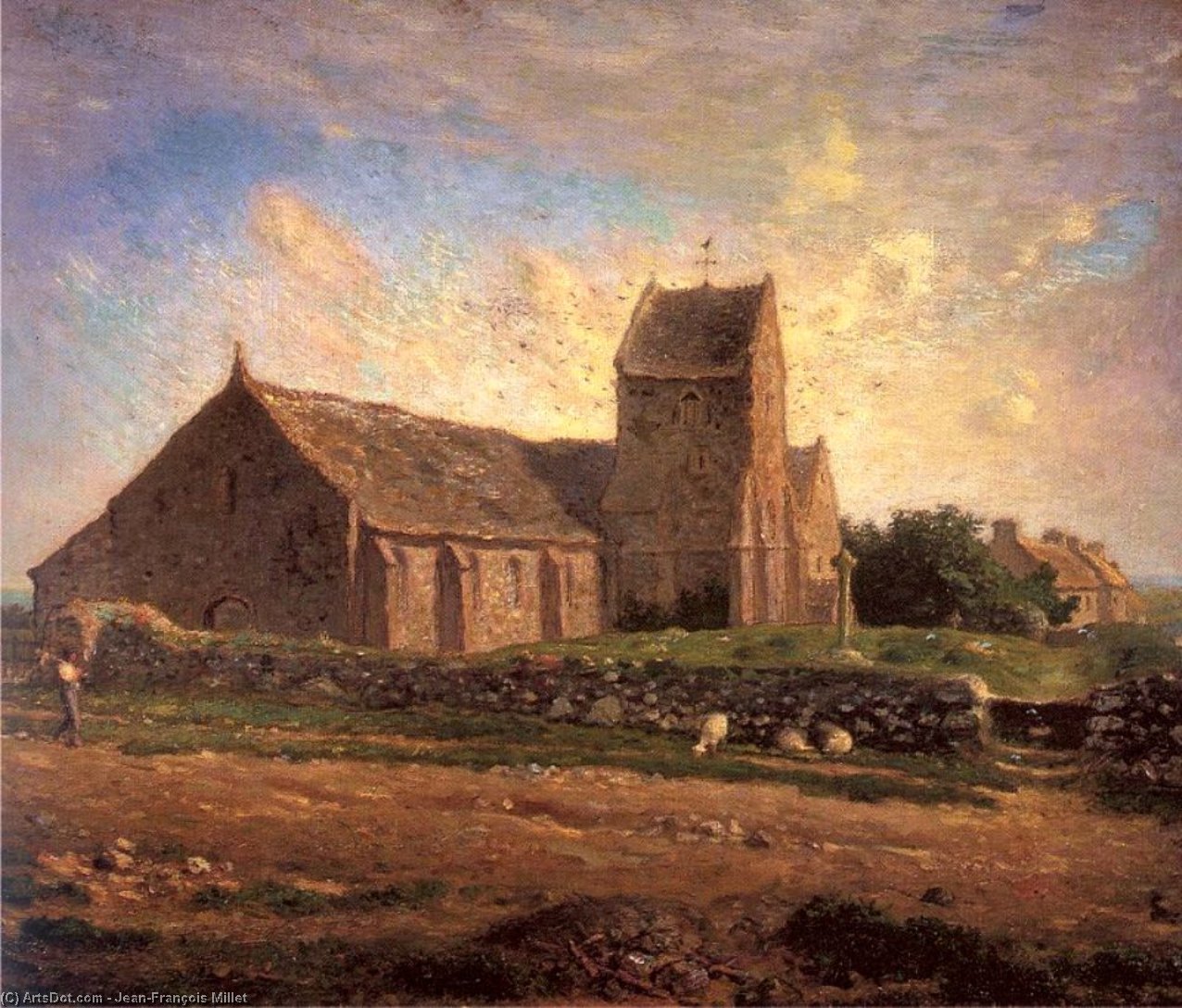
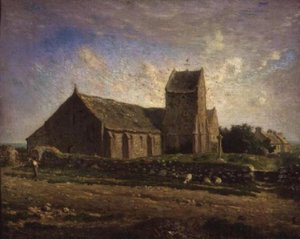
Jean-François Millet's "Untitled (648)," a captivating depiction of a humble church nestled within the French countryside, offers far more than a simple pastoral scene. Born in 1814 into a family of farmers in Gruchy, Normandy—a region deeply ingrained with agricultural traditions—Millet’s artistic vision was inextricably linked to the rhythms and realities of rural life. This painting isn't merely a representation of a village; it’s a profound meditation on labor, faith, and the enduring spirit of humanity. The work, though lacking a definitive title, immediately draws the viewer into a scene brimming with quiet dignity and understated beauty.
The composition is remarkably balanced, dominated by the imposing presence of the church's steeple, a symbol of both spiritual guidance and community strength. Millet masterfully employs a muted color palette—earthy browns, ochres, and subtle greens—to evoke the textures of brick, soil, and weathered wood. The light, diffused and soft, suggests either early morning or late afternoon, casting long shadows that enhance the sense of depth and realism. Two figures are subtly integrated into the landscape: a man standing near the left side, perhaps contemplating the scene, and another closer to the right, adding a touch of human presence without disrupting the overall serenity.
The Barbizon School and Millet’s Realist Approach
Millet's work firmly places him within the Barbizon School, a movement that emerged in the mid-19th century as a reaction against the idealized Romanticism prevalent at the time. Rejecting the artificiality of Parisian salons, the Barbizon artists sought to capture the essence of nature and rural life with an unprecedented degree of realism. They often worked *en plein air* (outdoors), directly observing and painting the landscapes they encountered. Millet’s commitment to this approach is evident in his meticulous attention to detail—the rough texture of the brick, the individual blades of grass, the subtle variations in color—all contribute to a remarkably authentic portrayal of the scene.
Unlike many artists of his era who focused on grand historical or mythological subjects, Millet chose to depict the lives of ordinary people – farmers, laborers, and peasants. This decision was revolutionary at the time, as it brought the struggles and dignity of the working class into the realm of fine art. His paintings weren’t intended to be sentimental; rather, they aimed to offer a truthful and unvarnished representation of rural existence, capturing both its hardships and its inherent beauty.
Symbolism and Emotional Resonance
Beyond its realistic depiction, “Untitled (648)” is rich in symbolic meaning. The church itself represents faith, community, and the enduring values of rural life. The sheep grazing peacefully nearby symbolize innocence, simplicity, and a connection to the natural world. The birds soaring through the sky add a sense of freedom and hope. Even the solitary figures contribute to the painting’s emotional depth—they invite contemplation on themes of faith, labor, and the human condition.
Millet's ability to imbue his paintings with such profound emotion is a testament to his deep understanding of human nature and his unwavering commitment to portraying the lives of ordinary people. “Untitled (648)” isn’t just a beautiful landscape; it’s a powerful statement about the dignity of rural life, the importance of faith, and the enduring spirit of humanity—qualities that continue to resonate with viewers today.
Bringing Millet's Vision Home: A ArtsDot Reproduction
ArtsDot is proud to offer meticulously crafted hand-painted reproductions of Jean-François Millet’s “Untitled (648).” Our artists replicate the artist’s masterful technique, capturing the subtle nuances of light and color with exceptional precision. Each reproduction is created using archival quality materials, ensuring that it will retain its beauty and vibrancy for generations to come. Whether you're an art collector, a design enthusiast, or simply someone seeking to bring a touch of timeless elegance into your home, a ArtsDot reproduction of “Untitled (648)” offers the perfect way to experience the profound artistry and emotional depth of this iconic work.
Explore our high-quality reproductions today: Click here to view available sizes and options.
Obras relacionadas
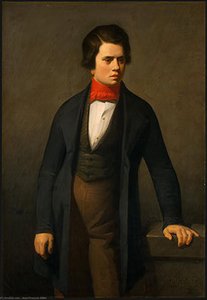
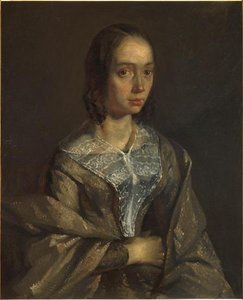
Biografía del artista
vida temprana y educación
jean-françois millet, nacido el 4 de octubre de 1814 en Normandía, Francia, emergió como una figura clave en la escuela de Barbizon y un defensor del movimiento artístico realista. Criado en una comunidad agrícola, la vida temprana de Millet estuvo impregnada de experiencias rurales, lo que influyó profundamente en sus temas artísticos.trayectoria artística
La formación artística formal de Millet comenzó en 1833 bajo la tutela del pintor de retratos Bon du Mouchel en Cherbourg. Posteriormente estudió con Théophile Langlois de Chèvreville, un estudiante del barón Gros. Apoyado por una beca, se trasladó a París en 1837 para asistir a la École des Beaux-Arts y estudió bajo Paul Delaroche. Sin embargo, su viaje no estuvo exento de contratiempos; en 1839, perdió su beca y fue rechazado por el salón.obras notables y movimiento realista
La trayectoria artística de Millet refleja su profunda conexión con sus raíces rurales y su dedicación a retratar la vida de los campesinos con dignidad y realismo. Algunas de sus obras notables incluyen:- Los recogedores (1855), una representación conmovedora de campesinos, que muestra la maestría de Millet en el realismo.
- El ángelus (1850-1861), una serie de pinturas que destacan las luchas diarias de la vida rural.
- El siembrador (1850), una representación icónica de las dificultades que enfrentan los agricultores, ahora ubicada en el Musée d'Orsay en París.
legado e influencia
El legado de Millet como fundador de la escuela de Barbizon lo marca como una figura fundamental en la transición hacia el realismo en el arte. Su influencia se puede ver en las obras de artistas posteriores, incluyendo Correa Benito Rebolledo, quien continuó ampliando los límites del realismo. Explore más sobre las obras de Millet y el movimiento realista en ArtsDot: Jean François Millet el mayor | ArtsDot El nuevo realismo artístico | ArtsDot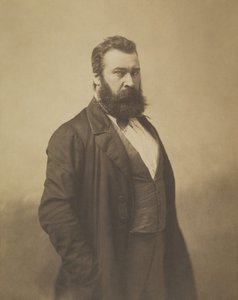
Jean-François Millet
1814 - 1875 , Francia
Breves datos
- Artistas Influenciados: ['Correa Benito Rebolledo']
- Artistas Que Influyeron:
- Bon du Mouchel
- Théophile Langlois
- Paul Delaroche
- Fecha De Muerte: 1875
- Fecha De Nacimiento: 4 de octubre de 1814
- Lugar De Nacimiento: Gruchy, Francia
- Movimiento Artístico: Realismo, Escuela de Barbizon
- Nacionalidad: Francés
- Nombre Completo: Jean-François Millet
- Obras Notables:
- Los segadores
- El ángelus
- El sembrador

