 Ver en contexto
 Enviar
 Compartir
 Detalles

 Descargar
 Similares
 Radiografía
 Presentación de diapositivas
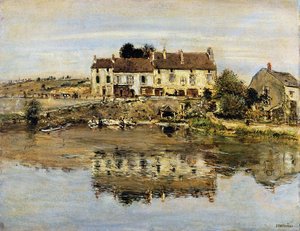
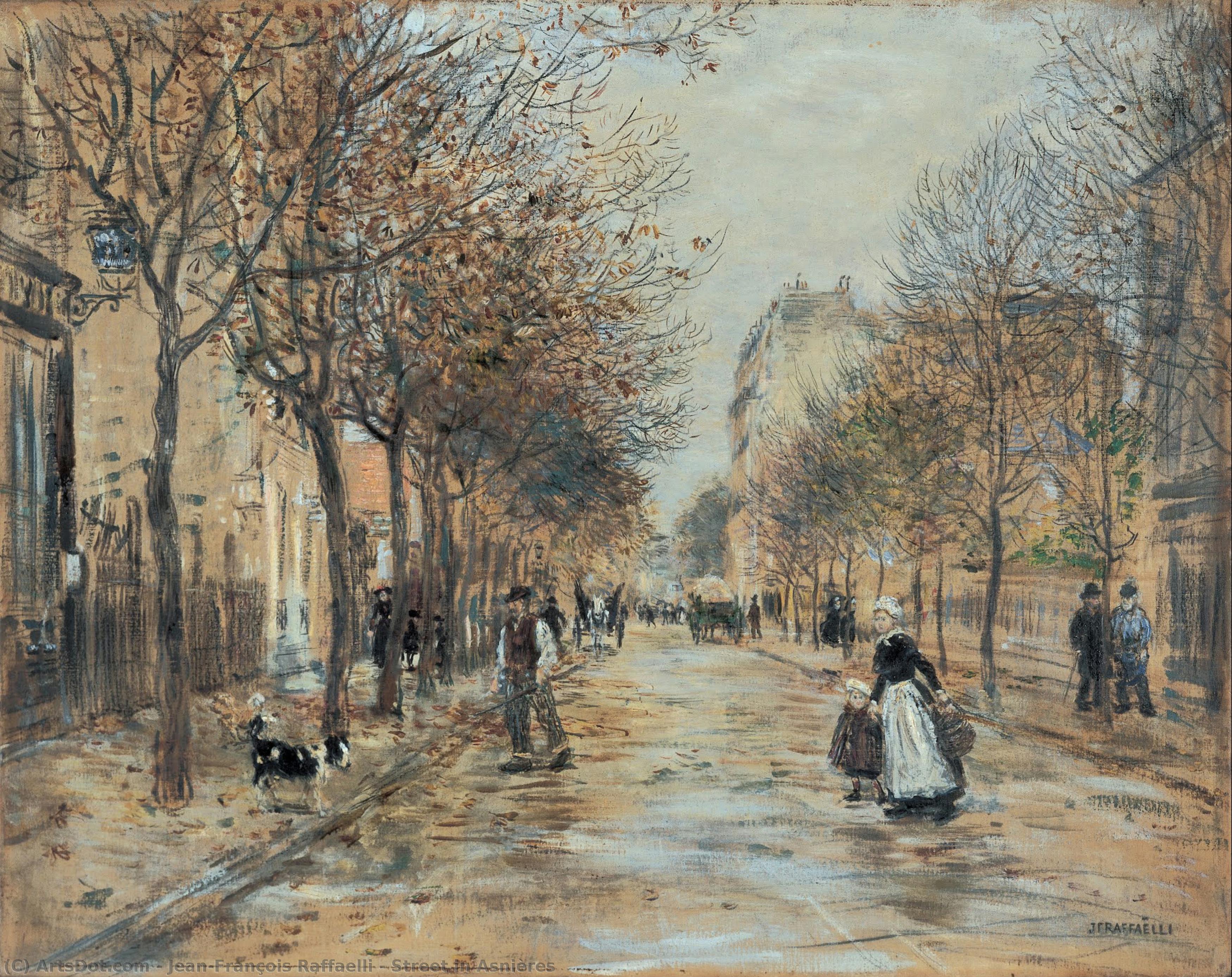
Street in Asnières
 Acrylic On Canvas
- WallArt
- Impressionism
 19th Century
 71.0 x 55.0 cm
 Ohara Museum of Art
 Ver más
Giclée / Impresión de arte
Impresiones giclée o en lienzo de calidad de museo con producción rápida y opciones de acabado flexibles. ( Comprar pintura hecha a mano Comprar imagen)




P118B $10

P118H $10

P118W $10

P438Z $10

P508JH $12

P508YH $12

P805H $10

P805Z $10

P919BZ $10

P919G $10

P919XJ $10

P959ZH $10

P968JZ $12

W106C $8

W218G $10

W218JH $8

W218Y $10

W307PJ $10

W316G $10

W316PJ $8

W316Y $10

W398PJ $8

W4111J $10

W500HY $15

W500JH $15

W692G $12

W849H $8

W940BG $15

W953PJ $8




Elija entre nuestros tamaños predefinidos que respetan las proporciones originales de la obra.

Puede introducir sus propias dimensiones para adaptarse a un marco o espacio específico. Si el tamaño seleccionado no coincide con las proporciones de la imagen original, recortaremos la obra de arte o extenderemos la imagen con un borde con efecto espejo o de color sólido. Se enviará una maqueta digital para su aprobación antes de que comience la producción.
Tenga en cuenta que la vista previa en pantalla no refleja el recorte o la extensión real. Solo la maqueta mostrará con precisión la composición final.
Aunque existen tamaños personalizados, recomendamos seleccionar una dimensión de la lista predefinida para preservar las proporciones originales.
Envío a todo el mundo () en 2 semanas en lugar de las 4/5 semanas estándar. (3 septiembre)

Envío exprés gratuito a todo el mundo

Lienzo de lino de alta calidad

Seguro de envío total

Garantía de reembolso de impuestos aduaneros

Garantía de fidelidad cromática exacta

Política de devolución de 60 días (solo por defectos)

Garantía de devolución del 100% del dinero

Descuento por cantidad
 La opción de vidrio solo está disponible en tamaños inferiores a 110 cm.

Street in Asnières
Giclée / Impresión de arte
Dimensiones de la reproducción
-


Precio total final
$ 62
Jean-François Raffaëlli: Realism's Delicate Embrace of Impressionistic Light
Jean-François Raffaëlli stands as an intriguing figure in the transition between Realism and Impressionism, embodying a singular artistic vision that sought to capture not merely what was seen but how it felt. Born April 20, 1850, in Paris, he possessed a lineage rooted in Tuscan ancestry—a heritage that subtly influenced his approach to art, fostering an appreciation for meticulous observation alongside a burgeoning fascination with capturing fleeting moments of beauty.
Early Artistic Explorations and Formal Training
Before dedicating himself wholly to painting, Raffaëlli pursued diverse interests including music and theatre. However, it was his foray into visual arts in 1870 that ignited his creative spirit. He swiftly gained recognition with an exhibited landscape at the Salon that same year—a testament to his innate talent for portraying natural scenes with remarkable accuracy. His formal artistic training was brief but decisive: three months under Jean-Léon Gérôme at the École des Beaux-Arts in Paris provided him with foundational knowledge of academic conventions, yet he resolutely steered away from these rigid styles, forging instead a path toward stylistic independence.
The Theory of Caractérisme and Raffaëlli's Distinctive Style
Raffaëlli championed “caractérisme,” a revolutionary artistic theory that challenged the prevailing aesthetic dogma. This philosophy insisted on portraying individuals within their environment—a deliberate rejection of Romantic idealism—and demanded an unwavering commitment to detailed observation. Influenced by Hippolyte-Adolphe Taine’s positivist worldview, Raffaëlli aimed to transcend mere representation, striving instead to convey not just what was seen but the emotional essence of experience.
His style is characterized by a profound realism tempered with Impressionistic luminosity. Unlike many of his contemporaries who sought to replicate nature faithfully, Raffaëlli recognized that true artistry lay in capturing its subtle nuances—the ephemeral effects of light and atmosphere. This approach resulted in canvases imbued with a palpable sense of immediacy and emotion.
“Les Buveurs d’Absinthe”: A Portrait of Modern Alienation
"Les Buveurs d'Absinthe" (1881), arguably Raffaëlli’s most celebrated work, exemplifies his artistic convictions. The painting depicts a Parisian café scene—a microcosm of urban life—featuring figures consumed by drink and contemplation. Raffaëlli skillfully employed the balayé technique—characterized by horizontal brushstrokes—to convey the hazy glow of lamplight and the pervasive dampness of the rainy evening.
More than just a depiction of a specific place, “Les Buveurs d’Absinthe” serves as a poignant commentary on the anxieties of modernity. Raffaëlli's portrayal of marginalized individuals—ragpickers and laborers—reflects his empathy for those excluded from mainstream society. The painting captures not only the visual details of its setting but also the psychological state of its subjects—a profound exploration of loneliness, disillusionment, and the human condition.
Legacy and Enduring Influence
Despite initial rejection by the Salon jury, Raffaëlli’s work gained recognition during the twentieth century, cementing his place as a pivotal figure in French art history. His unwavering dedication to realism combined with an intuitive grasp of Impressionistic principles established him as a pioneer—a testament to the transformative power of artistic vision.
Today, “Les Buveurs d’Absinthe” hangs prominently in the California Palace of Legion of Honor Art Museum, where it continues to inspire viewers and scholars alike. Raffaëlli's legacy resides not merely in his stylistic innovations but also in his profound engagement with social issues—a reminder that art can serve as a conduit for empathy and understanding.
Obras relacionadas

Biografía del artista
Jean-François Raffaëlli: Una Vida en Realismo
Nacido el 20 de abril de 1850, en París, Francia, Jean-François Raffaëlli fue una figura clave que conectó el Realismo con el Impresionismo. De origen toscano a través de sus abuelos paternos, labró un camino único como pintor, escultor y grabador, profundamente interesado en representar la vida de personas comunes.
Vida Temprana y Formación
Antes de dedicarse por completo al arte, Raffaëlli exploró intereses en música y teatro. Comenzó su carrera como pintor en 1870, ganando rápidamente reconocimiento con un paisaje exhibido en el Salón ese mismo año. Su formación artística formal fue breve pero impactante: tres meses bajo Jean-Léon Gérôme en la École des Beaux-Arts de París. Sin embargo, pronto se distanció de los estilos académicos tradicionales para forjar su propio enfoque distintivo.
Estilo Artístico e Influencias
El estilo de Raffaëlli se caracteriza por un compromiso profundo con el realismo, que él llamó “caractérisme”. Esta teoría enfatizaba la observación meticulosa de individuos en su contexto social. Él buscaba no solo representar las apariencias, sino capturar la esencia de la experiencia humana. Si bien fue influenciado por la habilidad técnica de Gérôme, Raffaëlli encontró defensores en críticos influyentes como J.-K. Huysmans y Edgar Degas, quienes reconocieron su visión única.
Desarrollo Artístico y Obras Maestras
Inicialmente centrado en retratos de vestuario, la obra de Raffaëlli experimentó un cambio significativo en 1876. Comenzó a representar la vida de campesinos, trabajadores y personas marginadas – particularmente recicladors – en las afueras de París. Este enfoque reflejaba su interés en el comentario social y la condición humana.
- Les buveurs d'absinthe (Los Bebedores de Absenta) - 1881: Tal vez su obra más famosa, originalmente titulada *Les déclassés*, este cuadro ofreció una representación dura de la alienación social y ahora se exhibe en el California Palace of Legion of Honor.
- En el Taller del Herrero (1886): Esta pieza ejemplifica su enfoque en la vida cotidiana y forma parte de la colección del Musée des Beaux-Arts en Lyon.
Exposiciones y Reconocimiento
Raffaëlli participó en las exposiciones impresionistas de 1880 y 1881, invitado por Degas a pesar de no ser estrictamente un impresionista. Esta inclusión provocó un debate dentro del grupo, ya que Monet resentía la ampliación del alcance de la exposición. Recibió la Legión de Honor en 1889, marcando un hito significativo en su carrera.
Vida Tardía y Legado
Después de su reconocimiento, Raffaëlli cambió su enfoque a escenas urbanas, continuando para explorar temas de vida urbana y dinámica social. También experimentó con la escultura (aunque pocos ejemplos sobreviven hoy en día) y la grabaduría colorida en sus últimos años. Falleció el 11 de febrero de 1924, dejando un cuerpo de trabajo que sigue resonando por su representación honesta de la sociedad parisina.
Significado Histórico
La contribución de Jean-François Raffaëlli reside en su capacidad para combinar los principios del Realismo con una comprensión empática de la experiencia humana. Su “caractérisme” ofreció un enfoque matizado a la observación social, influyendo a las generaciones posteriores de artistas interesados en representar las complejidades de la vida moderna. Él sigue siendo una figura significativa en el arte francés del siglo XIX, que conecta la tradición académica con la vanguardia emergente.
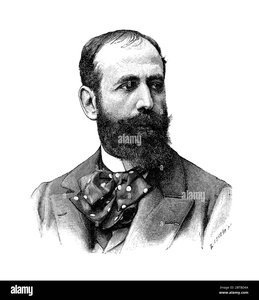
Jean-François Raffaëlli
1850 - 1924 , Francia
Datos clave
- Artistic Movement Or Style: Realismo
- Artists Or Movements Influenced By This Artist: ['Impresionismo']
- Artists Who Influenced This Artist: ['Jean-Léon Gérôme']
- Date Of Birth: 1850
- Full Name: Jean-François Raffaëlli
- Nationality: Italiano
- Notable Artworks:
- Les buveurs d'absinthe
- En el taller del herrero
- Place Of Birth: París, Francia
Artículos relacionados

Giclée Prints: Archival Quality & Aesthetic Nuances for the Discerning Collector
Explore the world of giclée prints with ArtsDot. Learn about archival quality, aesthetic nuances & investment potential. Expert guidance for discerning art collectors seeking museum-quality reproductions and lasting value.

Romantic Realism's Finest: 10 Masterpieces for Your Home | ArtsDot
Explore 10 defining masterpieces of Romantic Realism! Discover Courbet, Millet & Daumier's powerful paintings—capturing emotion and social realities. Find museum-quality reproductions for your home at ArtsDot.com.

The Enduring Legacy of Fine Art Prints: Technique, History & Aesthetic Impact
Explore the rich history & techniques of fine art prints. Discover investment potential, assess authenticity, and learn how to preserve your collection with expert guidance. Trusted insights for discerning collectors.

Echoes of Time: Exploring the Enduring Appeal & Historical Context of Vintage Art Prints
Explore the captivating world of vintage art prints! Discover their history, collecting tips & enduring appeal. Expert insights on chromolithography and building a legacy collection with ArtsDot.

Impresionismo: 10 Obras Maestras que Capturan la Luz y el Momento
Descubre 10 obras maestras del impresionismo de Monet, Renoir y Degas. Explora la luz, el color y las historias detrás de estos icónicos cuadros. Reproducciones de arte en ArtsDot.com para decorar tu hogar con estilo.