 Ver en contexto
 Enviar
 Compartir
 Detalles

 Descargar
 Similares
 Radiografía
 Presentación de diapositivas
 Stats
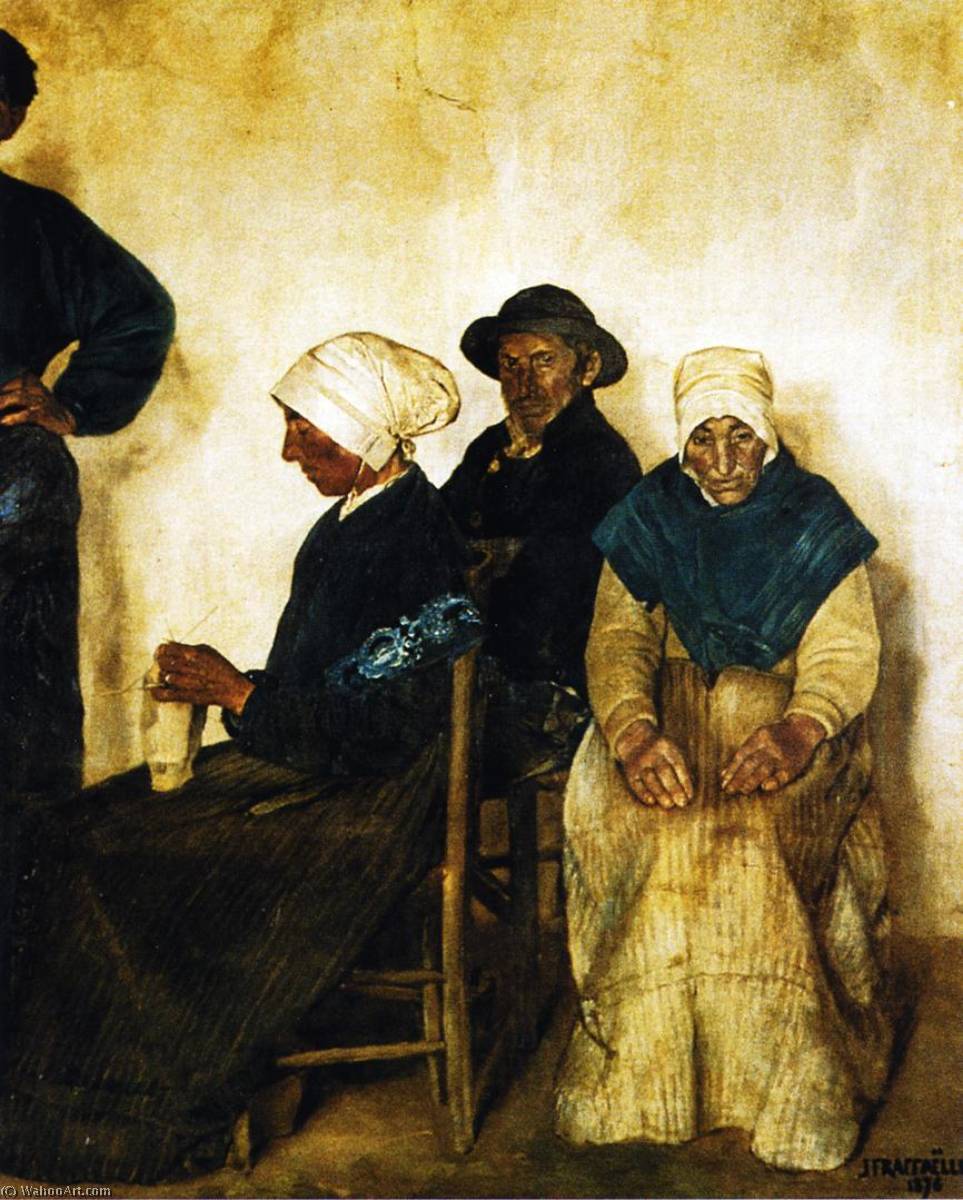
StatsThe Family of Jean the Lame, Peasants from Plougasnou, Finistere
 Oil On Canvas
- WallArt
- Contemporary Realism
 1876
1876- 19th Century
 188.0 x 152.0 cm
 Musée du Luxembourg
 Ver más
Reproducción al óleo hecha a mano
Óleo sobre lienzo pintado a mano en el tamaño y marco de su elección, realizado por encargo por nuestros artistas. ( Switch to Print Switch to Digital Image)




P118B $10

P118H $10

P118W $10

P438Z $10

P508JH $12

P508YH $12

P805H $10

P805Z $10

P919BZ $10

P919G $10

P919XJ $10

P959ZH $10

P968JZ $12

W106C $8

W218G $10

W218JH $8

W218Y $10

W307PJ $10

W316G $10

W316PJ $8

W316Y $10

W398PJ $8

W4111J $10

W500HY $15

W500JH $15

W692G $12

W849H $8

W940BG $15

W953PJ $8




Elija entre nuestros tamaños predefinidos que respetan las proporciones originales de la obra.

Puede ingresar sus propias dimensiones para adaptarse a un marco o espacio específico. Si el tamaño seleccionado no coincide con las proporciones de la imagen original, recortaremos la obra o extenderemos la pintura con elementos adicionales pintados a mano. Se le enviará una maqueta digital para su aprobación antes de comenzar la producción.
Tenga en cuenta que la vista previa en pantalla no refleja el recorte o la extensión reales. Solo la maqueta mostrará con precisión la composición final.
Si bien existen tamaños personalizados, recomendamos seleccionar una dimensión de la lista predefinida para preservar las proporciones originales.
Tras realizar el pedido, el equipo de ArtsDot.com enviará un correo electrónico al cliente para solicitar instrucciones y proporcionarle una vista previa del boceto.
Envío a todo el mundo () en 3-4 semanas en lugar de las 5 semanas estándar. (8 septiembre). Sin comprometer la calidad.

Envío exprés gratuito a todo el mundo

Lienzo de lino de alta calidad

Seguro de envío total

Garantía de reembolso de impuestos aduaneros

Garantía de fidelidad cromática exacta

Política de devolución de 100 días (solo por defectos)

Garantía de devolución del 100% del dinero

Descuento por cantidad
 La opción de vidrio solo está disponible en tamaños inferiores a 110 cm.

The Family of Jean the Lame, Peasants from Plougasnou, Finistere
Técnica de reproducción
Dimensiones de la reproducción
-


Precio total final
$ 263
A Window into 19th-Century Breton Life: The Family of Jean the Lame
Jean-François Raffaëlli’s “The Family of Jean the Lame, Peasants from Plougasnou, Finistere” offers a remarkably intimate glimpse into the daily life of a Breton family in 1876. This captivating portrait, measuring 188 x 152 cm, transcends mere representation; it's a poignant meditation on familial bonds and the quiet dignity of rural existence. Painted during a pivotal moment in artistic history – bridging Realism’s rigorous observation with the burgeoning Impressionist movement – Raffaëlli’s work exemplifies his distinctive “caractérisme,” a dedication to capturing the unique character and individuality of his subjects.
- Subject Matter: The scene depicts six individuals, likely members of the same family, seated together in what appears to be their home. Their relaxed posture and engaged expressions suggest a moment of shared conversation or simple companionship – a testament to the importance of family life within this rural community.
- Historical Context: Created at the cusp of the 19th century, the painting reflects the social realities of Finistere, Brittany, France, where peasant life remained largely unchanged despite broader societal shifts. The inclusion of “Jean the Lame,” a detail in the title, hints at a possible physical impairment, adding another layer of human complexity to the portrait.
Raffaëlli’s ‘Caractérisme’: A Portrait of Truth
Raffaëlli's artistic philosophy, “caractérisme,” was central to his approach. He believed in a meticulous and unflinching observation of detail, prioritizing the individual characteristics of his subjects over idealized beauty or grand narratives. This is evident in the painting’s remarkably realistic depiction of weathered faces, worn clothing, and the subtle nuances of their expressions. The artist's training under Jean-Léon Gérôme at the École des Beaux-Arts provided a foundation in academic techniques, but Raffaëlli swiftly moved beyond these conventions to develop his own intensely personal style.
The use of light and shadow is particularly noteworthy. Raffaëlli masterfully employs chiaroscuro – the dramatic contrast between light and dark – to sculpt the figures’ forms and imbue them with a sense of volume and presence. This technique, combined with his precise brushwork, creates a palpable sense of realism that draws the viewer into the scene.
Symbolism and Emotional Resonance
Beyond its technical brilliance, “The Family of Jean the Lame” resonates deeply on an emotional level. The warm color palette – dominated by earthy tones of brown, ochre, and muted reds – contributes to the painting’s inviting atmosphere. The simple setting, with the dining table and two cups, suggests a moment of shared sustenance and connection.
- The Cups: The presence of the cups on the table subtly reinforces the theme of hospitality and communal sharing.
- Facial Expressions: The expressions of the family members – ranging from quiet contemplation to gentle smiles – evoke a sense of warmth, intimacy, and perhaps even melancholy, reflecting the realities of rural life in 19th-century Brittany.
A Timeless Masterpiece – Recreated for Today
This exceptional painting by Jean-François Raffaëlli offers a rare opportunity to own a piece of art history. ArtsDot.com is proud to offer meticulously crafted hand-painted reproductions that faithfully capture the essence and emotional impact of this remarkable work. Whether you are an art collector, interior designer seeking to infuse your space with timeless beauty, or simply someone captivated by the stories of ordinary lives, this reproduction provides a stunning addition to any collection.
Obras relacionadas
Biografía del artista
Jean-François Raffaëlli: Una Vida en Realismo
Nacido el 20 de abril de 1850, en París, Francia, Jean-François Raffaëlli fue una figura clave que conectó el Realismo con el Impresionismo. De origen toscano a través de sus abuelos paternos, labró un camino único como pintor, escultor y grabador, profundamente interesado en representar la vida de personas comunes.
Vida Temprana y Formación
Antes de dedicarse por completo al arte, Raffaëlli exploró intereses en música y teatro. Comenzó su carrera como pintor en 1870, ganando rápidamente reconocimiento con un paisaje exhibido en el Salón ese mismo año. Su formación artística formal fue breve pero impactante: tres meses bajo Jean-Léon Gérôme en la École des Beaux-Arts de París. Sin embargo, pronto se distanció de los estilos académicos tradicionales para forjar su propio enfoque distintivo.
Estilo Artístico e Influencias
El estilo de Raffaëlli se caracteriza por un compromiso profundo con el realismo, que él llamó “caractérisme”. Esta teoría enfatizaba la observación meticulosa de individuos en su contexto social. Él buscaba no solo representar las apariencias, sino capturar la esencia de la experiencia humana. Si bien fue influenciado por la habilidad técnica de Gérôme, Raffaëlli encontró defensores en críticos influyentes como J.-K. Huysmans y Edgar Degas, quienes reconocieron su visión única.
Desarrollo Artístico y Obras Maestras
Inicialmente centrado en retratos de vestuario, la obra de Raffaëlli experimentó un cambio significativo en 1876. Comenzó a representar la vida de campesinos, trabajadores y personas marginadas – particularmente recicladors – en las afueras de París. Este enfoque reflejaba su interés en el comentario social y la condición humana.
- Les buveurs d'absinthe (Los Bebedores de Absenta) - 1881: Tal vez su obra más famosa, originalmente titulada *Les déclassés*, este cuadro ofreció una representación dura de la alienación social y ahora se exhibe en el California Palace of Legion of Honor.
- En el Taller del Herrero (1886): Esta pieza ejemplifica su enfoque en la vida cotidiana y forma parte de la colección del Musée des Beaux-Arts en Lyon.
Exposiciones y Reconocimiento
Raffaëlli participó en las exposiciones impresionistas de 1880 y 1881, invitado por Degas a pesar de no ser estrictamente un impresionista. Esta inclusión provocó un debate dentro del grupo, ya que Monet resentía la ampliación del alcance de la exposición. Recibió la Legión de Honor en 1889, marcando un hito significativo en su carrera.
Vida Tardía y Legado
Después de su reconocimiento, Raffaëlli cambió su enfoque a escenas urbanas, continuando para explorar temas de vida urbana y dinámica social. También experimentó con la escultura (aunque pocos ejemplos sobreviven hoy en día) y la grabaduría colorida en sus últimos años. Falleció el 11 de febrero de 1924, dejando un cuerpo de trabajo que sigue resonando por su representación honesta de la sociedad parisina.
Significado Histórico
La contribución de Jean-François Raffaëlli reside en su capacidad para combinar los principios del Realismo con una comprensión empática de la experiencia humana. Su “caractérisme” ofreció un enfoque matizado a la observación social, influyendo a las generaciones posteriores de artistas interesados en representar las complejidades de la vida moderna. Él sigue siendo una figura significativa en el arte francés del siglo XIX, que conecta la tradición académica con la vanguardia emergente.
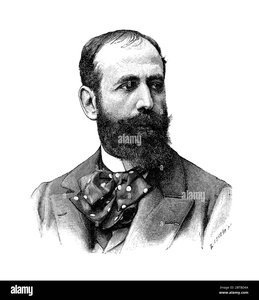
Jean-François Raffaëlli
1850 - 1924 , Francia
Datos clave
- Artistic Movement Or Style: Realismo
- Artists Or Movements Influenced By This Artist: ['Impresionismo']
- Artists Who Influenced This Artist: ['Jean-Léon Gérôme']
- Date Of Birth: 1850
- Full Name: Jean-François Raffaëlli
- Nationality: Italiano
- Notable Artworks:
- Les buveurs d'absinthe
- En el taller del herrero
- Place Of Birth: París, Francia
Artículos relacionados
Impressionistic Realism's Finest: 10 Masterpieces for Your Home | ArtsDot
Journey through Impressionistic Realism with 10 iconic masterpieces by Monet, Renoir & Van Gogh. Explore art history, techniques & find museum-quality reproductions for your home at ArtsDot.com. Discover all masterpieces online!
The Enduring Appeal of Realism: Technique, History & Emotional Resonance in Representational Art
Explore the captivating world of Realism! Discover key artists like Courbet & Millet, masterpieces, and the social commentary behind this influential art movement. Expert insights for collectors & enthusiasts.
Jean-François Millet: Realism, Rural Life & the Poetic Depiction of Labor
Explore the life & work of Jean-François Millet, a founder of Realism. Discover his poignant depictions of rural France, iconic paintings like 'The Angelus,' and lasting influence on art history. Learn more at ArtsDot.
Jules Breton: Capturing the Poetic Soul of French Rural Life
Explore the captivating world of Jules Breton, master of French Realism. Discover his iconic paintings of rural life, learn about his artistic journey, and find high-quality reproductions to elevate your art collection at ArtsDot.

Romantic Realism's Finest: 10 Masterpieces for Your Home | ArtsDot
Explore 10 defining masterpieces of Romantic Realism! Discover Courbet, Millet & Daumier's powerful paintings—capturing emotion and social realities. Find museum-quality reproductions for your home at ArtsDot.com.