

 Ver en contexto
 Enviar
 Compartir
 Detalles

 Descargar
 Similares
 Radiografía
 Presentación de diapositivas
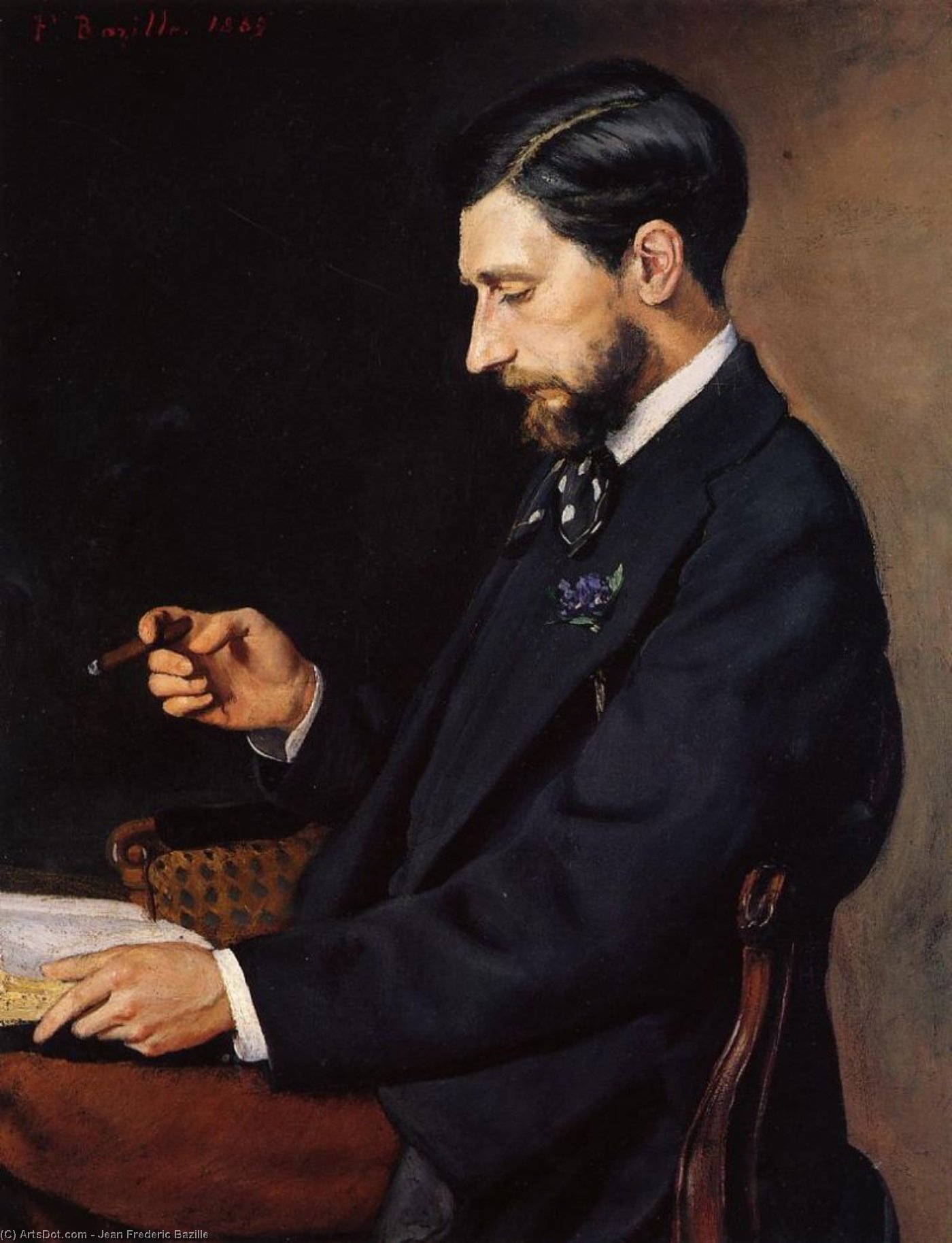
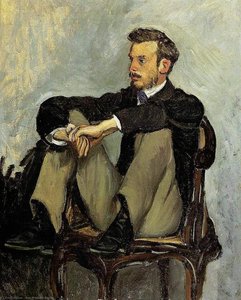
Portrait of Edmond Maitre


 Ver más
Adquiera una imagen digital de alta resolución y optimizada, muy superior a la vista previa en línea.
Cada archivo es preparado meticulosamente por nuestros especialistas internos mediante el uso de herramientas avanzadas y un experto retoque manual. Nos aseguramos de que cada imagen posea una claridad excepcional, una precisión cromática impecable y un detalle minucioso.
El archivo final se entrega por correo electrónico en un plazo de 72 horas, optimizado para su uso inmediato en entornos profesionales, editoriales y de impresión. Esta es la misma calidad en la que confían los estudios de diseño, las editoriales y las galerías de primer nivel.
Imagen Digital
Descarga un archivo de alta resolución para exhibición personal, impresión y proyectos creativos. ( Comprar impresión Comprar pintura hecha a mano)
Incluido en cada pedido de imágenes digitales
Entrega digital experta, garantizada.
Al elegir ArtsDot.com, no solo está adquiriendo una imagen; está recibiendo una obra de arte digital mejorada profesionalmente, elaborada con precisión y respaldada por una garantía de satisfacción. Esto es todo lo que incluye su pedido, automáticamente:

Entrega rápida por email
Recibirá su archivo de imagen digital en alta resolución por correo electrónico en un plazo de 72 horas tras realizar su pedido, listo para su uso inmediato.

Archivo digital optimizado por IA
Su obra de arte se optimiza profesionalmente mediante herramientas avanzadas de IA y edición manual, garantizando el máximo detalle, claridad y precisión cromática.

Reenvío gratuito de por vida
¿Has borrado o perdido tu archivo por error? No te preocupes: te lo volveremos a enviar en cualquier momento, sin coste adicional.

Sin gastos de importación, siempre
Disfrute de su obra de arte al instante sin aduanas, aranceles ni gastos de envío; las descargas digitales siempre están libres de impuestos.

Garantía de fidelidad de color
Garantizamos que su imagen digital refleje los colores originales con la mayor fidelidad posible, mediante el uso de herramientas profesionales y gestión del color.

Garantía de satisfacción de 60 días
Si no está satisfecho con su imagen digital, la revisaremos o le reembolsaremos el 100% en un plazo de 60 días, sin preguntas.

100% Garantía de devolución de dinero
¿No está satisfecho? Obtenga un reembolso completo dentro de los 60 días posteriores a la recepción de su archivo digital, sin necesidad de explicaciones.

Descuentos por pedidos grandes
Compra 3 imágenes, ahorra 10% - Compra 5, ahorra 15% - Compra 10+, ahorra 20%. Ideal para proyectos creativos, galerías y agencias.
Descripción del coleccionable
A Study in Quiet Dignity: The Soul of Edmond Maitre
In the quiet corners of art history, certain works possess the power to halt time, offering a window into a moment of profound stillness. Jean Frédéric Bazille’s “Portrait of Edmond Maitre,” completed in 1869, is precisely such a masterpiece. It is not merely a formal depiction of a man; it is an evocative exploration of intellect, solitude, and a subtly conveyed melancholy that resonates deeply with the viewer. As we gaze upon the profile of Maitre, we are drawn into a world where the boundaries between Realism and the burgeoning Impressionist movement blur, creating a portrait that feels both grounded in physical reality and elevated by emotional depth.
The painting captures a man lost in thought, his presence defined by a dignified composure. Bazille masterfully centers the figure, utilizing a strong vertical axis to guide our eyes upward toward the subject's face—the undeniable focal point of this composition. There is an unmistakable sense of gravity here; the way Maitre sits, perhaps engaged in writing or deep contemplation, suggests a life of intellectual rigor and quiet introspection. For the collector or the interior designer, this piece offers a sophisticated anchor for a room, bringing a sense of scholarly calm and timeless elegance to any curated space.
The Mastery of Light, Shadow, and Texture
Technically, the work is a triumph of 19 مت century oil painting. Bazille employs a sophisticated interplay of light and shadow, often referred to as chiaroscuro, to sculpt the subject's features and create a palpable sense of three-dimensional form. The lighting is dramatic yet controlled, illuminating the contours of Maitre’s face and the crisp edges of his attire while allowing deep, velvety shadows to recede into the background. This contrast does more than just create depth; it imbues the portrait with a psychological weight, mirroring the complexity of the human spirit.
A closer inspection reveals Bazille's meticulous commitment to material truth. The artist’s brushwork, while smooth in the rendering of skin tones, becomes wonderfully textured when depicting the heavy fabric of the subject's coat. One can almost feel the weight and weave of the cloth through the layered application of oil paint. This attention to detail is complemented by a somber, sophisticated color palette dominated by blacks, navy blues, and deep greys, punctuated only by the most subtle hints of color—a touch of purple in a tie or a delicate floral accent—which prevents the composition from feeling heavy and instead lends it an air of refined grace.
A Legacy of Brilliance and Transition
To understand this portrait is to understand a pivotal moment in the evolution of modern art. Created on the cusp of the Impressionist revolution, the work sits at a fascinating crossroads. While Bazille’s technique retains the precision and formal structure of the Realist tradition, his sensitivity to light and atmosphere foreshadows the radical shifts brought about by his contemporaries, such as Monet and Renoir. There is a palpable sense of vulnerability in this work, perhaps a reflection of Bazille’s own life; the artist would tragically pass away at the young age of 28, leaving behind a legacy that was as brilliant as it was brief.
For those seeking to adorn their homes with art that tells a story, “Portrait of Edmond Maitre” serves as an exquisite choice. It is a piece that invites conversation and contemplation, offering a sense of historical continuity and emotional resonance. Whether placed in a private library, a formal study, or a contemporary living area, this reproduction brings with it the quiet strength of a bygone era, reminding us of the enduring power of the human intellect and the beauty found in moments of silent reflection.
Obras relacionadas
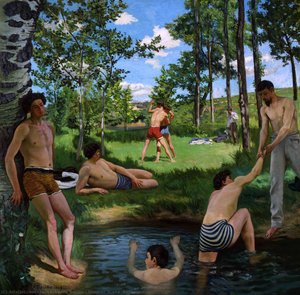
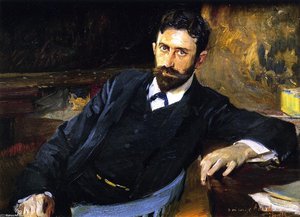
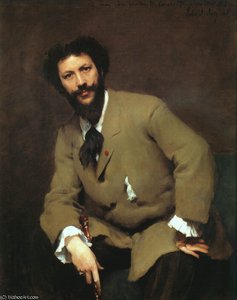
Biografía del artista
Primeros años y formación
Jean Frédéric Bazille, pintor impresionista francés, nació el 6 de diciembre de 1841 en Montpellier, Hérault, Languedoc-Rosellón, Francia. Provenía de una familia protestante acomodada. Tras inspirarse en las obras de Eugène Delacroix, la familia de Bazille accedió a permitirle estudiar pintura, pero solo si también estudiaba medicina.Carrera artística
Bazille comenzó a estudiar medicina en 1859 y se trasladó a París en 1862 para continuar sus estudios. Allí conoció a Pierre-Auguste Renoir y Alfred Sisley, y se sintió atraído por la pintura impresionista. Comenzó a tomar clases en el estudio de Charles Gleyre. Tras suspender su examen médico en 1864, comenzó a pintar a tiempo completo. Alquiló su primer estudio en 1864, para luego compartir talleres con Renoir y Monet en 1865.Estilo y obras destacadas
Los amigos cercanos de Bazille incluían a Claude Monet, Alfred Sisley y Édouard Manet. Era generoso con su riqueza, apoyando a sus compañeros menos afortunados brindándoles espacio en su estudio y materiales para usar. Algunas de sus obras más notables incluyen:- El vestido rosa (c. 1864, Musée d'Orsay, París)
- Reunión familiar (1867–1868, Musée d'Orsay, París)
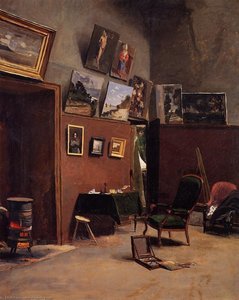
- Estudio en la rue de Furstenberg (1865, Musée Fabre, Fogg Art Museum, Cambridge, Massachusetts)
Influencias y desarrollo
Bazille estuvo influenciado por artistas realistas como Gustave Courbet y las primeras obras de Édouard Manet. Su formación en el estudio de Charles Gleyre le proporcionó una base sólida en la técnica artística tradicional, pero su asociación con Monet y Renoir lo llevó a experimentar con la pintura al aire libre (*en plein air*) y a capturar los efectos cambiantes de la luz y la atmósfera. Su obra refleja una combinación única de realismo y elementos impresionistas, creando un estilo distintivo que se distingue por su enfoque en la figura humana dentro del paisaje.Muerte prematura y legado
En agosto de 1870, Bazille se unió a un regimiento de zouaves durante el conflicto franco-prusiano. El 28 de noviembre de 1870, murió en acción a los 28 años en la batalla de Beaune-la-Rolande. A pesar de su corta carrera, Bazille dejó un legado importante como uno de los pioneros del impresionismo. Sus obras se encuentran ahora en importantes museos de todo el mundo y son apreciadas por su belleza, originalidad y su contribución al desarrollo del arte moderno. Su amistad con Monet, Renoir y otros artistas clave del movimiento impresionista lo convirtió en una figura fundamental en la historia del arte francés.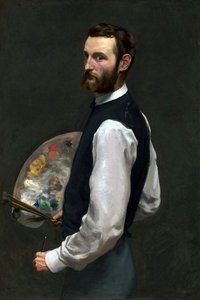
Jean Frédéric Bazille
1841 - 1870 , Francia
Breves datos
- Artistas Que Influyeron: ['Eugène Delacroix']
- Fecha De Muerte: 28 de noviembre de 1870
- Fecha De Nacimiento: 6 de diciembre de 1841
- Lugar De Nacimiento: Montpellier, Francia
- Movimiento Artístico: Impresionismo
- Nacionalidad: Francesa
- Nombre Completo: Jean Frédéric Bazille
- Obras Notables:
- El vestido rosa
- Reunión familiar
- Estudio en la rue de Furstenberg

