 Ver en contexto
 Enviar
 Compartir
 Detalles

 Descargar
 Similares
 Radiografía
 Presentación de diapositivas
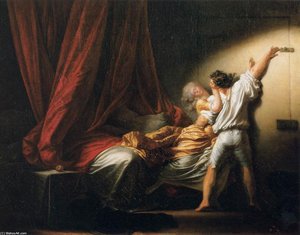
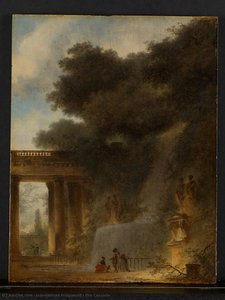
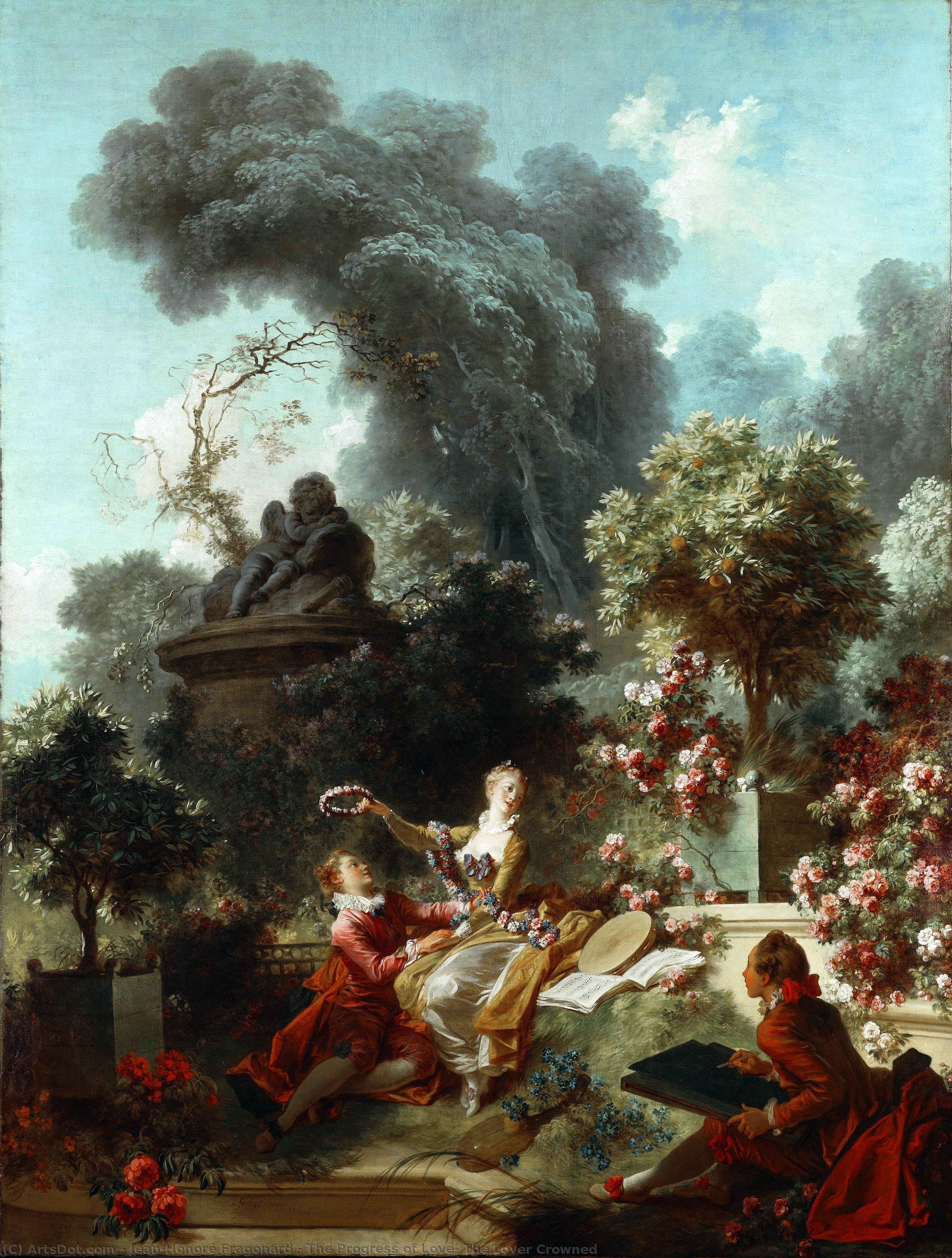
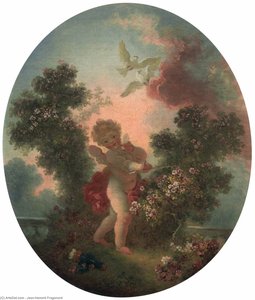
The Progress of Love: The Lover Crowned
 Óleo sobre lienzo
- Arte de pared
- Rococo
 1771
1771 318.0 x 243.0 cm
 Colección Frick
 Ver más
Giclée / Impresión de arte
Impresiones giclée o en lienzo de calidad de museo con producción rápida y opciones de acabado flexibles. ( Comprar pintura hecha a mano Comprar imagen)




P118B $10

P118H $10

P118W $10

P438Z $10

P508JH $12

P508YH $12

P805H $10

P805Z $10

P919BZ $10

P919G $10

P919XJ $10

P959ZH $10

P968JZ $12

W106C $8

W218G $10

W218JH $8

W218Y $10

W307PJ $10

W316G $10

W316PJ $8

W316Y $10

W398PJ $8

W4111J $10

W500HY $15

W500JH $15

W692G $12

W849H $8

W940BG $15

W953PJ $8




Elija entre nuestros tamaños predefinidos que respetan las proporciones originales de la obra.

Puede introducir sus propias dimensiones para adaptarse a un marco o espacio específico. Si el tamaño seleccionado no coincide con las proporciones de la imagen original, recortaremos la obra de arte o extenderemos la imagen con un borde con efecto espejo o de color sólido. Se enviará una maqueta digital para su aprobación antes de que comience la producción.
Tenga en cuenta que la vista previa en pantalla no refleja el recorte o la extensión real. Solo la maqueta mostrará con precisión la composición final.
Aunque existen tamaños personalizados, recomendamos seleccionar una dimensión de la lista predefinida para preservar las proporciones originales.
Envío a todo el mundo () en 2 semanas en lugar de las 4/5 semanas estándar. (27 agosto)

Envío exprés gratuito a todo el mundo

Lienzo de lino de alta calidad

Seguro de envío total

Garantía de reembolso de impuestos aduaneros

Garantía de fidelidad cromática exacta

Política de devolución de 60 días (solo por defectos)

Garantía de devolución del 100% del dinero

Descuento por cantidad
 La opción de vidrio solo está disponible en tamaños inferiores a 110 cm.

The Progress of Love: The Lover Crowned
Giclée / Impresión de arte
Dimensiones de la reproducción
-


Precio total final
$ 62
The Progress of Love: The Lover Crowned – A Rococo Reverie
Jean-Honoré Fragonard’s “The Progress of Love: The Lover Crowned,” completed in 1771, stands as a quintessential emblem of the Rococo artistic movement and a poignant reflection on the complexities of courtship during Louis XV's reign. Commissioned by Madame du Barry, the flamboyant mistress of the King, this monumental oil painting – measuring an impressive 318 x 243 cm – resides within the esteemed Frick Collection in New York City, offering visitors a privileged glimpse into a world steeped in opulent beauty and veiled sensuality.- Composition & Setting: The canvas depicts a serene outdoor tableau featuring two lovers seated upon a stone bench adorned with an abundance of roses—a deliberate visual cue referencing the central theme of the series “The Progress of Love.” Surrounding them is a lively garden scene populated by figures engaged in animated conversations and activities, creating an atmosphere brimming with joy and celebration.
- Style & Technique: Fragonard’s masterful brushwork characterizes his distinctive Rococo style—characterized by loose, flowing lines and delicate pastel hues—a stylistic departure from the rigid formalism of Neoclassicism that dominated artistic circles at the time. The artist skillfully employs chiaroscuro (light and shadow) to sculpt form and imbue the scene with depth and realism, capturing the ephemeral beauty of a fleeting moment.
- Historical Context: “The Progress of Love” is part of a larger quartet commissioned by Madame du Barry, intended to chronicle the four stages of romantic affection—proposal, meeting, consummation, and blissful union. The series reflects the prevailing social mores of the era, where aristocratic courtship involved elaborate rituals and symbolic gestures designed to solidify bonds of affection.
- Symbolism & Imagery: The crowning gesture performed by the woman symbolizes not merely physical intimacy but also spiritual unity—a testament to the transformative power of love. Roses, universally recognized as emblems of passion and devotion, permeate the composition, reinforcing the painting’s overarching message.
- Emotional Impact: “The Progress of Love” transcends mere visual representation; it evokes a profound emotional response in viewers—capturing the tenderness, vulnerability, and exhilaration inherent in the pursuit of romantic happiness. Its enduring appeal lies in its ability to transport us back to a bygone era while simultaneously resonating with timeless themes of desire and connection.
Provenance & Legacy
The painting’s journey through history began with its initial creation for Madame du Barry, subsequently returning to Fragonard's atelier before finding its permanent home in the Wallace Collection in London. Its subsequent acquisition by J. Pierpont Morgan solidified its place as a cornerstone of American art heritage. Today, “The Progress of Love” continues to inspire artists and collectors alike—serving as a poignant reminder of the enduring beauty and expressive power of Rococo artistry.Reproductions & Appreciation
ArtsDot offers meticulously crafted oil painting reproductions that faithfully capture the intricate details and vibrant colors of Fragonard’s masterpiece, allowing art enthusiasts to experience its splendor firsthand. These reproductions are produced using archival-quality materials—ensuring their longevity and preserving the original artwork's aesthetic integrity. Explore “The Progress of Love” – a timeless testament to romantic passion and artistic brilliance – at ArtsDot today!Further Exploration
For deeper insights into Jean-Honoré Fragonard’s life and oeuvre, visit Jean-Honoré Fragonard: The Progress of Love: The Lover Crowned on ArtsDot. Additionally, delve into scholarly analyses examining the painting's stylistic innovations and its contribution to the broader artistic landscape of the Enlightenment period.Obras relacionadas

Biografía del artista
Primeros años y formación
Jean-Honoré Fragonard, un destacado pintor y grabador francés, nació el 4 de abril de 1732 en Grasse, Alpes Marítimos. Su padre, François Fragonard, era guantero, y su madre, Françoise Petit, ama de casa. A los dieciocho años, Fragonard fue aprendiz de François Boucher, un artista renombrado, donde perfeccionó sus habilidades artísticas.Carrera artística
La carrera artística de Fragonard puede dividirse en varias fases:- Primeros trabajos (1750s): Fragonard obtuvo el premio de Roma en 1752 con una pintura de Jeroboam sacrificando al becerro dorado. Posteriormente, estudió bajo Charles-André van Loo durante tres años.
- Influencias italianas (1760s): Fragonard entabló amistad con el pintor Hubert Robert y realizó una gira por Italia, ejecutando numerosos bocetos de paisajes locales. Este período marcó el desarrollo de su estilo característico.
- Madurez rococó (1770s): Las pinturas de Fragonard de este período, como "El Columpio" (1767) y "La broma del engaño" (1780), exhiben su dominio del estilo rococó.
- Neoclasicismo (finales de 1770s): Fragonard experimentó con el neoclasicismo, como se evidencia en su obra "Retrato de Denis Diderot" (1769).
Estilo y Temas
El estilo rococó de Fragonard se caracteriza por su elegancia, sensualidad y una atmósfera juguetona. Sus obras a menudo representan escenas galantes, retratos íntimos y paisajes idílicos. Utilizaba colores vibrantes y pinceladas suaves para crear una sensación de ligereza y movimiento. Sus temas se centraban en la vida aristocrática, el amor cortesano y los placeres mundanos, reflejando las tendencias artísticas de su época.Logros y Legado
Fragonard fue un artista prolífico que produjo más de 500 pinturas y miles de dibujos. Su obra "El Columpio" es quizás su pintura más famosa y se considera una representación icónica del estilo rococó. Fragonard influyó en generaciones posteriores de artistas, y su legado perdura como uno de los principales exponentes del arte rococó francés. Sus obras se encuentran en importantes museos de todo el mundo, incluyendo el Louvre.Años Finales y Muerte
A pesar de la llegada del Neoclasicismo y las turbulencias de la Revolución Francesa, Fragonard continuó pintando hasta sus últimos años. Murió en París el 22 de agosto de 1806, dejando tras de sí un vasto cuerpo de trabajo que celebra la belleza y el placer de la vida.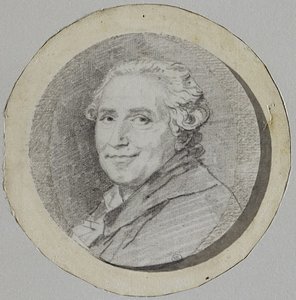
Jean-Honoré Fragonard
1732 - 1806 , Francia
Datos clave
- Artistas Que Influyeron:
- François Boucher
- Charles-André van Loo
- Estilo Artístico: Rococó
- Fecha De Fallecimiento: 22 de agosto de 1806
- Fecha De Nacimiento: 4 de abril de 1732
- Influenciado A Artistas: ['Alexandre Evariste Fragonard']
- Lugar De Nacimiento: Grasse, Francia
- Nacionalidad: Francesa
- Nombre Completo: Jean-Honoré Fragonard
- Obras Notables:
- El Columpio
- La Familia Italiana
- Retrato de una joven
- El Voto de Amor
Artículos relacionados
The Rococo Reverie of Fragonard: Love, Leisure & Pleasure in 18th-Century France
Explore the captivating world of Jean-Honoré Fragonard! Discover his Rococo masterpieces, intimate portraits & the allure of 18th-century French art. Learn about 'The Progress of Love' and more at ArtsDot.

Rococó: 10 Obras Maestras que Definieron una Época | Arte y Decoración en
Descubre las 10 obras maestras del Rococó que marcaron una época. Explora la elegancia de Fragonard, Boucher y Watteau en . Reproducciones de arte de calidad museo para decorar tu hogar con estilo.
Illuminating the Enlightenment: A Comprehensive Exploration of 18th-Century Painting
Explore the captivating world of 18th-century painting! Discover Rococo's playful elegance & Neoclassicism’s Enlightenment ideals with expert insights into Fragonard, David, and more. A comprehensive guide for art enthusiasts.

La Estética Rococó: Opulencia, Rebelión y Placer en el Arte del Siglo XVIII
Descubre la fascinante estética rococó: su historia, características clave y los artistas más influyentes del siglo XVIII. Un análisis profundo para amantes del arte y coleccionistas.
El Siglo XVIII en el Arte: 10 Obras Maestras para Decorar con Historia y Elegancia
Descubre 10 obras maestras del siglo XVIII: Goya, Fragonard y más. Explora la historia, el arte barroco, rococó y neoclasicismo que inspiran decoración elegante. Reproducciones de alta calidad en ArtsDot.com.