

 Ver en contexto
 Enviar
 Compartir
 Detalles

 Descargar
 Similares
 Radiografía
 Presentación de diapositivas
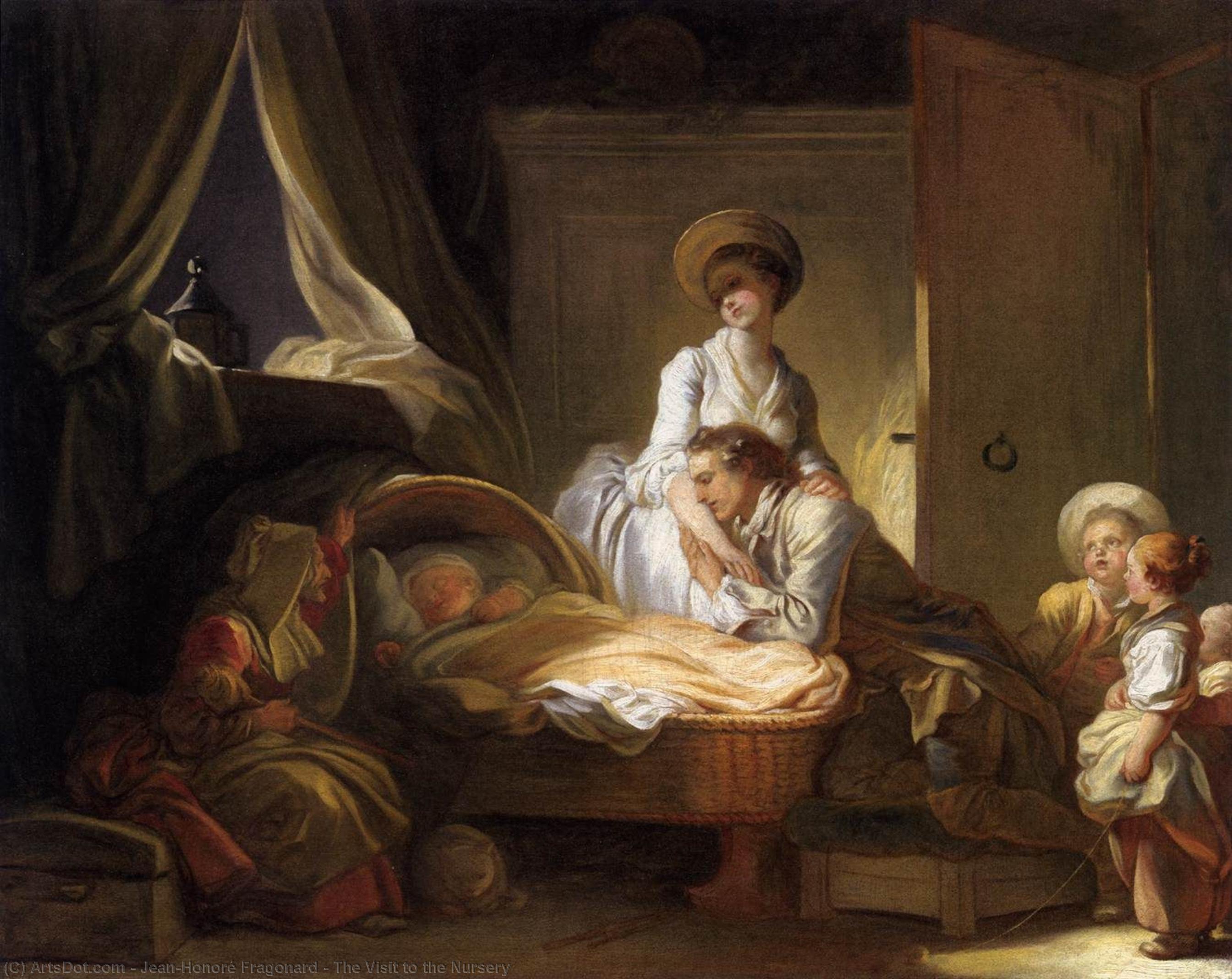
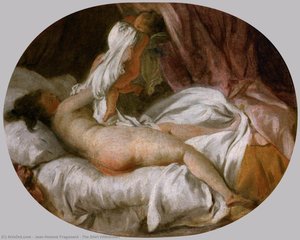
The Visit to the Nursery
 Oil On Canvas
- WallArt
- Rococo
 1775
1775 73.0 x 92.0 cm
 Galería Nacional de Arte
 Ver más
Adquiera una imagen digital de alta resolución y optimizada, muy superior a la vista previa en línea.
Cada archivo es preparado meticulosamente por nuestros especialistas internos mediante el uso de herramientas avanzadas y un experto retoque manual. Nos aseguramos de que cada imagen posea una claridad excepcional, una precisión cromática impecable y un detalle minucioso.
El archivo final se entrega por correo electrónico en un plazo de 72 horas, optimizado para su uso inmediato en entornos profesionales, editoriales y de impresión. Esta es la misma calidad en la que confían los estudios de diseño, las editoriales y las galerías de primer nivel.
Imagen Digital
Descarga un archivo de alta resolución para exhibición personal, impresión y proyectos creativos. ( Comprar impresión Comprar pintura hecha a mano)
Incluido en cada pedido de imágenes digitales
Entrega digital experta, garantizada.
Al elegir ArtsDot.com, no solo está adquiriendo una imagen; está recibiendo una obra de arte digital mejorada profesionalmente, elaborada con precisión y respaldada por una garantía de satisfacción. Esto es todo lo que incluye su pedido, automáticamente:

Entrega rápida por email
Recibirá su archivo de imagen digital en alta resolución por correo electrónico en un plazo de 72 horas tras realizar su pedido, listo para su uso inmediato.

Archivo digital optimizado por IA
Su obra de arte se optimiza profesionalmente mediante herramientas avanzadas de IA y edición manual, garantizando el máximo detalle, claridad y precisión cromática.

Reenvío gratuito de por vida
¿Has borrado o perdido tu archivo por error? No te preocupes: te lo volveremos a enviar en cualquier momento, sin coste adicional.

Sin gastos de importación, siempre
Disfrute de su obra de arte al instante sin aduanas, aranceles ni gastos de envío; las descargas digitales siempre están libres de impuestos.

Garantía de fidelidad de color
Garantizamos que su imagen digital refleje los colores originales con la mayor fidelidad posible, mediante el uso de herramientas profesionales y gestión del color.

Garantía de satisfacción de 60 días
Si no está satisfecho con su imagen digital, la revisaremos o le reembolsaremos el 100% en un plazo de 60 días, sin preguntas.

100% Garantía de devolución de dinero
¿No está satisfecho? Obtenga un reembolso completo dentro de los 60 días posteriores a la recepción de su archivo digital, sin necesidad de explicaciones.

Descuentos por pedidos grandes
Compra 3 imágenes, ahorra 10% - Compra 5, ahorra 15% - Compra 10+, ahorra 20%. Ideal para proyectos creativos, galerías y agencias.
Descripción del coleccionable
A Moment of Tender Vigilance: Jean-Honoré Fragonard’s “The Visit to the Nursery”
Jean-Honoré Fragonard's "The Visit to the Nursery," painted around 1775, is more than just a charming domestic scene; it’s a poignant meditation on motherhood, vulnerability, and the quiet strength of familial love. Held within the esteemed collection of the National Gallery of Art in Washington D.C., this Rococo masterpiece invites us into a world of delicate beauty and subtle emotion, capturing a fleeting moment of profound connection between a woman and her sleeping infant.
The painting immediately establishes a sense of serene tranquility. A young girl, dressed in a vibrant pink gown, playfully interacts with a man – likely the child’s father – while his wife attentively watches over their sleeping baby nestled within a woven basket. The composition is masterfully executed, adhering to the principles of Rococo art through its pyramidal structure and emphasis on graceful forms. Fragonard skillfully employs light and shadow to draw our attention to the central figures, particularly the faces of the women, imbuing them with an air of both tenderness and quiet concern.
The Language of Rococo: Style and Technique
Fragonard’s style is quintessential Rococo – characterized by its lightness, elegance, and a deliberate avoidance of rigid formality. Unlike the grand narratives favored in earlier periods, this painting focuses on intimate details and subtle gestures. The brushwork is remarkably fluid and loose, creating a sense of movement and spontaneity that mirrors the playful interaction between the figures. Notice how Fragonard uses delicate layering of paint to render the textures of the fabrics – the soft folds of the gown, the rough weave of the basket – adding depth and realism to the scene.
The color palette is dominated by warm, inviting tones: creams, browns, and golds create a sense of warmth and domestic comfort. Subtle touches of cooler blues and whites in the background provide contrast and enhance the overall harmony of the composition. The artist’s masterful use of chiaroscuro – the interplay of light and shadow – dramatically highlights key areas, drawing our eye to the faces of the figures and emphasizing their emotional expressions.
A Window into 18th-Century Life
"The Visit to the Nursery" offers a fascinating glimpse into the social and cultural landscape of 18th-century France. During this period, motherhood was increasingly valued as a cornerstone of society, and the image of the devoted mother nurturing her children held immense symbolic significance. Fragonard’s painting reflects these prevailing attitudes while simultaneously imbuing the scene with a sense of understated elegance and charm.
The setting itself – a nursery filled with simple comforts and surrounded by lush greenery – speaks to the growing emphasis on domesticity during this era. The inclusion of the young girl adds a touch of youthful innocence, further reinforcing the painting’s theme of familial love and continuity. It's important to note that Fragonard was working in a time when depictions of motherhood were evolving, moving away from purely religious themes towards more secular representations of family life.
Symbolism and Emotional Resonance
Beyond its surface beauty, “The Visit to the Nursery” is rich in symbolism. The sleeping infant represents vulnerability and innocence, while the attentive mother embodies protection and care. The man’s presence suggests a shared responsibility for nurturing the child, highlighting the importance of both parents in raising a family. The playful interaction between the girl and her father hints at the joys of childhood and the promise of future generations.
Ultimately, Fragonard's masterpiece evokes a powerful sense of tenderness and quiet devotion. It’s a reminder of the profound emotional bonds that connect us to our families and the enduring beauty of simple moments shared within the walls of home. The painting’s timeless appeal lies in its ability to resonate with viewers across generations, capturing a universal truth about the joys and challenges of motherhood.
Obras relacionadas


Biografía del artista
Primeros años y formación
Jean-Honoré Fragonard, un destacado pintor y grabador francés, nació el 4 de abril de 1732 en Grasse, Alpes Marítimos. Su padre, François Fragonard, era guantero, y su madre, Françoise Petit, ama de casa. A los dieciocho años, Fragonard fue aprendiz de François Boucher, un artista renombrado, donde perfeccionó sus habilidades artísticas.Carrera artística
La carrera artística de Fragonard puede dividirse en varias fases:- Primeros trabajos (1750s): Fragonard obtuvo el premio de Roma en 1752 con una pintura de Jeroboam sacrificando al becerro dorado. Posteriormente, estudió bajo Charles-André van Loo durante tres años.
- Influencias italianas (1760s): Fragonard entabló amistad con el pintor Hubert Robert y realizó una gira por Italia, ejecutando numerosos bocetos de paisajes locales. Este período marcó el desarrollo de su estilo característico.
- Madurez rococó (1770s): Las pinturas de Fragonard de este período, como "El Columpio" (1767) y "La broma del engaño" (1780), exhiben su dominio del estilo rococó.
- Neoclasicismo (finales de 1770s): Fragonard experimentó con el neoclasicismo, como se evidencia en su obra "Retrato de Denis Diderot" (1769).
Estilo y Temas
El estilo rococó de Fragonard se caracteriza por su elegancia, sensualidad y una atmósfera juguetona. Sus obras a menudo representan escenas galantes, retratos íntimos y paisajes idílicos. Utilizaba colores vibrantes y pinceladas suaves para crear una sensación de ligereza y movimiento. Sus temas se centraban en la vida aristocrática, el amor cortesano y los placeres mundanos, reflejando las tendencias artísticas de su época.Logros y Legado
Fragonard fue un artista prolífico que produjo más de 500 pinturas y miles de dibujos. Su obra "El Columpio" es quizás su pintura más famosa y se considera una representación icónica del estilo rococó. Fragonard influyó en generaciones posteriores de artistas, y su legado perdura como uno de los principales exponentes del arte rococó francés. Sus obras se encuentran en importantes museos de todo el mundo, incluyendo el Louvre.Años Finales y Muerte
A pesar de la llegada del Neoclasicismo y las turbulencias de la Revolución Francesa, Fragonard continuó pintando hasta sus últimos años. Murió en París el 22 de agosto de 1806, dejando tras de sí un vasto cuerpo de trabajo que celebra la belleza y el placer de la vida.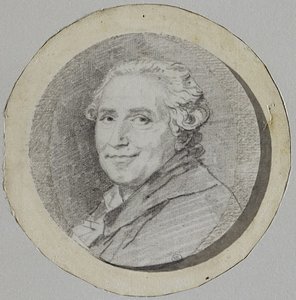
Jean-Honoré Fragonard
1732 - 1806 , Francia
Breves datos
- Artistas Que Influyeron:
- François Boucher
- Charles-André van Loo
- Estilo Artístico: Rococó
- Fecha De Fallecimiento: 22 de agosto de 1806
- Fecha De Nacimiento: 4 de abril de 1732
- Influenciado A Artistas: ['Alexandre Evariste Fragonard']
- Lugar De Nacimiento: Grasse, Francia
- Nacionalidad: Francesa
- Nombre Completo: Jean-Honoré Fragonard
- Obras Notables:
- El Columpio
- La Familia Italiana
- Retrato de una joven
- El Voto de Amor

