 Ver en contexto
 Enviar
 Compartir
 Detalles

 Descargar
 Similares
 Radiografía
 Presentación de diapositivas
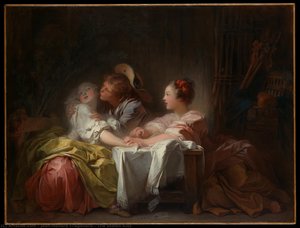
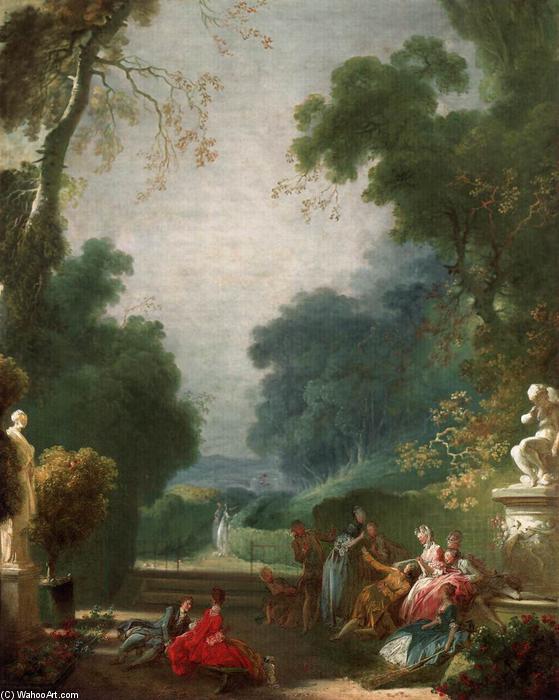
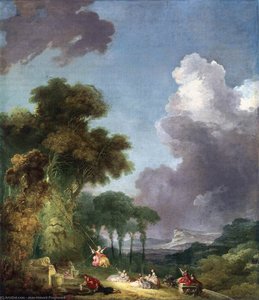
Un Juego de Cockles Calientes
 Óleo sobre lienzo
- Arte de pared
- Rococo Elegance
 1775
1775 116.0 x 92.0 cm
 Galería Nacional de Arte
 Ver más
Giclée / Impresión de arte
Impresiones giclée o en lienzo de calidad de museo con producción rápida y opciones de acabado flexibles. ( Comprar pintura hecha a mano Comprar imagen)




P118B $10

P118H $10

P118W $10

P438Z $10

P508JH $12

P508YH $12

P805H $10

P805Z $10

P919BZ $10

P919G $10

P919XJ $10

P959ZH $10

P968JZ $12

W106C $8

W218G $10

W218JH $8

W218Y $10

W307PJ $10

W316G $10

W316PJ $8

W316Y $10

W398PJ $8

W4111J $10

W500HY $15

W500JH $15

W692G $12

W849H $8

W940BG $15

W953PJ $8




Elija entre nuestros tamaños predefinidos que respetan las proporciones originales de la obra.

Puede introducir sus propias dimensiones para adaptarse a un marco o espacio específico. Si el tamaño seleccionado no coincide con las proporciones de la imagen original, recortaremos la obra de arte o extenderemos la imagen con un borde con efecto espejo o de color sólido. Se enviará una maqueta digital para su aprobación antes de que comience la producción.
Tenga en cuenta que la vista previa en pantalla no refleja el recorte o la extensión real. Solo la maqueta mostrará con precisión la composición final.
Aunque existen tamaños personalizados, recomendamos seleccionar una dimensión de la lista predefinida para preservar las proporciones originales.
Envío a todo el mundo () en 2 semanas en lugar de las 4/5 semanas estándar. (26 agosto)

Envío exprés gratuito a todo el mundo

Lienzo de lino de alta calidad

Seguro de envío total

Garantía de reembolso de impuestos aduaneros

Garantía de fidelidad cromática exacta

Política de devolución de 60 días (solo por defectos)

Garantía de devolución del 100% del dinero

Descuento por cantidad
 La opción de vidrio solo está disponible en tamaños inferiores a 110 cm.

Un Juego de Cockles Calientes
Giclée / Impresión de arte
Dimensiones de la reproducción
-


Precio total final
$ 62
Descripción de la pieza
Jean-Honoré Fragonard: A Dance of Light and Sensuality
Jean-Honoré Fragonard (1732-1806) stands as one of the undisputed masters of Rococo, an artistic movement that flourished in France during Louis XV’s reign—a period characterized by opulent extravagance, aristocratic indulgence, and a profound fascination with beauty and pleasure. Unlike the solemn grandeur of Neoclassicism, Fragonard's canvases pulsate with vibrant color, playful composition, and an irresistible invitation to escape into a world of carefree delight.
- Subject Matter: Fragonard’s paintings rarely depict grand historical narratives or moralizing themes. Instead, he favored scenes from everyday life—particularly those involving courtship rituals, pastoral landscapes, and intimate moments between lovers. His subjects often embody idealized beauty and youthful exuberance, reflecting the prevailing sensibilities of his time.
- Style: The Rococo style is instantly recognizable by its delicate brushstrokes, asymmetrical arrangements, and a masterful use of light and shadow. Fragonard’s technique—characterized by loose, flowing lines—creates an atmosphere of airy grace and spontaneity. He skillfully blended tonal harmonies with dazzling highlights, capturing the ephemeral quality of fleeting emotions and sensations.
- Technique: Primarily employing oil paint on canvas, Fragonard utilized a glazing technique that allowed him to build up layers of color gradually, achieving remarkable luminosity and depth. His meticulous attention to detail—particularly in rendering fabrics and foliage—contributed to the illusionistic realism of his works.
- Historical Context: Fragonard’s artistic output coincided with the zenith of Louis XV's reign, a time when aristocratic salons were centers of social and cultural activity. The artist’s paintings served as visual expressions of the era’s hedonistic ideals—celebrating sensual pleasure and embracing the pursuit of beauty for its own sake.
- Symbolism: Recurring motifs in Fragonard's oeuvre—such as doves, garlands of flowers, and musical instruments—carried symbolic significance rooted in classical mythology and humanist philosophy. These elements conveyed messages of love, fertility, harmony, and spiritual aspiration, reflecting the intellectual currents of the Enlightenment.
“The Swing”: A Masterpiece of Rococo Elegance
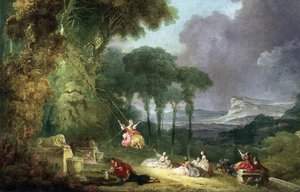
"The Swing," housed at the Wallace Collection in London, exemplifies Fragonard’s signature style with breathtaking precision. The painting depicts a young woman descending from a swing—accompanied by her lover and attended by a mischievous monkey—creating an unforgettable tableau of aristocratic leisure and flirtatious intrigue. Observe how Fragonard captures the movement of the swing through subtle tonal variations and dynamic brushstrokes, conveying a palpable sense of energy and vitality.
Considerations for Reproduction:A high-quality reproduction of “The Swing” will faithfully recreate Fragonard’s masterful use of color and texture. Utilizing archival pigments and printing techniques ensures that the artwork retains its original luminosity and vibrancy—allowing viewers to appreciate the artist's unparalleled skill in capturing the essence of Rococo elegance.
Beyond Technique: Emotional Resonance
More than just a visually stunning depiction, “The Swing” resonates with profound emotional depth. Fragonard’s portrayal of youthful passion—expressed through gestures and expressions—captures the fleeting beauty of human desire. The painting's playful atmosphere invites contemplation on themes of love, intimacy, and social convention—provoking viewers to reflect on their own experiences of pleasure and connection.
- Color Palette: Fragonard’s masterful color palette—characterized by pastel hues and shimmering highlights—creates an ethereal ambiance that enhances the painting's sensual appeal.
- Composition: The asymmetrical arrangement of figures—combined with the diagonal sweep of the swing—contributes to the dynamism of the scene, drawing the eye across the canvas and immersing viewers in its captivating narrative.
- Light & Shadow: Fragonard’s skillful manipulation of light and shadow—particularly the dappled sunlight filtering through the foliage—creates a sense of depth and realism while simultaneously emphasizing the contours of the figures and enhancing their expressive qualities.
A reproduction of “The Swing” offers an opportunity to experience Fragonard's artistic genius firsthand—bringing the splendor of Rococo into any interior space.
Obras relacionadas
Biografía del artista
Primeros años y formación
Jean-Honoré Fragonard, un destacado pintor y grabador francés, nació el 4 de abril de 1732 en Grasse, Alpes Marítimos. Su padre, François Fragonard, era guantero, y su madre, Françoise Petit, ama de casa. A los dieciocho años, Fragonard fue aprendiz de François Boucher, un artista renombrado, donde perfeccionó sus habilidades artísticas.Carrera artística
La carrera artística de Fragonard puede dividirse en varias fases:- Primeros trabajos (1750s): Fragonard obtuvo el premio de Roma en 1752 con una pintura de Jeroboam sacrificando al becerro dorado. Posteriormente, estudió bajo Charles-André van Loo durante tres años.
- Influencias italianas (1760s): Fragonard entabló amistad con el pintor Hubert Robert y realizó una gira por Italia, ejecutando numerosos bocetos de paisajes locales. Este período marcó el desarrollo de su estilo característico.
- Madurez rococó (1770s): Las pinturas de Fragonard de este período, como "El Columpio" (1767) y "La broma del engaño" (1780), exhiben su dominio del estilo rococó.
- Neoclasicismo (finales de 1770s): Fragonard experimentó con el neoclasicismo, como se evidencia en su obra "Retrato de Denis Diderot" (1769).
Estilo y Temas
El estilo rococó de Fragonard se caracteriza por su elegancia, sensualidad y una atmósfera juguetona. Sus obras a menudo representan escenas galantes, retratos íntimos y paisajes idílicos. Utilizaba colores vibrantes y pinceladas suaves para crear una sensación de ligereza y movimiento. Sus temas se centraban en la vida aristocrática, el amor cortesano y los placeres mundanos, reflejando las tendencias artísticas de su época.Logros y Legado
Fragonard fue un artista prolífico que produjo más de 500 pinturas y miles de dibujos. Su obra "El Columpio" es quizás su pintura más famosa y se considera una representación icónica del estilo rococó. Fragonard influyó en generaciones posteriores de artistas, y su legado perdura como uno de los principales exponentes del arte rococó francés. Sus obras se encuentran en importantes museos de todo el mundo, incluyendo el Louvre.Años Finales y Muerte
A pesar de la llegada del Neoclasicismo y las turbulencias de la Revolución Francesa, Fragonard continuó pintando hasta sus últimos años. Murió en París el 22 de agosto de 1806, dejando tras de sí un vasto cuerpo de trabajo que celebra la belleza y el placer de la vida.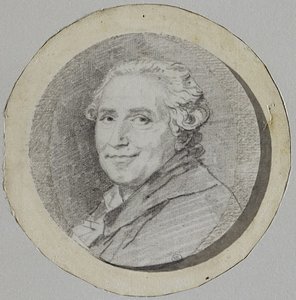
Jean-Honoré Fragonard
1732 - 1806 , Francia
Datos clave
- Artistas Que Influyeron:
- François Boucher
- Charles-André van Loo
- Estilo Artístico: Rococó
- Fecha De Fallecimiento: 22 de agosto de 1806
- Fecha De Nacimiento: 4 de abril de 1732
- Influenciado A Artistas: ['Alexandre Evariste Fragonard']
- Lugar De Nacimiento: Grasse, Francia
- Nacionalidad: Francesa
- Nombre Completo: Jean-Honoré Fragonard
- Obras Notables:
- El Columpio
- La Familia Italiana
- Retrato de una joven
- El Voto de Amor
Artículos relacionados

Rococó: 10 Obras Maestras que Definieron una Época | Arte y Decoración en
Descubre las 10 obras maestras del Rococó que marcaron una época. Explora la elegancia de Fragonard, Boucher y Watteau en . Reproducciones de arte de calidad museo para decorar tu hogar con estilo.
The Rococo Reverie of Fragonard: Love, Leisure & Pleasure in 18th-Century France
Explore the captivating world of Jean-Honoré Fragonard! Discover his Rococo masterpieces, intimate portraits & the allure of 18th-century French art. Learn about 'The Progress of Love' and more at ArtsDot.
The Allure of Elegance in Art: A Historical & Aesthetic Exploration of Refinement & Grace
Explore the exquisite world of Rococo art! Discover its history, masters (Watteau, Boucher & more), and defining elegance. Expert insights for collectors seeking museum-quality reproductions & custom portraits.

La Estética Rococó: Opulencia, Rebelión y Placer en el Arte del Siglo XVIII
Descubre la fascinante estética rococó: su historia, características clave y los artistas más influyentes del siglo XVIII. Un análisis profundo para amantes del arte y coleccionistas.
Illuminating the Enlightenment: A Comprehensive Exploration of 18th-Century Painting
Explore the captivating world of 18th-century painting! Discover Rococo's playful elegance & Neoclassicism’s Enlightenment ideals with expert insights into Fragonard, David, and more. A comprehensive guide for art enthusiasts.