 Ver en contexto
 Enviar
 Compartir
 Detalles

 Descargar
 Similares
 Radiografía
 Presentación de diapositivas
Untitled (D2X67J)
 Ink
Ink- WallArt
- Romanticism
 1775
1775- Early Modern
 29.0 x 24.0 cm
 Museo Metropolitano de Arte
 Ver más
Reproducción al óleo hecha a mano
Óleo sobre lienzo pintado a mano en el tamaño y marco de su elección, realizado por encargo por nuestros artistas. ( Comprar impresión Comprar imagen)




P118B $10

P118H $10

P118W $10

P438Z $10

P508JH $12

P508YH $12

P805H $10

P805Z $10

P919BZ $10

P919G $10

P919XJ $10

P959ZH $10

P968JZ $12

W106C $8

W218G $10

W218JH $8

W218Y $10

W307PJ $10

W316G $10

W316PJ $8

W316Y $10

W398PJ $8

W4111J $10

W500HY $15

W500JH $15

W692G $12

W849H $8

W940BG $15

W953PJ $8




Elija entre nuestros tamaños predefinidos que respetan las proporciones originales de la obra.

Puede ingresar sus propias dimensiones para adaptarse a un marco o espacio específico. Si el tamaño seleccionado no coincide con las proporciones de la imagen original, recortaremos la obra o extenderemos la pintura con elementos adicionales pintados a mano. Se le enviará una maqueta digital para su aprobación antes de comenzar la producción.
Tenga en cuenta que la vista previa en pantalla no refleja el recorte o la extensión reales. Solo la maqueta mostrará con precisión la composición final.
Si bien existen tamaños personalizados, recomendamos seleccionar una dimensión de la lista predefinida para preservar las proporciones originales.
Tras realizar el pedido, el equipo de ArtsDot.com enviará un correo electrónico al cliente para solicitar instrucciones y proporcionarle una vista previa del boceto.
Envío a todo el mundo () en 3-4 semanas en lugar de las 5 semanas estándar. (7 septiembre). Sin comprometer la calidad.

Envío exprés gratuito a todo el mundo

Lienzo de lino de alta calidad

Seguro de envío total

Garantía de reembolso de impuestos aduaneros

Garantía de fidelidad cromática exacta

Política de devolución de 100 días (solo por defectos)

Garantía de devolución del 100% del dinero

Descuento por cantidad
 La opción de vidrio solo está disponible en tamaños inferiores a 110 cm.

Untitled (D2X67J)
Técnica de reproducción
Dimensiones de la reproducción
-


Precio total final
$ 263
A Whisper of Forest Serenity: The Soul of Fragonard’s Monochrome Vision
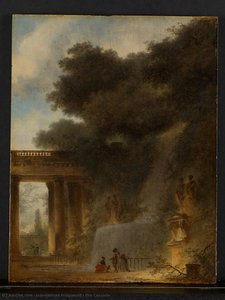
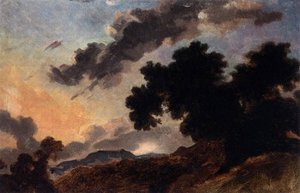
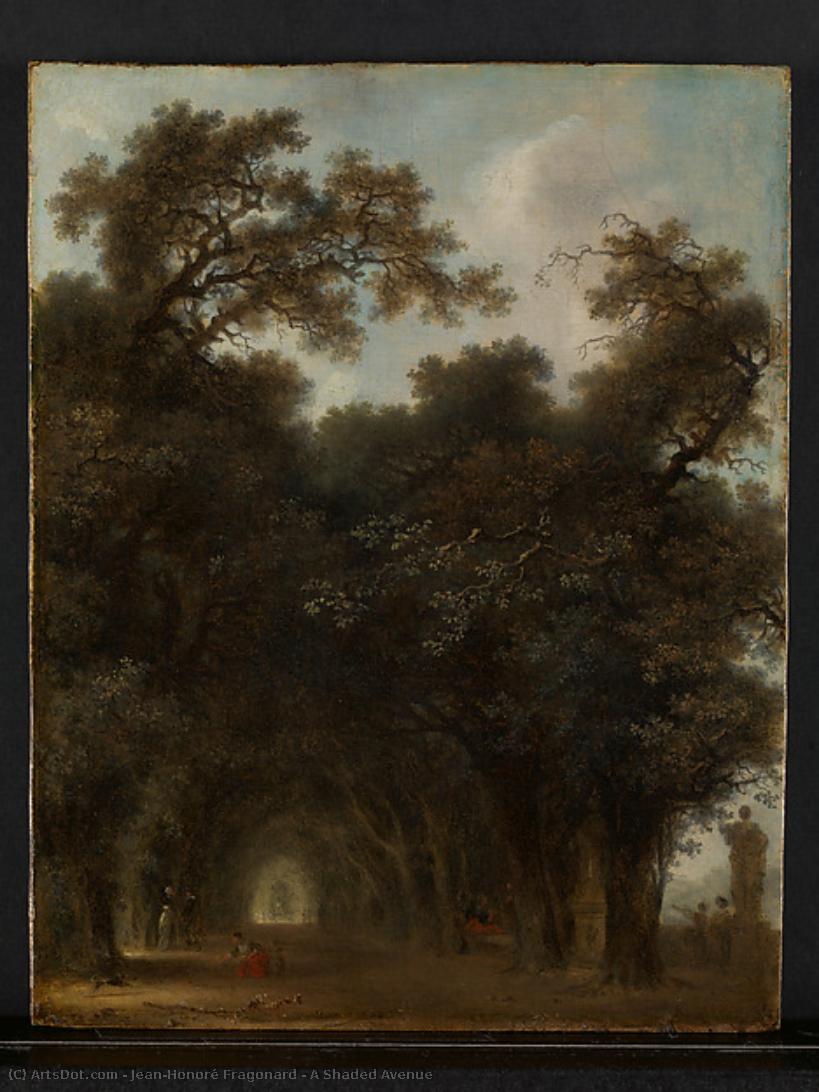
In the vast tapestry of the Rococo era, where gold leaf and opulent grandeur often dominated the visual landscape, Jean-Honoré Fragonard’s "Untitled (D2X67J)" emerges as a profound breath of quietude. Executed in 1775, this masterpiece transcends the mere depiction of a French woodland; it serves as an intimate window into a world of tranquil contemplation. While many of his contemporaries sought to overwhelm the viewer with theatricality, Fragonard invites us into a space of stillness. The painting captures a moment where time seems to suspend itself among the trees, offering a sanctuary of peace that remains as captivating today as it was in the late eighteenth century. For the discerning collector or interior designer, this piece offers more than just visual beauty; it provides an emotional anchor, a sense of serenity that can transform any sophisticated space into a meditative retreat.
The technical brilliance of this work lies in Fragonard’s masterful command over a restrained palette. Though often associated with the pastel flourishes of the Rococo, here he utilizes a primarily monochrome approach to sculpt light and shadow with surgical precision. Through the delicate application of hatching and cross-hasting, the artist breathes life into the rugged textures of tree trunks and the soft, dappled light filtering through the canopy. Subtle, strategic washes of green and brown are woven into the composition, providing just enough vitality to suggest the lushness of the forest without disrupting the dominant, elegant monochromatic aesthetic. This interplay of light and dark creates a rhythmic depth, guiding the eye along winding pathways where figures wander, lost in their own quiet narratives.
Historical Echoes and the Allure of the Pastoral
To understand the impact of "Untitled (D2X67J)," one must look toward the historical backdrop of Louis XV’s France. During an age defined by the extravagant celebrations of Versailles, Fragonard’s focus on a pastoral, almost monastic stillness offered a compelling counterpoint to the era's outward decadence. The painting taps into the deep-seated cultural preoccupation with pastoral ideals—the romanticized longing for a simpler, more natural existence away from the rigid structures of court life. The figures scattered throughout the woods are not mere decorations; they represent the human desire for connection with nature and the pursuit of refined, understated pleasure.
For those looking to integrate fine art into modern interiors, this work offers a unique versatility. Its sophisticated use of black, white, and muted earth tones allows it to harmonize seamlessly with both classical and contemporary decor. Whether placed in a minimalist gallery-style room or a richly textured traditional study, the painting acts as a focal point of understated luxury. It does not demand attention through loud colors, but rather earns it through its profound atmospheric depth and the timeless elegance of Fragonard’s hand. Owning a reproduction of such a significant work is an opportunity to possess a fragment of history—a piece that celebrates the enduring power of nature and the quiet beauty found in the shadows of the forest.
Obras relacionadas
Biografía del artista
Primeros años y formación
Jean-Honoré Fragonard, un destacado pintor y grabador francés, nació el 4 de abril de 1732 en Grasse, Alpes Marítimos. Su padre, François Fragonard, era guantero, y su madre, Françoise Petit, ama de casa. A los dieciocho años, Fragonard fue aprendiz de François Boucher, un artista renombrado, donde perfeccionó sus habilidades artísticas.Carrera artística
La carrera artística de Fragonard puede dividirse en varias fases:- Primeros trabajos (1750s): Fragonard obtuvo el premio de Roma en 1752 con una pintura de Jeroboam sacrificando al becerro dorado. Posteriormente, estudió bajo Charles-André van Loo durante tres años.
- Influencias italianas (1760s): Fragonard entabló amistad con el pintor Hubert Robert y realizó una gira por Italia, ejecutando numerosos bocetos de paisajes locales. Este período marcó el desarrollo de su estilo característico.
- Madurez rococó (1770s): Las pinturas de Fragonard de este período, como "El Columpio" (1767) y "La broma del engaño" (1780), exhiben su dominio del estilo rococó.
- Neoclasicismo (finales de 1770s): Fragonard experimentó con el neoclasicismo, como se evidencia en su obra "Retrato de Denis Diderot" (1769).
Estilo y Temas
El estilo rococó de Fragonard se caracteriza por su elegancia, sensualidad y una atmósfera juguetona. Sus obras a menudo representan escenas galantes, retratos íntimos y paisajes idílicos. Utilizaba colores vibrantes y pinceladas suaves para crear una sensación de ligereza y movimiento. Sus temas se centraban en la vida aristocrática, el amor cortesano y los placeres mundanos, reflejando las tendencias artísticas de su época.Logros y Legado
Fragonard fue un artista prolífico que produjo más de 500 pinturas y miles de dibujos. Su obra "El Columpio" es quizás su pintura más famosa y se considera una representación icónica del estilo rococó. Fragonard influyó en generaciones posteriores de artistas, y su legado perdura como uno de los principales exponentes del arte rococó francés. Sus obras se encuentran en importantes museos de todo el mundo, incluyendo el Louvre.Años Finales y Muerte
A pesar de la llegada del Neoclasicismo y las turbulencias de la Revolución Francesa, Fragonard continuó pintando hasta sus últimos años. Murió en París el 22 de agosto de 1806, dejando tras de sí un vasto cuerpo de trabajo que celebra la belleza y el placer de la vida.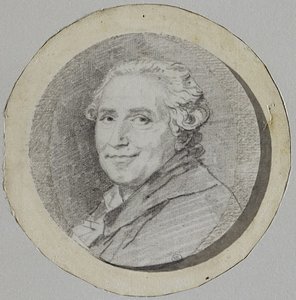
Jean-Honoré Fragonard
1732 - 1806 , Francia
Datos clave
- Artistas Que Influyeron:
- François Boucher
- Charles-André van Loo
- Estilo Artístico: Rococó
- Fecha De Fallecimiento: 22 de agosto de 1806
- Fecha De Nacimiento: 4 de abril de 1732
- Influenciado A Artistas: ['Alexandre Evariste Fragonard']
- Lugar De Nacimiento: Grasse, Francia
- Nacionalidad: Francesa
- Nombre Completo: Jean-Honoré Fragonard
- Obras Notables:
- El Columpio
- La Familia Italiana
- Retrato de una joven
- El Voto de Amor
Artículos relacionados

Blanco Sublime: Los 10 Cuadros Más Famosos Dominados por la Luz y el Color
Descubre los 10 cuadros blancos más emblemáticos de la historia del arte. Explora Monet, Van Gogh y Klimt, y su magistral uso de la luz y el color. Encuentra reproducciones de alta calidad e inspírate para tu decoración en .

Rococó: 10 Obras Maestras que Definieron una Época | Arte y Decoración en
Descubre las 10 obras maestras del Rococó que marcaron una época. Explora la elegancia de Fragonard, Boucher y Watteau en . Reproducciones de arte de calidad museo para decorar tu hogar con estilo.

Giclée Prints: Archival Quality & Aesthetic Nuances for the Discerning Collector
Explore the world of giclée prints with ArtsDot. Learn about archival quality, aesthetic nuances & investment potential. Expert guidance for discerning art collectors seeking museum-quality reproductions and lasting value.

Las 10 Pinturas Más Famosas Dominadas por el Negro | Arte y Decoración
Descubre las 10 pinturas más impactantes dominadas por el negro. Explora obras maestras de Rembrandt, Goya y Rothko, su historia y significado. Encuentra reproducciones de arte exclusivas para transformar tu hogar en .

Monochrome Visions: Exploring the Aesthetic & Historical Significance of Black & White Photography
Explore the rich history & artistic power of black and white photography. From early techniques to iconic masters like Ansel Adams, discover why monochrome continues to captivate art lovers today. Expert insights for collectors.