

 Enviar
 Compartir
 Detalles

 Descargar
 Similares
 Presentación de diapositivas
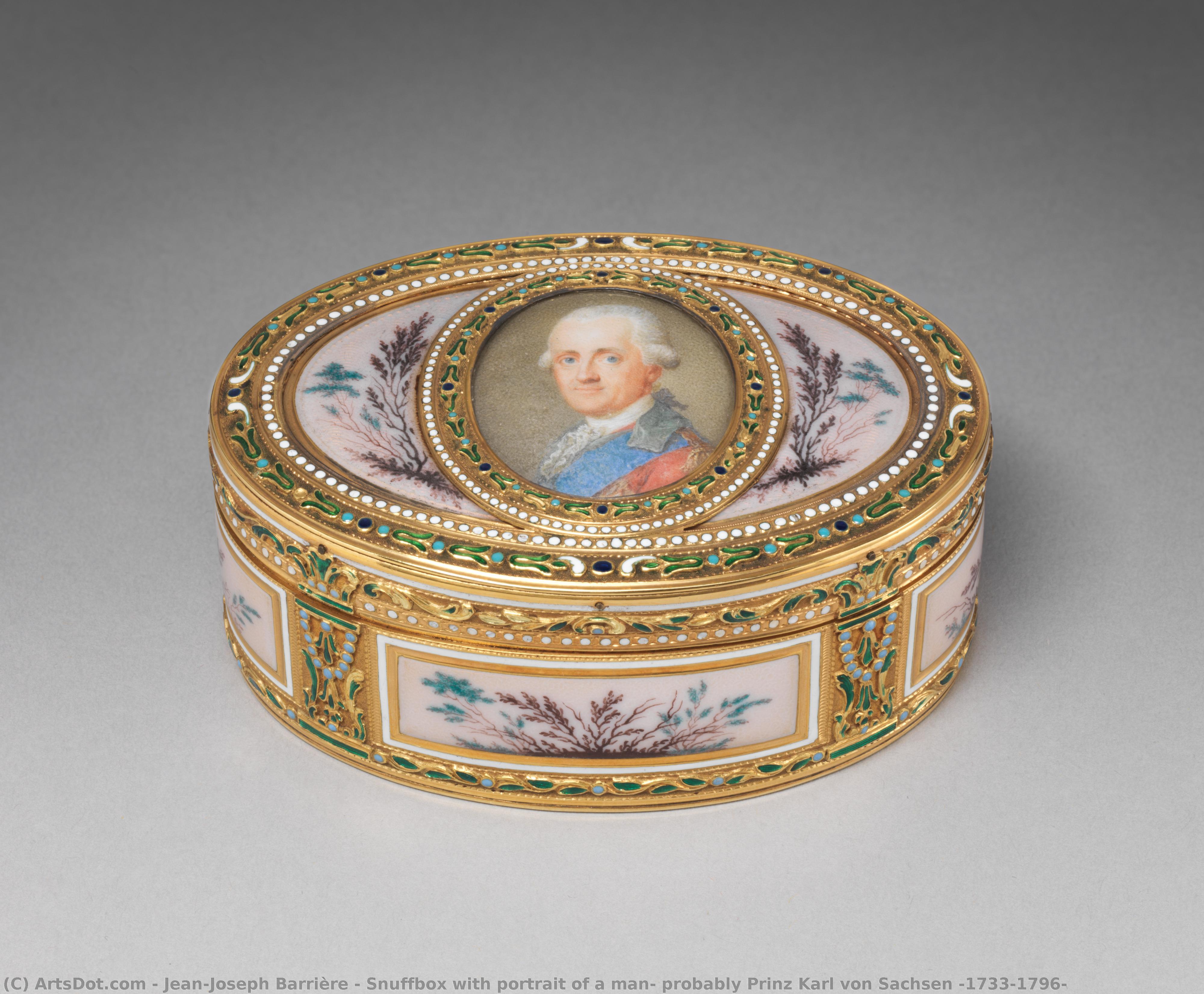
Snuffbox with portrait of a man, probably Prinz Karl von Sachsen (1733–1796)
 Enamel
- Decor
- Impressionistic Realism
 1778
1778 6.0 x 9.0 cm
 Museo Metropolitano de Arte
 Ver más
Giclée / Impresión de arte
Impresiones giclée o en lienzo de calidad de museo con producción rápida y opciones de acabado flexibles. ( Comprar pintura hecha a mano Comprar imagen)




































Elija entre nuestros tamaños predefinidos que respetan las proporciones originales de la obra.

Puede introducir sus propias dimensiones para adaptarse a un marco o espacio específico. Si el tamaño seleccionado no coincide con las proporciones de la imagen original, recortaremos la obra de arte o extenderemos la imagen con un borde con efecto espejo o de color sólido. Se enviará una maqueta digital para su aprobación antes de que comience la producción.
Tenga en cuenta que la vista previa en pantalla no refleja el recorte o la extensión real. Solo la maqueta mostrará con precisión la composición final.
Aunque existen tamaños personalizados, recomendamos seleccionar una dimensión de la lista predefinida para preservar las proporciones originales.
Envío a todo el mundo () en 2 semanas en lugar de las 4/5 semanas estándar. (1 septiembre)

Envío exprés gratuito a todo el mundo

Lienzo de lino de alta calidad

Seguro de envío total

Garantía de reembolso de impuestos aduaneros

Garantía de fidelidad cromática exacta

Política de devolución de 60 días (solo por defectos)

Garantía de devolución del 100% del dinero

Descuento por cantidad
 La opción de vidrio solo está disponible en tamaños inferiores a 110 cm.

Snuffbox with portrait of a man, probably Prinz Karl von Sachsen (1733–1796)
Giclée / Impresión de arte
Dimensiones de la reproducción
-


Precio total final
$ 62
Snuffbox with Portrait of a Man, Probably Prinz Karl von Sachsen (1733–1796) – A Jewel of Baroque Elegance
The snuffbox, a diminutive container for tobacco smoke, represents more than just practical function; it embodies the opulent tastes and social rituals of eighteenth-century Europe. Jean-Joseph Barrière’s exquisite piece—a gift from J. Pierpont Morgan in 1917—offers a captivating glimpse into this era's artistic sensibilities and aristocratic patronage. Crafted around 1778–79, it exemplifies the Baroque style’s penchant for intricate ornamentation and masterful craftsmanship, securing its place among the treasures of international museums like The Louvre and The Rijksmuseum.- Material & Technique: Constructed primarily from gold—a symbol of wealth and prestige—the snuffbox is adorned with enamel decoration, a technique perfected during this period. Delicate floral motifs intertwine across the surface, painstakingly applied by skilled artisans using powdered glass fused onto metal plates. Furthermore, an ivory tablet nestled within the box serves as a functional element and a testament to the meticulous attention to detail characteristic of Baroque artistry.
- Historical Context: Snuffing was a widespread habit among European elites—particularly in aristocratic circles—during the Enlightenment. The snuffbox functioned not merely as a receptacle for tobacco but also as a social marker, signifying status and demonstrating artistic refinement. Commissions from royal figures like Prinz Karl von Sachsen underscored the importance of decorative arts within the courtly sphere.
- Artist’s Influence: Anton Graff's miniature portrait—executed after a painting by Graff—captures the likeness of Prinz Karl von Sachsen, dressed in formal attire reflecting the fashions of his time. The artist skillfully rendered the subject’s features with precision and subtlety, conveying an aura of dignity and authority.
- Symbolism & Aesthetic Considerations: The oval form of the snuffbox echoes the contours of the portrait frame, creating a harmonious visual balance—a hallmark of Baroque design principles. The gold hue symbolizes royalty and divine grace, while the enamel colors contribute to the overall richness and vibrancy of the artwork.
A Masterpiece of Enamel Artistry
Barrière’s mastery lies in his ability to transform a simple metal container into an object of breathtaking beauty. The enamel technique—a process involving layering powdered glass onto metal surfaces—demands exceptional skill and patience, resulting in luminous colors and astonishing textural effects. The floral designs are rendered with meticulous detail, capturing the delicate nuances of natural forms. This dedication to craftsmanship speaks volumes about the artistic values prevalent during the Baroque period, where beauty was considered paramount.Beyond Decoration: Reflections on Status and Patronage
The snuffbox served as a tangible expression of social hierarchy—a gift from royalty or nobility signifying power and influence. Its presence at court gatherings underscored the importance of decorative arts in shaping cultural identity. Jean-Joseph Barrière’s work exemplifies this tradition, demonstrating how art could elevate status and convey profound symbolic meanings. The enduring fascination with this exquisite object testifies to its ability to transcend time—a testament to Baroque artistry's lasting legacy.Where to Find This Artwork
This remarkable snuffbox is currently housed at The Metropolitan Museum of Art in New York City (Object Number: 17.190.1128). Visitors can admire its beauty firsthand and delve deeper into the artistic context surrounding its creation. For those interested in exploring similar treasures from the Baroque era, a journey through art history with ArtsDot’s extensive collection offers an unparalleled opportunity to immerse oneself in the splendor of European decorative arts.Obras relacionadas
Biografía del artista
Early Life and Training
Jean-Joseph Barrière, a French goldsmith and enameler, was born in Paris in 1735. He embarked on his artistic journey early, demonstrating exceptional talent from a young age—a passion nurtured within the walls of an orphanage where he found refuge after losing his parents. Recognizing his innate aptitude for craftsmanship, he apprenticed under skilled artisans, absorbing techniques and traditions that would shape his future endeavors. This formative period instilled in him a meticulous attention to detail and a profound understanding of material properties, laying the groundwork for his illustrious career as a master craftsman.Artistic Contributions & Style
Barrière’s artistic reputation soared during the reign of Louis XV, securing prestigious commissions from the French court and nobility—a testament to his unparalleled skill and artistry. His mastery of enamel art distinguished him amongst contemporaries, producing breathtaking pieces that now reside in esteemed collections worldwide: The Louvre Museum in Paris, The Rijksmuseum in Amsterdam, and The Metropolitan Museum of Art in New York City. Characterized by vibrant colors, intricate patterns, and masterful execution, Barrière’s enamelwork embodies the opulent aesthetic of the era—a reflection of aristocratic tastes and a celebration of artistic innovation. His distinctive style blended classical influences with emerging decorative trends, establishing him as a pivotal figure in shaping the visual landscape of his time.Notable Works & Collections
While precise documentation regarding Barrière's oeuvre remains scarce, his impact on enamel art is undeniable—a legacy cemented by enduring admiration from collectors and curators alike. His creations exemplify the highest standards of craftsmanship, showcasing exceptional artistry and technical prowess. To delve deeper into the artistic panorama of the eighteenth century, explore a journey through art history with ArtsDot’s extensive collection—spanning from the twelfth to the twentieth century—and discover masterpieces that illuminate pivotal moments in European artistic heritage.Influences & Artistic Context
Barrière's artistic vision was profoundly shaped by the prevailing stylistic currents of his time—particularly the Baroque tradition, which championed grandeur and dramatic ornamentation. Artists like Nicolas Beauvais and Jean-Baptiste Rousseau served as inspiration, fostering a shared commitment to conveying emotion through visual representation. Furthermore, Barrière’s work reflects the burgeoning interest in oriental motifs and decorative arts—a trend fueled by voyages of discovery and encounters with exotic cultures. These influences contributed to his distinctive aesthetic sensibility, establishing him as a conduit for artistic innovation within the broader context of eighteenth-century European art.Legacy & Historical Significance
Jean-Joseph Barrière’s enduring legacy extends beyond his individual creations—he stands as a symbol of excellence in goldsmithing and enameling—a testament to the transformative power of craftsmanship and artistic dedication. His meticulous attention to detail, combined with an unwavering pursuit of beauty and innovation, cemented his place within art history—inspiring subsequent generations of artisans and enriching the cultural heritage of France. Explore more about Barrière’s contributions at the musée denys-puech (france) and its captivating art collections.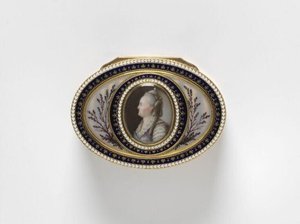
Jean-Joseph Barrière
1735 - 1806 , Francia
Datos clave
- Artistic Movement Or Style: Estilo Luis XV
- Date Of Birth: Paris, Francia
- Date Of Death: 1806
- Full Name: Jean-Joseph Barrière
- Nationality: Francés
- Notable Artworks: ['Snuffbox con retrato de un hombre']
- Place Of Birth: París
Artículos relacionados

El Poder Simbólico del Arte de Escritorio: Un Regalo de Prestigio para Reconocer el Alto Rendimiento Ejecutivo
Descubra el poder del arte de escritorio como regalo de prestigio para ejecutivos. Seleccione obras originales o reproducciones de alta calidad que inspiran y fortalecen relaciones corporativas. Asesoramiento experto en ArtsDot.

Del Lienzo a la Rentabilidad: El Retorno de la Inversión en Regalos Corporativos Significativos a través del Arte
Transforma tus regalos corporativos en una inversión estratégica con arte significativo. Asesoramiento experto, obras personalizadas y un ROI invisible que fortalece tu marca. ¡Descubre cómo en ArtsDot!

Escalabilidad Creativa: Estrategias para la Distribución Personalizada de Arte a Gran Escala y el Fortalecimiento de Relaciones Comerciales
Descubre cómo escalar la distribución de arte personalizado con calidad y exclusividad. Estrategias expertas para fortalecer relaciones comerciales y satisfacer a tus clientes. ¡Transforma tu visión en realidad!
El Lienzo Simbólico: Aprovechando el Arte como Medio para Expresar Motivación, Inspiración y Gratitud en la Cultura del Regalo Corporativo
Eleve su cultura corporativa con regalos únicos y significativos. Descubra cómo el arte fortalece relaciones, inspira lealtad y proyecta una imagen de marca sofisticada. Expertos en arte para empresas.
Celebrando un Legado: Reproducciones de Obras Maestras como Regalos Significativos para la Jubilación
Celebre la jubilación con un regalo único y significativo: reproducciones de obras maestras en ArtsDot.com. Descubra el arte renacentista, Giotto, Leonardo da Vinci y más. Calidad garantizada y asesoramiento personalizado.

