

 Ver en contexto
 Enviar
 Compartir
 Detalles

 Descargar
 Similares
 Radiografía
 Presentación de diapositivas
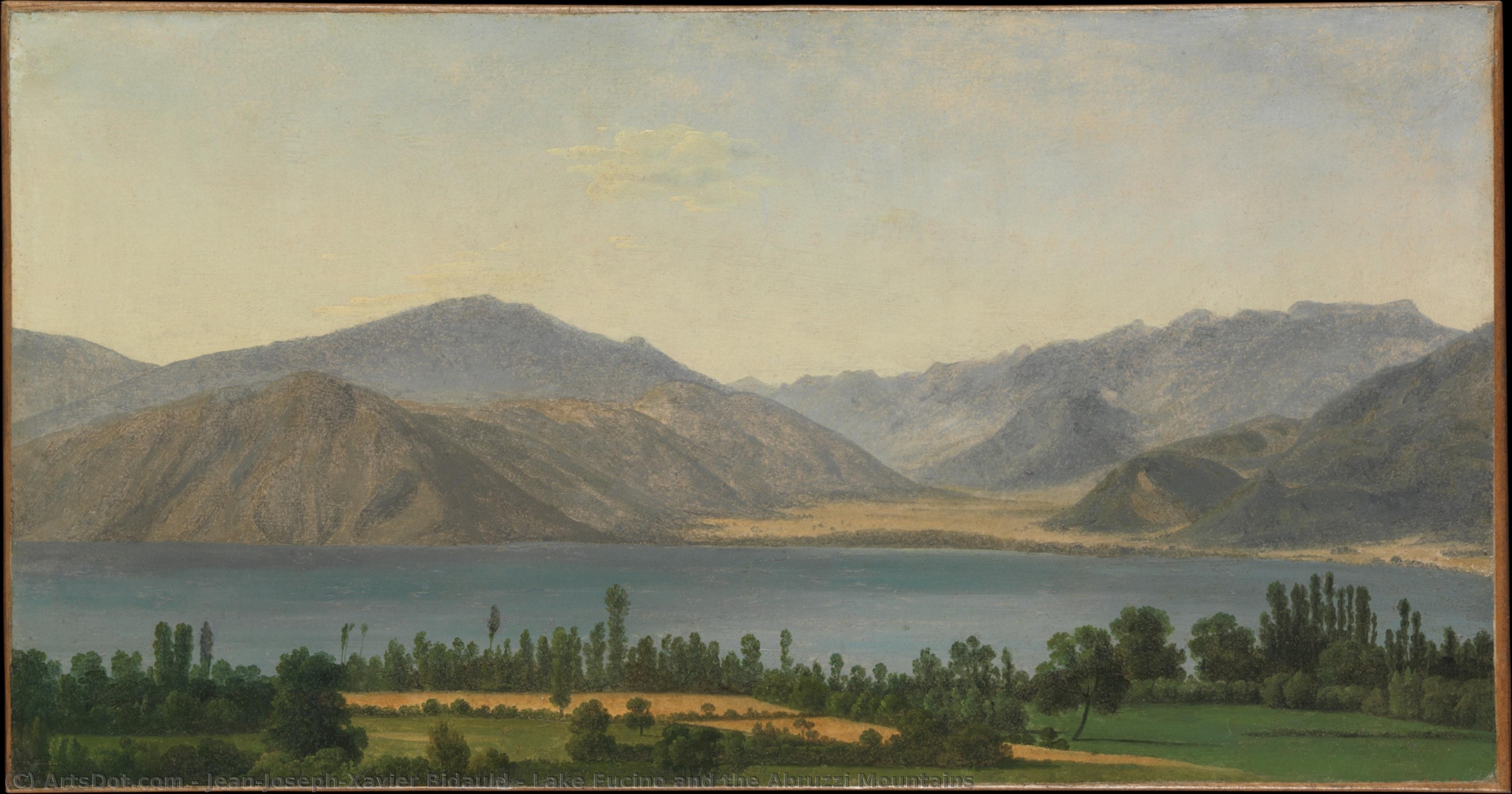
Lake Fucino and the Abruzzi Mountains
 Neoclassicism
 1789
1789- Early Modern
 25.0 x 48.0 cm
 Museo Metropolitano de Arte
 Ver más
Reproducción al óleo hecha a mano
Óleo sobre lienzo pintado a mano en el tamaño y marco de su elección, realizado por encargo por nuestros artistas. ( Comprar impresión Comprar imagen)




































Elija entre nuestros tamaños predefinidos que respetan las proporciones originales de la obra.

Puede ingresar sus propias dimensiones para adaptarse a un marco o espacio específico. Si el tamaño seleccionado no coincide con las proporciones de la imagen original, recortaremos la obra o extenderemos la pintura con elementos adicionales pintados a mano. Se le enviará una maqueta digital para su aprobación antes de comenzar la producción.
Tenga en cuenta que la vista previa en pantalla no refleja el recorte o la extensión reales. Solo la maqueta mostrará con precisión la composición final.
Si bien existen tamaños personalizados, recomendamos seleccionar una dimensión de la lista predefinida para preservar las proporciones originales.
Tras realizar el pedido, el equipo de ArtsDot.com enviará un correo electrónico al cliente para solicitar instrucciones y proporcionarle una vista previa del boceto.
Envío a todo el mundo () en 3-4 semanas en lugar de las 5 semanas estándar. (7 septiembre). Sin comprometer la calidad.

Envío exprés gratuito a todo el mundo

Lienzo de lino de alta calidad

Seguro de envío total

Garantía de reembolso de impuestos aduaneros

Garantía de fidelidad cromática exacta

Política de devolución de 100 días (solo por defectos)

Garantía de devolución del 100% del dinero

Descuento por cantidad
 La opción de vidrio solo está disponible en tamaños inferiores a 110 cm.

Lake Fucino and the Abruzzi Mountains
Técnica de reproducción
Dimensiones de la reproducción
-


Precio total final
$ 263
Obras relacionadas
Biografía del artista
The Enigmatic Visionary: Jean-Joseph-Xavier Bidauld
Jean-Joseph-Xavier Bidauld remains a somewhat elusive figure in the landscape of 19th-century French art, a painter whose work bridges Romanticism and early Symbolism with a distinctive, often haunting sensibility. Born in , his life details are sparsely documented, contributing to the mystique surrounding his oeuvre. What *is* known is that Bidauld emerged during a period of intense artistic ferment, following in the footsteps of masters like Delacroix while simultaneously forging a path uniquely his own. He wasn't a product of the official Salon system, preferring instead to exhibit at more independent venues and cultivate a dedicated, if relatively small, circle of admirers. This deliberate distance from mainstream recognition allowed him greater freedom to explore themes that were often considered unconventional for his time – spirituality, mortality, and the power of dreams.A Childhood Immersed in Art and History
While precise biographical information is limited, it’s believed Bidauld received early artistic training within a family environment steeped in cultural appreciation. His formative years were likely influenced by the historical narratives prevalent in French society following the Napoleonic era. This fascination with the past—particularly medieval history and folklore—would become a recurring motif throughout his career. Unlike many of his contemporaries who focused on grand historical events, Bidauld tended to gravitate towards more intimate scenes, often depicting solitary figures lost in contemplation or engaged in mysterious rituals. His early works demonstrate a clear technical proficiency, showcasing a mastery of draftsmanship and an understanding of light and shadow reminiscent of the Romantic painters he admired. However, even in these initial pieces, there’s a subtle undercurrent of melancholy and introspection that sets his work apart.Themes of Spirituality and the Macabre
Bidauld's artistic vision matured into a deeply personal exploration of spirituality, often intertwined with themes of death and the supernatural. He wasn’t interested in depicting conventional religious scenes; rather, he sought to capture the *feeling* of faith—the awe, the doubt, the yearning for something beyond the material world. This pursuit led him to explore symbolism drawn from various sources, including medieval illuminated manuscripts, occult traditions, and his own vivid imagination. His paintings frequently feature cloaked figures, crumbling ruins, and ethereal landscapes, creating an atmosphere of both beauty and unease. The macabre wasn’t merely a source of shock value for Bidauld; it was a means of confronting the fragility of life and the inevitability of mortality. He presented death not as a terrifying end but as a transition—a gateway to another realm.Influences and Artistic Development
Identifying direct influences on Bidauld is complex, given his relatively isolated artistic trajectory. However, scholars point to several key figures who likely shaped his aesthetic sensibilities. Eugène Delacroix’s dramatic use of color and expressive brushwork undoubtedly left an impression, as did the Symbolist painters like Gustave Moreau and Odilon Redon, though Bidauld predates their full emergence. The Pre-Raphaelites, with their emphasis on detail and medieval subject matter, also resonate in his work.- Romanticism: Delacroix’s emotional intensity and vibrant palette.
- Symbolism: Moreau's dreamlike imagery and Redon's exploration of the subconscious.
- Medieval Art: Illuminated manuscripts and Gothic architecture, inspiring his subject matter and compositional style.
Legacy and Historical Significance
Despite lacking widespread recognition during his lifetime, Jean-Joseph-Xavier Bidauld’s work has experienced a resurgence in recent years. His paintings are now appreciated for their unique blend of Romanticism and Symbolism, as well as their profound exploration of spiritual themes. He anticipated many of the concerns that would preoccupy later generations of artists—the search for meaning in a rapidly changing world, the power of the subconscious, and the enduring fascination with death and the afterlife. Bidauld’s legacy lies not in his adherence to any particular artistic movement but in his ability to create a deeply personal and evocative visual language that continues to resonate with audiences today. He stands as a testament to the power of individual vision—a painter who dared to explore the darker corners of the human psyche and capture the elusive beauty of the unseen world.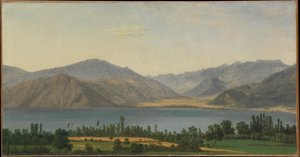
Datos clave
- Artistic Movement Or Style: Orientalism, Academic painting
- Artists Or Movements Influenced By This Artist: ['Orientalist painters']
- Artists Who Influenced This Artist:
- Ingres
- Delacroix
- Date Of Death: Living
- Full Name: Jean-Joseph-Xavier Bidauld
- Nationality: French
- Notable Artworks:
- The Coffee Diviner
- Arab Encampment
- Interior of a Harem
Artículos relacionados

John Constable: Las 25 Obras Maestras del Paisaje Inglés | ArtsDot
Descubre las 25 obras maestras de John Constable, el pintor romántico inglés que capturó la belleza del paisaje. Explora su técnica, historia y significado en ArtsDot.com. Reproducciones de arte de alta calidad para tu hogar.
Serene Visions: Exploring Themes of Tranquility in Art History & Contemporary Practice
Explore the history of serene landscape art & discover artists who evoke tranquility. Find the perfect calming artwork for your home with expert guidance from ArtsDot.

Evocations of Place: A Historical Journey Through Landscape Art
Explore the rich history of landscape art with ArtsDot. Discover renowned artists, movements like Impressionism & Romanticism, and expert guidance for collecting timeless pieces. Find your perfect serene escape today!

Paisajes Románticos: 10 Obras Maestras que Definieron un Movimiento Artístico
Descubre los 10 paisajes románticos más influyentes de artistas como Caspar David Friedrich y Turner. Explora la belleza, el simbolismo y las técnicas del movimiento romántico. Reproducciones de arte exclusivas en ArtsDot.com.

Katsushika Hokusai: Las 25 Obras Maestras del Ukiyo-e que Transformaron el Arte Japonés | ArtsDot
Descubre las 25 obras maestras de Katsushika Hokusai, el genio del ukiyo-e. Explora 'La Gran Ola', paisajes japoneses y su impacto en el arte moderno. Reproducciones de alta calidad para tu hogar en ArtsDot.com.