

 Ver en contexto
 Enviar
 Compartir
 Detalles

 Descargar
 Similares
 Radiografía
 Presentación de diapositivas
 Stats
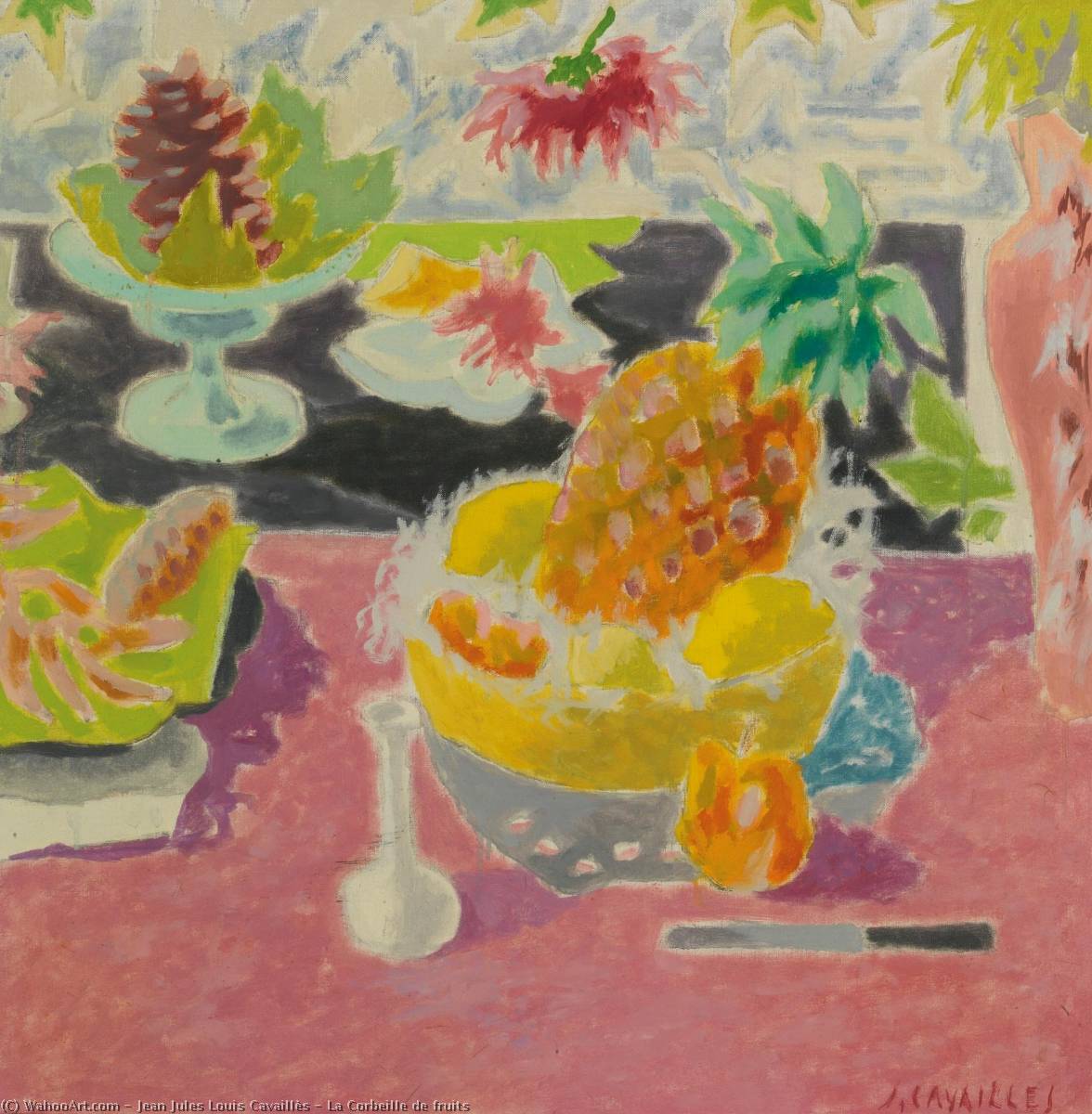
StatsLa Corbeille de fruits
 62.0 x 62.0 cm
 Ver más
Reproducción al óleo hecha a mano
Óleo sobre lienzo pintado a mano en el tamaño y marco de su elección, realizado por encargo por nuestros artistas. ( Switch to Print Switch to Digital Image)




































Elija entre nuestros tamaños predefinidos que respetan las proporciones originales de la obra.

Puede ingresar sus propias dimensiones para adaptarse a un marco o espacio específico. Si el tamaño seleccionado no coincide con las proporciones de la imagen original, recortaremos la obra o extenderemos la pintura con elementos adicionales pintados a mano. Se le enviará una maqueta digital para su aprobación antes de comenzar la producción.
Tenga en cuenta que la vista previa en pantalla no refleja el recorte o la extensión reales. Solo la maqueta mostrará con precisión la composición final.
Si bien existen tamaños personalizados, recomendamos seleccionar una dimensión de la lista predefinida para preservar las proporciones originales.
Tras realizar el pedido, el equipo de ArtsDot.com enviará un correo electrónico al cliente para solicitar instrucciones y proporcionarle una vista previa del boceto.
Envío a todo el mundo () en 3-4 semanas en lugar de las 5 semanas estándar. (7 septiembre). Sin comprometer la calidad.

Envío exprés gratuito a todo el mundo

Lienzo de lino de alta calidad

Seguro de envío total

Garantía de reembolso de impuestos aduaneros

Garantía de fidelidad cromática exacta

Política de devolución de 100 días (solo por defectos)

Garantía de devolución del 100% del dinero

Descuento por cantidad
 La opción de vidrio solo está disponible en tamaños inferiores a 110 cm.

La Corbeille de fruits
Técnica de reproducción
Dimensiones de la reproducción
-


Precio total final
$ 263
Obras relacionadas

Biografía del artista
Jean Jule Louis Cavaillès: A Painter of Idyllic Moments
The world of 19th-century French art is often associated with grand narratives – revolutionary fervor, social commentary, and the dramatic sweep of Romanticism. Yet, nestled within this landscape of monumental works lies a quieter, more intimate tradition, embodied by Jean Jule Louis Cavaillès. Born in Carmaux, Tarn, in 1901, Cavaillès wasn’t driven by grand pronouncements but rather by an unwavering desire to capture the simple joys and serene beauty of everyday life. His paintings aren't declarations; they are invitations – a gentle pull towards sun-drenched afternoons, bountiful harvests, and the comforting warmth of domestic interiors. Cavaillès’s legacy isn’t one of shattering conventions but of quietly establishing his own distinct voice within the broader currents of Impressionism and Post-Impressionism.
Early influences shaped Cavaillès' artistic trajectory. He began his formal training at the Académie Julian in Paris, a prestigious institution that nurtured many future masters. Crucially, he found mentorship with Pierre and Paul Albert Laurens, renowned artists known for their vibrant color palettes and depictions of Parisian life. However, it was his acquaintance with Jules Vuillemin, a philosopher deeply interested in the intersection of art and science, who profoundly impacted Cavaillès’s approach to painting. Vuillemin's emphasis on analyzing perception and the relationship between the artist and the subject resonated deeply with Cavaillès, leading him to prioritize capturing not just what he *saw*, but how he *felt* about what he saw – a core element of his distinctive style.
The Language of Light and Color
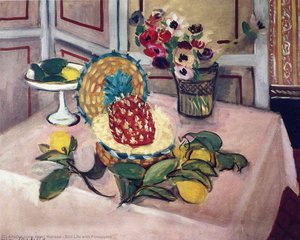
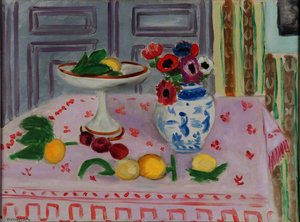
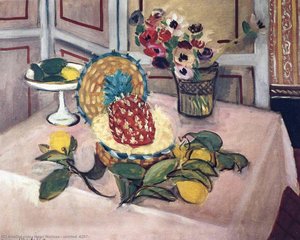
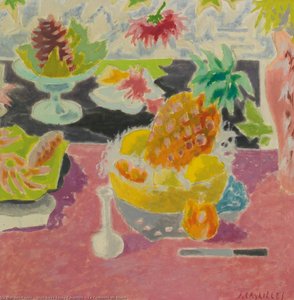
Cavaillès’s paintings are immediately recognizable by their luminous quality. He eschewed the heavy, dark palettes often associated with the late 19th century, instead favoring bright, airy colors that evoke a sense of warmth and optimism. His use of light is particularly masterful; he doesn't simply depict illumination but employs it to create atmosphere and mood. Consider his “La Corbeille de fruits” (The Basket of Fruits), a quintessential example of his style. The still life isn’t merely a representation of objects; it’s an exploration of color, texture, and light. The vibrant reds, yellows, and greens seem to radiate from the canvas, drawing the viewer into the scene with an almost palpable warmth. Similarly, “La Ferme” (The Farm) presents a rural landscape bathed in golden sunlight, conveying a sense of tranquility and abundance.
Cavaillès’s technique was characterized by loose brushstrokes and a deliberate avoidance of sharp outlines. He favored a broken color approach, layering thin washes of paint to create subtle gradations of tone and hue. This technique contributed significantly to the luminous quality of his paintings, as it allowed light to penetrate through the layers of color, creating an effect of shimmering transparency. He was deeply influenced by Impressionist painters like Claude Monet and Camille Pissarro, but he developed a unique style that retained a distinctly personal touch.
A Life Intertwined with Art
Cavaillès’s life wasn't solely dedicated to painting; it was inextricably linked to the artistic community of Paris. He spent several years living in “La Ruche,” a legendary artist’s residence that housed a remarkable collection of creatives, including figures like Chaim Soutine and Amedeo Modigliani. This environment fostered an atmosphere of collaboration and exchange, undoubtedly influencing Cavaillès's artistic development. During World War II, he bravely participated in the French Resistance, demonstrating his commitment to his country’s freedom. Following the war, he returned to painting, continuing to explore themes of rural life and domestic tranquility.
Despite a relatively modest output compared to some of his contemporaries, Cavaillès's work holds significant historical value. He represents a counterpoint to the more overtly political or socially engaged art of the era, offering instead a quiet celebration of beauty and simplicity. His paintings are not merely decorative; they reflect a deep appreciation for the pleasures of everyday life – a sentiment that continues to resonate with viewers today. His work is now held in private collections worldwide, testament to its enduring appeal.
Legacy and Influence
Cavaillès’s influence extends beyond his own paintings. His emphasis on capturing the emotional essence of a scene—the *feeling* of light, color, and atmosphere—served as an inspiration for later generations of artists. While he didn't actively seek to establish a formal movement, his distinctive style helped to shape the development of idyllic landscape painting in France. His work stands as a reminder that art can be both beautiful and deeply personal, offering solace and joy to those who encounter it.
jean jules louis cavaillès
1901 - 1977
Datos clave
- Artistic Movement Or Style: Idyllic landscapes/Still lifes
- Artists Or Movements Influenced By This Artist: ['Impressionism']
- Artists Who Influenced This Artist: ['Jules Vuillemin']
- Date Of Birth: 1901
- Date Of Death: 1977
- Full Name: Jean Jule Louis Cavaillès
- Nationality: French
- Notable Artworks:
- La Corbeille de fruits
- La Ferme
- Place Of Birth: Carmaux, France