 Ver en contexto
 Enviar
 Compartir
 Detalles

 Descargar
 Similares
 Radiografía
 Presentación de diapositivas
 Estadísticas
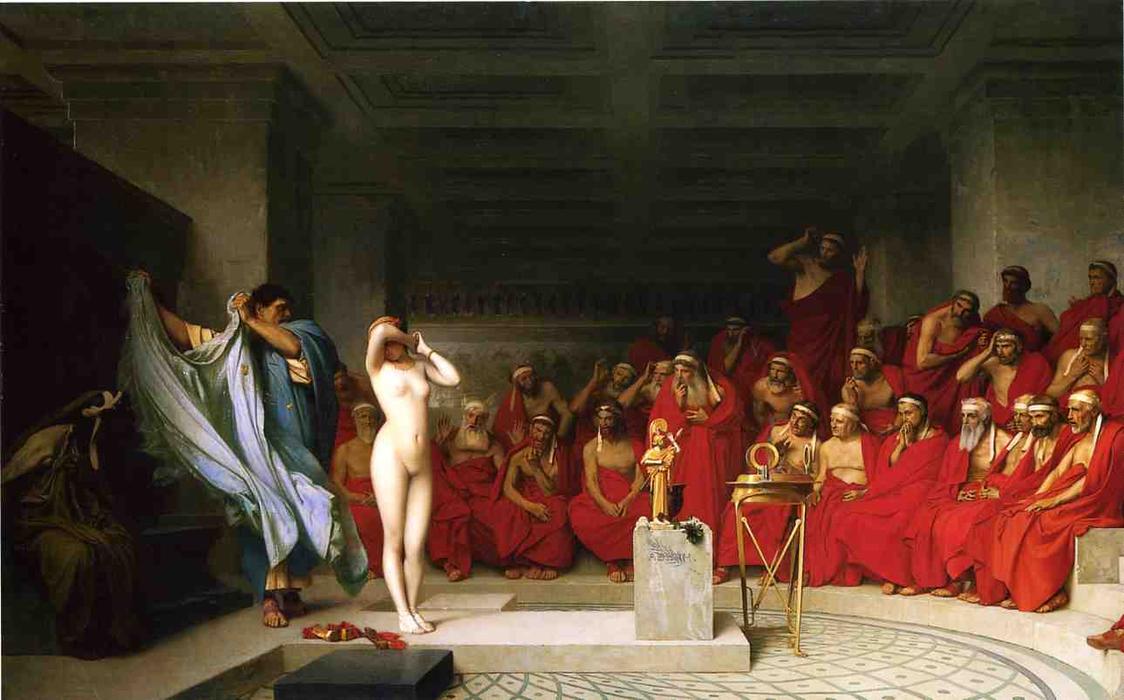
Phyrne before the Areopagus


 Ver más
Giclée / Impresión de arte
Impresiones giclée o en lienzo de calidad de museo con producción rápida y opciones de acabado flexibles. ( Comprar pintura hecha a mano Cambiar a imagen digital)




P118B $10

P118H $10

P118W $10

P438Z $10

P508JH $12

P508YH $12

P805H $10

P805Z $10

P919BZ $10

P919G $10

P919XJ $10

P959ZH $10

P968JZ $12

W106C $8

W218G $10

W218JH $8

W218Y $10

W307PJ $10

W316G $10

W316PJ $8

W316Y $10

W398PJ $8

W4111J $10

W500HY $15

W500JH $15

W692G $12

W849H $8

W940BG $15

W953PJ $8




Elija entre nuestros tamaños predefinidos que respetan las proporciones originales de la obra.

Puede introducir sus propias dimensiones para adaptarse a un marco o espacio específico. Si el tamaño seleccionado no coincide con las proporciones de la imagen original, recortaremos la obra de arte o extenderemos la imagen con un borde con efecto espejo o de color sólido. Se enviará una maqueta digital para su aprobación antes de que comience la producción.
Tenga en cuenta que la vista previa en pantalla no refleja el recorte o la extensión real. Solo la maqueta mostrará con precisión la composición final.
Aunque existen tamaños personalizados, recomendamos seleccionar una dimensión de la lista predefinida para preservar las proporciones originales.
Envío a todo el mundo () en 2 semanas en lugar de las 4/5 semanas estándar. (10 septiembre)

Envío exprés gratuito a todo el mundo

Lienzo de lino de alta calidad

Seguro de envío total

Garantía de reembolso de impuestos aduaneros

Garantía de fidelidad cromática exacta

Política de devolución de 100 días (solo por defectos)

Garantía de devolución del 100% del dinero

Descuento por cantidad
 La opción de vidrio solo está disponible en tamaños inferiores a 110 cm.

Phyrne before the Areopagus
Giclée / Impresión de arte
Dimensiones de la reproducción
-


Precio total final
$ 62
The Dramatic Tableau of Jean Léon Gérôme
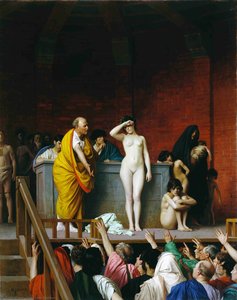
Jean Léon Gérôme’s “Phyrne Before the Areopagus,” painted in 1861, isn't merely a historical scene; it’s a meticulously crafted stage for an ancient drama. This oil-on-canvas masterpiece, now residing within the esteemed collection of the Hamburger Kunsthalle in Hamburg, exemplifies Academicism at its most potent – a style characterized by rigorous research, painstaking detail, and a commitment to portraying history with unwavering accuracy. Gérôme, a master storyteller through his art, transports us directly into the heart of 1st-century Athens, capturing not just an event but the very atmosphere of judgment and consequence.
A Scene of Ancient Justice
The painting depicts a pivotal moment within the Athenian legal system – the Areopagus, a council of elders presided over by Phyrne. The scene unfolds outdoors, bathed in a diffused light that lends an air of solemnity to the proceedings. A simple wooden bench provides a grounding element amidst the figures, while a trumpet held aloft suggests the imminent pronouncement of judgment. The composition is carefully balanced; Phyrne, positioned centrally and slightly elevated, commands attention as she awaits her fate. The faces of the assembled officials – Roman soldiers and magistrates – are etched with expressions ranging from stern contemplation to quiet anticipation, reflecting the gravity of the situation.
Technique and Academic Precision
Gérôme’s mastery lies in his meticulous rendering of detail. Observe the textures of the clothing—the draped robes of the officials, the simple garments of Phyrne – each meticulously painted to convey a sense of weight and material quality. The artist's use of oil paint allows for rich colors and subtle gradations, creating depth and realism within the scene. The architectural elements, particularly the backdrop featuring the Areopagus itself, are rendered with an almost photographic precision, demonstrating Gérôme’s dedication to historical accuracy. This commitment to detail is a hallmark of Academic painting – a style that prioritized observation and representation over spontaneous expression.
Symbolism and Narrative Weight
Beyond its historical depiction, “Phyrne Before the Areopagus” carries significant symbolic weight. The scene represents not just a legal trial but also the clash between cultures—the Roman administration overseeing Greek justice. Phyrne’s posture – poised yet vulnerable – suggests her uncertainty and the potential consequences of her actions. The trumpet call signifies the finality of judgment, while the faces of the officials embody the authority and impartiality (or perceived impartiality) of the Athenian legal system. The painting invites viewers to contemplate themes of justice, power, and cultural exchange—elements that resonate powerfully even today.
A Legacy of Dramatic Historical Painting
Jean-Léon Gérôme’s “Phyrne Before the Areopagus” stands as a testament to his skill and influence. His work helped shape the visual language of historical painting in the 19th century, inspiring generations of artists with his meticulous detail and dramatic storytelling. Reproductions of this compelling scene continue to captivate audiences, offering a glimpse into a distant past and prompting reflection on timeless themes of justice, power, and human drama. It remains a cornerstone of the Hamburger Kunsthalle’s collection and a powerful example of Academic art at its finest.
Obras relacionadas
Biografía del artista
Primeros años y formación
Jean-Léon Gérôme, un renombrado pintor y escultor francés, nació el 11 de mayo de 1824 en Vesoul, Haute-Saône. Recibió sus primeras lecciones de dibujo del artista local Claude-Basile Cariage. En 1840, se trasladó a París para estudiar bajo la tutela de Paul Delaroche y posteriormente asistió a la École des Beaux-Arts.Ascenso a la fama
La pintura de Gérôme, El gallo de pelea (1846), le valió una medalla de tercer grado en el Salón de París de 1847. Esta obra fue considerada la epitome del movimiento neo-griego y lanzó su carrera. Se convirtió en uno de los maestros más influyentes de su tiempo, con estudiantes que incluían a Thomas Eakins, John Singer Sargent y Mary Cassatt.Comisiones importantes
Gérôme recibió una comisión para pintar un gran mural, La edad de Augusto, el nacimiento de Cristo, que combinaba el nacimiento de Cristo con naciones conquistadas rindiendo homenaje a Augusto. Esta obra estaba destinada a halagar a Napoleón III, quien la encargó.Estilo artístico y legado
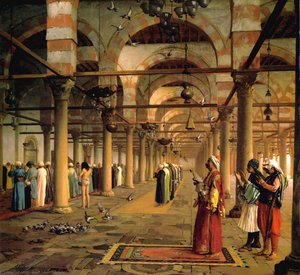
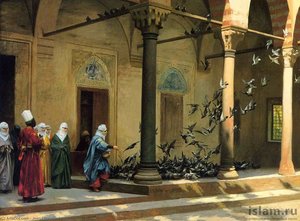
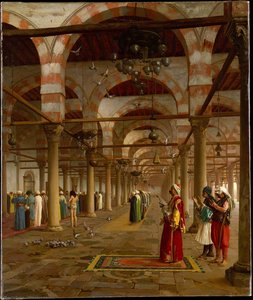
Las pinturas de Gérôme se caracterizaban por su meticulosa atención al detalle, colores vibrantes e iluminación dramática. A menudo utilizaba temas históricos o mitológicos para explorar temas de poder, violencia y sexualidad. Sus pinturas orientalistas, como Mujeres del harén alimentando palomas en un patio, fueron ampliamente admiradas por sus exóticos escenarios y representaciones eroticizadas de mujeres del Medio Oriente.- Explore "Oración Pública en la Mezquita de Amr, El Cairo" de Gérôme! Una obra maestra del orientalismo que exhibe la devoción islámica y la grandeza arquitectónica. Detalles ricos y tonos cálidos – una pieza atemporal para coleccionistas.
- Descubre 'Mujeres del Harem Alimentando Palomas', una impresionante obra maestra orientalista de Jean-Léon Gérôme (1894). Admira los detalles intrincados y los ricos colores en esta escena atemporal de la vida cotidiana.
Influencias y desarrollo
Gérôme fue influenciado por el neoclasicismo y el arte académico francés del siglo XIX. Su formación bajo Paul Delaroche le proporcionó una base sólida en la técnica pictórica tradicional, pero él desarrolló su propio estilo distintivo caracterizado por un realismo meticuloso y una narrativa teatral. Su interés por temas históricos y orientalistas reflejó las tendencias culturales de su época, marcadas por el colonialismo europeo y la fascinación por culturas exóticas. La obra de Gérôme también se relaciona con el movimiento neo-griego, que buscaba revivir los ideales estéticos del arte clásico griego y romano.Significado histórico
Jean-Léon Gérôme dejó un impacto significativo en el mundo del arte. Su habilidad técnica y su capacidad para crear escenas realistas y dramáticas lo convirtieron en uno de los pintores más populares de su tiempo. Además, su influencia se extendió a través de sus numerosos estudiantes, entre ellos figuras destacadas como Thomas Eakins y John Singer Sargent. Aunque su obra ha sido criticada por algunos por su representación estereotipada de culturas extranjeras, sigue siendo valorada por su importancia histórica y artística. Su legado perdura en las colecciones de museos de todo el mundo y continúa inspirando a artistas y amantes del arte hasta el día de hoy.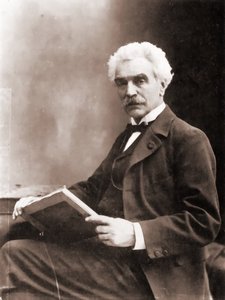
Jean-Léon Gérôme
1824 - 1904 , Francia
Datos clave
- Artistas Influenciados:
- Thomas Eakins
- John Singer Sargent
- Mary Cassatt
- Artistas Que Influyeron: ['Paul Delaroche']
- Fecha De Fallecimiento: 10 de enero de 1904
- Fecha De Nacimiento: 11 de mayo de 1824
- Lugar De Nacimiento: Vesoul, Francia
- Movimiento Artístico: Neoclásico, Orientalismo
- Nacionalidad: Francesa
- Nombre Completo: Jean-Léon Gérôme
- Obras Notables:
- La pelea de gallos
- Oración Pública en El Cairo
- Mujeres del Harem alimentando palomas
Artículos relacionados

The Enduring Power of Painting: A Historical & Contemporary Exploration of Form and Emotion
Explore the rich history & enduring techniques of oil painting with ArtsDot. Discover masterpieces, learn about art collecting, and find authentic handmade reproductions crafted by skilled artists.

The Enduring Legacy of Oil on Canvas: Technique, History & Aesthetic Impact
Explore the rich history & techniques of oil painting – from Renaissance masters to Impressionism. Discover pigments, layering methods, and why this timeless medium endures. Expert insights for artists & art enthusiasts.
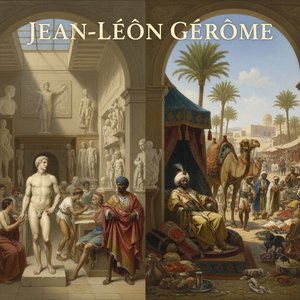
Jean-Léon Gérôme: Academic Rigor & Orientalist Visions Shaping 19th-Century French Painting
Explore the captivating world of Jean-Léon Gérôme, a master of 19th-century academic painting & orientalism. Discover his historical works, artistic techniques, and lasting influence on art history.
Los 10 Maestros del Realismo Académico: Obras que Marcaron la Historia del Arte
Descubre los 10 lienzos más emblemáticos del Realismo Académico. Explora la historia, técnica y belleza de obras maestras de Bouguereau, Gérôme y Cabanel. Encuentra reproducciones de arte clásico en ArtsDot.com.

El Óleo sobre Lienzo: Historia, Técnica y la Persistencia de un Medio Artístico Atemporal
Descubre la historia y técnica del óleo sobre lienzo. Explora reproducciones fieles hechas a mano, personalización artística y consejos de expertos con ArtsDot. ¡Colecciona arte con confianza!