 Ver en contexto
 Enviar
 Compartir
 Detalles

 Descargar
 Similares
 Radiografía
 Presentación de diapositivas
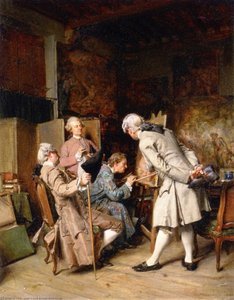
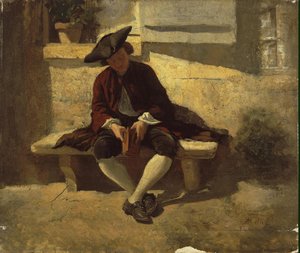
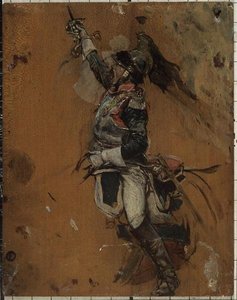
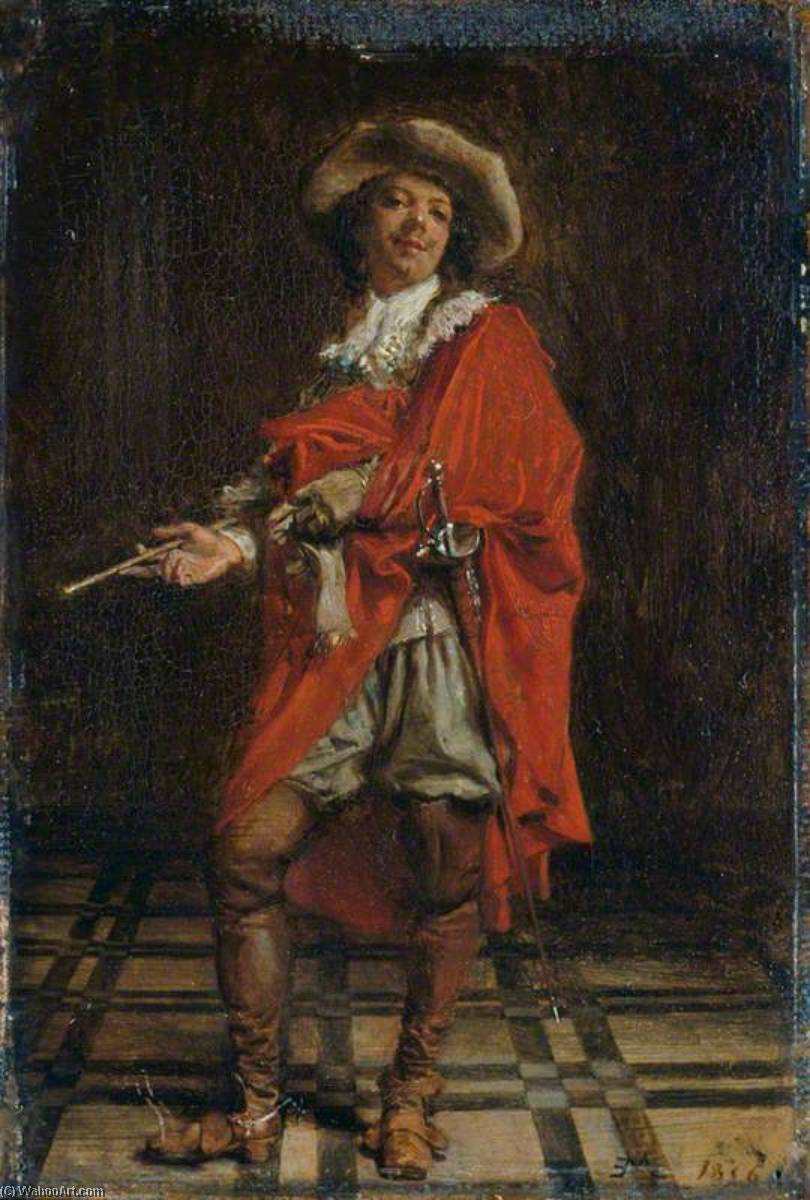
A Cavalier Time of Louis XIV
 Oil On Canvas
- WallArt
 1856
1856 14.0 x 9.0 cm
 The Wallace Collection
 Ver más
Giclée / Impresión de arte
Impresiones giclée o en lienzo de calidad de museo con producción rápida y opciones de acabado flexibles. ( Comprar pintura hecha a mano Comprar imagen)




P118B $10

P118H $10

P118W $10

P438Z $10

P508JH $12

P508YH $12

P805H $10

P805Z $10

P919BZ $10

P919G $10

P919XJ $10

P959ZH $10

P968JZ $12

W106C $8

W218G $10

W218JH $8

W218Y $10

W307PJ $10

W316G $10

W316PJ $8

W316Y $10

W398PJ $8

W4111J $10

W500HY $15

W500JH $15

W692G $12

W849H $8

W940BG $15

W953PJ $8




Elija entre nuestros tamaños predefinidos que respetan las proporciones originales de la obra.

Puede introducir sus propias dimensiones para adaptarse a un marco o espacio específico. Si el tamaño seleccionado no coincide con las proporciones de la imagen original, recortaremos la obra de arte o extenderemos la imagen con un borde con efecto espejo o de color sólido. Se enviará una maqueta digital para su aprobación antes de que comience la producción.
Tenga en cuenta que la vista previa en pantalla no refleja el recorte o la extensión real. Solo la maqueta mostrará con precisión la composición final.
Aunque existen tamaños personalizados, recomendamos seleccionar una dimensión de la lista predefinida para preservar las proporciones originales.
Envío a todo el mundo () en 2 semanas en lugar de las 4/5 semanas estándar. (26 agosto)

Envío exprés gratuito a todo el mundo

Lienzo de lino de alta calidad

Seguro de envío total

Garantía de reembolso de impuestos aduaneros

Garantía de fidelidad cromática exacta

Política de devolución de 60 días (solo por defectos)

Garantía de devolución del 100% del dinero

Descuento por cantidad
 La opción de vidrio solo está disponible en tamaños inferiores a 110 cm.

A Cavalier Time of Louis XIV
Giclée / Impresión de arte
Dimensiones de la reproducción
-


Precio total final
$ 62
Descripción de la pieza
The Enigmatic Figure of the King’s Court
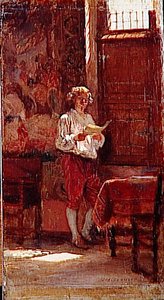
Jean-Louis Ernest Meissonier's "A Cavalier Time of Louis XIV" isn’t merely a painting; it’s a meticulously crafted window into the opulent and carefully constructed world of 18th-century French court life. The scene unfolds with an almost unnerving precision, capturing a single gentleman – a ‘cavalier,’ as the title suggests – standing poised within a richly patterned checkerboard floor. He is a figure of undeniable authority, yet simultaneously imbued with a subtle air of melancholy and quiet contemplation. The composition draws the eye immediately to his scarlet coat, a vibrant splash of color against the muted tones of the room, instantly signaling his status and bearing. The crisp white collar, a symbol of nobility and formality, further emphasizes this distinction. Meissonier’s genius lies not just in depicting a man, but in conveying an entire atmosphere – one of restrained elegance, aristocratic privilege, and perhaps, a hint of underlying loneliness.
- Subject: A single gentleman, likely a member of the French nobility.
- Setting: An interior room with a distinctive checkerboard floor, indicative of high-class residences.
- Clothing: Scarlet coat and white collar – symbols of rank and status.
A Master of Miniature Realism
Meissonier was renowned for his extraordinary ability to render the minutiae of everyday life with breathtaking detail, a technique he termed “miniature realism.” This painting exemplifies this style perfectly. Observe the intricate weave of the carpet, the subtle variations in the texture of the fabric, and the delicate rendering of the man’s clothing – each element is painstakingly rendered, demanding close scrutiny from the viewer. It's a testament to his dedication and technical skill that he could achieve such depth and realism within a relatively small format (14 x 9 cm). This level of detail wasn’t simply for show; it was integral to Meissonier’s artistic vision, allowing him to capture not just the appearance but also the *feeling* of the scene – the weight of tradition, the formality of courtly life, and the quiet dignity of a man accustomed to privilege.
Technique: Miniature realism - meticulous attention to detail, rendering textures with incredible precision.Historical Context & The Shadow of Louis XIV
Created in 1856, “A Cavalier Time of Louis XIV” is firmly rooted in the Romantic era, a period characterized by an intense fascination with history and a desire to recapture the grandeur of past civilizations. The painting directly references the reign of Louis XIV, ‘the Sun King,’ whose court at Versailles epitomized luxury, power, and artistic patronage. Meissonier was deeply influenced by the Dutch masters – particularly Gabriel Metsu and Gerard Douw – who specialized in scenes of domestic life, capturing intimate moments with remarkable realism and psychological depth. The painting subtly evokes the atmosphere of Versailles, a place where appearances were carefully cultivated, and every detail contributed to an image of absolute authority. The man’s posture, his gaze, even the arrangement of objects within the room – all contribute to this sense of controlled elegance.
Symbolism & Emotional Resonance
Beyond its technical brilliance, “A Cavalier Time of Louis XIV” is rich in symbolism. The checkerboard floor, a recurring motif in Meissonier’s work, represents order and control – the foundations upon which the monarchy was built. The man's contemplative expression suggests a certain weariness, perhaps reflecting the burdens of leadership or the isolation that often accompanies power. There’s an undercurrent of melancholy within the scene, hinting at the fleeting nature of glory and the inevitable decline of empires. The painting isn’t simply a portrait; it’s a meditation on power, privilege, and the human condition – a poignant reminder of a bygone era.
Obras relacionadas

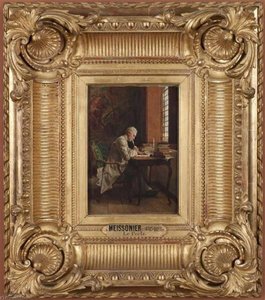
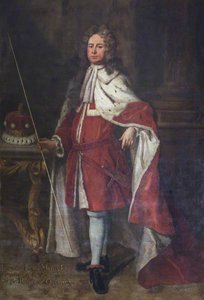
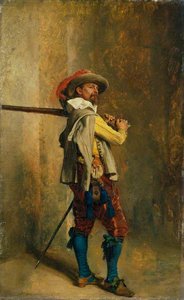
Biografía del artista
Primeros años y formación
Jean-Louis Ernest Meissonier, un renombrado pintor y escultor francés, nació el 21 de febrero de 1815 en Lyon, Francia. Su padre, Charles, esperaba que siguiera sus pasos como exitoso hombre de negocios, pero la pasión de Meissonier por la pintura prevaleció. A los diecisiete años, obtuvo permiso de sus padres para dedicarse a una carrera artística. Su formación inicial incluyó estudiar bajo la tutela de Léon Cogniet y recibir la influencia de maestros holandeses en el Louvre. Esta base sentaría las bases para su estilo distintivo.Ascenso a la prominencia
El gran avance de Meissonier llegó con su pintura Les Bourgeois Flamands (Los Burgueses Holandeses), también conocida como La Visita al Burgomaestre, expuesta en el Salón de 1831. Esta obra, ahora parte de la colección del Sir Richard Wallace en Hertford House, Londres, marcó el comienzo de su éxito con la pintura miniatura en óleo con un detalle microscópico.- Sus obras posteriores, como El Juego de Ajedrez (1841), El Joven Tocando el Violonchelo (1842) y Pintor en su Estudio (1843), consolidaron su reputación por la meticulosa artesanía.
- Su matrimonio con Emma Steinhel, una mujer protestante de Estrasburgo, en 1838, marcó un hito personal significativo.
- La participación de Meissonier con la Guardia Nacional durante los días de junio de 1848 demostró su compromiso con el gobierno republicano.
Estilo y Obras Destacadas
Meissonier es a menudo denominado "el Metsu francés", en referencia al pintor holandés Gabriel Metsu, conocido por sus escenas domésticas burguesas en miniatura. Sus obras se caracterizan por su detalle microscópico e incluyen:- Alto en una Posada, propiedad del duque de Morny.
- La Pelea, propiedad de la reina Victoria.
- Los Jugadores y La Discusión (La Rixe), presentada a la corte inglesa por Napoleón III.
Influencia y Legado
Meissonier fue un exponente clave del clasicismo francés, influyendo en generaciones posteriores de artistas con su enfoque en la precisión técnica y el detalle minucioso. Su habilidad para capturar escenas cotidianas y eventos históricos con tal realismo microscópico lo convirtió en una figura muy solicitada en los salones parisinos. Su legado perdura como un testimonio del dominio técnico y la dedicación al arte, ofreciendo una ventana a la rica herencia cultural del siglo XIX francés. Se pueden encontrar sus obras en museos como el Musée d'Orsay de París.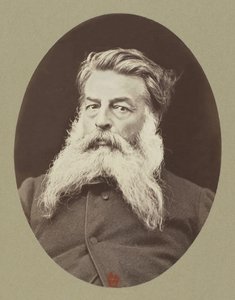
Jean-Louis Ernest Meissonier
1815 - 1891 , Francia
Datos clave
- Artistas Que Influyeron:
- Gabriel Metsu
- Léon Cogniet
- Movimiento Artístico: Clasicismo francés
- Nacionalidad: Francesa
- Nombre Completo: Jean-Louis Ernest Meissonier
- Obras Notables:
- Les bourgeois flamands
- El juego de ajedrez
- El joven tocando el violonchelo
- Pintor en su estudio
- Halt at an inn
- The brawl
- La rixe
- El emperador en Solferino
Artículos relacionados
Jean-Louis Ernest Meissonier: Realism, Historical Narrative & Artistic Perfection
Explore the world of Jean-Louis Ernest Meissonier, a master of French Realism renowned for his meticulously detailed historical & military scenes. Discover his iconic artworks and lasting legacy.

El Siglo XIX en el Arte: 10 Obras Maestras para Decorar con Historia y Estilo
Descubre 10 obras maestras del siglo XIX: Monet, Goya y más. Explora el impresionismo, realismo y romanticismo que definieron una época. Encuentra reproducciones de arte exclusivas para decorar tu hogar con estilo en ArtsDot.com.
Charles Le Brun: Master of French Baroque Classicism & His Enduring Legacy
Explore the life & art of Charles Le Brun, master of French Baroque Classicism. Discover his royal commissions, influence on Versailles, and enduring legacy through detailed analysis & stunning artworks.
Émile Jean Horace Vernet: Romantic Realism & Depicting 19th-Century Life
Explore the life & art of Émile Jean Horace Vernet, a master of Romantic Realism. Discover his captivating battle scenes, portraits, and Orientalist works – a window into 19th-century France. Learn about his techniques & enduring legacy.
Anne-Louis Girodet: Bridging Neoclassicism & Romanticism with Emotional Truth
Explore the captivating world of Anne-Louis Girodet, a pivotal figure bridging Neoclassicism & Romanticism. Discover his masterpieces and unique artistic vision with ArtsDot.