 Ver en contexto
 Enviar
 Compartir
 Detalles

 Descargar
 Similares
 Radiografía
 Presentación de diapositivas
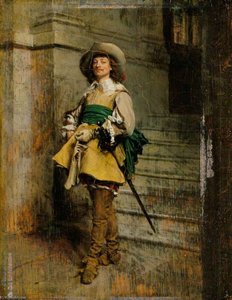
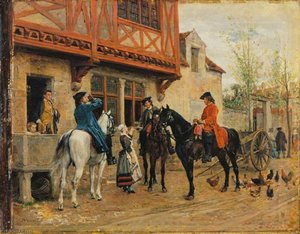
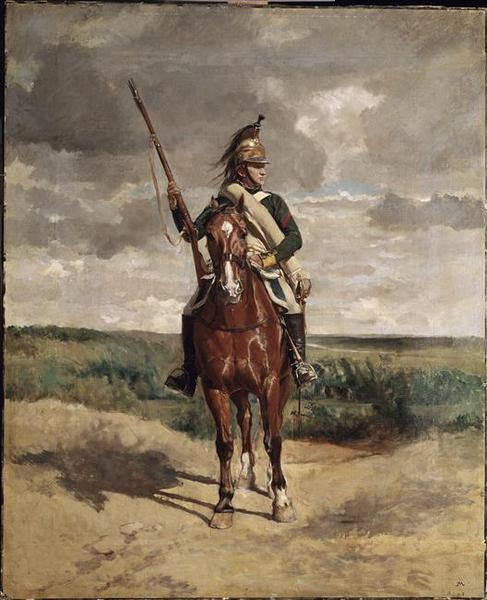
Dragon en vedette dans la campagne


 Ver más
Giclée / Impresión de arte
Impresiones giclée o en lienzo de calidad de museo con producción rápida y opciones de acabado flexibles. ( Comprar pintura hecha a mano Comprar imagen)




P118B $10

P118H $10

P118W $10

P438Z $10

P508JH $12

P508YH $12

P805H $10

P805Z $10

P919BZ $10

P919G $10

P919XJ $10

P959ZH $10

P968JZ $12

W106C $8

W218G $10

W218JH $8

W218Y $10

W307PJ $10

W316G $10

W316PJ $8

W316Y $10

W398PJ $8

W4111J $10

W500HY $15

W500JH $15

W692G $12

W849H $8

W940BG $15

W953PJ $8




Elija entre nuestros tamaños predefinidos que respetan las proporciones originales de la obra.

Puede introducir sus propias dimensiones para adaptarse a un marco o espacio específico. Si el tamaño seleccionado no coincide con las proporciones de la imagen original, recortaremos la obra de arte o extenderemos la imagen con un borde con efecto espejo o de color sólido. Se enviará una maqueta digital para su aprobación antes de que comience la producción.
Tenga en cuenta que la vista previa en pantalla no refleja el recorte o la extensión real. Solo la maqueta mostrará con precisión la composición final.
Aunque existen tamaños personalizados, recomendamos seleccionar una dimensión de la lista predefinida para preservar las proporciones originales.
Envío a todo el mundo () en 2 semanas en lugar de las 4/5 semanas estándar. (26 agosto)

Envío exprés gratuito a todo el mundo

Lienzo de lino de alta calidad

Seguro de envío total

Garantía de reembolso de impuestos aduaneros

Garantía de fidelidad cromática exacta

Política de devolución de 60 días (solo por defectos)

Garantía de devolución del 100% del dinero

Descuento por cantidad
 La opción de vidrio solo está disponible en tamaños inferiores a 110 cm.

Dragon en vedette dans la campagne
Giclée / Impresión de arte
Dimensiones de la reproducción
-


Precio total final
$ 62
Descripción de la pieza
Jean-Louis Ernest Meissonier’s “Dragon en vedette dans la campagne”: A Miniature Masterpiece of Napoleonic Life
Jean-Louis-Ernest Meissonier's "Dragon en vedette dans la campagne" (Dragon in the Countryside), painted in 1879, is more than just a charming pastoral scene; it’s a meticulously crafted window into the world of 19th-century French society and a testament to the artist’s extraordinary technical skill. Often described as “the Dutch Metsu” by critics like John Ruskin, Meissonier specialized in creating incredibly detailed miniature paintings—essentially, large-scale studies that captured intimate moments of everyday life with an almost obsessive precision. This particular work exemplifies his signature style: a focus on capturing the nuances of human interaction and the subtle details of a bygone era, all rendered with painstaking accuracy.
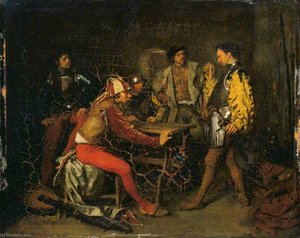
The painting depicts a group of gentlemen engaged in leisurely pursuits amidst a picturesque countryside setting. A distinguished gentleman, clearly a military officer judging by his uniform, sits atop a magnificent chestnut horse, holding a rifle casually in his hand. Around him are several companions – some playing chess, others smoking pipes and enjoying the afternoon sun. The composition is remarkably balanced, drawing the eye through the scene with a careful arrangement of figures and elements. Noticeably absent is any overt narrative; there’s no battle or dramatic event unfolding here, but rather an invitation to observe a quiet moment of camaraderie and refinement.
A Study in Detail: Meissonier's Technique
Meissonier’s technique was legendary for its meticulousness. He famously employed a method of working on multiple canvases simultaneously, allowing him to focus intensely on individual details before bringing them together into a cohesive whole. This approach is vividly apparent in “Dragon en vedette dans la campagne.” The artist's mastery of light and shadow is particularly noteworthy; he uses subtle gradations to create a sense of depth and volume, highlighting the textures of the clothing, the sheen of the horse’s coat, and the dappled sunlight filtering through the trees. The level of detail is astonishing – from the individual buttons on the officers' uniforms to the wrinkles in their faces—reflecting Meissonier’s dedication to realism and his desire to capture the essence of his subjects.
Crucially, Meissonier wasn’t simply copying reality; he was interpreting it. He often used a magnifying glass to examine objects closely before painting them, ensuring that every detail was rendered with utmost accuracy. This obsessive attention to detail is what earned him the admiration of critics like Ruskin, who marveled at his “manual dexterity and eye for fascinating minutiae.” The painting feels less like a straightforward depiction and more like a carefully constructed study in observation and representation.
Symbolism and Social Context
While seemingly a simple scene of leisure, "Dragon en vedette dans la campagne" offers insights into the social dynamics of 19th-century France. The presence of the military officer suggests the importance of the army in French society at the time, while the gentlemen’s attire and demeanor reflect the values of the upper class – refinement, honor, and a cultivated appreciation for leisure. The horse itself is a symbol of status and power, further emphasizing the social hierarchy depicted.
Furthermore, the painting can be interpreted as a nostalgic evocation of a bygone era—a time when aristocratic pursuits were valued and rural life held a certain charm. It’s a snapshot of a world increasingly shaped by industrialization and urbanization, offering a glimpse into a more traditional way of life.
Reproductions and Artistic Legacy
Today, “Dragon en vedette dans la campagne” is housed at the Musée d'Orsay in Paris, where it continues to captivate viewers with its remarkable detail and evocative atmosphere. ArtsDot offers high-quality reproductions that faithfully capture the essence of Meissonier’s masterpiece, allowing art lovers around the world to experience this iconic work firsthand. Whether displayed as a statement piece in a grand salon or as a charming addition to a smaller space, a reproduction of “Dragon en vedette dans la campagne” is sure to spark conversation and admiration.
Consider commissioning a custom-made reproduction on canvas or paper – a truly unique way to bring this miniature masterpiece into your home. The meticulous attention to detail and the rich colors will undoubtedly evoke the same sense of wonder and appreciation that viewers have experienced for over a century.
Obras relacionadas
Biografía del artista
Primeros años y formación
Jean-Louis Ernest Meissonier, un renombrado pintor y escultor francés, nació el 21 de febrero de 1815 en Lyon, Francia. Su padre, Charles, esperaba que siguiera sus pasos como exitoso hombre de negocios, pero la pasión de Meissonier por la pintura prevaleció. A los diecisiete años, obtuvo permiso de sus padres para dedicarse a una carrera artística. Su formación inicial incluyó estudiar bajo la tutela de Léon Cogniet y recibir la influencia de maestros holandeses en el Louvre. Esta base sentaría las bases para su estilo distintivo.Ascenso a la prominencia
El gran avance de Meissonier llegó con su pintura Les Bourgeois Flamands (Los Burgueses Holandeses), también conocida como La Visita al Burgomaestre, expuesta en el Salón de 1831. Esta obra, ahora parte de la colección del Sir Richard Wallace en Hertford House, Londres, marcó el comienzo de su éxito con la pintura miniatura en óleo con un detalle microscópico.- Sus obras posteriores, como El Juego de Ajedrez (1841), El Joven Tocando el Violonchelo (1842) y Pintor en su Estudio (1843), consolidaron su reputación por la meticulosa artesanía.
- Su matrimonio con Emma Steinhel, una mujer protestante de Estrasburgo, en 1838, marcó un hito personal significativo.
- La participación de Meissonier con la Guardia Nacional durante los días de junio de 1848 demostró su compromiso con el gobierno republicano.
Estilo y Obras Destacadas
Meissonier es a menudo denominado "el Metsu francés", en referencia al pintor holandés Gabriel Metsu, conocido por sus escenas domésticas burguesas en miniatura. Sus obras se caracterizan por su detalle microscópico e incluyen:- Alto en una Posada, propiedad del duque de Morny.
- La Pelea, propiedad de la reina Victoria.
- Los Jugadores y La Discusión (La Rixe), presentada a la corte inglesa por Napoleón III.
Influencia y Legado
Meissonier fue un exponente clave del clasicismo francés, influyendo en generaciones posteriores de artistas con su enfoque en la precisión técnica y el detalle minucioso. Su habilidad para capturar escenas cotidianas y eventos históricos con tal realismo microscópico lo convirtió en una figura muy solicitada en los salones parisinos. Su legado perdura como un testimonio del dominio técnico y la dedicación al arte, ofreciendo una ventana a la rica herencia cultural del siglo XIX francés. Se pueden encontrar sus obras en museos como el Musée d'Orsay de París.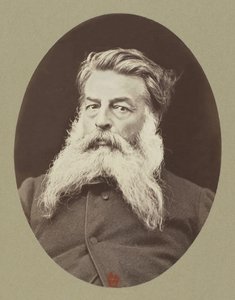
Jean-Louis Ernest Meissonier
1815 - 1891 , Francia
Datos clave
- Artistas Que Influyeron:
- Gabriel Metsu
- Léon Cogniet
- Movimiento Artístico: Clasicismo francés
- Nacionalidad: Francesa
- Nombre Completo: Jean-Louis Ernest Meissonier
- Obras Notables:
- Les bourgeois flamands
- El juego de ajedrez
- El joven tocando el violonchelo
- Pintor en su estudio
- Halt at an inn
- The brawl
- La rixe
- El emperador en Solferino
Artículos relacionados
Romantic Realism's Finest: 10 Masterpieces for Your Home | ArtsDot
Explore 10 defining masterpieces of Romantic Realism! Discover Courbet, Millet & Daumier's powerful paintings—capturing emotion and social realities. Find museum-quality reproductions for your home at ArtsDot.com.
Jean-Louis Ernest Meissonier: Realism, Historical Narrative & Artistic Perfection
Explore the world of Jean-Louis Ernest Meissonier, a master of French Realism renowned for his meticulously detailed historical & military scenes. Discover his iconic artworks and lasting legacy.
Émile Jean Horace Vernet: Romantic Realism & Depicting 19th-Century Life
Explore the life & art of Émile Jean Horace Vernet, a master of Romantic Realism. Discover his captivating battle scenes, portraits, and Orientalist works – a window into 19th-century France. Learn about his techniques & enduring legacy.
The Evocative Embrace of Reality: Exploring Romantic Realism in 19th-Century Painting
Explore the captivating world of Romantic Realism! Discover key artists like Courbet & Millet, masterpieces, and the social context behind this influential art movement. Expert insights for collectors at ArtsDot.
The Poetic Truth of Observation: Exploring 19th-Century Realism in Painting
Explore the captivating world of 19th-century Realism! Discover key artists like Courbet & Millet, masterpieces, and the powerful social commentary behind this influential art movement. Expert insights at ArtsDot.