 Ver en contexto
 Enviar
 Compartir
 Detalles

 Descargar
 Similares
 Radiografía
 Presentación de diapositivas
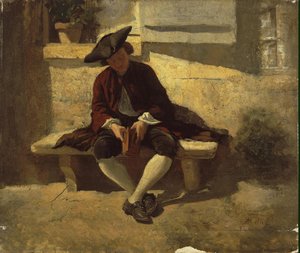
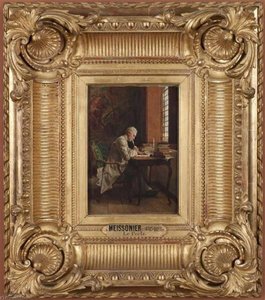
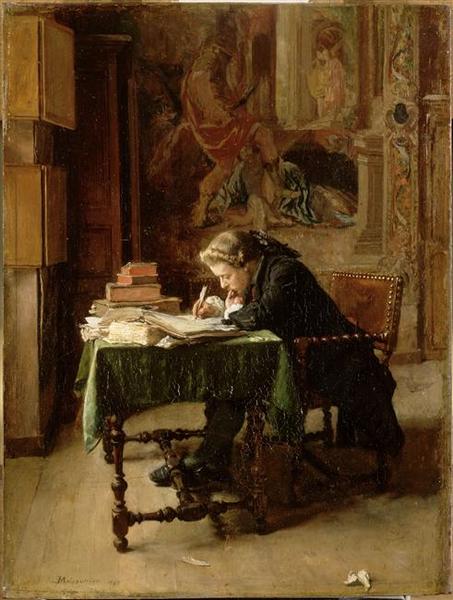
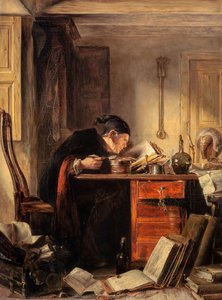
Jeune homme travaillant, dit aussi Jeune homme écrivant


 Ver más
Reproducción al óleo hecha a mano
Óleo sobre lienzo pintado a mano en el tamaño y marco de su elección, realizado por encargo por nuestros artistas. ( Comprar impresión Comprar imagen)




P118B $10

P118H $10

P118W $10

P438Z $10

P508JH $12

P508YH $12

P805H $10

P805Z $10

P919BZ $10

P919G $10

P919XJ $10

P959ZH $10

P968JZ $12

W106C $8

W218G $10

W218JH $8

W218Y $10

W307PJ $10

W316G $10

W316PJ $8

W316Y $10

W398PJ $8

W4111J $10

W500HY $15

W500JH $15

W692G $12

W849H $8

W940BG $15

W953PJ $8




Elija entre nuestros tamaños predefinidos que respetan las proporciones originales de la obra.

Puede ingresar sus propias dimensiones para adaptarse a un marco o espacio específico. Si el tamaño seleccionado no coincide con las proporciones de la imagen original, recortaremos la obra o extenderemos la pintura con elementos adicionales pintados a mano. Se le enviará una maqueta digital para su aprobación antes de comenzar la producción.
Tenga en cuenta que la vista previa en pantalla no refleja el recorte o la extensión reales. Solo la maqueta mostrará con precisión la composición final.
Si bien existen tamaños personalizados, recomendamos seleccionar una dimensión de la lista predefinida para preservar las proporciones originales.
Tras realizar el pedido, el equipo de ArtsDot.com enviará un correo electrónico al cliente para solicitar instrucciones y proporcionarle una vista previa del boceto.
Envío a todo el mundo () en 3-4 semanas en lugar de las 5 semanas estándar. (6 septiembre). Sin comprometer la calidad.

Envío exprés gratuito a todo el mundo

Lienzo de lino de alta calidad

Seguro de envío total

Garantía de reembolso de impuestos aduaneros

Garantía de fidelidad cromática exacta

Política de devolución de 100 días (solo por defectos)

Garantía de devolución del 100% del dinero

Descuento por cantidad
 La opción de vidrio solo está disponible en tamaños inferiores a 110 cm.

Jeune homme travaillant, dit aussi Jeune homme écrivant
Técnica de reproducción
Dimensiones de la reproducción
-


Precio total final
$ 263
The Quiet Ritual of Intellect
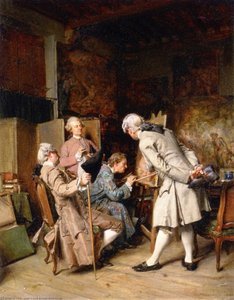
This evocative portrait captures a moment suspended in time—the quiet industry of thought itself. We find ourselves before a young man seated at a substantial desk, surrounded by the tangible evidence of a cultivated mind. He is absorbed in his work, whether transcribing thoughts onto paper or deeply immersed in the pages before him. The composition immediately draws the viewer into this intimate sphere, suggesting that true genius often blossoms not amidst grand pronouncements, but within the hushed confines of study.
The arrangement of objects—the scattered books, the steady presence of the chair, and the watchful clock on the wall—all contribute to a sense of ordered contemplation. It is a scene steeped in the atmosphere of the Enlightenment's enduring reverence for knowledge, inviting us to pause our own hurried modern lives and simply observe the act of creation.
Mastery in Miniature Realism: The Meissonier Touch
The hand that painted this work belongs to Jean-Louis Ernest Meissonier, an artist whose career defined a period of meticulous observation within French painting. Meissonier’s genius lay in his ability to elevate the everyday—the bourgeois drawing room, the scholar at work—to the level of high art. His technique is characterized by an almost breathtaking realism; every fold of fabric, every spine on the book, and the subtle texture of the wood desk speaks to a profound dedication to detail.
One can sense his influence from the Dutch masters he so admired, translating their intimate genre scenes into a grander narrative format. This painting is not merely a likeness; it is a demonstration of technical virtuosity, where light seems to fall with palpable weight upon the polished surface and the vellum.
Symbolism of Study and Enlightenment
Beyond the portrait itself, the symbolism woven into this scene is rich for any collector or decorator. The books are not mere props; they represent accumulated wisdom, the dialogue between past knowledge and present inquiry. The act of writing or reading symbolizes progress, the continuous human quest to understand the world through art and intellect. For those who value learning, scholarship, or the quiet pursuit of a craft, this piece serves as a powerful talisman.
The inclusion of the clock subtly reminds us that while time passes relentlessly, the act of thoughtful engagement—the moment captured here—is what gives life its enduring meaning. It speaks to a timeless balance between temporal passage and eternal contemplation.
Bringing Academic Serenity Home
For the discerning interior designer or art lover seeking to infuse a space with intellectual gravitas, this reproduction offers unparalleled depth. Imagine this piece gracing a library, an executive study, or a refined drawing-room. It does more than decorate; it suggests a history of thoughtful habitation.
Owning a work echoing Meissonier’s style allows one to curate an atmosphere of cultured repose. It is a visual anchor that grounds a room in tradition while celebrating the enduring power of human creativity. It whispers tales of quiet dedication, making any space feel instantly more profound and richly lived-in.
CLASSIFICATION: Art ReproductionObras relacionadas
Biografía del artista
Primeros años y formación
Jean-Louis Ernest Meissonier, un renombrado pintor y escultor francés, nació el 21 de febrero de 1815 en Lyon, Francia. Su padre, Charles, esperaba que siguiera sus pasos como exitoso hombre de negocios, pero la pasión de Meissonier por la pintura prevaleció. A los diecisiete años, obtuvo permiso de sus padres para dedicarse a una carrera artística. Su formación inicial incluyó estudiar bajo la tutela de Léon Cogniet y recibir la influencia de maestros holandeses en el Louvre. Esta base sentaría las bases para su estilo distintivo.Ascenso a la prominencia
El gran avance de Meissonier llegó con su pintura Les Bourgeois Flamands (Los Burgueses Holandeses), también conocida como La Visita al Burgomaestre, expuesta en el Salón de 1831. Esta obra, ahora parte de la colección del Sir Richard Wallace en Hertford House, Londres, marcó el comienzo de su éxito con la pintura miniatura en óleo con un detalle microscópico.- Sus obras posteriores, como El Juego de Ajedrez (1841), El Joven Tocando el Violonchelo (1842) y Pintor en su Estudio (1843), consolidaron su reputación por la meticulosa artesanía.
- Su matrimonio con Emma Steinhel, una mujer protestante de Estrasburgo, en 1838, marcó un hito personal significativo.
- La participación de Meissonier con la Guardia Nacional durante los días de junio de 1848 demostró su compromiso con el gobierno republicano.
Estilo y Obras Destacadas
Meissonier es a menudo denominado "el Metsu francés", en referencia al pintor holandés Gabriel Metsu, conocido por sus escenas domésticas burguesas en miniatura. Sus obras se caracterizan por su detalle microscópico e incluyen:- Alto en una Posada, propiedad del duque de Morny.
- La Pelea, propiedad de la reina Victoria.
- Los Jugadores y La Discusión (La Rixe), presentada a la corte inglesa por Napoleón III.
Influencia y Legado
Meissonier fue un exponente clave del clasicismo francés, influyendo en generaciones posteriores de artistas con su enfoque en la precisión técnica y el detalle minucioso. Su habilidad para capturar escenas cotidianas y eventos históricos con tal realismo microscópico lo convirtió en una figura muy solicitada en los salones parisinos. Su legado perdura como un testimonio del dominio técnico y la dedicación al arte, ofreciendo una ventana a la rica herencia cultural del siglo XIX francés. Se pueden encontrar sus obras en museos como el Musée d'Orsay de París.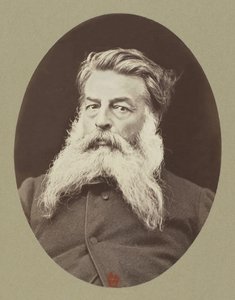
Jean-Louis Ernest Meissonier
1815 - 1891 , Francia
Datos clave
- Artistas Que Influyeron:
- Gabriel Metsu
- Léon Cogniet
- Movimiento Artístico: Clasicismo francés
- Nacionalidad: Francesa
- Nombre Completo: Jean-Louis Ernest Meissonier
- Obras Notables:
- Les bourgeois flamands
- El juego de ajedrez
- El joven tocando el violonchelo
- Pintor en su estudio
- Halt at an inn
- The brawl
- La rixe
- El emperador en Solferino
Artículos relacionados
Los 10 Maestros del Realismo Académico: Obras que Marcaron la Historia del Arte
Descubre los 10 lienzos más emblemáticos del Realismo Académico. Explora la historia, técnica y belleza de obras maestras de Bouguereau, Gérôme y Cabanel. Encuentra reproducciones de arte clásico en ArtsDot.com.
Romantic Realism's Finest: 10 Masterpieces for Your Home | ArtsDot
Explore 10 defining masterpieces of Romantic Realism! Discover Courbet, Millet & Daumier's powerful paintings—capturing emotion and social realities. Find museum-quality reproductions for your home at ArtsDot.com.
El Realismo Académico: Técnica, Historia e Influencia Duradera en el Arte
Descubre el Realismo Académico: su historia, técnicas innovadoras y los artistas clave como Courbet y Manet. Guía experta para coleccionistas y amantes del arte del siglo XIX.
El Auge del Arte Académico: Tradición, Técnica y la Búsqueda de la Forma Ideal en el Siglo XIX
Descubre el auge del arte académico en el siglo XIX: técnicas impecables, maestros como Bouguereau y Gérôme, y la búsqueda de la belleza ideal. Un análisis profundo para amantes del arte clásico.

Giclée Prints: Archival Quality & Aesthetic Nuances for the Discerning Collector
Explore the world of giclée prints with ArtsDot. Learn about archival quality, aesthetic nuances & investment potential. Expert guidance for discerning art collectors seeking museum-quality reproductions and lasting value.