 Vista previa
 Compartir
 Compartir
 Ver detalles

 Descargar
 Ver similares
 Radiografía
 Presentación de diapositivas
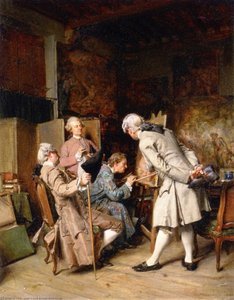
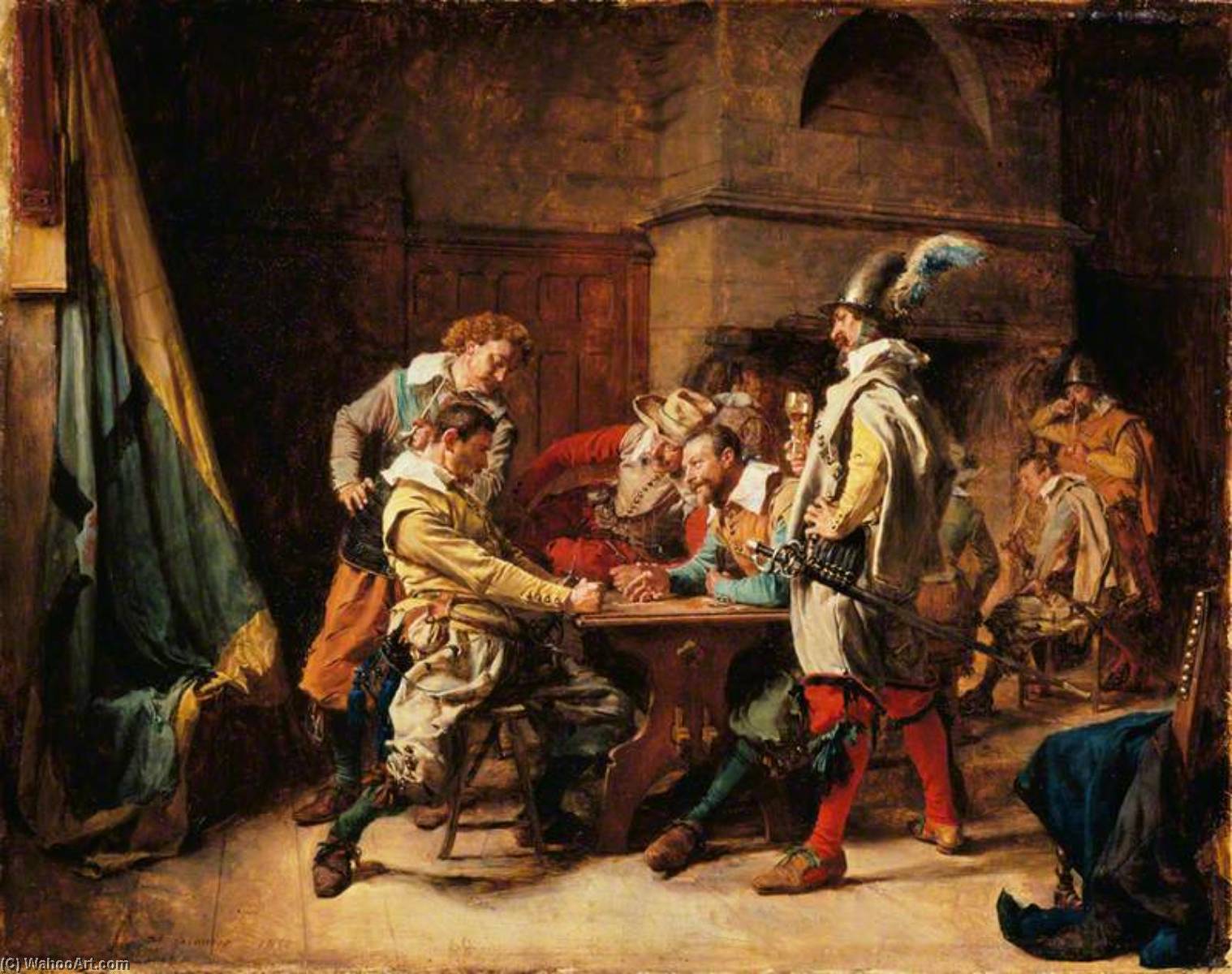
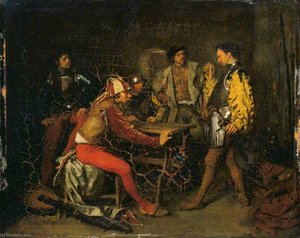
The Lost Game


 Leer más
Reproducción al óleo hecha a mano
Óleo sobre lienzo pintado a mano en el tamaño y marco de su elección, realizado por encargo por nuestros artistas. ( Pedir impresión Comprar descarga)




P118B $10

P118H $10

P118W $10

P438Z $10

P508JH $12

P508YH $12

P805H $10

P805Z $10

P919BZ $10

P919G $10

P919XJ $10

P959ZH $10

P968JZ $12

W106C $8

W218G $10

W218JH $8

W218Y $10

W307PJ $10

W316G $10

W316PJ $8

W316Y $10

W398PJ $8

W4111J $10

W500HY $15

W500JH $15

W692G $12

W849H $8

W940BG $15

W953PJ $8




Elija entre nuestros tamaños predefinidos que respetan las proporciones originales de la obra.

Puede ingresar sus propias dimensiones para adaptarse a un marco o espacio específico. Si el tamaño seleccionado no coincide con las proporciones de la imagen original, recortaremos la obra o extenderemos la pintura con elementos adicionales pintados a mano. Se le enviará una maqueta digital para su aprobación antes de comenzar la producción.
Tenga en cuenta que la vista previa en pantalla no refleja el recorte o la extensión reales. Solo la maqueta mostrará con precisión la composición final.
Si bien existen tamaños personalizados, recomendamos seleccionar una dimensión de la lista predefinida para preservar las proporciones originales.
Tras realizar el pedido, el equipo de ArtsDot.com enviará un correo electrónico al cliente para solicitar instrucciones y proporcionarle una vista previa del boceto.
Envío a todo el mundo () en 3-4 semanas en lugar de las 5 semanas estándar. (21 agosto). Sin comprometer la calidad.

Envío exprés gratuito a todo el mundo

Lienzo de lino de alta calidad

Seguro de envío completo

Garantía de reembolso de aranceles aduaneros

Garantía de fidelidad cromática exacta

Política de devolución de 60 días (solo por defectos)

Garantía de devolución del 100% del dinero

Oferta por volumen
 La opción de vidrio solo está disponible en tamaños inferiores a 110 cm.

The Lost Game
Técnica de reproducción
Tamaño de la reproducción
-


Precio total
$ 263
Descripción de la obra
Jean-Louis Ernest Meissonier’s “The Lost Game”: A Microscopic Masterpiece of Victorian Leisure
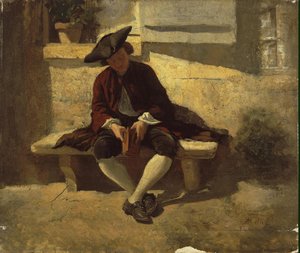
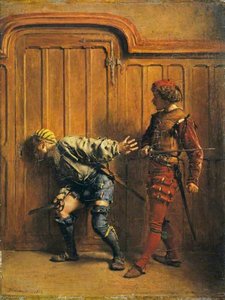
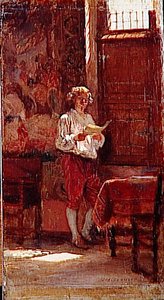
“The Lost Game,” painted in 1858 by the celebrated French artist Jean-Louis Ernest Meissonier, is more than just a depiction of gentlemen engaged in a card game; it's a meticulously crafted window into the social fabric and psychological nuances of mid-19th century France. Meissonier, renowned for his extraordinary ability to capture fleeting moments of everyday life with astonishing detail – earning him the moniker “the French Metsu” – here presents a scene brimming with quiet observation and subtle tension. The painting’s power lies not in grand gestures or dramatic action, but in its intimate portrayal of a seemingly trivial pastime elevated to an almost ritualistic performance.
The composition is deceptively simple: nine men are seated around a mahogany table, bathed in the warm glow of lamplight. Each figure is rendered with painstaking accuracy – from the meticulously embroidered waistcoat and cravat to the carefully positioned fingers holding playing cards. Meissonier’s signature technique—microscopic painting—is on full display here. He doesn't merely paint figures; he dissects them, revealing every wrinkle, every bead of perspiration, every subtle shift in posture. This level of detail wasn’t simply a technical exercise; it was a deliberate attempt to immerse the viewer in the scene, creating an illusion of proximity and intimacy. The use of chiaroscuro – dramatic contrasts between light and shadow – further enhances this effect, drawing attention to key elements while simultaneously obscuring others, adding layers of mystery and intrigue.
A Glimpse into Victorian Social Life
“The Lost Game” offers a fascinating glimpse into the leisure activities of the French upper class during the Second Empire. The scene unfolds within a richly furnished room – a testament to the opulence and material prosperity of the era. The two dining tables, the comfortable chairs, and the carefully chosen accessories all speak to a life of comfort and refinement. However, beneath this veneer of affluence lies a subtle undercurrent of competition and social maneuvering. The men are not simply playing cards; they’re engaged in a complex dance of status, reputation, and perhaps even veiled rivalry. The game itself – likely piquet, a popular card game of the time – served as a focal point for social interaction, providing an opportunity to display wit, skill, and social grace.
Meissonier’s choice of subject matter is particularly noteworthy. He wasn't interested in depicting heroic battles or historical events; instead, he focused on the mundane details of everyday life – a deliberate departure from the prevailing artistic trends of his time. This focus on domesticity and social interaction reflected a broader shift in French art during the Second Empire, as artists increasingly sought to capture the realities of bourgeois society. The painting’s popularity at the time underscored this trend, demonstrating a public appetite for images that offered a window into the lives of their peers.
Symbolism and the Enigmatic “Game”
The title itself – "The Lost Game" – is laden with symbolic weight. While the literal meaning refers to the card game being played, it also alludes to the broader concept of a mental game—a phenomenon that would later gain widespread notoriety in the 21st century. Some scholars believe Meissonier was consciously referencing this emerging psychological phenomenon, using the painting as a visual metaphor for the elusive nature of human consciousness and the challenges of self-control. The very act of playing the game becomes a performance, a subtle display of intellect and social acumen.
Furthermore, the scene’s quiet intensity—the focused expressions on the men's faces, the careful positioning of their hands—suggests that there is more at stake than mere entertainment. The painting invites us to speculate about the unspoken rules and hidden agendas that govern this seemingly innocent pastime. Is it a friendly competition? A test of skill? Or perhaps a carefully orchestrated display of social dominance?
A Timeless Reproduction
Reproduced with exceptional fidelity, “The Lost Game” retains its captivating charm and historical significance. ArtsDot’s hand-painted reproductions capture the artist's meticulous detail and evocative atmosphere, offering a stunning addition to any collection or interior space. The painting’s intimate scale—measuring just 21 x 27 cm—makes it ideal for smaller rooms or private studies, while its rich colors and intricate details command attention wherever it is displayed. This remarkable work serves as a poignant reminder of the enduring appeal of Meissonier's artistic vision and his ability to transform the ordinary into the extraordinary.
Obras relacionadas
Biografía del artista
Primeros años y formación
Jean-Louis Ernest Meissonier, un renombrado pintor y escultor francés, nació el 21 de febrero de 1815 en Lyon, Francia. Su padre, Charles, esperaba que siguiera sus pasos como exitoso hombre de negocios, pero la pasión de Meissonier por la pintura prevaleció. A los diecisiete años, obtuvo permiso de sus padres para dedicarse a una carrera artística. Su formación inicial incluyó estudiar bajo la tutela de Léon Cogniet y recibir la influencia de maestros holandeses en el Louvre. Esta base sentaría las bases para su estilo distintivo.Ascenso a la prominencia
El gran avance de Meissonier llegó con su pintura Les Bourgeois Flamands (Los Burgueses Holandeses), también conocida como La Visita al Burgomaestre, expuesta en el Salón de 1831. Esta obra, ahora parte de la colección del Sir Richard Wallace en Hertford House, Londres, marcó el comienzo de su éxito con la pintura miniatura en óleo con un detalle microscópico.- Sus obras posteriores, como El Juego de Ajedrez (1841), El Joven Tocando el Violonchelo (1842) y Pintor en su Estudio (1843), consolidaron su reputación por la meticulosa artesanía.
- Su matrimonio con Emma Steinhel, una mujer protestante de Estrasburgo, en 1838, marcó un hito personal significativo.
- La participación de Meissonier con la Guardia Nacional durante los días de junio de 1848 demostró su compromiso con el gobierno republicano.
Estilo y Obras Destacadas
Meissonier es a menudo denominado "el Metsu francés", en referencia al pintor holandés Gabriel Metsu, conocido por sus escenas domésticas burguesas en miniatura. Sus obras se caracterizan por su detalle microscópico e incluyen:- Alto en una Posada, propiedad del duque de Morny.
- La Pelea, propiedad de la reina Victoria.
- Los Jugadores y La Discusión (La Rixe), presentada a la corte inglesa por Napoleón III.
Influencia y Legado
Meissonier fue un exponente clave del clasicismo francés, influyendo en generaciones posteriores de artistas con su enfoque en la precisión técnica y el detalle minucioso. Su habilidad para capturar escenas cotidianas y eventos históricos con tal realismo microscópico lo convirtió en una figura muy solicitada en los salones parisinos. Su legado perdura como un testimonio del dominio técnico y la dedicación al arte, ofreciendo una ventana a la rica herencia cultural del siglo XIX francés. Se pueden encontrar sus obras en museos como el Musée d'Orsay de París.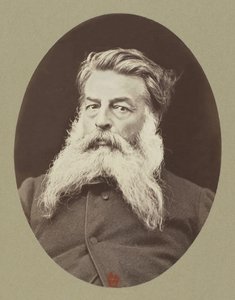
Jean-Louis Ernest Meissonier
1815 - 1891 , Francia
Datos clave
- Artistas Que Influyeron:
- Gabriel Metsu
- Léon Cogniet
- Movimiento Artístico: Clasicismo francés
- Nacionalidad: Francesa
- Nombre Completo: Jean-Louis Ernest Meissonier
- Obras Notables:
- Les bourgeois flamands
- El juego de ajedrez
- El joven tocando el violonchelo
- Pintor en su estudio
- Halt at an inn
- The brawl
- La rixe
- El emperador en Solferino
Artículos relacionados
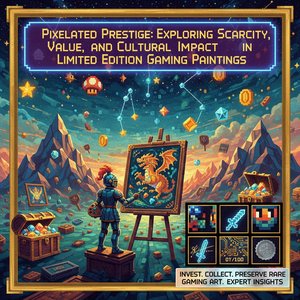
Pixelated Prestige: Explorando la Escasez, el Valor y el Impacto Cultural en las Pinturas de Edición Limitada de Videojuegos
Descubre el fascinante mundo del arte de videojuegos en edición limitada. Reproducciones de alta calidad y análisis experto para coleccionistas apasionados. ¡Invierte en piezas únicas!
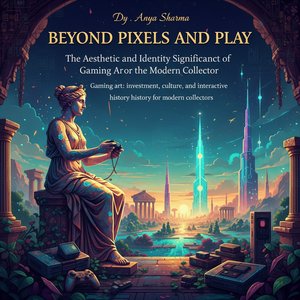
Más Allá de los Píxeles y el Juego: Significado Estético e Identitario del Arte en los Videojuegos para el Coleccionista Moderno
Descubre el valor estético e identitario de los videojuegos como forma de arte moderna. Guía experta para coleccionistas, tendencias y análisis del mercado. ¡Invierte con conocimiento!
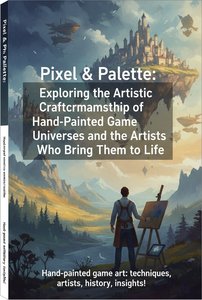
Pinceladas y Peleas Épicas: El Arte Detrás de los Universos Videolúdicos Pintados a Mano
Descubre el fascinante mundo del arte conceptual en videojuegos. Técnicas avanzadas, inspiración de Klimt y consejos expertos para crear mundos virtuales impresionantes. ¡Eleva tus diseños!
Romantic Realism's Finest: 10 Masterpieces for Your Home | ArtsDot
Explore 10 defining masterpieces of Romantic Realism! Discover Courbet, Millet & Daumier's powerful paintings—capturing emotion and social realities. Find museum-quality reproductions for your home at ArtsDot.com.
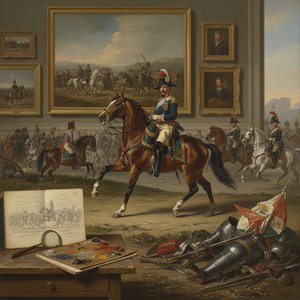
Jean-Louis Ernest Meissonier: Realism, Historical Narrative & Artistic Perfection
Explore the world of Jean-Louis Ernest Meissonier, a master of French Realism renowned for his meticulously detailed historical & military scenes. Discover his iconic artworks and lasting legacy.