 Vista previa
 Compartir
 Compartir
 Ver detalles

 Descargar
 Ver similares
 Radiografía
 Presentación de diapositivas
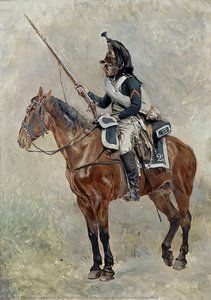
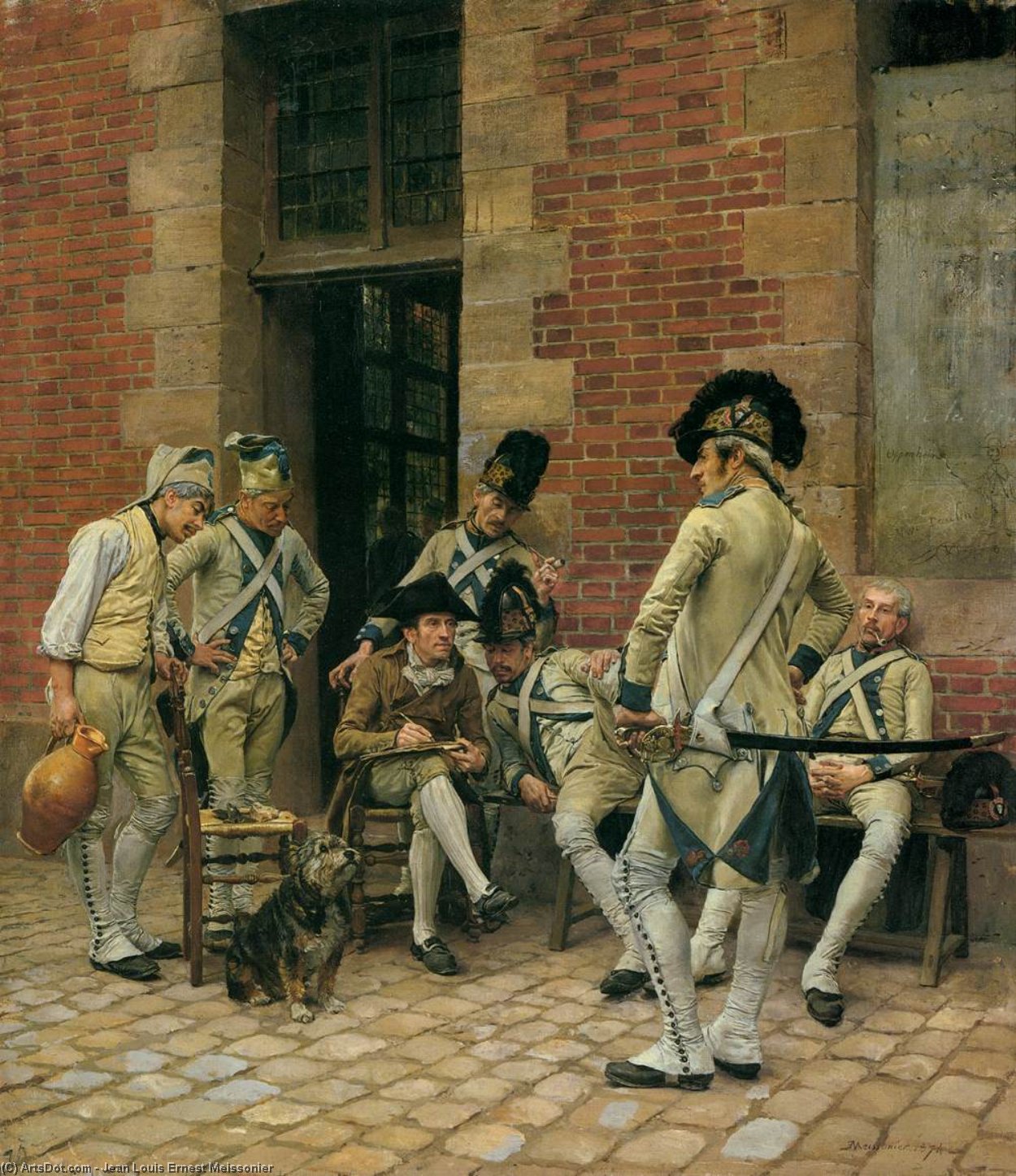
The Portrait of a Sergeant
 Acrylic On Canvas
- WallArt
- Contemporary Realism
 1874
1874 73.0 x 62.0 cm
 Hamburger Kunsthalle
 Leer más
Giclée / Impresión de arte
Impresiones giclée o en lienzo de calidad de museo con producción rápida y opciones de acabado flexibles. ( Encargar reproducción pintada a mano Comprar descarga)




P118B $10

P118H $10

P118W $10

P438Z $10

P508JH $12

P508YH $12

P805H $10

P805Z $10

P919BZ $10

P919G $10

P919XJ $10

P959ZH $10

P968JZ $12

W106C $8

W218G $10

W218JH $8

W218Y $10

W307PJ $10

W316G $10

W316PJ $8

W316Y $10

W398PJ $8

W4111J $10

W500HY $15

W500JH $15

W692G $12

W849H $8

W940BG $15

W953PJ $8




Elija entre nuestros tamaños predefinidos que respetan las proporciones originales de la obra.

Puede introducir sus propias dimensiones para adaptarse a un marco o espacio específico. Si el tamaño seleccionado no coincide con las proporciones de la imagen original, recortaremos la obra de arte o extenderemos la imagen con un borde con efecto espejo o de color sólido. Se enviará una maqueta digital para su aprobación antes de que comience la producción.
Tenga en cuenta que la vista previa en pantalla no refleja el recorte o la extensión real. Solo la maqueta mostrará con precisión la composición final.
Aunque existen tamaños personalizados, recomendamos seleccionar una dimensión de la lista predefinida para preservar las proporciones originales.
Envío a todo el mundo () en 2 semanas en lugar de las 4/5 semanas estándar. (21 agosto)

Envío exprés gratuito a todo el mundo

Lienzo de lino de alta calidad

Seguro de envío completo

Garantía de reembolso de aranceles aduaneros

Garantía de fidelidad cromática exacta

Política de devolución de 60 días (solo por defectos)

Garantía de devolución del 100% del dinero

Oferta por volumen
 La opción de vidrio solo está disponible en tamaños inferiores a 110 cm.

The Portrait of a Sergeant
Giclée / Impresión de arte
Tamaño de la reproducción
-


Precio total
$ 62
Descripción de la pieza
A Window Into Victorian France: Jean-Louis Ernest Meissonier’s “The Portrait of a Sergeant”
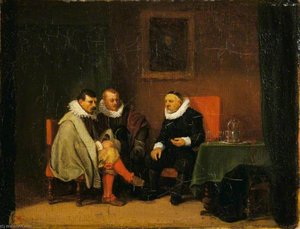
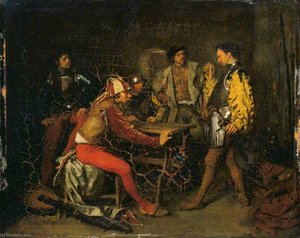
Jean-Louis Ernest Meissonier (1815 – 1891), born in Lyon, France, stands as an undeniable titan amongst French realist painters of the late nineteenth century. Initially met with familial disapproval regarding his artistic ambitions—his father envisioned him pursuing commerce—Meissonier stubbornly clung to his passion for painting, securing permission to study under Léon Cogniet and subsequently immersing himself in the meticulous observation championed by Dutch masters like Gabriel Metsu and Gerard Douw at the Louvre. This formative influence instilled within him a dedication to capturing reality with unparalleled accuracy, shaping his artistic trajectory into one of enduring distinction. “The Portrait of a Sergeant,” completed in 1874, exemplifies Meissonier’s masterful command of technique and unwavering commitment to historical narrative. The painting depicts a group of French soldiers stationed outside a brick building—a scene meticulously rendered with painstaking detail that speaks volumes about the era's social landscape. Nine men are portrayed, positioned with varying degrees of closeness, creating a dynamic composition that draws the viewer’s eye across the canvas. Notably present is a dog, strategically placed near the center, adding an element of domesticity to this military tableau—a subtle counterpoint to the seriousness of the subject matter. Meissonier's technique – characterized by layering thin glazes over a dark underpainting – achieves remarkable luminosity and depth. He painstakingly recreated textures with meticulous brushstrokes, capturing the rough surface of brickwork and the folds of uniforms with astonishing realism. This painstaking process demanded considerable time and patience, reflecting Meissonier’s belief that true artistic achievement stemmed from exhaustive observation and unwavering dedication to craft. The artist's deliberate use of chiaroscuro—the dramatic interplay between light and shadow—further enhances the painting’s emotional impact, emphasizing the faces of the soldiers and highlighting the solemn atmosphere of the scene. Beyond its technical brilliance, “The Portrait of a Sergeant” resonates with profound historical significance. It captures a moment in time during France's colonial expansion – specifically, the siege of Jerusalem in 1874-75—a pivotal event that galvanized nationalist sentiment and fueled debates about imperial ambition. The painting serves as a visual record of this tumultuous period, conveying not only the physical realities of military encampments but also the psychological burdens borne by those involved. Furthermore, the inclusion of the dog symbolizes loyalty and companionship amidst hardship – themes prevalent in Victorian art and reflecting broader societal values concerning family and duty. “The Portrait of a Sergeant” transcends mere depiction; it aspires to evoke emotion. The somber expressions on the soldiers’ faces convey weariness and determination, mirroring the anxieties inherent in confronting formidable adversaries. Meissonier skillfully utilizes color palettes—primarily muted browns and grays—to reinforce this mood of seriousness and restraint. Ultimately, the painting invites contemplation about courage, resilience, and the enduring legacy of historical events. It remains a testament to Meissonier’s unparalleled ability to transform observation into art – an artwork destined to inspire collectors and interior designers alike who appreciate the beauty of meticulous realism and the power of storytelling.Obras relacionadas
Biografía del artista
Primeros años y formación
Jean-Louis Ernest Meissonier, un renombrado pintor y escultor francés, nació el 21 de febrero de 1815 en Lyon, Francia. Su padre, Charles, esperaba que siguiera sus pasos como exitoso hombre de negocios, pero la pasión de Meissonier por la pintura prevaleció. A los diecisiete años, obtuvo permiso de sus padres para dedicarse a una carrera artística. Su formación inicial incluyó estudiar bajo la tutela de Léon Cogniet y recibir la influencia de maestros holandeses en el Louvre. Esta base sentaría las bases para su estilo distintivo.Ascenso a la prominencia
El gran avance de Meissonier llegó con su pintura Les Bourgeois Flamands (Los Burgueses Holandeses), también conocida como La Visita al Burgomaestre, expuesta en el Salón de 1831. Esta obra, ahora parte de la colección del Sir Richard Wallace en Hertford House, Londres, marcó el comienzo de su éxito con la pintura miniatura en óleo con un detalle microscópico.- Sus obras posteriores, como El Juego de Ajedrez (1841), El Joven Tocando el Violonchelo (1842) y Pintor en su Estudio (1843), consolidaron su reputación por la meticulosa artesanía.
- Su matrimonio con Emma Steinhel, una mujer protestante de Estrasburgo, en 1838, marcó un hito personal significativo.
- La participación de Meissonier con la Guardia Nacional durante los días de junio de 1848 demostró su compromiso con el gobierno republicano.
Estilo y Obras Destacadas
Meissonier es a menudo denominado "el Metsu francés", en referencia al pintor holandés Gabriel Metsu, conocido por sus escenas domésticas burguesas en miniatura. Sus obras se caracterizan por su detalle microscópico e incluyen:- Alto en una Posada, propiedad del duque de Morny.
- La Pelea, propiedad de la reina Victoria.
- Los Jugadores y La Discusión (La Rixe), presentada a la corte inglesa por Napoleón III.
Influencia y Legado
Meissonier fue un exponente clave del clasicismo francés, influyendo en generaciones posteriores de artistas con su enfoque en la precisión técnica y el detalle minucioso. Su habilidad para capturar escenas cotidianas y eventos históricos con tal realismo microscópico lo convirtió en una figura muy solicitada en los salones parisinos. Su legado perdura como un testimonio del dominio técnico y la dedicación al arte, ofreciendo una ventana a la rica herencia cultural del siglo XIX francés. Se pueden encontrar sus obras en museos como el Musée d'Orsay de París.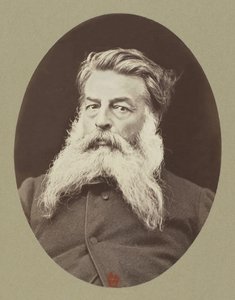
Jean-Louis Ernest Meissonier
1815 - 1891 , Francia
Datos clave
- Artistas Que Influyeron:
- Gabriel Metsu
- Léon Cogniet
- Movimiento Artístico: Clasicismo francés
- Nacionalidad: Francesa
- Nombre Completo: Jean-Louis Ernest Meissonier
- Obras Notables:
- Les bourgeois flamands
- El juego de ajedrez
- El joven tocando el violonchelo
- Pintor en su estudio
- Halt at an inn
- The brawl
- La rixe
- El emperador en Solferino
Artículos relacionados
Jean-Louis Ernest Meissonier: Realism, Historical Narrative & Artistic Perfection
Explore the world of Jean-Louis Ernest Meissonier, a master of French Realism renowned for his meticulously detailed historical & military scenes. Discover his iconic artworks and lasting legacy.
Jean-Louis Forain: Capturing Parisian Life with Wit & Realism
Explore the captivating world of Jean-Louis Forain, a master Impressionist chronicler of Belle Époque Paris. Discover his satirical paintings, realistic scenes & lasting legacy. Learn about collecting Forain's art today!
Émile Jean Horace Vernet: Romantic Realism & Depicting 19th-Century Life
Explore the life & art of Émile Jean Horace Vernet, a master of Romantic Realism. Discover his captivating battle scenes, portraits, and Orientalist works – a window into 19th-century France. Learn about his techniques & enduring legacy.
Romantic Realism's Finest: 10 Masterpieces for Your Home | ArtsDot
Explore 10 defining masterpieces of Romantic Realism! Discover Courbet, Millet & Daumier's powerful paintings—capturing emotion and social realities. Find museum-quality reproductions for your home at ArtsDot.com.
Jean-Marc Nattier: Rococo Portraiture & Aristocratic Patronage
Explore the exquisite Rococo portraits of Jean-Marc Nattier, favored by French aristocracy. Discover his artistic techniques, patronage network, and lasting legacy – a guide for discerning collectors.