 Ver en contexto
 Enviar
 Compartir
 Detalles

 Descargar
 Similares
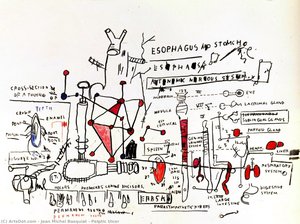
 Radiografía
 Presentación de diapositivas
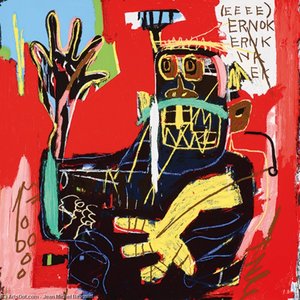
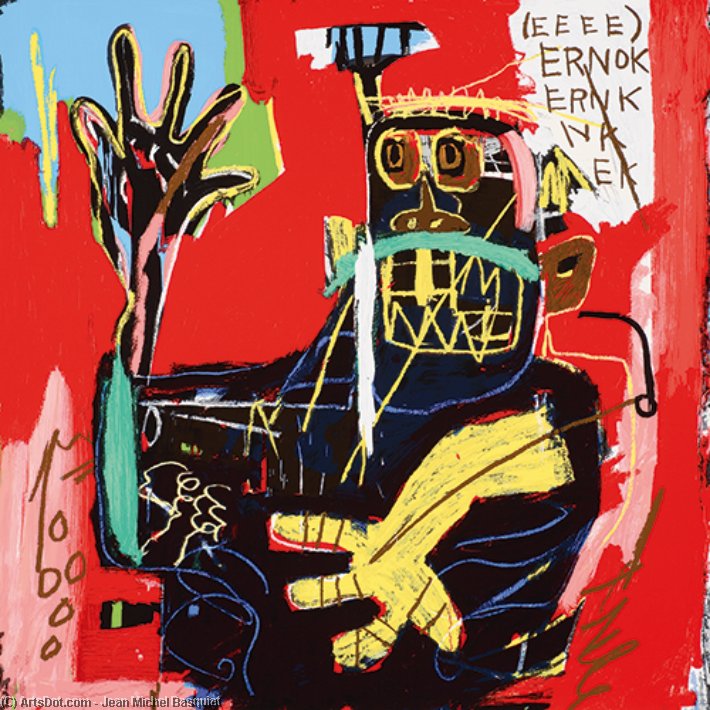
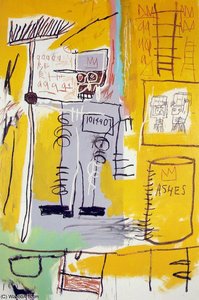
Untitled (ernok)


 Ver más
Giclée / Impresión de arte
Impresiones giclée o en lienzo de calidad de museo con producción rápida y opciones de acabado flexibles. ( Comprar pintura hecha a mano Comprar imagen)




P118B $10

P118H $10

P118W $10

P438Z $10

P508JH $12

P508YH $12

P805H $10

P805Z $10

P919BZ $10

P919G $10

P919XJ $10

P959ZH $10

P968JZ $12

W106C $8

W218G $10

W218JH $8

W218Y $10

W307PJ $10

W316G $10

W316PJ $8

W316Y $10

W398PJ $8

W4111J $10

W500HY $15

W500JH $15

W692G $12

W849H $8

W940BG $15

W953PJ $8




Elija entre nuestros tamaños predefinidos que respetan las proporciones originales de la obra.

Puede introducir sus propias dimensiones para adaptarse a un marco o espacio específico. Si el tamaño seleccionado no coincide con las proporciones de la imagen original, recortaremos la obra de arte o extenderemos la imagen con un borde con efecto espejo o de color sólido. Se enviará una maqueta digital para su aprobación antes de que comience la producción.
Tenga en cuenta que la vista previa en pantalla no refleja el recorte o la extensión real. Solo la maqueta mostrará con precisión la composición final.
Aunque existen tamaños personalizados, recomendamos seleccionar una dimensión de la lista predefinida para preservar las proporciones originales.
Envío a todo el mundo () en 2 semanas en lugar de las 4/5 semanas estándar. (28 agosto)

Envío exprés gratuito a todo el mundo

Lienzo de lino de alta calidad

Seguro de envío total

Garantía de reembolso de impuestos aduaneros

Garantía de fidelidad cromática exacta

Política de devolución de 60 días (solo por defectos)

Garantía de devolución del 100% del dinero

Descuento por cantidad
 La opción de vidrio solo está disponible en tamaños inferiores a 110 cm.

Untitled (ernok)
Giclée / Impresión de arte
Dimensiones de la reproducción
-


Precio total final
$ 62
Caos Vibrante: Un Análisis Profundo de "Untitled (ernok)" de Basquiat
La Esencia de la Energía Urbana
La obra de Jean-Michel Basquiat, “Untitled (ernok)”, es una exploración cautivadora de la energía urbana y las emociones crudas. Esta obra maestra abstracta, caracterizada por sus colores audaces, líneas dinámicas y detalles intrincados, atrae al espectador a un mundo de caos e intensidad. La figura central, una forma humanoide estilizada, destaca entre una tormenta de líneas, formas y texto, creando una sensación de movimiento y desorden que es visualmente impactante y emocionalmente evocadora.Una Paleta de Contrastes Audaces
La paleta de colores de la obra está dominada por colores primarios audaces – rojo, azul, amarillo y negro –, que se utilizan en alto contraste para crear un efecto visualmente impactante. El fondo rojo sirve como telón de fondo vibrante que intensifica los otros colores, mientras que las áreas negras proporcionan un fuerte contraste, añadiendo profundidad y complejidad a la obra. Este uso del color no solo hace que la obra sea visualmente atractiva sino que también aumenta su impacto emocional, evocando sentimientos de energía, caos y quizás incluso rebelión.Líneas Dinámicas y Formas Abstractas
Las líneas se utilizan ampliamente en “Untitled (ernok)”, variando en grosor y dirección para crear una sensación de movimiento y caos. Estas líneas a menudo se intersectan e intersecan, lo que aumenta la complejidad y dinamismo de la composición. Las formas en la obra son abstractas e irregulares, contribuyendo a su sensación caótica. Formas geométricas, como triángulos y rectángulos, están intercaladas con formas orgánicas y libres, que se mezclan entre sí, creando una sensación de unidad en medio del desorden.Contexto Histórico: El Legado Neoexpresionista de Basquiat
Jean-Michel Basquiat emergió como una figura clave en el movimiento Neoexpresionista durante la década de 1980. Su obra abordaba temas de identidad, riqueza contra pobreza y justicia social con energía cruda e imágenes icónicas. “Untitled (ernok)” ejemplifica su estilo único, que combina elementos del graffiti, el arte callejero y el expresionismo abstracto. El arte de Basquiat es conocido por sus comentarios sociales, a menudo sirviendo como una herramienta para la introspección y una crítica de las estructuras de poder y los sistemas racistas.Simbolismo e Impacto Emocional
La figura central en “Untitled (ernok)” parece ser una forma humanoide estilizada, posiblemente representando a una persona o un concepto abstracto. El texto y los símbolos circundantes añaden capas de significado, invitando a los espectadores a interactuar con la obra en múltiples niveles. El uso del texto, como "ERNOK" y otras escrituras al estilo graffiti, sugiere una conexión con el arte urbano y la cultura callejera. Esta pieza transmite una sensación de energía, caos y quizás incluso rebelión, evocando fuertes respuestas emocionales en los espectadores.Técnica y Materiales
La técnica de Basquiat implica superposición y entrelazado, con una mezcla de elementos de pintura y dibujo. Los materiales probablemente incluyan pinturas acrílicas y marcadores, dada la vibrante paleta de colores y las líneas nítidas. Este enfoque crea una sensación de espontaneidad e inmediatez, característica del graffiti y el arte callejero.Por Qué los Coleccionistas y Diseñadores Aman a Basquiat
Para coleccionistas e interioristas, “Untitled (ernok)” ofrece una oportunidad única para poseer una obra de arte que es visualmente impresionante y rica en significado. El trabajo de Basquiat ha aumentado su valor constantemente desde su muerte en 1988, lo que lo convierte en una inversión sólida para los entusiastas del arte. Los colores audaces y la composición dinámica de la obra hacen de ella un complemento llamativo para cualquier espacio, añadiendo un toque de energía urbana y sofisticación.Trae la Visión de Basquiat a Tu Espacio
Una reproducción de alta calidad de “Untitled (ernok)” te permite traer la energía cruda e imágenes icónicas de Jean-Michel Basquiat a tu hogar u oficina. Ya seas un amante del arte, coleccionista o diseñador de interiores, esta pieza ofrece una combinación convincente de estilo, historia y profundidad emocional que seguramente inspirará y cautivará.Experimenta el Poder del Expresionismo Abstracto
Sumérgete en el caos vibrante de “Untitled (ernok)” de Basquiat y descubre el poder transformador del expresionismo abstracto. Esta obra de arte no es solo una experiencia visual; es un viaje al corazón de la cultura urbana, los comentarios sociales y la intensidad emocional. Eleva tu espacio con una pieza que habla al alma y desafía la mente.Obras relacionadas
Biografía del artista
A Brooklyn Beginning and the Rise of SAMO
Jean-Michel Basquiat emerged onto the 1980s art scene as a force of raw energy and intellectual depth, an impact that continues to resonate profoundly today. Born on December 22, 1960, in Brooklyn, New York, to Haitian and Puerto Rican parents, his upbringing was a vibrant tapestry woven with diverse cultures and languages—Spanish, English, and French filled his childhood home. This multilingual environment, coupled with his mother’s dedication to artistic pursuits—she enrolled him as a Junior Member of the Brooklyn Museum at age six—laid an early foundation for his creative journey. However, Basquiat’s life wasn’t without hardship; a car accident at eight years old resulted in a splenectomy and a period of convalescence during which he became captivated by a copy of *Gray’s Anatomy* gifted by his mother. The book’s detailed illustrations would later profoundly influence the anatomical imagery that frequently appears in his work, becoming a haunting motif throughout his career. Before achieving recognition as a painter, Basquiat made his mark under the pseudonym SAMO, alongside friend Al Diaz. Together they covered Lower Manhattan with cryptic, poetic graffiti—epigrams challenging societal norms and questioning established power structures. These weren’t mere tags; they were thought-provoking statements that captured the spirit of the burgeoning hip-hop culture and the gritty energy of 1970s New York City. SAMO was more than just street art; it was a philosophical intervention, a visual disruption designed to provoke dialogue and challenge perceptions.Neo-Expressionism and Artistic Innovation
By the early 1980s, Basquiat transitioned from graffiti to canvas, rapidly gaining recognition within the New York art world. His paintings weren’t easily categorized; they were a unique synthesis of influences ranging from Abstract Expressionism to tribal art, comic books, and historical painting. He became a central figure in the Neo-Expressionist movement, though he resisted easy labeling. His canvases are characterized by a frenetic energy—a chaotic layering of text, symbols, figures, and colors. Basquiat’s technique was deliberately raw and improvisational, often incorporating collage, scratching, and dripping paint. He wasn’t interested in technical perfection; instead, he sought to convey emotion, ideas, and social commentary with visceral immediacy. Recurring motifs—crowns, skulls, anatomical diagrams, words crossed out or repeated—became his signature visual language. The crown, perhaps his most iconic symbol, has been interpreted as a representation of aspiration, self-mythologization, and the complexities of Black identity in America. His work frequently grappled with themes of wealth versus poverty, integration versus segregation, and the internal struggles of the individual within society. Paintings like *Piscine versus the Best Hotels (or various loin)* exemplify his ability to juxtapose seemingly disparate elements—luxury and deprivation, beauty and decay—creating a powerful commentary on social inequalities. Basquiat’s art was not merely about what he depicted but how he depicted it, creating a visual language that was both deeply personal and universally resonant.Collaboration, Recognition, and a Tragic End
Basquiat’s ascent was meteoric. In 1982, at just twenty-one years old, he participated in Documenta in Kassel, Germany, becoming the youngest artist ever to exhibit there. The following year, he showcased his work at the Whitney Biennial, further solidifying his position within the art establishment. A pivotal moment came with his friendship and artistic collaboration with Andy Warhol. The two artists pushed each other creatively, exploring themes of consumerism, celebrity, and mass media in a series of collaborative paintings. While their partnership was complex and sometimes fraught with tension, it undoubtedly elevated both artists’ profiles. Despite achieving international acclaim and financial success, Basquiat struggled with the pressures of fame and his ongoing battle with drug addiction. His work became increasingly introspective and darker as he grappled with personal demons and societal injustices. Tragically, Jean-Michel Basquiat died on August 12, 1988, at the age of twenty-seven from a heroin overdose. His untimely death cemented his status as a tragic figure—a brilliant artist whose life was cut short by addiction and the complexities of navigating the art world.Legacy and Lasting Influence
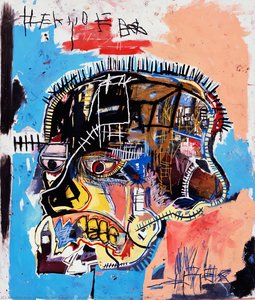
In the years since his death, Basquiat’s reputation has only grown. His work continues to captivate audiences with its raw energy, intellectual depth, and unflinching social commentary. In 2017, *Untitled* (1982), a powerful depiction of a skull, sold for $110.5 million at Sotheby's, setting a new record for any U.S. artist at auction—a testament to the enduring value and cultural significance of his work. Basquiat’s influence can be seen in the work of countless contemporary artists, particularly those who explore themes of identity, race, and social justice. He paved the way for a more diverse and inclusive art world, challenging traditional notions of artistic expression and representation. His ability to seamlessly blend high and low culture—graffiti, fine art, music, poetry—continues to inspire artists today. He remains a potent symbol of creative rebellion, intellectual curiosity, and the power of art to challenge the status quo. His paintings are not merely aesthetic objects; they are windows into a complex mind grappling with profound questions about humanity, society, and the search for meaning in a chaotic world.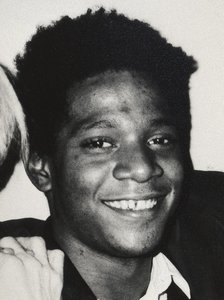
jean michel basquiat
1960 - 1988 , Estados Unidos
Datos clave
- Artistic Movement Or Style: Neo-Expressionism
- Artists Who Influenced This Artist:
- Abstract Expressionists
- Graffiti art
- Date Of Birth: December 22, 1960
- Date Of Death: August 12, 1988
- Full Name: Jean-Michel Basquiat
- Nationality: American
- Notable Artworks:
- Untitled (Skull)
- Piscine versus the Best Hotels
- Portrait Derelict
- Place Of Birth: Brooklyn, USA
Artículos relacionados
Jean-Michel Basquiat: Deconstructing Identity & Power Through Neo-Expressionist Graffiti
Explore the powerful work of Jean-Michel Basquiat & his impact on Neo-Expressionism. Discover how he deconstructed identity, challenged power structures, and left an enduring legacy in contemporary art. Expert analysis for collectors.
Expresionismo Abstracto: 10 Obras Maestras que Transformaron el Arte |
Descubre las 10 obras maestras del Expresionismo Abstracto: Pollock, Rothko y más. Explora la historia, técnica y significado de estos lienzos icónicos. Reproducciones de arte exclusivas en .

Abstracción Geométrica: 10 Obras Maestras que Transformaron el Arte Moderno | ArtsDot
Descubre las 10 obras maestras de la abstracción geométrica que revolucionaron el arte moderno. Explora a Mondrian, Malevich y Kandinsky en ArtsDot.com. Reproducciones de alta calidad para tu hogar.

Kandinsky: Las 25 Obras Maestras del Pionero de la Abstracción | ArtsDot
Descubre las 25 obras maestras de Wassily Kandinsky, pionero del arte abstracto. Explora su expresionismo, composiciones únicas y la historia detrás de cada cuadro. Reproducciones de alta calidad para decorar tu hogar con arte moderno en ArtsDot.com.
Fernand Léger: Las 25 Obras Maestras del Tubismo y la Vanguardia Francesa | ArtsDot
Descubre las 25 obras maestras de Fernand Léger, pionero del tubismo y la vanguardia francesa. Explora su estética industrial, composiciones geométricas y vibrantes colores. Reproducciones de arte exclusivas en ArtsDot.com.