

 Vista previa
 Compartir
 Compartir
 Ver detalles

 Descargar
 Ver similares
 Radiografía
 Presentación de diapositivas
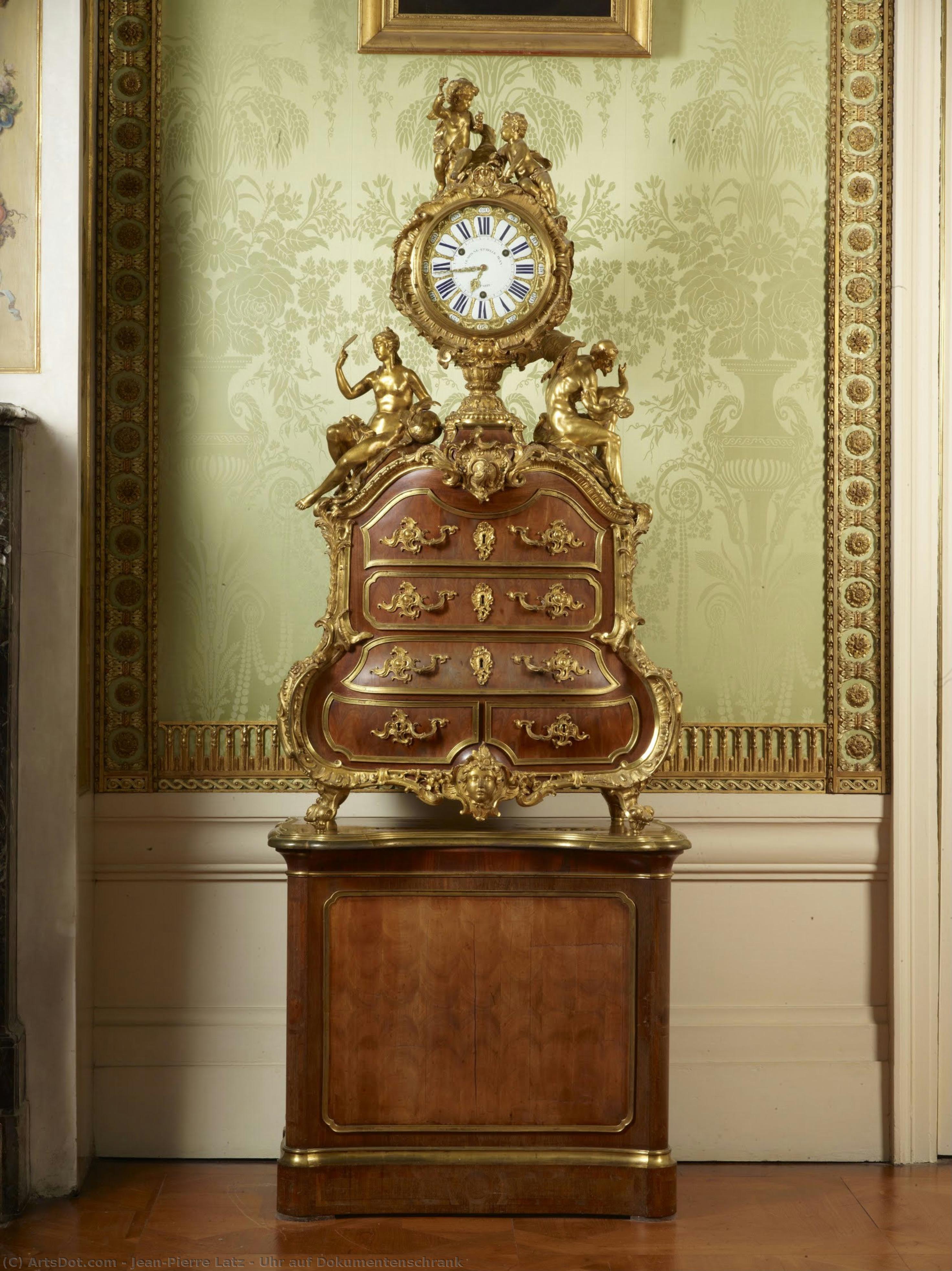
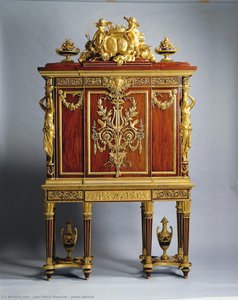
Uhr auf Dokumentenschrank
 Acrylic
- WallArt
- Rococo
 1746
1746 245.0 x 90.0 cm
 Palacio Sanssouci
 Leer más
Reproducción al óleo hecha a mano
Óleo sobre lienzo pintado a mano en el tamaño y marco de su elección, realizado por encargo por nuestros artistas. ( Pedir impresión Comprar descarga)




P118B $10

P118H $10

P118W $10

P438Z $10

P508JH $12

P508YH $12

P805H $10

P805Z $10

P919BZ $10

P919G $10

P919XJ $10

P959ZH $10

P968JZ $12

W106C $8

W218G $10

W218JH $8

W218Y $10

W307PJ $10

W316G $10

W316PJ $8

W316Y $10

W398PJ $8

W4111J $10

W500HY $15

W500JH $15

W692G $12

W849H $8

W940BG $15

W953PJ $8




Elija entre nuestros tamaños predefinidos que respetan las proporciones originales de la obra.

Puede ingresar sus propias dimensiones para adaptarse a un marco o espacio específico. Si el tamaño seleccionado no coincide con las proporciones de la imagen original, recortaremos la obra o extenderemos la pintura con elementos adicionales pintados a mano. Se le enviará una maqueta digital para su aprobación antes de comenzar la producción.
Tenga en cuenta que la vista previa en pantalla no refleja el recorte o la extensión reales. Solo la maqueta mostrará con precisión la composición final.
Si bien existen tamaños personalizados, recomendamos seleccionar una dimensión de la lista predefinida para preservar las proporciones originales.
Tras realizar el pedido, el equipo de ArtsDot.com enviará un correo electrónico al cliente para solicitar instrucciones y proporcionarle una vista previa del boceto.
Envío a todo el mundo () en 3-4 semanas en lugar de las 5 semanas estándar. (21 agosto). Sin comprometer la calidad.

Envío exprés gratuito a todo el mundo

Lienzo de lino de alta calidad

Seguro de envío completo

Garantía de reembolso de aranceles aduaneros

Garantía de fidelidad cromática exacta

Política de devolución de 60 días (solo por defectos)

Garantía de devolución del 100% del dinero

Oferta por volumen
 La opción de vidrio solo está disponible en tamaños inferiores a 110 cm.

Uhr auf Dokumentenschrank
Técnica de reproducción
Tamaño de la reproducción
-


Precio total
$ 263
Descripción de la obra
Obras relacionadas
Biografía del artista
Jean-Pierre Latz: The Sculptor of Parisian Rococo Elegance
Jean-Pierre Latz (c. 1691 – 1754) stands as a pivotal figure in the history of French furniture craftsmanship during the reign of Louis XV, embodying the zenith of Rococo style and demonstrating unparalleled technical skill. Born near Cologne, Germany, his early life remains shrouded in relative obscurity, yet he swiftly ascended to prominence within Paris’s vibrant artisan community, establishing himself as one of the most celebrated ébénistes – royal cabinetmakers – of his era. His legacy endures not merely for the beauty of his creations but also for his role in shaping artistic trends and securing a place among the masters of decorative arts.Early Training and Parisian Arrival
Latz’s formative years were spent honing his craft in Cologne, where he received training as a cabinetmaker—a profession deeply rooted in Germanic tradition. However, driven by ambition and opportunity, he relocated to Paris around 1719, immersing himself in the cosmopolitan atmosphere of the French capital and joining the guild of artisans. This decisive move proved instrumental in propelling his career forward, allowing him to collaborate with influential patrons and gain access to innovative materials and techniques. Within a decade, Latz had secured a position as ébéniste privilégié du roi—a royal appointment granting him exclusive privileges—underscoring the esteem accorded to his artistry by the court. This patronage ensured he could experiment with new methods and acquire exotic veneers from distant lands like India and Indonesia – materials that would become synonymous with the opulent aesthetic of the Rococo period.The Rococo Style: Sculpture in Veneers
Latz’s furniture is instantly recognizable for its distinctive Rococo aesthetic, characterized by exuberant ornamentation and a masterful fusion of sculptural form and delicate inlay work. Unlike earlier styles prioritizing functionality, Latz embraced the Rococo impulse toward theatricality and sensory delight. He skillfully employed richly figured tropical veneers—such as satinwood, rosewood, and ebony—combined with meticulously crafted gilt-bronze mounts to create pieces that defied convention. These mounts weren’t merely decorative; they were sculpted with astonishing precision, depicting stylized floral motifs and swirling arabesques that echoed the undulating curves of Rococo architecture. The technique involved chasing – hammering delicate patterns onto the bronze surface – elevating it beyond mere embellishment into a form of artistic expression itself. This meticulous process demanded considerable skill and patience, resulting in mounts that possessed an almost ethereal quality—a testament to Latz’s dedication to pushing the boundaries of craftsmanship.Notable Commissions and Artistic Influences
Latz’s workshop produced an astonishing array of commissions for aristocratic families and royal residences, cementing his reputation as one of Paris's foremost craftsmen. Among his most celebrated achievements is the “Slant-Front Desk” housed in Stavros Niarchos Collection, Paris—a testament to his mastery of lacquer technique and sculptural design. This desk exemplifies Latz’s ability to capture the spirit of the Rococo movement, blending elegance with structural integrity. Furthermore, he collaborated closely with fellow artists like François Boucher, whose paintings mirrored Latz's penchant for opulent color palettes and dynamic compositions. The influence of Italian Baroque sculpture—particularly Bernini—can be discerned in Latz’s bold use of dramatic poses and expressive drapery within his furniture designs. He sought to emulate the grandeur and emotional intensity of Baroque masterpieces, translating these principles into a refined visual language appropriate for the aristocratic tastes of Louis XV's era.Legacy and Enduring Recognition
Jean-Pierre Latz died in 1754, leaving behind a workshop that continued to produce exceptional pieces for decades after his passing. His work commands considerable admiration among collectors and historians alike, frequently fetching impressive sums at auction—a testament to its enduring beauty and artistic significance. More broadly, Latz’s contribution to the Rococo style established him as a pivotal figure in shaping Parisian decorative taste during Louis XV's reign. He remains an exemplar of craftsmanship, innovation, and artistic vision—a sculptor who transformed wood and bronze into emblems of aristocratic splendor and cemented his place among the titans of eighteenth-century art.
Jean-Pierre Latz
1754 , Alemania
Datos clave
- Artistic Movement Or Style: Rococó
- Artists Or Movements Influenced By This Artist: ['François Boucher']
- Date Of Birth: c. 1691
- Date Of Death: 1754
- Full Name: Jean-Pierre Latz
- Nationality: Alemania
- Notable Artworks:
- Uhr auf Dokumentenschrank
- Regal Parlor Organ
- Französischer Schreibtisch Friedrichs des Großen
- Place Of Birth: Cologne, Alemania
Artículos relacionados
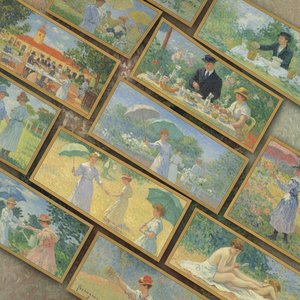
Renoir: Las 25 Obras Maestras del Impresionismo para Decorar tu Hogar con Arte
Descubre las 25 obras maestras de Renoir, el rey del impresionismo. Explora su técnica, historia y significado en cada pintura. Encuentra reproducciones de arte de alta calidad para decorar tu hogar con ArtsDot.com.

Rococó: 10 Obras Maestras que Definieron una Época | Arte y Decoración en
Descubre las 10 obras maestras del Rococó que marcaron una época. Explora la elegancia de Fragonard, Boucher y Watteau en . Reproducciones de arte de calidad museo para decorar tu hogar con estilo.

La Estética Rococó: Opulencia, Rebelión y Placer en el Arte del Siglo XVIII
Descubre la fascinante estética rococó: su historia, características clave y los artistas más influyentes del siglo XVIII. Un análisis profundo para amantes del arte y coleccionistas.
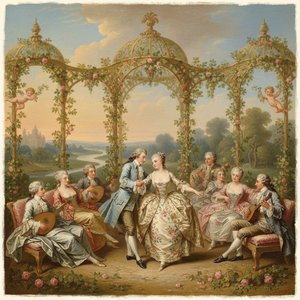
Jean-Baptiste Pater: Rococo Charm & Ephemeral Beauty of 18th-Century France
Explore the captivating world of Jean-Baptiste Pater, a master of Rococo painting. Discover his elegant *fête galante* scenes and shimmering portraits – a glimpse into 18th-century French aristocracy. Learn about his legacy & find high-quality reproductions.
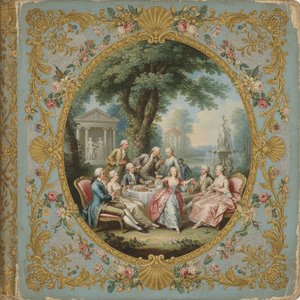
The Rococo Style: Aristocratic Leisure & the Pursuit of Delight in 18th-Century Art
Explore the opulent world of Rococo art! Discover Watteau, Boucher & Nattier's masterpieces. Expert insights for collectors seeking museum-quality reproductions and custom portraits at ArtsDot.

