

 Ver en contexto
 Enviar
 Compartir
 Detalles

 Descargar
 Similares
 Radiografía
 Presentación de diapositivas
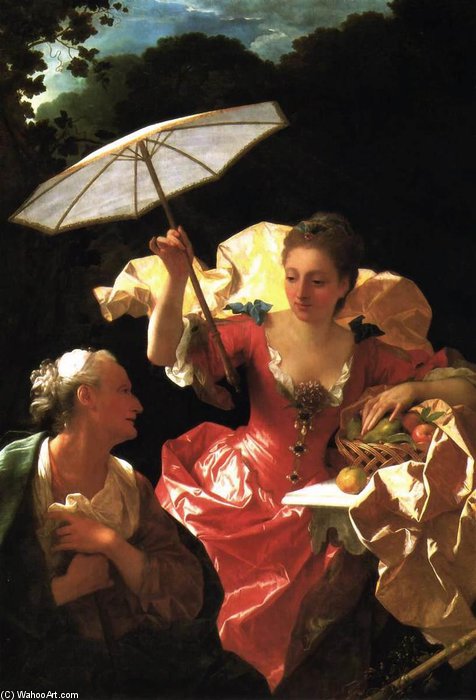
Vertumnus And Pomona

 Ver más
Reproducción al óleo hecha a mano
Óleo sobre lienzo pintado a mano en el tamaño y marco de su elección, realizado por encargo por nuestros artistas. ( Comprar impresión Comprar imagen)




P118B $10

P118H $10

P118W $10

P438Z $10

P508JH $12

P508YH $12

P805H $10

P805Z $10

P919BZ $10

P919G $10

P919XJ $10

P959ZH $10

P968JZ $12

W106C $8

W218G $10

W218JH $8

W218Y $10

W307PJ $10

W316G $10

W316PJ $8

W316Y $10

W398PJ $8

W4111J $10

W500HY $15

W500JH $15

W692G $12

W849H $8

W940BG $15

W953PJ $8




Elija entre nuestros tamaños predefinidos que respetan las proporciones originales de la obra.

Puede ingresar sus propias dimensiones para adaptarse a un marco o espacio específico. Si el tamaño seleccionado no coincide con las proporciones de la imagen original, recortaremos la obra o extenderemos la pintura con elementos adicionales pintados a mano. Se le enviará una maqueta digital para su aprobación antes de comenzar la producción.
Tenga en cuenta que la vista previa en pantalla no refleja el recorte o la extensión reales. Solo la maqueta mostrará con precisión la composición final.
Si bien existen tamaños personalizados, recomendamos seleccionar una dimensión de la lista predefinida para preservar las proporciones originales.
Tras realizar el pedido, el equipo de ArtsDot.com enviará un correo electrónico al cliente para solicitar instrucciones y proporcionarle una vista previa del boceto.
Envío a todo el mundo () en 3-4 semanas en lugar de las 5 semanas estándar. (3 septiembre). Sin comprometer la calidad.

Envío exprés gratuito a todo el mundo

Lienzo de lino de alta calidad

Seguro de envío total

Garantía de reembolso de impuestos aduaneros

Garantía de fidelidad cromática exacta

Política de devolución de 60 días (solo por defectos)

Garantía de devolución del 100% del dinero

Descuento por cantidad
 La opción de vidrio solo está disponible en tamaños inferiores a 110 cm.

Vertumnus And Pomona
Técnica de reproducción
Dimensiones de la reproducción
-


Precio total final
$ 263
Obras relacionadas
Biografía del artista
Jean Ranc (1674 – 1735): A Parisian Portraitist Bridging Baroque and Rococo
Jean Ranc, born in Montpellier in 1674, was a French painter who achieved considerable renown during the reign of Louis XV and Philip V of Spain. His artistic journey began under the tutelage of his father, Antoine Ranc, a provincial portraitist himself, and Hyacinthe Rigaud, whose influence profoundly shaped Ranc’s style and career trajectory. Rigaud's studio became Ranc’s formative environment, fostering connections with fellow artists and establishing him firmly within the Parisian art scene. Early Training & Influences: Antoine Ranc instilled in Jean a passion for painting and exposed him to European masters—a legacy that would continue through Rigaud’s mentorship. Rigaud's meticulous technique, particularly his masterful sfumato, became a cornerstone of Ranc’s artistic approach. This careful blending of light and shadow – a hallmark of Baroque art – served as the bedrock upon which Ranc built his distinctive style. Rigaud’s influence extended beyond mere technique; he championed a new iconography for the Bourbon monarchy, emphasizing dignity and composure—principles Ranc skillfully adopted in his portraits. Parisian Engagement & Academic Recognition: Moving to Paris in 1696, Ranc enrolled at the Académie Royale de Peinture et de Sculpture in December 1700 and was formally admitted as a portraitist on July 28, 1703. Despite aspirations for historical painting—a path less favored by the Academy—Ranc excelled in capturing likenesses with remarkable precision and elegance. He diligently pursued commissions from influential patrons of his time, securing portraits of prominent figures like François Verdier and Carlos III de España, demonstrating a keen understanding of artistic tastes and social dynamics. Rigaud actively steered Ranc towards collaborations with younger artists destined for service abroad, recognizing the importance of establishing connections within international artistic circles—a strategic move that bolstered Ranc’s reputation and broadened his professional horizons.The Rigaudian Style & Patronage
Ranc’s artistic style closely mirrored that of Hyacinthe Rigaud, characterized by a refined Rococo aesthetic infused with subtle realism. Rigaud's influence extended beyond technique; he championed a new iconography for the Bourbon monarchy, emphasizing dignity and composure—principles Ranc skillfully adopted in his portraits. He secured commissions from prominent figures of Parisian society, including François Verdier and Carlos III de España, demonstrating his ability to adapt to diverse artistic tastes. Notably, Rigaud actively steered Ranc towards collaborations with younger artists destined for service abroad, recognizing the importance of establishing connections within international artistic circles. His palette favored pastel hues and delicate ornamentation—a deliberate departure from the heavier textures and dramatic chiaroscuro characteristic of earlier Baroque painters. Notable Commissions: Ranc’s portraits of Verdier and Carlos III exemplify his dedication to capturing character and conveying emotion through nuanced observation. These commissions underscored his ability to translate complex psychological states into visual representations, cementing his position as one of the foremost portraitists of his era. His meticulous attention to detail—particularly in rendering fabrics and facial expressions—became a hallmark of his oeuvre. A Career Marked by Distinction & Challenges: Despite Rigaud's guidance, Ranc never achieved official recognition as a history painter—a significant impediment in the competitive landscape of Parisian art academies. However, he persevered as a respected portraitist, earning acclaim for his ability to portray subjects with sensitivity and artistic finesse. His work gained particular prominence during Philip V’s reign in Spain, where repeated criticisms regarding the quality of French portraits sent by the court sent by the court underscored the difficulties faced by artists attempting to establish themselves abroad. This lack of formal validation served as a constant reminder of the pressures inherent in navigating the artistic ambitions of the time.Legacy & Artistic Significance
Jean Ranc's contribution to 18th-century portraiture lies in his embodiment of the Rigaudian style—a synthesis of Baroque grandeur and Rococo delicacy that solidified its position as a dominant aesthetic during Philip V’s reign. His meticulous attention to detail, combined with an understanding of psychological nuance, ensured his place among the most celebrated artists of his time. Today, Ranc's paintings reside primarily in the Musée National Jean-Jacques Henner, offering visitors a rare glimpse into the artistic sensibilities of the Bourbon era and showcasing the enduring power of portraiture as a medium for conveying identity and status. His legacy continues to inspire admiration for his masterful technique and his ability to capture the essence of human character—a testament to the lasting impact of a Parisian artist who bridged two pivotal stylistic movements.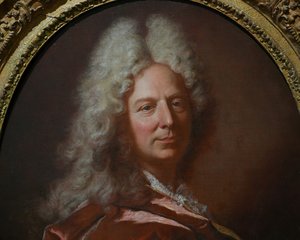
Jean Ranc
1674 - 1735 , Francia
Datos clave
- Artistic Movement Or Style: Barroco/Neoclasicismo
- Artists Who Influenced This Artist:
- Hyacinthe Rigaud
- Antoine Ranc
- Date Of Birth: 1674
- Full Name: Jean Ranc
- Nationality: Francés
- Notable Artworks:
- La familia de Felipe V
- Retrato De Carlos III
- Place Of Death: Madrid
Artículos relacionados
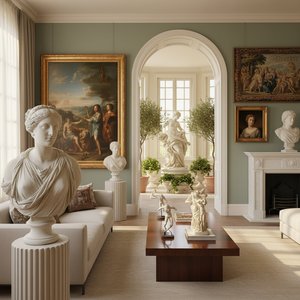
Los 10 Maestros del Neoclasicismo: Obras que Definieron una Era |
Descubre los 10 imprescindibles del Neoclasicismo con . Obras de David, Ingres y Canova que marcaron una era. Historia, técnica y significado de cada pieza. Encuentra reproducciones de arte de museo en
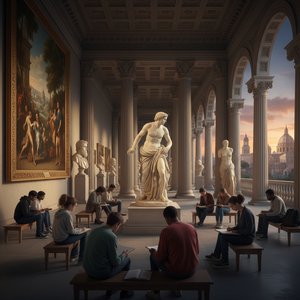
El Legado Perenne del Clasicismo: Principios Fundamentales, Evolución e Influencia en el Arte Occidental
Descubre la historia del arte clásico occidental: desde sus orígenes en Grecia y Roma hasta su influencia en el Renacimiento y las corrientes contemporáneas. Análisis experto, artistas clave y obras maestras imperdibles.

The Enduring Legacy of Oil on Canvas: Technique, History & Aesthetic Impact
Explore the rich history & techniques of oil painting – from Renaissance masters to Impressionism. Discover pigments, layering methods, and why this timeless medium endures. Expert insights for artists & art enthusiasts.

El Óleo sobre Lienzo: Historia, Técnica y la Persistencia de un Medio Artístico Atemporal
Descubre la historia y técnica del óleo sobre lienzo. Explora reproducciones fieles hechas a mano, personalización artística y consejos de expertos con ArtsDot. ¡Colecciona arte con confianza!
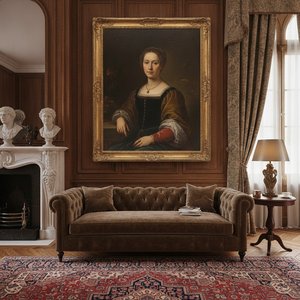
Timeless Elegance: The Ultimate Buyer's Guide to Choosing Classical Portraits for Sophisticated Interiors
Discover how to select the perfect classical portrait for your home. Our expert guide explores matching art styles to interiors, choosing between hand-painted oils and Giclée prints, and transforming personal photos into timeless masterpieces with professional artistry.

