

 Ver en contexto
 Enviar
 Compartir
 Detalles

 Descargar
 Similares
 Radiografía
 Presentación de diapositivas
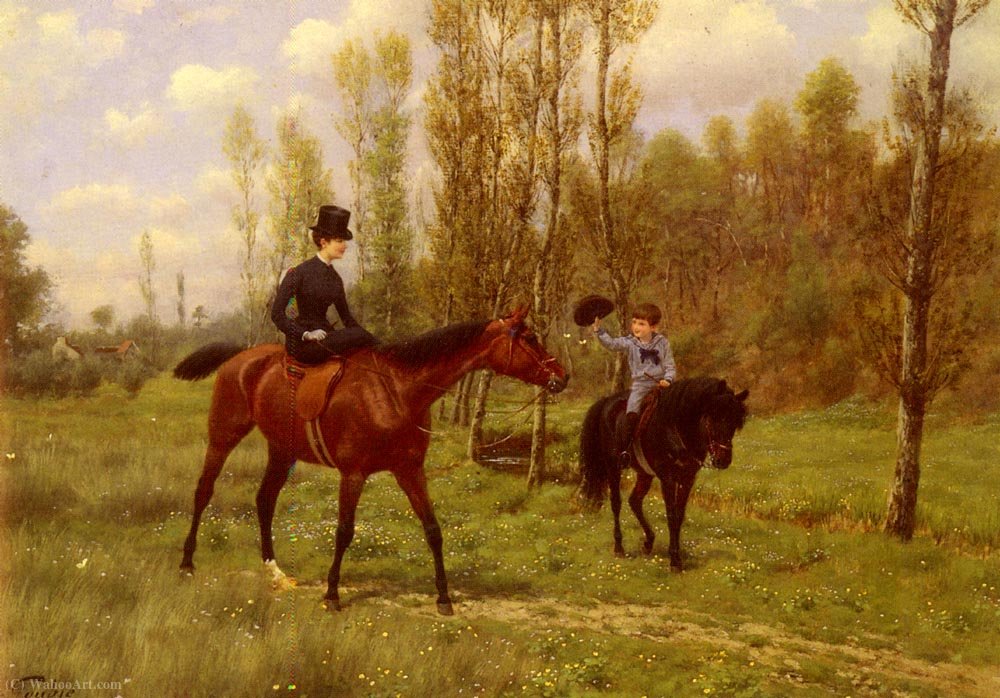
The morning ride
 Ver más
Reproducción al óleo hecha a mano
Óleo sobre lienzo pintado a mano en el tamaño y marco de su elección, realizado por encargo por nuestros artistas. ( Comprar impresión Comprar imagen)




































Elija entre nuestros tamaños predefinidos que respetan las proporciones originales de la obra.

Puede ingresar sus propias dimensiones para adaptarse a un marco o espacio específico. Si el tamaño seleccionado no coincide con las proporciones de la imagen original, recortaremos la obra o extenderemos la pintura con elementos adicionales pintados a mano. Se le enviará una maqueta digital para su aprobación antes de comenzar la producción.
Tenga en cuenta que la vista previa en pantalla no refleja el recorte o la extensión reales. Solo la maqueta mostrará con precisión la composición final.
Si bien existen tamaños personalizados, recomendamos seleccionar una dimensión de la lista predefinida para preservar las proporciones originales.
Tras realizar el pedido, el equipo de ArtsDot.com enviará un correo electrónico al cliente para solicitar instrucciones y proporcionarle una vista previa del boceto.
Envío a todo el mundo () en 3-4 semanas en lugar de las 5 semanas estándar. (22 agosto). Sin comprometer la calidad.

Envío exprés gratuito a todo el mundo

Lienzo de lino de alta calidad

Seguro de envío total

Garantía de reembolso de impuestos aduaneros

Garantía de fidelidad cromática exacta

Política de devolución de 60 días (solo por defectos)

Garantía de devolución del 100% del dinero

Descuento por cantidad
 La opción de vidrio solo está disponible en tamaños inferiores a 110 cm.

The morning ride
Técnica de reproducción
Dimensiones de la reproducción
-


Precio total final
$ 263
Obras relacionadas

Biografía del artista
Jean Richard Goubie: Bridging Breton Tradition and Modern Artistic Vision
Jean Richard Goubie (1842 – 1899) stands as a fascinating figure in late nineteenth-century French art, embodying the confluence of Breton cultural heritage and burgeoning modernist sensibilities. Born in Rennes, Brittany, Goubie’s artistic journey was marked by an early fascination with sculpture and a profound engagement with the landscapes of his homeland—a connection that would permeate his oeuvre and solidify his reputation as one of the foremost Breton sculptors of his time.- Early Life & Training: Goubie's formative years were spent immersed in the traditions of Breton craftsmanship, particularly stone carving – a skill he honed under the tutelage of his father, who was himself a respected sculptor. This grounding in artisanal techniques would prove invaluable as he pursued formal artistic training at the École Supérieure des Beaux-Arts in Paris.
- Parisian Influences & Artistic Style: Despite his Breton roots, Goubie’s Parisian education exposed him to the stylistic innovations of Impressionism and Art Deco. He absorbed the techniques championed by artists like Auguste Rodin and Camille Claudel, adapting them to express his own distinctive vision—characterized by meticulous detail, tonal subtlety, and a palpable sense of atmosphere.
Sculptural Achievements & Breton Landscape Representation
Goubie’s sculptural output is notable for its exploration of Breton topography and folklore. He meticulously recreated the rugged coastline of Brittany, capturing the dramatic interplay of light and shadow on granite cliffs—a testament to his dedication to portraying the region's natural beauty with uncompromising realism. His monumental sculptures, notably “Jean,” a striking depiction of Saint John the Baptist, exemplify his mastery of form and texture, reflecting Breton religious iconography alongside broader artistic trends.- Notable Works: Among Goubie’s most celebrated pieces are "Partie de campagne," depicting a pastoral scene imbued with Romantic idealism; “Rendez-Vous At The Meet,” capturing the dynamism of equestrian pursuits; and “Richard Parkes Bonington: A Brief but Brilliant Career” – an homage to Bonington's landscapes. Each sculpture demonstrates Goubie’s ability to convey emotion and narrative through sculptural form.
- Technique & Material Considerations: Goubie favored granite as his primary medium, recognizing its inherent strength and suitability for capturing the grandeur of Breton scenery. He employed a painstaking process of carving and polishing, achieving surfaces that shimmered with luminosity—a deliberate stylistic choice reflecting the influence of Impressionist painters.
Legacy & Influence Beyond Brittany
Goubie’s artistic legacy extends beyond his regional contributions; he gained recognition internationally through exhibitions in Paris and London. His work influenced subsequent generations of sculptors, particularly those interested in exploring the relationship between art and nature—a preoccupation that aligns with the broader ethos of Modernism. Furthermore, Goubie's dedication to preserving Breton cultural heritage cemented his place as a champion of regional identity within the evolving artistic landscape of the late nineteenth century.- Museum Collections: His sculptures are housed in prominent museums across Europe, including Dorich House Museum and Musée Richard Anacréon, ensuring that Goubie’s vision continues to inspire audiences worldwide.
Concluding Reflections: A Harmonious Synthesis
Jean Richard Goubie's artistic career represents a remarkable synthesis of Breton tradition and modernist innovation. He skillfully blended meticulous craftsmanship with stylistic experimentation—resulting in sculptures that resonate with both emotional depth and visual splendor. By capturing the spirit of Brittany’s landscapes and folklore, Goubie achieved an enduring accomplishment, securing his place as one of France’s most significant sculptors of his era.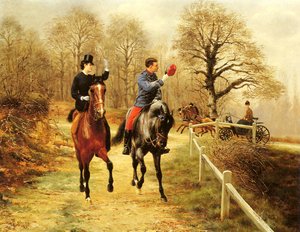
jean richard goubie
1842 - 1899
Datos clave
- Artistic Movement Or Style: Modernist Sculpture
- Artists Or Movements Influenced By This Artist:
- Apollinaire
- Cocteau
- Picasso
- Artists Who Influenced This Artist: ['Richard Parkes Bonington']
- Date Of Birth: 1842
- Full Name: Jean Richard Goubie
- Nationality: French
- Notable Artworks:
- Jean
- Partie de campagne
- Place Of Birth: Granville, France

