 Vista previa
 Compartir
 Compartir
 Ver detalles

 Descargar
 Ver similares
 Radiografía
 Presentación de diapositivas
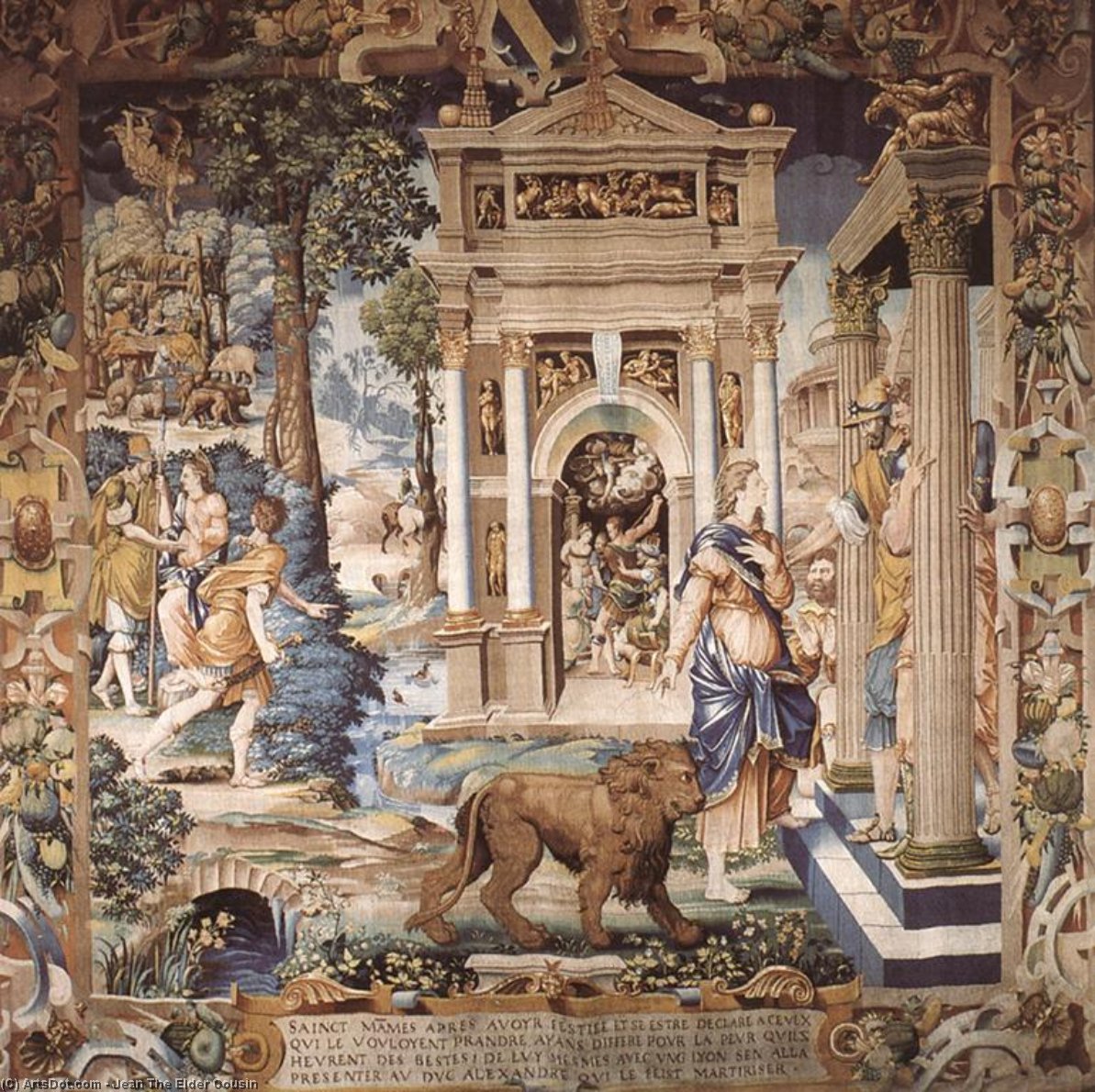
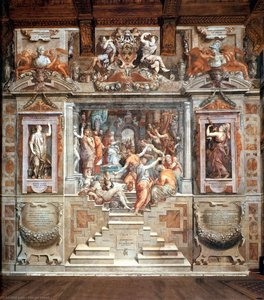
St Mammes and Duke Alexander
 Oil On Canvas
- WallArt
- Renaissance
 1541
1541- Renaissance
 440.0 x 450.0 cm
 Museo del Louvre
 Leer más
Giclée / Impresión de arte
Impresiones giclée o en lienzo de calidad de museo con producción rápida y opciones de acabado flexibles. ( Encargar reproducción pintada a mano Comprar descarga)




P118B $10

P118H $10

P118W $10

P438Z $10

P508JH $12

P508YH $12

P805H $10

P805Z $10

P919BZ $10

P919G $10

P919XJ $10

P959ZH $10

P968JZ $12

W106C $8

W218G $10

W218JH $8

W218Y $10

W307PJ $10

W316G $10

W316PJ $8

W316Y $10

W398PJ $8

W4111J $10

W500HY $15

W500JH $15

W692G $12

W849H $8

W940BG $15

W953PJ $8




Elija entre nuestros tamaños predefinidos que respetan las proporciones originales de la obra.

Puede introducir sus propias dimensiones para adaptarse a un marco o espacio específico. Si el tamaño seleccionado no coincide con las proporciones de la imagen original, recortaremos la obra de arte o extenderemos la imagen con un borde con efecto espejo o de color sólido. Se enviará una maqueta digital para su aprobación antes de que comience la producción.
Tenga en cuenta que la vista previa en pantalla no refleja el recorte o la extensión real. Solo la maqueta mostrará con precisión la composición final.
Aunque existen tamaños personalizados, recomendamos seleccionar una dimensión de la lista predefinida para preservar las proporciones originales.
Envío a todo el mundo () en 2 semanas en lugar de las 4/5 semanas estándar. (21 agosto)

Envío exprés gratuito a todo el mundo

Lienzo de lino de alta calidad

Seguro de envío completo

Garantía de reembolso de aranceles aduaneros

Garantía de fidelidad cromática exacta

Política de devolución de 60 días (solo por defectos)

Garantía de devolución del 100% del dinero

Oferta por volumen
 La opción de vidrio solo está disponible en tamaños inferiores a 110 cm.

St Mammes and Duke Alexander
Giclée / Impresión de arte
Tamaño de la reproducción
-


Precio total
$ 62
Descripción de la pieza
A Glimpse into Renaissance Grandeur: St Mammes and Duke Alexander
To stand before this magnificent canvas is to step directly into the vibrant, richly textured heart of the French Renaissance. Depicting a gathering centered around St Mammes and Duke Alexander, the scene pulses with the energy of high society mingling with profound historical narrative. The composition immediately draws the eye to the two central figures—one clad in striking blue, the other in regal red—whose interaction suggests a moment of weighty conversation or pivotal exchange. It is not merely a portrait; it is a tableau vivant, capturing the very breath of an important encounter amidst a lively assembly.
Mastery of Form and Figure
The technical brilliance evident in this work speaks volumes about the skill of its creator, Jean Cousin the Elder’s circle. The handling of drapery alone is breathtaking; observe how the rich fabrics fall, catching the light with palpable weight and luxurious folds. From a purely artistic standpoint, the painting showcases an advanced understanding of anatomy and perspective, hallmarks of the period's most ambitious artists. Scattered throughout the background are numerous figures, rendered with varying degrees of focus—some sharply defined in the foreground, others dissolving into atmospheric depth further back. This masterful control over spatial recession gives the entire gathering a convincing sense of three-dimensional reality.
Historical Resonance and Symbolism
The inclusion of specific historical personages, such as St Mammes and Duke Alexander, anchors the piece in a tangible moment of history, inviting scholarly contemplation alongside aesthetic appreciation. Such scenes were rarely purely decorative; they served to educate, commemorate patronage, or reinforce civic virtues. The presence of animals subtly woven into the periphery often carried symbolic weight—a symbol of fidelity, status, or even allegory itself. To own a reproduction of this piece is to possess not just paint on canvas, but a curated narrative steeped in the intellectual currents and social hierarchies of 16th-century France.
An Emotional Echo for the Modern Collector
For the contemporary collector, interior designer, or art enthusiast, this painting offers an unparalleled depth of emotional resonance. It speaks to themes of human connection, power dynamics, and enduring cultural legacy. The sheer scale (440 x 450 cm) suggests its original placement in a hall of significant importance, making it a monumental statement piece for any grand reception room or gallery setting. Reproducing this work allows one to bring the sophisticated drama and luminous color palette of the Renaissance into modern life, creating an atmosphere that is both intellectually stimulating and deeply luxurious.
Obras relacionadas

Biografía del artista
Jean Cousin the Elder: A Renaissance Master of Anatomy and Perspective
Jean Cousin the Elder (ca. 1490–ca. 1560) stands as a pivotal figure in French Renaissance art, largely overshadowed by his son Jean Cousin the Younger but nonetheless recognized for his profound contribution to humanist ideals and artistic innovation. Born in Sens, France, he emerged from a family steeped in artistic tradition—his father, Jean Cousin the Elder, was himself a celebrated sculptor and painter who established a lasting connection with Albrecht Dürer, marking him as one of the foremost artists of his time. This familial legacy instilled within Jean Cousin the Younger an unwavering dedication to mastering both disegno (drawing) and geometria (mathematics), disciplines considered essential for achieving artistic excellence during the Renaissance.- Early Life & Training: Cousin’s formative years were spent honing his skills in Sens Cathedral, where he meticulously crafted stained-glass windows embodying biblical narratives—a testament to the burgeoning influence of humanist scholarship and theological contemplation. Simultaneously, he pursued rigorous mathematical studies, preparing for a career as a surveyor and demonstrating an intellectual curiosity that would permeate his artistic endeavors.
- Sens Cathedral Windows: The Sainte-Chapelle windows in Sens represent Cousin’s earliest masterpiece, showcasing his mastery of color and composition while adhering to the principles of linear perspective—a technique championed by Dürer and rapidly disseminated throughout Europe. These works exemplify the humanist impulse to depict religious subjects with anatomical accuracy and emotional depth.
Jean Cousin the Younger: Continuing Tradition & Artistic Synthesis
Jean Cousin the Younger (ca. 1522–1595) inherited his father’s artistic talent and established a workshop that flourished throughout the latter half of the sixteenth century, maintaining a stylistic continuity that captivated contemporaries. Despite scholarly debate regarding attribution—primarily due to the scarcity of surviving artworks—Cousin’s son undeniably absorbed and refined his father’s techniques, producing works characterized by elegance, subtlety, and an unwavering commitment to anatomical realism.- University Education & Artistic Style: Cousin the Younger studied at the University of Paris, reflecting the intellectual climate of the era—a period marked by humanist scholarship and a renewed interest in classical art. His artistic style mirrored his father’s, prioritizing meticulous observation of human anatomy and employing perspective with masterful precision.
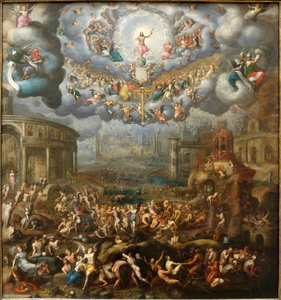
- The Last Judgement Revisited: Cousin the Younger's rendition of “The Last Judgement” – rediscovered in 1872—stands as a cornerstone of French Renaissance painting. Its dramatic composition and nuanced portrayal of figures convey profound emotional resonance, cementing Cousin’s reputation as one of the foremost artists of his generation.
Influence & Legacy: Perspective & Anatomical Illustration
Jean Cousin’s influence extended far beyond his immediate contemporaries, shaping the trajectory of French Renaissance art and establishing him as a pioneer in anatomical illustration—a field that would soon gain prominence thanks to his son's groundbreaking work. His meticulous attention to detail—particularly in depicting human musculature—anticipated developments in scientific observation and artistic representation that would resonate throughout subsequent centuries.- Livre de Pourtraicture: Cousin’s magnum opus, “Livre de Pourtraicture” (1571), represents a seminal contribution to the burgeoning field of anatomical illustration. Published shortly after his death, this book meticulously documented human anatomy with unprecedented accuracy—a testament to Cousin's intellectual curiosity and artistic ambition.
Notable Achievements & Recognition
Jean Cousin’s legacy rests primarily on two monumental achievements: “The Last Judgement” (Paris, Louvre) and the “Bible” illuminated by Le Clerc (1566 & 1571). The Last Judgement is considered one of the first French paintings to employ perspective with remarkable sophistication, capturing a dramatic scene with meticulous detail. His illustrations for Ovid’s Metamorphoses and Epistles demonstrated his exceptional draughtsmanship and artistic sensibility. Cousin's work continues to inspire artists today, reminding us that true artistic excellence resides in a profound understanding of both form and substance—a testament to his enduring contribution to European art history.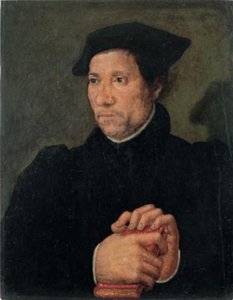
jean the elder cousin
1522 - 1595 , Francia
Datos clave
- Artistic Movement Or Style: Manierismo Renacentista
- Artists Or Movements Influenced By This Artist: ['Escultura Renacentista']
- Artists Who Influenced This Artist: ['Albrecht Dürer']
- Date Of Birth: ca. 1490
- Date Of Death: ca. 1560
- Full Name: Jean Cousin the Elder
- Nationality: Francés
- Notable Artworks:
- El Juicio Final
- La Biblia
- Place Of Birth: Sens, Francia
Artículos relacionados

Giclée Prints: Archival Quality & Aesthetic Nuances for the Discerning Collector
Explore the world of giclée prints with ArtsDot. Learn about archival quality, aesthetic nuances & investment potential. Expert guidance for discerning art collectors seeking museum-quality reproductions and lasting value.

Simon Vouet: A Baroque Master's Journey from Italian Influence to French Classicism
Explore the life & art of Simon Vouet, a pivotal French Baroque painter who introduced Italian styles to France. Discover his masterpieces and lasting influence on 17th-century art.

Drama Barroca: Llevando la Grandeza y la Emoción a los Interiores Contemporáneos
Descubre cómo el drama y la grandeza del arte barroco pueden transformar tus interiores. Guía experta, inspiración y reproducciones de alta calidad en .

Echoes of Time: Exploring the Enduring Appeal & Historical Context of Vintage Art Prints
Explore the captivating world of vintage art prints! Discover their history, collecting tips & enduring appeal. Expert insights on chromolithography and building a legacy collection with ArtsDot.

The Enduring Legacy of Fine Art Prints: Technique, History & Aesthetic Impact
Explore the rich history & techniques of fine art prints. Discover investment potential, assess authenticity, and learn how to preserve your collection with expert guidance. Trusted insights for discerning collectors.