 Ver en contexto
 Enviar
 Compartir
 Detalles

 Descargar
 Similares
 Radiografía
 Presentación de diapositivas
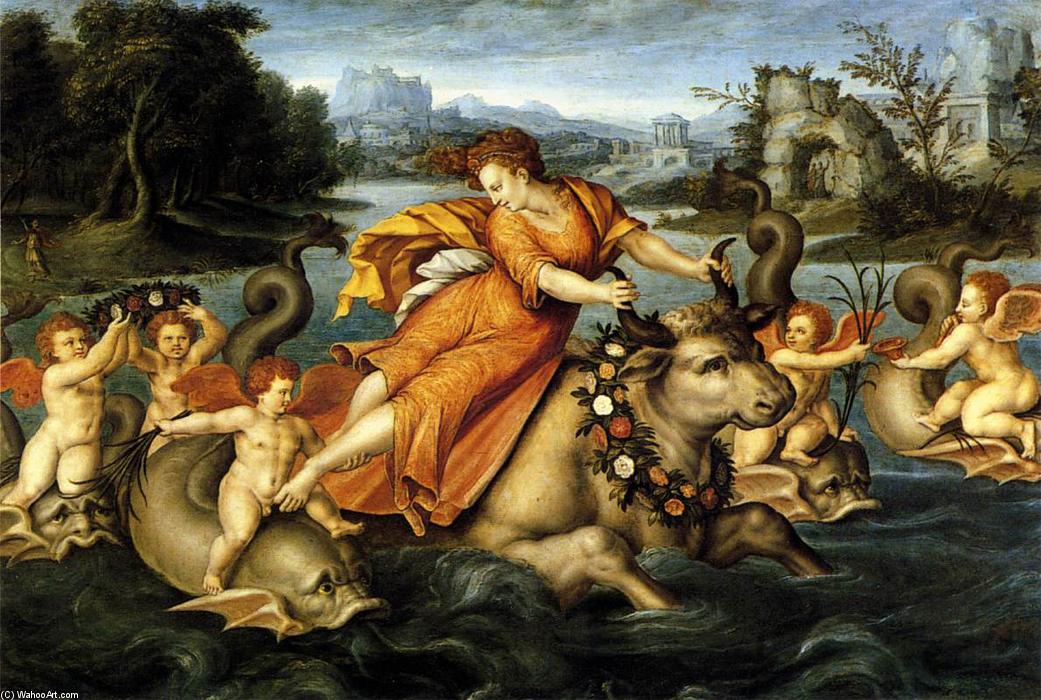
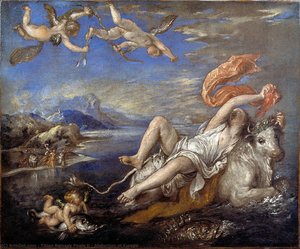
The Rape of Europa
 1550
1550 88.0 x 140.0 cm
 Musée du Château
 Ver más
Reproducción al óleo hecha a mano
Óleo sobre lienzo pintado a mano en el tamaño y marco de su elección, realizado por encargo por nuestros artistas. ( Comprar impresión Comprar imagen)




































Elija entre nuestros tamaños predefinidos que respetan las proporciones originales de la obra.

Puede ingresar sus propias dimensiones para adaptarse a un marco o espacio específico. Si el tamaño seleccionado no coincide con las proporciones de la imagen original, recortaremos la obra o extenderemos la pintura con elementos adicionales pintados a mano. Se le enviará una maqueta digital para su aprobación antes de comenzar la producción.
Tenga en cuenta que la vista previa en pantalla no refleja el recorte o la extensión reales. Solo la maqueta mostrará con precisión la composición final.
Si bien existen tamaños personalizados, recomendamos seleccionar una dimensión de la lista predefinida para preservar las proporciones originales.
Tras realizar el pedido, el equipo de ArtsDot.com enviará un correo electrónico al cliente para solicitar instrucciones y proporcionarle una vista previa del boceto.
Envío a todo el mundo () en 3-4 semanas en lugar de las 5 semanas estándar. (23 agosto). Sin comprometer la calidad.

Envío exprés gratuito a todo el mundo

Lienzo de lino de alta calidad

Seguro de envío total

Garantía de reembolso de impuestos aduaneros

Garantía de fidelidad cromática exacta

Política de devolución de 60 días (solo por defectos)

Garantía de devolución del 100% del dinero

Descuento por cantidad
 La opción de vidrio solo está disponible en tamaños inferiores a 110 cm.

The Rape of Europa
Técnica de reproducción
Dimensiones de la reproducción
-


Precio total final
$ 263
Descripción de la obra
Artistic Style and Composition
The composition of The Rape of Europa is characterized by a sense of movement and energy, with the central figure of Europa being carried off by a bull, symbolizing Zeus in disguise. The woman's attire and long brown hair are meticulously detailed, while the bull's muscular build and calm demeanor add to the classical aesthetic of the painting. Surrounding these figures are several cherubs or putti, which contribute to the sense of activity and dynamism. Key Features of the painting include:- The use of earth tones with some blues and greens, creating a somber mood
- The depiction of a landscape in the background, featuring trees, buildings, and mountains
- The presence of symbolic elements, such as the floral garland around the bull's neck
Artistic Significance and Context
Jean The Elder Cousin's work is part of a larger collection of paintings at the Musée du Château, which includes works by other renowned artists such as Jean-François Millet. To learn more about the masterpieces at the Musée du Château, visit Discovering the Masterpieces of Musée du Château (Blois, France). For a deeper understanding of Jean The Elder Cousin's style and technique, explore his other works, such as The Rape of Europa.The world of art is replete with masterpieces that capture the essence of human emotion and expression. The Rape of Europa by Jean The Elder Cousin is a testament to the artist's skill in capturing the subtleties of classical mythology, making it a must-see for art enthusiasts and historians alike.
Obras relacionadas







Biografía del artista
Jean Cousin the Elder: A Renaissance Master of Anatomy and Perspective
Jean Cousin the Elder (ca. 1490–ca. 1560) stands as a pivotal figure in French Renaissance art, largely overshadowed by his son Jean Cousin the Younger but nonetheless recognized for his profound contribution to humanist ideals and artistic innovation. Born in Sens, France, he emerged from a family steeped in artistic tradition—his father, Jean Cousin the Elder, was himself a celebrated sculptor and painter who established a lasting connection with Albrecht Dürer, marking him as one of the foremost artists of his time. This familial legacy instilled within Jean Cousin the Younger an unwavering dedication to mastering both disegno (drawing) and geometria (mathematics), disciplines considered essential for achieving artistic excellence during the Renaissance.- Early Life & Training: Cousin’s formative years were spent honing his skills in Sens Cathedral, where he meticulously crafted stained-glass windows embodying biblical narratives—a testament to the burgeoning influence of humanist scholarship and theological contemplation. Simultaneously, he pursued rigorous mathematical studies, preparing for a career as a surveyor and demonstrating an intellectual curiosity that would permeate his artistic endeavors.
- Sens Cathedral Windows: The Sainte-Chapelle windows in Sens represent Cousin’s earliest masterpiece, showcasing his mastery of color and composition while adhering to the principles of linear perspective—a technique championed by Dürer and rapidly disseminated throughout Europe. These works exemplify the humanist impulse to depict religious subjects with anatomical accuracy and emotional depth.
Jean Cousin the Younger: Continuing Tradition & Artistic Synthesis
Jean Cousin the Younger (ca. 1522–1595) inherited his father’s artistic talent and established a workshop that flourished throughout the latter half of the sixteenth century, maintaining a stylistic continuity that captivated contemporaries. Despite scholarly debate regarding attribution—primarily due to the scarcity of surviving artworks—Cousin’s son undeniably absorbed and refined his father’s techniques, producing works characterized by elegance, subtlety, and an unwavering commitment to anatomical realism.- University Education & Artistic Style: Cousin the Younger studied at the University of Paris, reflecting the intellectual climate of the era—a period marked by humanist scholarship and a renewed interest in classical art. His artistic style mirrored his father’s, prioritizing meticulous observation of human anatomy and employing perspective with masterful precision.
- The Last Judgement Revisited: Cousin the Younger's rendition of “The Last Judgement” – rediscovered in 1872—stands as a cornerstone of French Renaissance painting. Its dramatic composition and nuanced portrayal of figures convey profound emotional resonance, cementing Cousin’s reputation as one of the foremost artists of his generation.
Influence & Legacy: Perspective & Anatomical Illustration
Jean Cousin’s influence extended far beyond his immediate contemporaries, shaping the trajectory of French Renaissance art and establishing him as a pioneer in anatomical illustration—a field that would soon gain prominence thanks to his son's groundbreaking work. His meticulous attention to detail—particularly in depicting human musculature—anticipated developments in scientific observation and artistic representation that would resonate throughout subsequent centuries.- Livre de Pourtraicture: Cousin’s magnum opus, “Livre de Pourtraicture” (1571), represents a seminal contribution to the burgeoning field of anatomical illustration. Published shortly after his death, this book meticulously documented human anatomy with unprecedented accuracy—a testament to Cousin's intellectual curiosity and artistic ambition.
Notable Achievements & Recognition
Jean Cousin’s legacy rests primarily on two monumental achievements: “The Last Judgement” (Paris, Louvre) and the “Bible” illuminated by Le Clerc (1566 & 1571). The Last Judgement is considered one of the first French paintings to employ perspective with remarkable sophistication, capturing a dramatic scene with meticulous detail. His illustrations for Ovid’s Metamorphoses and Epistles demonstrated his exceptional draughtsmanship and artistic sensibility. Cousin's work continues to inspire artists today, reminding us that true artistic excellence resides in a profound understanding of both form and substance—a testament to his enduring contribution to European art history.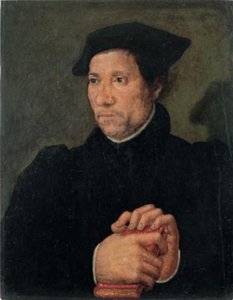
jean the elder cousin
1522 - 1595 , Francia
Datos clave
- Artistic Movement Or Style: Manierismo Renacentista
- Artists Or Movements Influenced By This Artist: ['Escultura Renacentista']
- Artists Who Influenced This Artist: ['Albrecht Dürer']
- Date Of Birth: ca. 1490
- Date Of Death: ca. 1560
- Full Name: Jean Cousin the Elder
- Nationality: Francés
- Notable Artworks:
- El Juicio Final
- La Biblia
- Place Of Birth: Sens, Francia