

 Ver en contexto
 Enviar
 Compartir
 Detalles

 Descargar
 Similares
 Radiografía
 Presentación de diapositivas
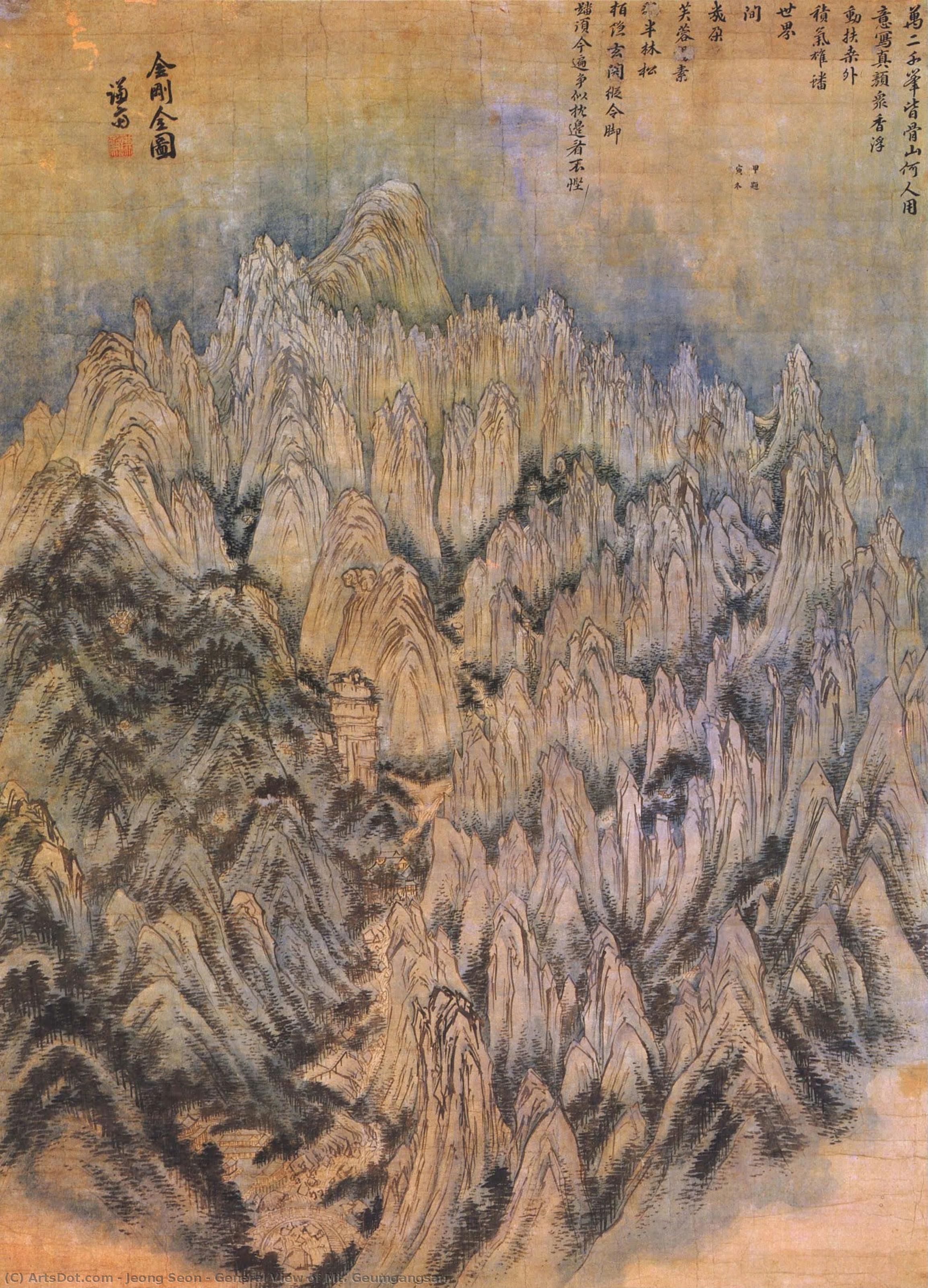
General View of Mt. Geumgangsan
 Acrylic On Canvas
- WallArt
- Neo-Confucian Landscape
 94.0 x 130.0 cm
 Museo Nacional de Corea
 Ver más
Giclée / Impresión de arte
Impresiones giclée o en lienzo de calidad de museo con producción rápida y opciones de acabado flexibles. ( Comprar pintura hecha a mano Comprar imagen)




P118B $10

P118H $10

P118W $10

P438Z $10

P508JH $12

P508YH $12

P805H $10

P805Z $10

P919BZ $10

P919G $10

P919XJ $10

P959ZH $10

P968JZ $12

W106C $8

W218G $10

W218JH $8

W218Y $10

W307PJ $10

W316G $10

W316PJ $8

W316Y $10

W398PJ $8

W4111J $10

W500HY $15

W500JH $15

W692G $12

W849H $8

W940BG $15

W953PJ $8




Elija entre nuestros tamaños predefinidos que respetan las proporciones originales de la obra.

Puede introducir sus propias dimensiones para adaptarse a un marco o espacio específico. Si el tamaño seleccionado no coincide con las proporciones de la imagen original, recortaremos la obra de arte o extenderemos la imagen con un borde con efecto espejo o de color sólido. Se enviará una maqueta digital para su aprobación antes de que comience la producción.
Tenga en cuenta que la vista previa en pantalla no refleja el recorte o la extensión real. Solo la maqueta mostrará con precisión la composición final.
Aunque existen tamaños personalizados, recomendamos seleccionar una dimensión de la lista predefinida para preservar las proporciones originales.
Envío a todo el mundo () en 2 semanas en lugar de las 4/5 semanas estándar. (27 agosto)

Envío exprés gratuito a todo el mundo

Lienzo de lino de alta calidad

Seguro de envío total

Garantía de reembolso de impuestos aduaneros

Garantía de fidelidad cromática exacta

Política de devolución de 60 días (solo por defectos)

Garantía de devolución del 100% del dinero

Descuento por cantidad
 La opción de vidrio solo está disponible en tamaños inferiores a 110 cm.

General View of Mt. Geumgangsan
Giclée / Impresión de arte
Dimensiones de la reproducción
-


Precio total final
$ 62
Descripción de la pieza
A Mountain’s Soul: Jeong Seon's “General View of Mt. Geumgangsan”
Jeong Seon’s “General View of Mt. Geumgangsan,” painted in the mid-18th century, isn’t merely a landscape; it’s a distilled essence of Korean spirituality and artistic vision. This monumental work, now residing within the Korea University Museum in Seoul, offers a profound glimpse into the world of a pioneering artist who fundamentally shifted the course of Korean landscape painting. More than just depicting a mountain range, Jeong Seon captures an atmosphere—a sense of awe, tranquility, and the sublime connection between humanity and nature – a core tenet of Neo-Confucian philosophy that deeply influenced his artistic practice.
The scene unfolds across a vast horizontal canvas, dominated by the imposing peaks of Mt. Geumgangsan (also known as Diamond Mountains). These aren’t rendered with photographic precision; instead, Jeong Seon employs a masterful technique of *sumi-e*, utilizing varying densities and textures of black ink to build layers of depth and atmosphere. Notice how he doesn't meticulously detail every ridge or crevice, but rather suggests form through carefully placed washes and subtle gradations. This deliberate ambiguity invites the viewer’s imagination to complete the picture, fostering a deeply personal connection with the landscape.
The Legacy of Memory and Observation
What distinguishes “General View of Mt. Geumgangsan” from earlier landscape traditions is Jeong Seon's innovative approach to representation. He wasn’t simply copying what he saw; rather, he was translating his *experience* of the mountain into a visual language. This reflects a shift in artistic thinking influenced by Neo-Confucianism, which emphasized introspection and the cultivation of inner harmony. Jeong Seon, like many literati painters of his time, often traveled extensively to study nature firsthand, but rarely painted directly from those sketches. Instead, he relied heavily on memory—a skill honed through years of dedicated observation and contemplation.
This reliance on memory is crucial to understanding the painting’s emotional resonance. It's not a literal depiction of a specific moment in time, but rather an evocation of the *feeling* of being amidst such grandeur. The composition itself—the sweeping vista, the subtle play of light and shadow—contributes to this sense of spaciousness and serenity. The inclusion of a solitary figure in the lower left corner adds another layer of meaning, suggesting humanity’s place within the vastness of nature – a small but significant part of an enduring cycle.
Symbolism and Spiritual Resonance
Mt. Geumgangsan itself holds deep symbolic significance in Korean culture. Revered as a sacred mountain associated with Buddhist deities and considered one of Korea's most beautiful landscapes, it represents not just physical beauty but also spiritual power. Jeong Seon’s choice to focus on this particular peak speaks volumes about his artistic priorities – he wasn’t simply interested in depicting a picturesque scene; he was attempting to capture the essence of Korean spirituality through visual means.
The painting's color palette—primarily consisting of varying shades of black ink and subtle washes of white—further enhances its contemplative mood. The absence of bright colors reinforces the sense of stillness and timelessness, inviting viewers to lose themselves in the scene’s quiet beauty. It is a testament to Jeong Seon’s ability to convey profound emotion through restraint and suggestion – a hallmark of masterful Korean landscape painting.
A Timeless Masterpiece
“General View of Mt. Geumgangsan” stands as a pivotal work in the history of Korean art, marking a departure from traditional landscape conventions and establishing a new standard for artistic expression. Jeong Seon’s innovative use of ink, his emphasis on memory and observation, and his profound understanding of Korean spirituality have secured his place as one of Korea's most important artists. Today, this painting continues to captivate viewers with its timeless beauty and its ability to evoke a sense of wonder and connection to the natural world – a truly remarkable achievement that resonates across centuries.
Obras relacionadas

Biografía del artista
A Pioneer of Korean Landscape: The Life and Art of Jeong Seon
Jeong Seon, known to the world by his pen name Gyeomjae, emerged from a Korea undergoing subtle yet significant shifts in intellectual and artistic currents during the late 17th and early 18th centuries. Born in 1676 in the heart of Seoul, Jeong Seon’s beginnings were marked not by privilege but by modest circumstances. Though his family boasted an illustrious lineage, they lacked the financial stability to support a traditional scholarly path for their son. This circumstance, however, proved unexpectedly liberating. Denied access to the formal training reserved for the *yangban* class—the scholar-officials—Jeong Seon was free to forge his own artistic direction, unburdened by convention. He began painting daily, driven by an innate talent and a relentless dedication that would define his prolific career. This early immersion in observation and practice laid the foundation for a revolutionary approach to landscape painting in Korea.Breaking with Tradition: The Birth of “True-View” Painting
Prior to Jeong Seon, Korean landscape painting was heavily influenced by Chinese styles, often adhering to established conventions that prioritized idealized representations over realistic depictions. Jeong Seon boldly departed from this tradition, pioneering what became known as "true-view" landscape painting (*jingyeong sansuhwa*). This wasn’t merely a stylistic shift; it represented a fundamental change in artistic philosophy. Instead of recreating landscapes based on literary allusions or imagined ideals, Jeong Seon ventured into the Korean countryside, directly observing and meticulously recording the natural world before him. He focused intently on Korea's unique geographical features—its majestic mountains, winding rivers, and dramatic coastlines—imbuing his work with a sense of national identity previously unseen in Korean art. His paintings weren’t simply landscapes; they were portraits of Korea itself. Thi This dedication to realism was not about photographic accuracy but rather capturing the *essence* of a place, its atmosphere, and its spirit. He skillfully intermixed dark and light areas, creating depth and texture that brought his landscapes to life. His technique involved building up layers of ink, allowing the underlying tones to peek through, resulting in a dynamic and visually compelling effect.Influences and Artistic Style
While Jeong Seon broke from many traditions, he wasn’t entirely without influences. The intellectual ferment of his time, particularly the *Silhak* movement—a school of thought advocating practical learning and empirical observation—undoubtedly shaped his artistic approach. Silhak scholars emphasized the importance of understanding Korea's geography, economy, and culture, a sentiment that resonated deeply with Jeong Seon’s commitment to depicting the Korean landscape accurately. He admired the work of the Chinese painter Mi Fei (1052–1107), known for his expressive brushwork and atmospheric effects. However, Jeong Seon adapted these influences to create a distinctly Korean style characterized by bold brushstrokes, layered ink washes, and a masterful interplay of light and shadow.Mount Geumgang and Lasting Legacy
Perhaps Jeong Seon’s most celebrated subject was Mount Geumgang (also known as Diamond Mountains), located on the border between Korea and North Korea. He painted this iconic mountain range over one hundred times, each rendition revealing a new perspective or capturing a different mood. Works like “General View of Inner Geumgang” and his album *Pungak-docheop* are considered masterpieces of Korean landscape painting. These paintings weren’t just artistic achievements; they were acts of national pride, showcasing the beauty and grandeur of Korea's natural heritage. He died in 1759, leaving behind a body of work that stands as a testament to his vision, skill, and unwavering dedication to capturing the soul of Korea on canvas. His legacy continues to inspire artists today, cementing his place as one of Korea’s greatest landscape painters.
Jeong Seon
1676 - 1759 , Corea del Sur
Datos clave
- Artistic Movement Or Style: True-view paisaje
- Artists Who Influenced This Artist: ['Mi Fei']
- Date Of Birth: 1676
- Full Name: Jeong Seon
- Nationality: Coreano
- Notable Artworks:
- General View of Inner Geumgang
- Album of Mount Geumgang
- Place Of Birth: Seoul, Corea
Artículos relacionados

Katsushika Hokusai: Las 25 Obras Maestras del Ukiyo-e que Transformaron el Arte Japonés | ArtsDot
Descubre las 25 obras maestras de Katsushika Hokusai, el genio del ukiyo-e. Explora 'La Gran Ola', paisajes japoneses y su impacto en el arte moderno. Reproducciones de alta calidad para tu hogar en ArtsDot.com.

Paisajes Románticos: 10 Obras Maestras que Definieron un Movimiento Artístico
Descubre los 10 paisajes románticos más influyentes de artistas como Caspar David Friedrich y Turner. Explora la belleza, el simbolismo y las técnicas del movimiento romántico. Reproducciones de arte exclusivas en ArtsDot.com.

Evocations of Place: A Historical Journey Through Landscape Art
Explore the rich history of landscape art with ArtsDot. Discover renowned artists, movements like Impressionism & Romanticism, and expert guidance for collecting timeless pieces. Find your perfect serene escape today!

John Constable: Las 25 Obras Maestras del Paisaje Inglés | ArtsDot
Descubre las 25 obras maestras de John Constable, el pintor romántico inglés que capturó la belleza del paisaje. Explora su técnica, historia y significado en ArtsDot.com. Reproducciones de arte de alta calidad para tu hogar.
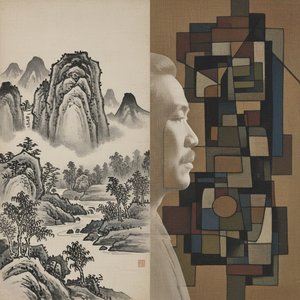
Yi Eungro: Bridging East & West in the Landscape of Korean Modernism
Explore the captivating world of Yi Eungro (Lee Ungno), a pivotal figure in Korean modernism. Discover his unique fusion of Eastern and Western artistic traditions, abstract masterpieces, and lasting legacy. A must-read for discerning art collectors.

