

 Ver en contexto
 Enviar
 Compartir
 Detalles

 Descargar
 Similares
 Radiografía
 Presentación de diapositivas
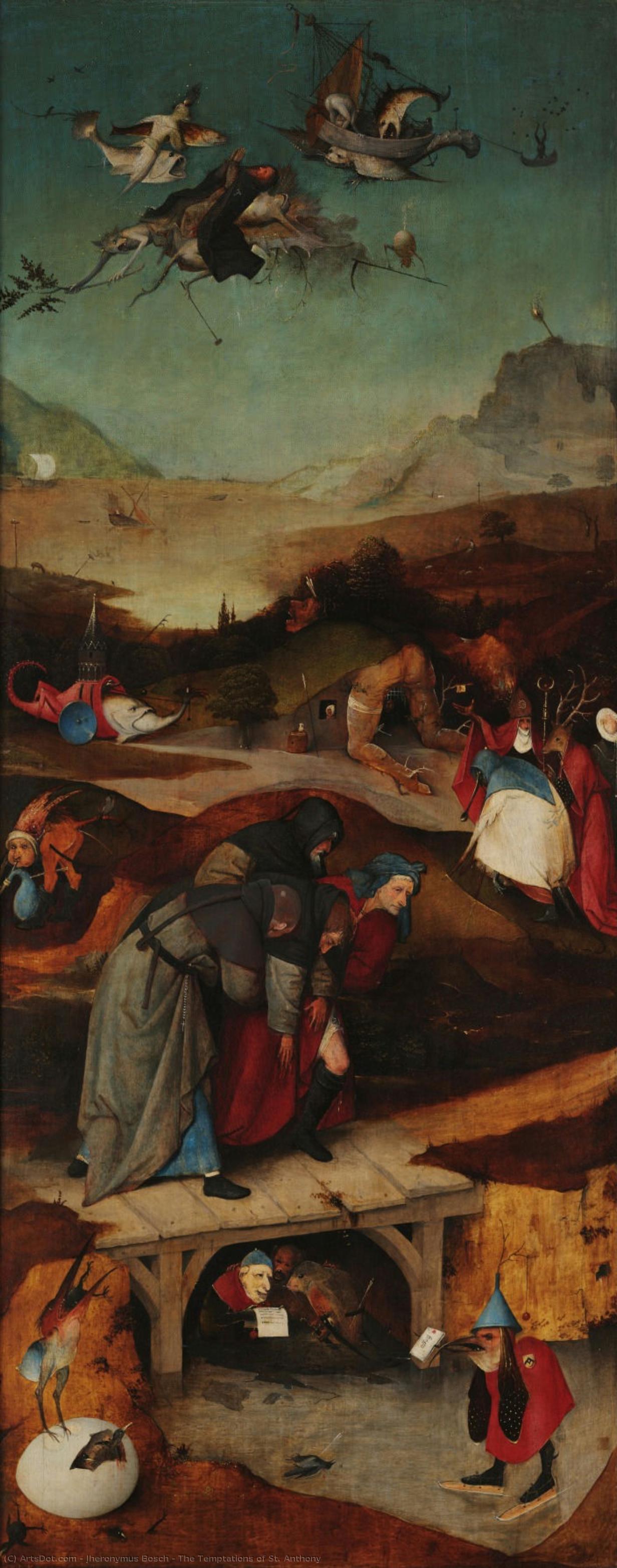
The Temptations of St. Anthony
 1400
1400 131.0 x 53.0 cm
 Museo Nacional de Arte Antigua
 Ver más
Reproducción al óleo hecha a mano
Óleo sobre lienzo pintado a mano en el tamaño y marco de su elección, realizado por encargo por nuestros artistas. ( Comprar impresión Comprar imagen)




































Elija entre nuestros tamaños predefinidos que respetan las proporciones originales de la obra.

Puede ingresar sus propias dimensiones para adaptarse a un marco o espacio específico. Si el tamaño seleccionado no coincide con las proporciones de la imagen original, recortaremos la obra o extenderemos la pintura con elementos adicionales pintados a mano. Se le enviará una maqueta digital para su aprobación antes de comenzar la producción.
Tenga en cuenta que la vista previa en pantalla no refleja el recorte o la extensión reales. Solo la maqueta mostrará con precisión la composición final.
Si bien existen tamaños personalizados, recomendamos seleccionar una dimensión de la lista predefinida para preservar las proporciones originales.
Tras realizar el pedido, el equipo de ArtsDot.com enviará un correo electrónico al cliente para solicitar instrucciones y proporcionarle una vista previa del boceto.
Envío a todo el mundo () en 3-4 semanas en lugar de las 5 semanas estándar. (26 agosto). Sin comprometer la calidad.

Envío exprés gratuito a todo el mundo

Lienzo de lino de alta calidad

Seguro de envío total

Garantía de reembolso de impuestos aduaneros

Garantía de fidelidad cromática exacta

Política de devolución de 60 días (solo por defectos)

Garantía de devolución del 100% del dinero

Descuento por cantidad
 La opción de vidrio solo está disponible en tamaños inferiores a 110 cm.

The Temptations of St. Anthony
Técnica de reproducción
Dimensiones de la reproducción
-


Precio total final
$ 263
Descripción de la obra
Obras relacionadas






Biografía del artista
Life and Work
Hieronymus van Aken, also known as Hieronymus Bosch, was a Dutch painter born around 1450 in Den Bosch, Netherlands—the heart of Brabant during the Renaissance. Despite the scarcity of definitive records, historians believe he resided primarily in ‘s-Hertogenbosch throughout his life, where he was born into a family rooted in Nijmegen and Aachen, reflected in his surname: van Aken. The exact details of his upbringing remain elusive, adding to the mystique surrounding this singular artistic figure. Bosch’s artistic journey began in Leuven, Belgium, where he studied under Rogier van der Weyden—a pivotal influence on his early style. However, it was ‘s-Hertogenbosch that nurtured his creative spirit and cemented his reputation as a master of visual storytelling. He established himself as a respected artist within the city’s guild system, demonstrating considerable skill in painting altarpieces and portraits. His distinctive artistic style—characterized by fantastical illustrations imbued with religious symbolism—quickly gained recognition beyond Brabant. Bosch's vision was profoundly shaped by humanist thought and theological debates of his time, resulting in artworks that grapple with profound moral dilemmas and explore the complexities of human existence. He skillfully blended realism with imaginative embellishments, creating scenes brimming with bizarre creatures, grotesque figures, and unsettling landscapes—a hallmark of what would become known as Mannerism.Artistic Style and Influence
Bosch’s artistic style stands apart from its contemporaries due to its uncompromising pessimism and unparalleled originality. Unlike many artists of his era who sought to emulate classical ideals or adhere to established conventions, Bosch relentlessly pursued a vision that reflected the anxieties and contradictions inherent in the human condition. His meticulous attention to detail—particularly in depicting grotesque anatomies and disturbing natural phenomena—served as inspiration for subsequent generations of painters. Pieter Bruegel the Elder is arguably Bosch’s most celebrated disciple, inheriting his stylistic innovations and expanding upon his thematic concerns. Bruegel's landscapes populated with fantastical characters and moral allegories bear testament to Bosch’s enduring legacy. Furthermore, Bosch’s influence extended beyond painting; his imaginative depictions of biblical narratives captivated audiences and stimulated intellectual discourse about faith and morality.Notable Works and Museums
Bosch produced approximately 25 paintings confidently attributed to his hand, alongside eight drawings—a remarkable output for an artist operating in a period marked by artistic conservatism. However, it is his monumental triptych altarpieces that truly define his artistic achievement. The Garden of Earthly Delights, arguably his most iconic masterpiece, remains a source of fascination and debate among art historians. Its hallucinatory imagery—featuring nude figures indulging in sensual pleasures amidst a surreal paradise—challenges viewers to confront uncomfortable truths about human desire and spiritual corruption. These triptychs are housed primarily in prestigious museums across Europe: The Rijksmuseum in Amsterdam houses several significant Bosch paintings, offering visitors an unparalleled opportunity to immerse themselves in his artistic universe. Similarly, The Mauritshuis in Delft showcases a remarkable collection of Dutch Renaissance art, including “Haywain,” which exemplifies Bosch’s masterful technique and evocative storytelling. The Van Gogh Museum in Amsterdam provides insight into the artist's life and influences, complementing the visual experience with biographical information.Legacy and Historical Significance
Hieronymus Bosch remains an unparalleled figure in European art history—a visionary painter who dared to depict the darkest recesses of human psychology while simultaneously elevating artistic expression to new heights. His uncompromising aesthetic challenged prevailing artistic conventions and instilled a profound sense of unease within audiences accustomed to idealized representations of beauty and virtue. Bosch’s preoccupation with moral allegory and his masterful manipulation of visual symbolism continue to inspire artists and scholars alike, ensuring that his work—and its enduring relevance—will resonate for centuries to come. His contribution to the development of Mannerism solidified his place as one of the most influential painters of the Renaissance, shaping artistic sensibilities and prompting ongoing interpretations of his unsettling visions.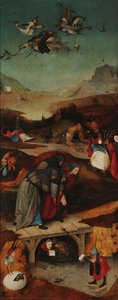
Jerónimo Bosch
1516 , Países Bajos
Datos clave
- Artistic Movement Or Style: Surrealismo temprano
- Artists Or Movements Influenced By This Artist: ['Renacimiento norteño']
- Artists Who Influenced This Artist: ['Pieter Bruegel el Viejo']
- Date Of Birth: c. 1450
- Date Of Death: 1516
- Full Name: Hieronymus van Aken
- Nationality: Holandés
- Notable Artworks:
- El Jardín de los Delicias
- La Tentación de San Antonio
- Place Of Birth: Den Bosch, Netherlands

