 Vista previa
 Compartir
 Compartir
 Ver detalles

 Descargar
 Ver similares
 Radiografía
 Presentación de diapositivas
Youth and the Maiden


 Leer más
Giclée / Impresión de arte
Impresiones giclée o en lienzo de calidad de museo con producción rápida y opciones de acabado flexibles. ( Encargar reproducción pintada a mano Comprar descarga)




P118B $10

P118H $10

P118W $10

P438Z $10

P508JH $12

P508YH $12

P805H $10

P805Z $10

P919BZ $10

P919G $10

P919XJ $10

P959ZH $10

P968JZ $12

W106C $8

W218G $10

W218JH $8

W218Y $10

W307PJ $10

W316G $10

W316PJ $8

W316Y $10

W398PJ $8

W4111J $10

W500HY $15

W500JH $15

W692G $12

W849H $8

W940BG $15

W953PJ $8




Elija entre nuestros tamaños predefinidos que respetan las proporciones originales de la obra.

Puede introducir sus propias dimensiones para adaptarse a un marco o espacio específico. Si el tamaño seleccionado no coincide con las proporciones de la imagen original, recortaremos la obra de arte o extenderemos la imagen con un borde con efecto espejo o de color sólido. Se enviará una maqueta digital para su aprobación antes de que comience la producción.
Tenga en cuenta que la vista previa en pantalla no refleja el recorte o la extensión real. Solo la maqueta mostrará con precisión la composición final.
Aunque existen tamaños personalizados, recomendamos seleccionar una dimensión de la lista predefinida para preservar las proporciones originales.
Envío a todo el mundo () en 2 semanas en lugar de las 4/5 semanas estándar. (22 agosto)

Envío exprés gratuito a todo el mundo

Lienzo de lino de alta calidad

Seguro de envío completo

Garantía de reembolso de aranceles aduaneros

Garantía de fidelidad cromática exacta

Política de devolución de 60 días (solo por defectos)

Garantía de devolución del 100% del dinero

Oferta por volumen
 La opción de vidrio solo está disponible en tamaños inferiores a 110 cm.

Youth and the Maiden
Giclée / Impresión de arte
Tamaño de la reproducción
-


Precio total
$ 62
Descripción de la pieza
The Genesis of a Shared Moment
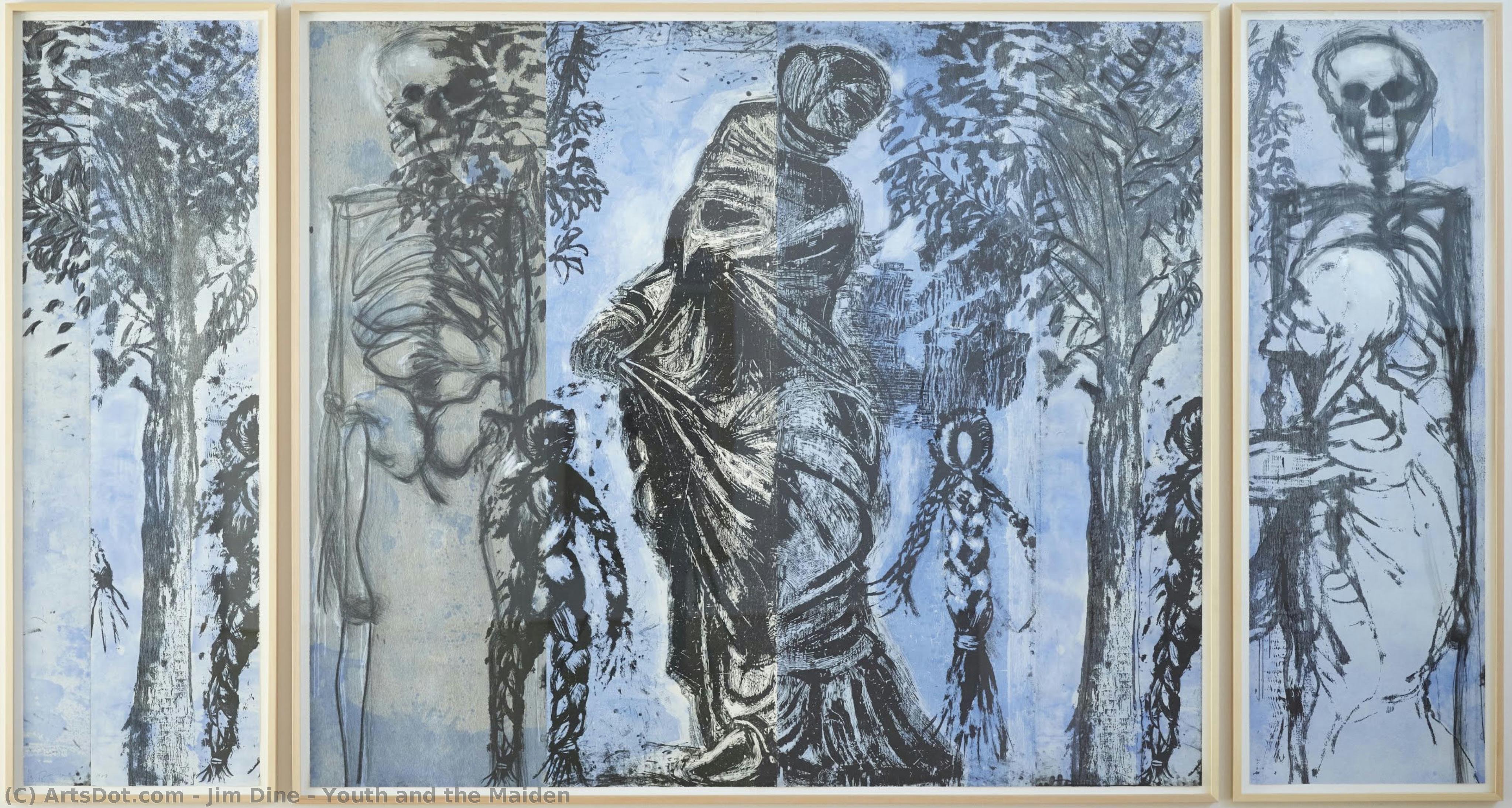
Jim Dine’s “Youth and the Maiden” isn't merely a depiction of two figures within a forest; it’s an invitation into a carefully constructed tableau of quiet intimacy, imbued with a profound sense of unspoken narrative. Created in 1988 as part of the Graphicstudio project – a collaborative printmaking venture that blurred the lines between artist, printer, and viewer – this work exemplifies Dine's signature approach: stripping away artifice to reveal the raw essence of human connection. The six panels, presented together, create an immersive experience, capturing fleeting moments within a single, sustained interaction. The figures, rendered in muted spitbite etching, heliorelief woodcut, and softground etching techniques, possess a remarkable stillness, their gazes averted yet suggesting a deep understanding. The surrounding trees, meticulously detailed with varying degrees of texture and shading, aren’t simply backdrop; they become active participants in the scene, framing the couple and subtly amplifying the feeling of enclosure and shared vulnerability. The choice of materials – each contributing a unique visual quality – speaks to Dine's deliberate control over the process, layering techniques to achieve a complex surface that invites close examination.Pop Art’s Quiet Revolution: Autobiographical Echoes
Dine emerged as a pivotal figure in the late 1950s, navigating the turbulent waters between Abstract Expressionism and the burgeoning Pop Art movement. His early work, deeply rooted in his upbringing – particularly the memory of his grandfather's hardware store – established a recurring motif: the humble tools and materials of everyday life elevated to symbolic significance. “Youth and the Maiden” is no exception; the forest itself can be interpreted as a metaphorical workshop, a space where relationships are forged and tested. This piece resonates with Pop Art’s interest in commonplace subjects, but Dine transcends mere replication. He imbues these familiar elements – trees, figures, light – with an intensely personal quality, drawing on his own experiences of love, loss, and the enduring power of memory. The work's deliberate ambiguity—the lack of explicit narrative—forces the viewer to actively participate in constructing meaning, mirroring Dine’s broader artistic philosophy.Symbolism Woven into the Wood
The imagery within “Youth and the Maiden” is rich with symbolic weight. The trees themselves represent both protection and constraint, suggesting a space where intimacy can flourish but also feels somewhat contained. The figures' averted gazes are particularly compelling; they don’t engage in direct communication, yet their proximity speaks to a shared understanding that transcends words. The subtle details—the placement of hands, the slight tilt of heads—are meticulously rendered, conveying a wealth of unspoken emotion. The inclusion of stars on the maiden’s forehead and crescents on her breasts – a reference to the Albanian folktale “The Jealous Sisters” – adds another layer of complexity, hinting at themes of rivalry, betrayal, and ultimately, resilience. This connection to folklore underscores Dine's fascination with archetypal narratives and their ability to resonate across cultures and generations.A Collaborative Vision: Graphicstudio’s Influence
“Youth and the Maiden” was produced through the Graphicstudio project, a collaborative endeavor that fundamentally altered the traditional relationship between artist, printmaker, and viewer. Dine conceived of the work, but it was executed by a team of skilled printers – Alan Holoubek, Tom Pruitt, Greg Burnet, and others – each contributing their expertise to the intricate process of multi-image printing. This collaborative approach resulted in variations within the edition, adding another layer of intrigue and emphasizing the ephemeral nature of art production. The work’s six panels were printed on three sheets of Arches Cover wove paper, further enhancing the tactile quality and visual richness of the image. The Graphicstudio project demonstrated a shift towards process-oriented art, where the act of creation itself becomes as important as the final product.Finding Resonance: A Timeless Portrait
“Youth and the Maiden” continues to captivate viewers with its quiet intensity and evocative imagery. It’s a work that invites contemplation, prompting us to consider the complexities of human relationships and the enduring power of shared moments. Whether viewed as a meditation on love, loss, or simply the beauty of nature, this piece offers a profound glimpse into Dine's artistic vision—a vision characterized by honesty, vulnerability, and an unwavering commitment to exploring the fundamental questions of human existence. Its timeless appeal makes it a compelling addition to any collection, offering both aesthetic pleasure and intellectual stimulation.Obras relacionadas

Biografía del artista
Primeros Años y Educación
- Nacido: Cincinnati, Estados Unidos de América (1935)
- El viaje artístico de Jim Dine comenzó en Cincinnati, Ohio. Asistió a la Escuela Secundaria Walnut Hills y posteriormente a la Universidad de Cincinnati.
- En 1953, continuó su educación tomando clases nocturnas en la Academia de Arte de Cincinnati bajo la tutela del influyente instructor, Paul Chidlaw.
- Recibió un BFA de la Universidad de Ohio en 1957, sentando las bases para sus futuros esfuerzos artísticos.
El Ascenso de los Happenings y Pionero del Pop Art
- Dine inicialmente ganó reconocimiento por sus innovadores "happenings", actuaciones colaborativas con artistas como Claes Oldenburg, Allan Kaprow y el músico John Cage. Estos eventos caóticos fueron un marcado contraste con el ánimo expresionista en el mundo del arte de Nueva York.
- Su primer happening, “30-second the smiling worker”, se realizó en 1959.
- En 1962, la obra de Dine fue incluida en la innovadora exposición "New Painting of Common Objects" en el Museo Norton Simon, junto con destacados artistas como Roy Lichtenstein y Andy Warhol. Esta exposición es considerada históricamente una de las primeras exposiciones significativas de Pop Art en América.
- Esta inclusión solidificó su lugar dentro del floreciente movimiento Pop Art, que desafió las formas artísticas tradicionales y reflejó la agitación social.
Ensamblaje y Obras Autobiográficas
- Durante la década de 1960, Dine comenzó a incorporar objetos cotidianos, particularmente herramientas con significado personal, en sus lienzos.
- Job #1 (1962), que se encuentra en la colección del Museo de Arte de Honolulu, ejemplifica este enfoque, presentando latas de pintura, pinceles, un destornillador y un trozo de madera.
- Si bien estas obras lograron tanto éxito comercial como crítico, Dine expresó su insatisfacción con esta fase.
- Un incidente notable ocurrió en 1966 cuando la policía irrumpió en una exposición de su obra en la galería de Robert Fraser en Londres, lo que provocó procedimientos legales y un mayor escrutinio de su expresión artística.
Desarrollo Posterior y Reconocimiento
- Después de trasladarse a Londres en 1967, Dine continuó desarrollando su arte bajo la representación de Fraser durante cuatro años.
- Al regresar a los Estados Unidos en 1971, se centró en una serie de dibujos.
- Desde 1976, ha estado representado por Pace Gallery.
- La década de 1980 vio un resurgimiento de la escultura en su obra, seguido de un cambio hacia la representación de la naturaleza en oposición a los objetos hechos por el hombre.
- La influencia de Dine se extiende más allá del mundo del arte; se ha señalado que James Rado, coautor del musical "Hair", atribuyó el nombre del espectáculo a una pieza de Dine titulada “Hair”.
Acólades y Arte Público
- El Museo de Bellas Artes de Virginia adquirió seis obras de Dine e invitó a Dine a ser jurado en “la próxima exposición jurada” en VMFA en 1983.
- En 1984, el Walker Art Center exhibió su obra como "Jim Dine: five themes".
- Fue elegido miembro asociado de la Academia Nacional de Diseño en 1983 y se convirtió en académico titular en 1994.
- Destacadas instalaciones de arte público incluyen una estatua de bronce de nueve metros de altura, “Walking to Borås”, presentada a la ciudad de Borås, Suecia, en 2008, que representa a Pinocho. Otra gran escultura de bronce de Pinocho se encuentra en el Museo de Arte de Cincinnati.
- La "Technicolor Heart", una escultura de bronce de silicona de 12 pies de altura pintada con esmalte al óleo, se encuentra en el campus de la Universidad Estatal de Washington.

Jim Dine
1935 - , Estados Unidos de América
Datos clave
- Artistas Influyentes: ['Paul Chidlaw']
- Fecha De Nacimiento: 16 de junio de 1935
- Influenciado Por:
- Chuck Close
- Tom Hopkins
- Lugar De Nacimiento: Cincinnati, EE. UU.
- Movimiento Artístico:
- Pop Art
- Neo-Dada
- Nacionalidad: Estadounidense
- Nombre Completo: Jim Dine
- Obras Notables:
- Untitled (2)
- Cinco pies de herramientas
- Tool box
- Bata grabada
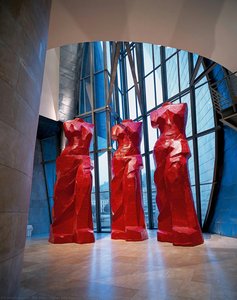
- Tres Venus rojas
Artículos relacionados
Jim Dine: A Poetic of Everyday Objects – Exploring Autobiographical Narratives & the Evolution of a Pop Art Icon
Explore the captivating world of Jim Dine – Pop Art pioneer & master of autobiographical expression. Discover his iconic tools, robes, and hearts. Expert insights for art collectors.
Arboreal Echoes: A Historical & Artistic Exploration of Trees in Painting
Explore the rich history of trees in painting! Discover symbolism, Romantic masterpieces by Caspar David Friedrich & beyond. A curated journey for art enthusiasts.
Arboreal Echoes: A Historical & Artistic Exploration of Trees in Painting
Explore the rich history of trees in painting! Discover symbolism, Romantic masterpieces by Caspar David Friedrich & beyond. A curated journey for art enthusiasts.

The Enchanted Canopy: Exploring Forests in Art History – From Romantic Idealization to Ecological Consciousness
Explore the rich history of forests in art! Discover Romantic masterpieces by Friedrich & Monet, Symbolist depths, and contemporary visions. Find inspiration & quality reproductions at ArtsDot.

Desafiando las Convenciones: Orígenes, Evolución y Legado Duradero del Pop Art
Descubra la fascinante historia del Pop Art: orígenes, artistas clave como Warhol y Lichtenstein, técnicas innovadoras y su impacto duradero en el arte y la cultura. Guía experta para coleccionistas.