

 Ver en contexto
 Enviar
 Compartir
 Detalles

 Descargar
 Similares
 Radiografía
 Presentación de diapositivas
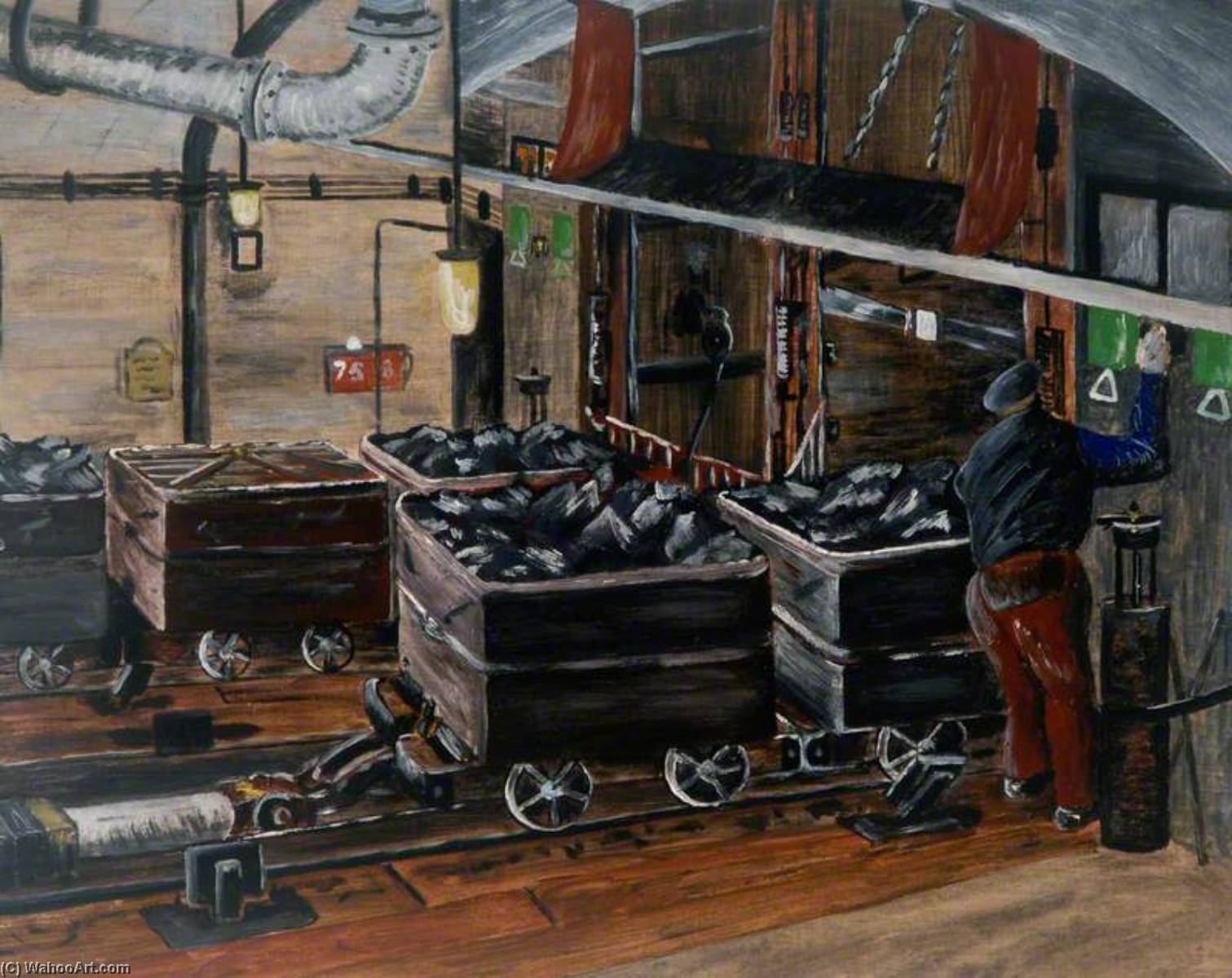
The Onsetter
 1942
1942 55.0 x 70.0 cm
 Museo Woodhorn
 Ver más
Giclée / Impresión de arte
Impresiones giclée o en lienzo de calidad de museo con producción rápida y opciones de acabado flexibles. ( Comprar pintura hecha a mano Comprar imagen)




































Elija entre nuestros tamaños predefinidos que respetan las proporciones originales de la obra.

Puede introducir sus propias dimensiones para adaptarse a un marco o espacio específico. Si el tamaño seleccionado no coincide con las proporciones de la imagen original, recortaremos la obra de arte o extenderemos la imagen con un borde con efecto espejo o de color sólido. Se enviará una maqueta digital para su aprobación antes de que comience la producción.
Tenga en cuenta que la vista previa en pantalla no refleja el recorte o la extensión real. Solo la maqueta mostrará con precisión la composición final.
Aunque existen tamaños personalizados, recomendamos seleccionar una dimensión de la lista predefinida para preservar las proporciones originales.
Envío a todo el mundo () en 2 semanas en lugar de las 4/5 semanas estándar. (7 septiembre)

Envío exprés gratuito a todo el mundo

Lienzo de lino de alta calidad

Seguro de envío total

Garantía de reembolso de impuestos aduaneros

Garantía de fidelidad cromática exacta

Política de devolución de 100 días (solo por defectos)

Garantía de devolución del 100% del dinero

Descuento por cantidad
 La opción de vidrio solo está disponible en tamaños inferiores a 110 cm.

The Onsetter
Giclée / Impresión de arte
Dimensiones de la reproducción
-


Precio total final
$ 62
Industrial Setting
The painting depicts a man working in a warehouse or factory setting, surrounded by various objects such as bicycles, barrels, and crates. The atmosphere suggests an industrial setting where manual labor and organization are essential to maintaining operations. The presence of multiple bicycles scattered throughout the scene adds a sense of chaos, while the clock visible in the background indicates that time is being tracked during this work process. Key Elements The painting's composition highlights the importance of industry and labor during this period. Some key elements include:- The use of earthy tones to convey a sense of grittiness and realism
- The depiction of everyday objects, such as bicycles and barrels, to emphasize the mundane nature of industrial work
- The presence of a clock, which serves as a reminder of the importance of time management in an industrial setting
Artist and Museum
Jimmy Floyd was a British artist known for his contributions to the Ashington Group, a collective of artists who documented their experiences as coal miners. The Woodhorn Museum - Northumberland Archives is home to an extensive collection of artworks that reflect the rich cultural heritage of the region. For more information on the museum's collection, visit Discovering the Artworks of Woodhorn Museum - Northumberland Archives.To explore more artworks by Jimmy Floyd, including The Miner, Last Smoke before Descent, visit Jimmy Floyd's page on ArtsDot.com. For hand-made oil painting reproductions of The Onsetter and other artworks, browse the collection at ArtsDot.com.
Obras relacionadas










Biografía del artista
The Industrial Poet of Northumberland
Born in the vibrant, coal-dusted atmosphere of Newcastle upon Tyne in 1898, Jimmy Floyd emerged as a profound visual chronicler of a transformative era in British history. His life and art were inextricably linked to the rugged landscapes of Northumberland, a region defined by the rhythmic pulse of mining communities and the encroaching shadows of burgeoning factories. Floyd did not merely observe his surroundings; he inhabited them, translating the grit, toil, and quiet resilience of the working class into a poignant visual language. As a master of realism, his work serves as a bridge between the raw reality of industrial expansion and the enduring spirit of the people who fueled it.
Floyd’s artistic foundation was laid at the Newcastle Art School, where he first mastered the delicate nuances of watercolor and drawing before finding his true calling in the rich, tactile medium of oil paint. This transition allowed him to explore the heavy textures and somber tones that would become his hallmark. His early years were shaped by a Britain undergoing rapid urbanization—a period of intense social upheaval and technological advancement. These shifts deeply influenced his worldview, driving him to capture the essence of everyday life with an empathetic eye. He possessed a unique ability to find beauty within the mundane, portraying miners and their families not as mere subjects of hardship, but as figures of immense dignity and strength.
A Mastery of Texture and Atmosphere
Unlike the Impressionists, who sought to capture the fleeting dance of light across a surface, Floyd’s technique was rooted in a meticulous devotion to detail and tonal subtlety. He approached his canvas with the precision of an architect, rendering the rough, weathered stone of mineshafts and the worn faces of laborers with remarkable clarity. His palette was often muted, utilizing earthy tones to evoke the somber, heavy atmosphere of the industrial heartland. This deliberate use of color served to ground his subjects in their environment, creating a sense of permanence and weight that mirrored the gravity of the lives he depicted.
His compositions often balanced the expansive scale of the Northumberland landscape with intimate human elements. In his works, one might find:
- Industrial Landscapes: Expansive views dominated by coal pits, railways, and the skeletal structures of industry.
- Rural Intersections: Scenes where nature and man-made progress coexist, such as in Pigeon Crees (1938), where train tracks weave through picturesque countryside.
- The Human Element: Captivating representations of manual labor, exemplified by The Onsetter (1942), which captures the organized chaos of a warehouse setting.
Legacy and Historical Significance
Beyond his individual technical achievements, Jimmy Floyd holds a significant place in the history of British social realism. He was a notable contributor to the spirit of the Ashington Group, a collective of artists dedicated to documenting the lived experiences of coal miners. Through his eyes, the industrial landscape became more than just a site of production; it became a character in its own right, shaped by human presence and historical momentum. His ability to weave together the textures of industry with the tenderness of domestic life—seen in works like Vase of Flowers—demonstrates the breadth of his artistic vision.
Today, Floyd’s oeuvre remains a vital historical record. His paintings, many of which are preserved in institutions such as the Woodhorn Museum - Northumberland Archives, offer a window into a vanished world of coal and iron. He leaves behind a legacy that transcends simple documentation, offering instead an emotional resonance that continues to move viewers. Through his meticulous realism, Floyd ensured that the dignity of the Northumbrian working class would never be lost to the passage of time, immortalizing the "industrial poet" within every brushstroke.

jimmy floyd
1898 - 1974
Datos clave
- Artistic Movement Or Style: Realism
- Date Of Death: 1974
- Full Name: Jimmy Floyd
- Nationality: British
- Notable Artworks:
- Pigeon Crees
- The Onsetter
- Vase of Flowers
- Place Of Birth: Newcastle upon Tyne, England