

 Ver en contexto
 Enviar
 Compartir
 Detalles

 Descargar
 Similares
 Radiografía
 Presentación de diapositivas
 Estadísticas
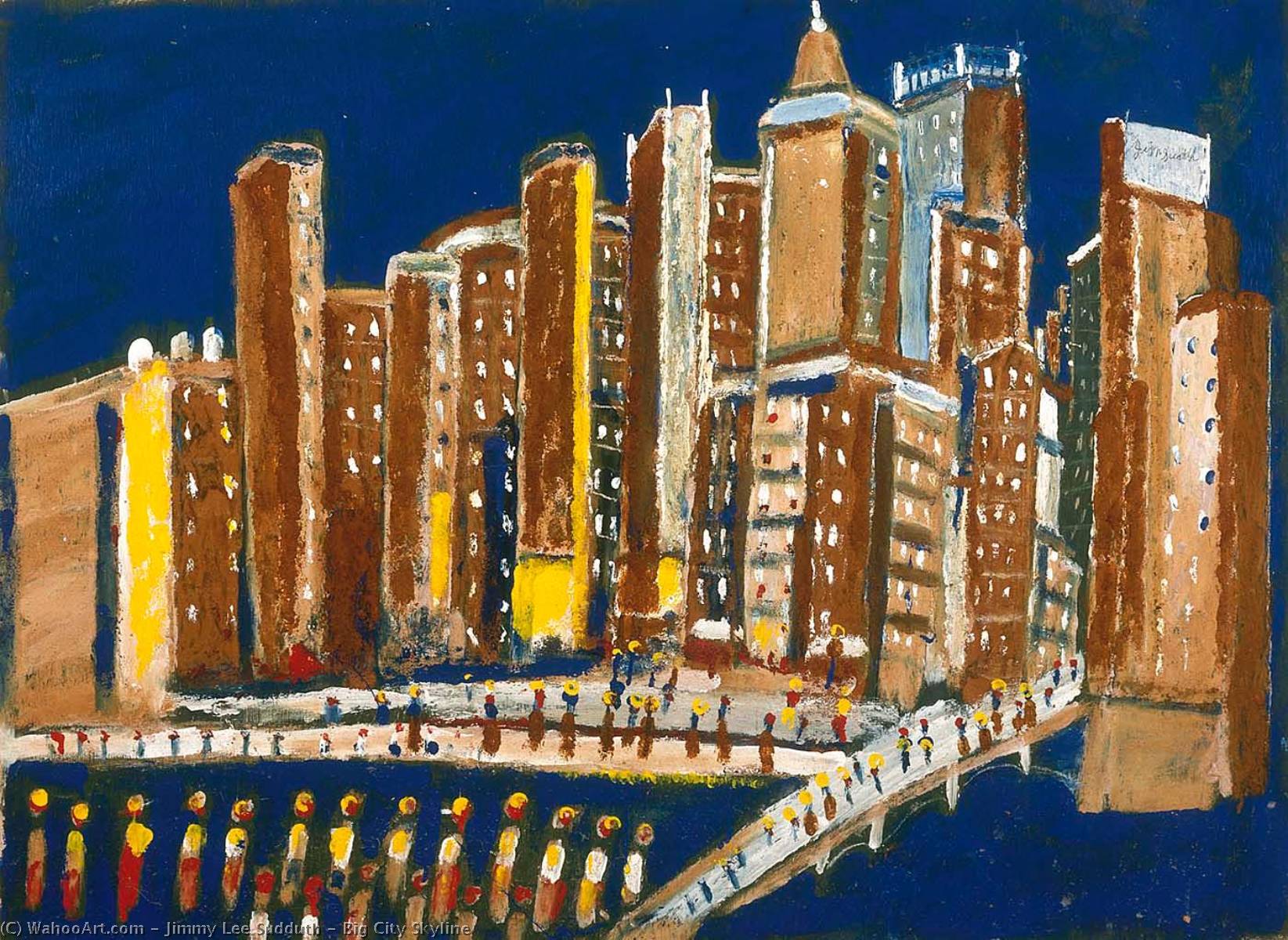
Big City Skyline
 1988
1988 94.0 x 122.0 cm
 Ver más
Adquiera una imagen digital de alta resolución y optimizada, muy superior a la vista previa en línea.
Cada archivo es preparado meticulosamente por nuestros especialistas internos mediante el uso de herramientas avanzadas y un experto retoque manual. Nos aseguramos de que cada imagen posea una claridad excepcional, una precisión cromática impecable y un detalle minucioso.
El archivo final se entrega por correo electrónico en un plazo de 72 horas, optimizado para su uso inmediato en entornos profesionales, editoriales y de impresión. Esta es la misma calidad en la que confían los estudios de diseño, las editoriales y las galerías de primer nivel.
Imagen Digital
Descarga un archivo de alta resolución para exhibición personal, impresión y proyectos creativos. ( Cambiar a Impresión Comprar pintura hecha a mano)
Incluido en cada pedido de imágenes digitales
Entrega digital experta, garantizada.
Al elegir ArtsDot.com, no solo está adquiriendo una imagen; está recibiendo una obra de arte digital mejorada profesionalmente, elaborada con precisión y respaldada por una garantía de satisfacción. Esto es todo lo que incluye su pedido, automáticamente:

Entrega rápida por email
Recibirá su archivo de imagen digital en alta resolución por correo electrónico en un plazo de 72 horas tras realizar su pedido, listo para su uso inmediato.

Archivo digital optimizado por IA
Su obra de arte se optimiza profesionalmente mediante herramientas avanzadas de IA y edición manual, garantizando el máximo detalle, claridad y precisión cromática.

Reenvío gratuito de por vida
¿Has borrado o perdido tu archivo por error? No te preocupes: te lo volveremos a enviar en cualquier momento, sin coste adicional.

Sin gastos de importación, siempre
Disfrute de su obra de arte al instante sin aduanas, aranceles ni gastos de envío; las descargas digitales siempre están libres de impuestos.

Garantía de fidelidad de color
Garantizamos que su imagen digital refleje los colores originales con la mayor fidelidad posible, mediante el uso de herramientas profesionales y gestión del color.

Garantía de satisfacción de 100 días
Si no está satisfecho con su imagen digital, la revisaremos o le reembolsaremos el 100% en un plazo de 100 días, sin preguntas.

100% Garantía de devolución de dinero
¿No está satisfecho? Obtenga un reembolso completo dentro de los 100 días posteriores a la recepción de su archivo digital, sin preguntas.

Descuentos por pedidos grandes
Compra 3 imágenes, ahorra 10% - Compra 5, ahorra 15% - Compra 10+, ahorra 20%. Ideal para proyectos creativos, galerías y agencias.
The Artist and His Style
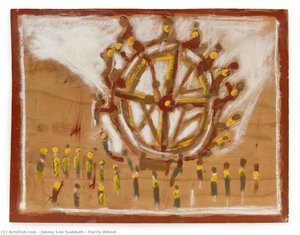
Jimmy Lee Sudduth was an American artist known for his self-taught style, which is characterized by the use of bold colors and simple forms. His paintings often depicted scenes from everyday life, including cityscapes, landscapes, and portraits. The Big City Skyline painting is a testament to Sudduth's ability to capture the essence of urban life in a unique and captivating way.The Painting's Composition
The composition of the Big City Skyline painting is notable for its use of geometric shapes and bold lines. The buildings are painted in various shades of brown and yellow, giving the scene a sense of depth and dimensionality. The inclusion of a person walking on the street near the center of the painting adds a sense of scale and humanity to the scene.- The painting is made on wood, which gives it a unique texture and feel.
- The use of bold colors and simple forms creates a sense of energy and vitality.
- The inclusion of a person walking on the street adds a sense of scale and humanity to the scene.
The Big City Skyline painting is a remarkable example of folk art and a testament to the unique style and technique of Jimmy Lee Sudduth. Its composition, use of color, and inclusion of human figures make it a captivating and thought-provoking artwork that continues to inspire art lovers today.
Obras relacionadas



Biografía del artista
Jimmy Lee Sudduth: A Visionary of the Rural South
Born on March 10, 1910, in Caines Ridge, Alabama—a remote corner of the rural South steeped in folklore and a deep connection to the land—Jimmy Lee Sudduth’s life was one inextricably linked to his art. He wasn't formally trained; he didn’t study technique or theory. Instead, his artistic journey began organically, fueled by observation, instinct, and an intimate understanding of the materials at hand. Sudduth’s story is a remarkable testament to the power of self-taught artistry, revealing a profound connection between place, culture, and creative expression.
Growing up on a farm instilled in Sudduth a reverence for nature—a respect that permeated his work. His early years were spent surrounded by the rhythms of rural life: tending crops, observing animals, and absorbing the colors and textures of the natural world. He began creating rudimentary figures from wood scraps and drawing directly onto tree trunks with charcoal, honing his observational skills and developing a unique visual language. These initial explorations laid the foundation for his later, more ambitious projects – a testament to the enduring human impulse to create, regardless of formal instruction.
The Language of Mud and Found Materials
Sudduth’s artistic process was utterly unconventional, rooted in resourcefulness and an almost alchemical approach to materials. He eschewed traditional paints and canvases, instead utilizing a diverse range of readily available substances: mud, dirt, berries, coffee grounds, soot, pine needles, and even discarded industrial products like syrup and motor oil. His fingers became his brushes—a deliberate rejection of conventional tools that reflected his deep connection to the tactile nature of his materials. He meticulously mixed pigments with sugar water, soft drinks, and caulk to achieve desired hues and textures, demonstrating a remarkable understanding of color mixing through experimentation.
The surfaces he chose were equally significant – discarded plywood, doors salvaged from demolished buildings, and even railroad tracks—each imbued with its own history and character. This practice of utilizing “found” materials wasn’t merely economical; it was deeply symbolic, reflecting Sudduth's connection to the land and his ability to transform the overlooked into something beautiful and meaningful. His work became a visual record of his environment, a celebration of the beauty hidden within the mundane.
Themes and Subjects: A Reflection of Rural Life
Sudduth’s paintings are populated by figures drawn from his immediate surroundings—family members, farm animals, neighbors, and occasional glimpses of larger cities like New York. He frequently depicted self-portraits, often as a blues musician, reflecting his lifelong passion for music and his deep connection to the African American culture of rural Alabama. His subjects weren’t idealized; they were rendered with an honest and unpretentious quality, capturing the essence of everyday life in the South.
Beyond portraits, Sudduth depicted scenes from rural life—farm machinery, landscapes, and architectural details—all executed with a distinctive visual style characterized by bold colors, simplified forms, and a palpable sense of energy. His work is not simply representational; it’s infused with emotion and memory, offering a poignant glimpse into the soul of a forgotten corner of America.
Recognition and Legacy
Despite his talent and growing recognition, Sudduth remained largely unknown for much of his life. His first public exhibition occurred in 1968 at Stillman College in Tuscaloosa, followed by a significant show in Fayette in 1971 that garnered regional attention. His work gained wider acclaim in the late 1970s and early 1980s, culminating in invitations to exhibit at prestigious institutions such as the Smithsonian Institution’s Bicentennial Festival of American Folk Life (1976) and the New Orleans Museum of Art (1995). He was honored with the Alabama Arts Award in 1995, solidifying his place as a pivotal figure in Southern outsider art.
Today, Jimmy Lee Sudduth’s work is celebrated for its raw honesty, emotional depth, and unique artistic vision. His paintings are featured in collections across the United States, including the Smithsonian American Art Museum, the High Museum of Art, and the Birmingham Museum of Art. Sudduth's legacy extends beyond his individual creations; he represents a powerful reminder that art can emerge from unexpected places—from the hands of those who have no formal training but possess an unwavering passion for expression. He stands as one of the early masters of Southern self-taught art, a testament to the enduring spirit of creativity and the beauty found in the simplest of materials.
jimmy lee sudduth
1910 - 2007
Breves datos
- Artistic Movement Or Style: Outsider art, Finger painting
- Artists Or Movements Influenced By This Artist: ['']
- Artists Who Influenced This Artist: ['']
- Date Of Birth: March 10, 1910
- Date Of Death: September 2, 2007
- Full Name: Jimmy Lee Sudduth
- Nationality: American
- Notable Artworks:
- Bicycle Man
- Ferris Wheel
- Large Blue House
- Large Toto
- New York City Skyline
- Place Of Birth: Fayette, Alabama, USA