

 Ver en contexto
 Enviar
 Compartir
 Detalles

 Descargar
 Similares
 Radiografía
 Presentación de diapositivas
 Estadísticas
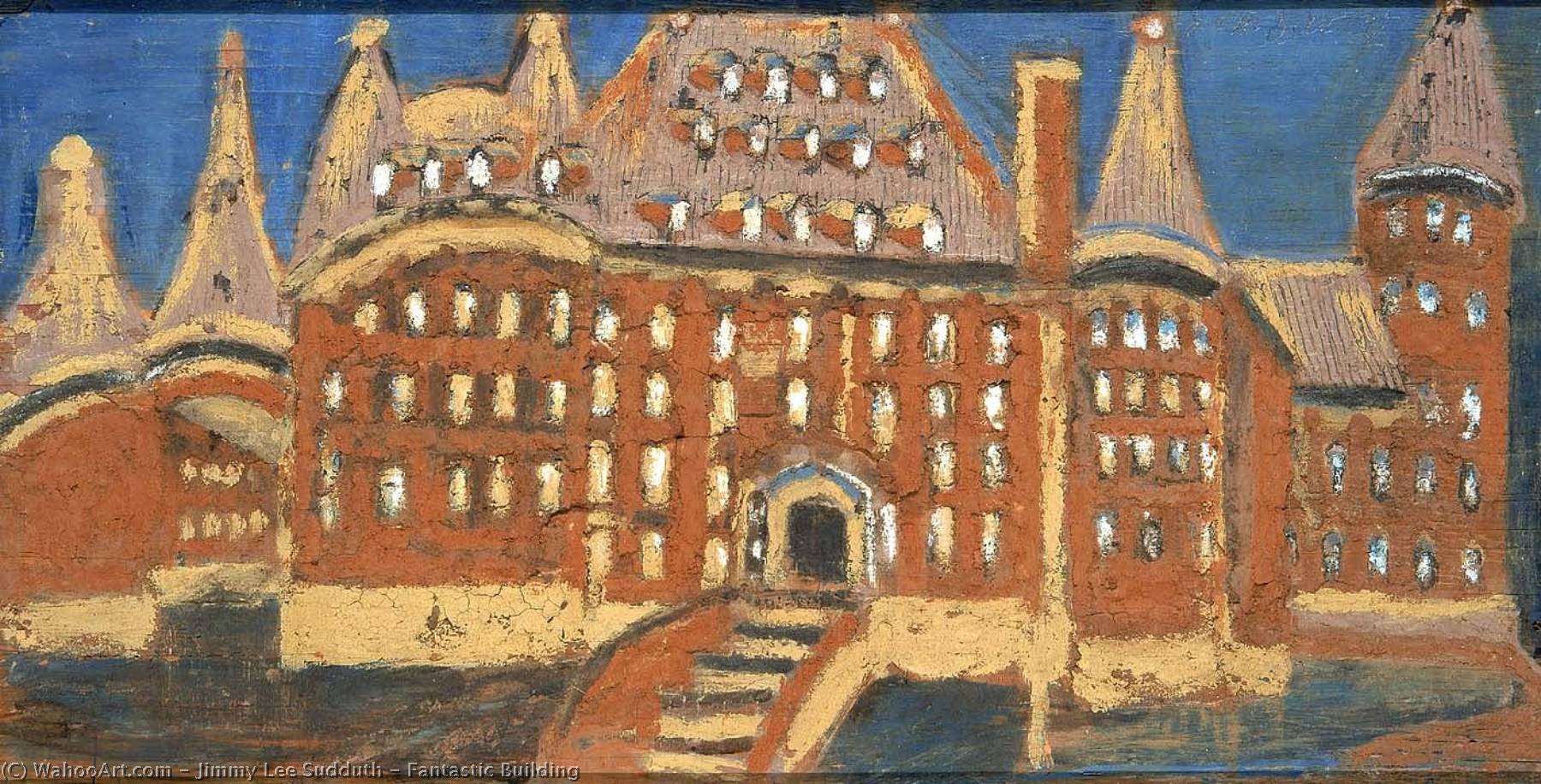
Fantastic Building
 1970
1970 55.0 x 106.0 cm
 Ver más
Reproducción al óleo hecha a mano
Óleo sobre lienzo pintado a mano en el tamaño y marco de su elección, realizado por encargo por nuestros artistas. ( Cambiar a Impresión Cambiar a imagen digital)




































Elija entre nuestros tamaños predefinidos que respetan las proporciones originales de la obra.

Puede ingresar sus propias dimensiones para adaptarse a un marco o espacio específico. Si el tamaño seleccionado no coincide con las proporciones de la imagen original, recortaremos la obra o extenderemos la pintura con elementos adicionales pintados a mano. Se le enviará una maqueta digital para su aprobación antes de comenzar la producción.
Tenga en cuenta que la vista previa en pantalla no refleja el recorte o la extensión reales. Solo la maqueta mostrará con precisión la composición final.
Si bien existen tamaños personalizados, recomendamos seleccionar una dimensión de la lista predefinida para preservar las proporciones originales.
Tras realizar el pedido, el equipo de ArtsDot.com enviará un correo electrónico al cliente para solicitar instrucciones y proporcionarle una vista previa del boceto.
Envío a todo el mundo () en 3-4 semanas en lugar de las 5 semanas estándar. (11 septiembre). Sin comprometer la calidad.

Envío exprés gratuito a todo el mundo

Lienzo de lino de alta calidad

Seguro de envío total

Garantía de reembolso de impuestos aduaneros

Garantía de fidelidad cromática exacta

Política de devolución de 100 días (solo por defectos)

Garantía de devolución del 100% del dinero

Descuento por cantidad
 La opción de vidrio solo está disponible en tamaños inferiores a 110 cm.

Fantastic Building
Técnica de reproducción
Dimensiones de la reproducción
-


Precio total final
$ 263
Introduction to the Artist
Jimmy Lee Sudduth was an American folk artist known for his vibrant and imaginative paintings. Born in 1910, Sudduth's artistic journey began at a young age, with his mother encouraging his creative pursuits. His work is characterized by the use of natural materials, such as mud, sugar, and plant-based pigments, which he applied to various surfaces using his fingers.The Painting: "Fantastic Building"
Fantastic Building is a remarkable example of Sudduth's artistic vision. Created in 1970, the painting measures 55 x 106 cm and features a large building with multiple windows, adorned with a red brick exterior. The scene is populated by several people, adding a sense of dynamism to the composition. A clock mounted on the wall of the building serves as a striking focal point. Key Features:- Unique blend of natural materials and techniques
- Vibrant color palette and textured surface
- Intricate details, including the clock and human figures
Artistic Significance and Legacy
Jimmy Lee Sudduth's work has been recognized by prominent institutions, including the Smithsonian American Art Museum. His contributions to the world of folk art have inspired a new generation of artists and collectors. As a testament to his enduring legacy, Sudduth's paintings continue to be celebrated for their beauty, creativity, and emotional resonance.For those interested in exploring more of Jimmy Lee Sudduth's artwork, https://ArtsDot.com offers a range of handmade oil painting reproductions, including pieces inspired by the artist's unique style. Visit https://ArtsDot.com to discover the vibrant world of folk art and experience the beauty of Fantastic Building for yourself.
Obras relacionadas



Biografía del artista
Jimmy Lee Sudduth: A Visionary of the Rural South
Born on March 10, 1910, in Caines Ridge, Alabama—a remote corner of the rural South steeped in folklore and a deep connection to the land—Jimmy Lee Sudduth’s life was one inextricably linked to his art. He wasn't formally trained; he didn’t study technique or theory. Instead, his artistic journey began organically, fueled by observation, instinct, and an intimate understanding of the materials at hand. Sudduth’s story is a remarkable testament to the power of self-taught artistry, revealing a profound connection between place, culture, and creative expression.
Growing up on a farm instilled in Sudduth a reverence for nature—a respect that permeated his work. His early years were spent surrounded by the rhythms of rural life: tending crops, observing animals, and absorbing the colors and textures of the natural world. He began creating rudimentary figures from wood scraps and drawing directly onto tree trunks with charcoal, honing his observational skills and developing a unique visual language. These initial explorations laid the foundation for his later, more ambitious projects – a testament to the enduring human impulse to create, regardless of formal instruction.
The Language of Mud and Found Materials
Sudduth’s artistic process was utterly unconventional, rooted in resourcefulness and an almost alchemical approach to materials. He eschewed traditional paints and canvases, instead utilizing a diverse range of readily available substances: mud, dirt, berries, coffee grounds, soot, pine needles, and even discarded industrial products like syrup and motor oil. His fingers became his brushes—a deliberate rejection of conventional tools that reflected his deep connection to the tactile nature of his materials. He meticulously mixed pigments with sugar water, soft drinks, and caulk to achieve desired hues and textures, demonstrating a remarkable understanding of color mixing through experimentation.
The surfaces he chose were equally significant – discarded plywood, doors salvaged from demolished buildings, and even railroad tracks—each imbued with its own history and character. This practice of utilizing “found” materials wasn’t merely economical; it was deeply symbolic, reflecting Sudduth's connection to the land and his ability to transform the overlooked into something beautiful and meaningful. His work became a visual record of his environment, a celebration of the beauty hidden within the mundane.
Themes and Subjects: A Reflection of Rural Life
Sudduth’s paintings are populated by figures drawn from his immediate surroundings—family members, farm animals, neighbors, and occasional glimpses of larger cities like New York. He frequently depicted self-portraits, often as a blues musician, reflecting his lifelong passion for music and his deep connection to the African American culture of rural Alabama. His subjects weren’t idealized; they were rendered with an honest and unpretentious quality, capturing the essence of everyday life in the South.
Beyond portraits, Sudduth depicted scenes from rural life—farm machinery, landscapes, and architectural details—all executed with a distinctive visual style characterized by bold colors, simplified forms, and a palpable sense of energy. His work is not simply representational; it’s infused with emotion and memory, offering a poignant glimpse into the soul of a forgotten corner of America.
Recognition and Legacy
Despite his talent and growing recognition, Sudduth remained largely unknown for much of his life. His first public exhibition occurred in 1968 at Stillman College in Tuscaloosa, followed by a significant show in Fayette in 1971 that garnered regional attention. His work gained wider acclaim in the late 1970s and early 1980s, culminating in invitations to exhibit at prestigious institutions such as the Smithsonian Institution’s Bicentennial Festival of American Folk Life (1976) and the New Orleans Museum of Art (1995). He was honored with the Alabama Arts Award in 1995, solidifying his place as a pivotal figure in Southern outsider art.
Today, Jimmy Lee Sudduth’s work is celebrated for its raw honesty, emotional depth, and unique artistic vision. His paintings are featured in collections across the United States, including the Smithsonian American Art Museum, the High Museum of Art, and the Birmingham Museum of Art. Sudduth's legacy extends beyond his individual creations; he represents a powerful reminder that art can emerge from unexpected places—from the hands of those who have no formal training but possess an unwavering passion for expression. He stands as one of the early masters of Southern self-taught art, a testament to the enduring spirit of creativity and the beauty found in the simplest of materials.
jimmy lee sudduth
1910 - 2007
Datos clave
- Artistic Movement Or Style: Outsider art, Finger painting
- Artists Or Movements Influenced By This Artist: ['']
- Artists Who Influenced This Artist: ['']
- Date Of Birth: March 10, 1910
- Date Of Death: September 2, 2007
- Full Name: Jimmy Lee Sudduth
- Nationality: American
- Notable Artworks:
- Bicycle Man
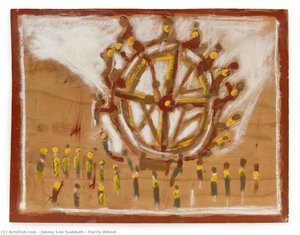
- Ferris Wheel
- Large Blue House
- Large Toto
- New York City Skyline
- Place Of Birth: Fayette, Alabama, USA