

 Vista previa
 Compartir
 Compartir
 Ver detalles

 Descargar
 Ver similares
 Radiografía
 Presentación de diapositivas
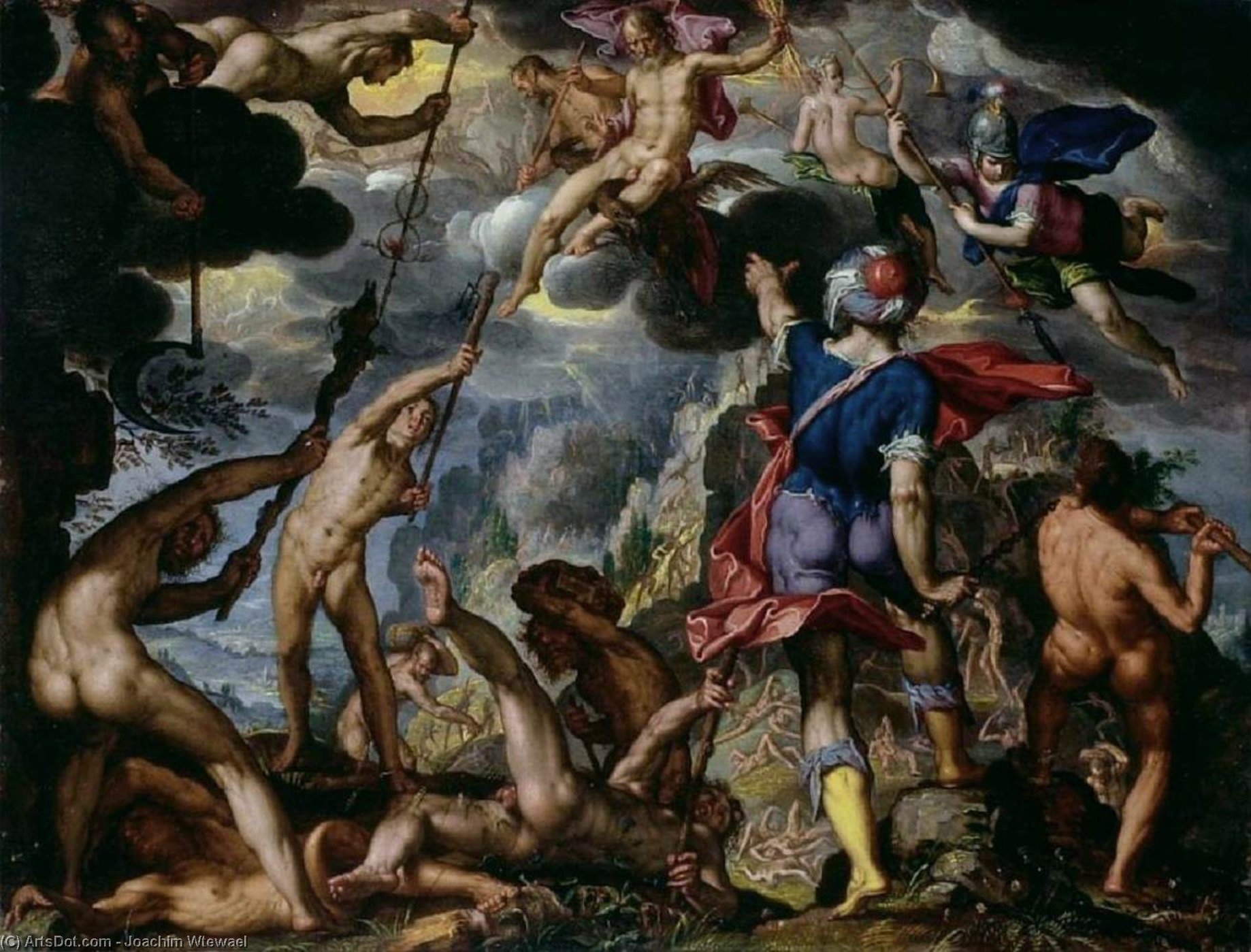
The Battle Between the Gods and the Titans
 Oil On Canvas
- WallArt
- Mannerism
 1600
1600 16.0 x 20.0 cm
 Instituto de Arte de Chicago
 Leer más
Reproducción al óleo hecha a mano
Óleo sobre lienzo pintado a mano en el tamaño y marco de su elección, realizado por encargo por nuestros artistas. ( Pedir impresión Comprar descarga)




P118B $10

P118H $10

P118W $10

P438Z $10

P508JH $12

P508YH $12

P805H $10

P805Z $10

P919BZ $10

P919G $10

P919XJ $10

P959ZH $10

P968JZ $12

W106C $8

W218G $10

W218JH $8

W218Y $10

W307PJ $10

W316G $10

W316PJ $8

W316Y $10

W398PJ $8

W4111J $10

W500HY $15

W500JH $15

W692G $12

W849H $8

W940BG $15

W953PJ $8




Elija entre nuestros tamaños predefinidos que respetan las proporciones originales de la obra.

Puede ingresar sus propias dimensiones para adaptarse a un marco o espacio específico. Si el tamaño seleccionado no coincide con las proporciones de la imagen original, recortaremos la obra o extenderemos la pintura con elementos adicionales pintados a mano. Se le enviará una maqueta digital para su aprobación antes de comenzar la producción.
Tenga en cuenta que la vista previa en pantalla no refleja el recorte o la extensión reales. Solo la maqueta mostrará con precisión la composición final.
Si bien existen tamaños personalizados, recomendamos seleccionar una dimensión de la lista predefinida para preservar las proporciones originales.
Tras realizar el pedido, el equipo de ArtsDot.com enviará un correo electrónico al cliente para solicitar instrucciones y proporcionarle una vista previa del boceto.
Envío a todo el mundo () en 3-4 semanas en lugar de las 5 semanas estándar. (21 agosto). Sin comprometer la calidad.

Envío exprés gratuito a todo el mundo

Lienzo de lino de alta calidad

Seguro de envío completo

Garantía de reembolso de aranceles aduaneros

Garantía de fidelidad cromática exacta

Política de devolución de 60 días (solo por defectos)

Garantía de devolución del 100% del dinero

Oferta por volumen
 La opción de vidrio solo está disponible en tamaños inferiores a 110 cm.

The Battle Between the Gods and the Titans
Técnica de reproducción
Tamaño de la reproducción
-


Precio total
$ 263
Descripción de la obra
The Battle Between the Gods and the Titans: A Vision of Cosmic Conflict
Joachim Anthonisz Wtewael’s “The Battle Between the Gods and the Titans” is not merely a depiction of mythological combat; it's an immersive experience, a carefully constructed tableau of power, chaos, and divine drama. Painted around 1608, this remarkable work transcends its subject matter to become a profound meditation on order emerging from turmoil, a testament to Wtewael’s mastery of light, form, and the evocative potential of classical iconography. Measuring a modest 16 x 20 cm, the painting's intimate scale belies the epic scope of the scene it portrays – a miniature world brimming with colossal figures locked in an eternal struggle. The copper support, a favored medium for Wtewael, lends the image a remarkable luminosity and depth, capturing the subtle nuances of light and shadow with astonishing precision. It’s a testament to his skill that such monumental action feels contained within this relatively small frame.A Symphony of Form and Light: Wtewael's Mannerist Style
Wtewael was a staunch defender of the Mannerist style, a movement characterized by its deliberate artificiality, elongated figures, and complex compositions. Unlike the burgeoning naturalism of the early 17th century, Wtewael deliberately resisted imitation, prioritizing elegance, refinement, and an almost jewel-like quality to his work. This is vividly apparent in “The Battle.” The figures are not rendered with photographic realism; instead, they possess a sculpted grace, their bodies elongated and posed in dramatic, often exaggerated positions. Notice the heroic musculature of Zeus hurling his thunderbolts, the determined stance of Neptune wielding his trident, or the regal bearing of Minerva, her helmet gleaming as she directs her spear. Wtewael’s use of light is equally masterful – a carefully orchestrated interplay of highlights and shadows that draws the eye to key elements within the composition while simultaneously creating an atmosphere of intense drama. The background clouds swirl with ethereal luminescence, suggesting both the fury of the battle and the vastness of the cosmos.Mythological Narrative: Titans Versus Olympians
The painting vividly recounts a pivotal moment in Greek mythology – the Titanomachy, the ten-year war between the older generation of gods (the Titans) and the younger Olympian deities led by Zeus. The scene captures the apex of this conflict, showcasing the clash of titans on a grand scale. The Titans, represented as formidable, armored figures, are depicted in a state of desperate resistance, while the Olympians – Zeus, Hera, Poseidon, Demeter, Hades, and Hestia – emerge victorious, wielding their divine attributes with devastating force. The inclusion of angels adds a layer of celestial intervention, suggesting a broader cosmic struggle between good and evil, order and chaos. The composition itself is carefully balanced, reflecting the underlying themes of conflict and resolution. The Titans are largely relegated to the background, while the Olympians dominate the foreground, symbolizing their triumph over the old guard.Symbolism and Emotional Resonance: A Vision of Order
Beyond its narrative content, “The Battle Between the Gods and the Titans” is rich in symbolic meaning. The titans represent the forces of chaos, tradition, and the past, while the Olympians embody order, progress, and the future. The painting’s overall mood is one of intense drama and emotional turmoil, yet it also conveys a sense of hope – the promise of a new era under Zeus's rule. The use of polished surfaces and vibrant colors creates an almost hypnotic effect, drawing the viewer into the heart of the conflict. It’s not simply a battle scene; it’s a visual representation of the struggle between opposing forces, a reminder that even in the midst of chaos, order can ultimately prevail. The painting's small size invites intimate contemplation, encouraging viewers to consider the timeless themes of power, destiny, and the cyclical nature of history.A Timeless Masterpiece: Reproduction Possibilities
Reproductions of “The Battle Between the Gods and the Titans” offer a remarkable opportunity to bring this extraordinary artwork into any setting. Whether displayed in a grand hall or a cozy study, its dramatic composition and exquisite detail will undoubtedly captivate viewers. The painting’s rich color palette and dynamic energy translate beautifully to high-quality prints on canvas or paper, allowing you to experience the full impact of Wtewael's vision. Consider pairing this artwork with complementary interior design elements – perhaps incorporating shades of gold, blue, and crimson to evoke the painting’s vibrant hues.Obras relacionadas


Biografía del artista
El pulido perdurable de un maestro manierista
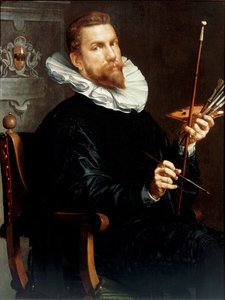
Joachim Anthonisz Wtewael, un nombre pronunciado con reverencia entre los conocedores de la Edad de Oro holandesa, sigue siendo una figura cautivadora cuya obra desafía cualquier categorización sencilla. Nacido en 1566 y fallecido en 1638, su vida fue tan polifacética como sus lienzos. Si bien su genio artístico brilló con intensidad, es igualmente notable que también fue un exitoso comerciante de lino y un activo concejal de Utrecht. Esta existencia dual —el artesano meticuloso junto al pilar de la sociedad civil— sugiere a un hombre cuya vida exigía tanto perspicacia mundana como un profundo enfoque creativo. El estilo distintivo de Wtewacio, sin embargo, poseía una consistencia notable; permaneció en gran medida inalterado por las sweeping corrientes naturalistas que estaban remodelando el arte en toda Europa durante su vida.
Un viaje a través del estilo y la influencia
La formación temprana de Wtewael lo arraigó profundamente en el sofisticado vocabulario del manierismo de Haarlem de finales del siglo XVI. Su vida profesional inicial lo vio trabajando como vidriero y grabador en el taller de su padre, un aprendizaje que sin duda perfeccionó su mano para el detalle intrincado. Un período crucial llegó cuando emprendió viajes por Italia y Francia a partir de 1586. Estas estancias fueron fundamentales, exponiéndolo a las ricas corrientes artísticas de la Segunda Escuela de Fontainebleau. Sin embargo, a pesar de estas influencias, Wtewael poseía una brújula interna única. Su obra se caracteriza por figuras magistralmente dibujadas, que poseen un pulido casi de porcelana, a menudo dispuestas en poses que se sienten maravillosamente caprichosas y dramáticamente cargadas.
Profundidad temática: el mito se encuentra con la devoción
El conjunto de su obra superviviente —que comprende alrededor de cien pinturas, junto con numerosos dibujos y diseños de vitrales— revela una fascinante dualidad temática. Se sentía igualmente cómodo representando profundas narrativas religiosas que celebrando el exuberante drama de la mitología clásica. Consideremos obras como la Adoración de los Pastores yuxtapuesta con Venus y Marte sorprendidos por Vulcano. Estas piezas muestran su notable capacidad para entrelazar temas sagrados convencionales con el saber pagano, impregnando a menudo ambos reinos con un palpable, y a veces fuerte, trasfondo erótico que atrae al espectador hacia su abrazo narrativo. Su atención al detalle es asombrosa; en obras como Perseo y Andrómeda, albergada notablemente en el museo Mauritshuis en Utrecht, se puede rastrear su habilidad inigualable.
Significado histórico y legado
Lo que hace que la contribución de Wtewael sea tan significativa es precisamente esa resistencia al cambio. Mientras el naturalismo atraía a los artistas hacia un mayor realismo, Wtewael se mantuvo firme en una estética pulida e idealizada, creando un cuerpo de trabajo que se siente tanto históricamente situado como eternamente vibrante. Sus pinturas de gabinete, ejecutadas sobre planchas de cobre, son particularmente distintivas y numerosas, ofreciendo vislumbres íntimos de su proceso artístico. Aunque la última década de su vida lo vio retirarse de la pintura —un período posiblemente marcado por el dolor personal tras el fallecimiento de su esposa—, el impacto de su visión perdura. Le regaló a la historia del arte un estilo que permanece siendo, a la vez, altamente refinado y maravillosamente impredecible.
Joachim Anthonisz Wtewael
1566 - 1638 , Países Bajos
Datos clave
- Artistic Movement Or Style: Manierismo
- Artists Who Influenced This Artist: ['Segunda escuela de Fontainebleau']
- Date Of Birth: 1566
- Date Of Death: 1638
- Full Name: Joachim Anthonisz Wtewael
- Nationality: Neerlandés
- Notable Artworks:
- Adoración de los pastores
- Venus y Marte sorprendidos por Vulcano
Artículos relacionados
Echoes of Olympus: Mythological Narratives in Western Art Through the Ages
Explore the captivating history of mythological narratives in Western art! From ancient Greece to modern masterpieces, discover iconic artworks & symbolism. Expert analysis and high-quality reproductions at ArtsDot.
Los 10 Cuadros Más Famosos en Tonos 'Titan Buff': Arte y Decoración Exquisita
Descubre los 10 cuadros más emblemáticos en tonos 'Titan Buff'. Explora la historia de Rembrandt, Caravaggio y otros maestros del arte clásico. Encuentra reproducciones de museos y decoración inspiradora en .
El Crepúsculo del Clasicismo Renacentista: Un Estudio del Estilo y la Afectación en el Manierismo
Descubre el Manierismo: un análisis profundo de este fascinante estilo artístico del Renacimiento tardío. Explora sus características, artistas clave y legado con ArtsDot.
Hans von Aachen: Mannerism's Courtly Visionary & Imperial Portraiture
Explore the captivating world of Hans von Aachen, a leading Mannerist painter renowned for his exquisite imperial portraits & mythological scenes. Discover his legacy and influence on 16th-century European art.
Mannerismo: 10 Obras Maestras que Definieron un Estilo Revolucionario | ArtsDot.com
Descubre las 10 obras maestras del Mannerismo: Pontormo, El Greco y más. Explora la elegancia renacentista, figuras alargadas y paletas vibrantes de este movimiento artístico único. Reproducciones de arte exclusivas en ArtsDot.com.

