 Ver en contexto
 Enviar
 Compartir
 Detalles

 Descargar
 Similares
 Radiografía
 Presentación de diapositivas
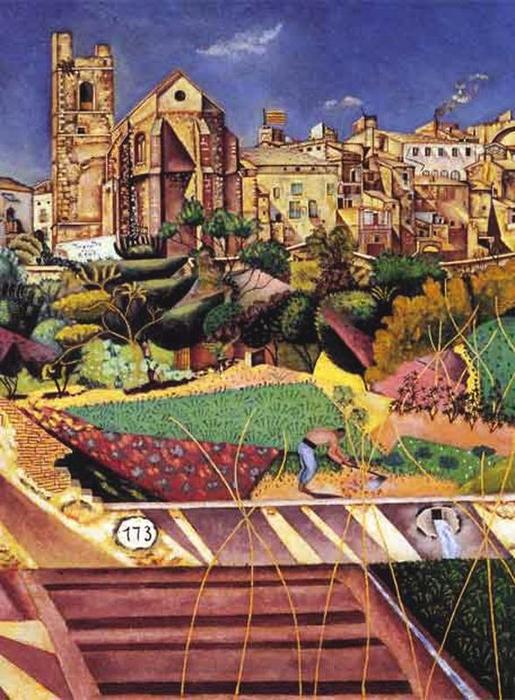
La aldea y la iglesia de Mont-roig


 Ver más
Reproducción al óleo hecha a mano
Óleo sobre lienzo pintado a mano en el tamaño y marco de su elección, realizado por encargo por nuestros artistas. ( Comprar impresión Comprar imagen)




P118B $10

P118H $10

P118W $10

P438Z $10

P508JH $12

P508YH $12

P805H $10

P805Z $10

P919BZ $10

P919G $10

P919XJ $10

P959ZH $10

P968JZ $12

W106C $8

W218G $10

W218JH $8

W218Y $10

W307PJ $10

W316G $10

W316PJ $8

W316Y $10

W398PJ $8

W4111J $10

W500HY $15

W500JH $15

W692G $12

W849H $8

W940BG $15

W953PJ $8




Elija entre nuestros tamaños predefinidos que respetan las proporciones originales de la obra.

Puede ingresar sus propias dimensiones para adaptarse a un marco o espacio específico. Si el tamaño seleccionado no coincide con las proporciones de la imagen original, recortaremos la obra o extenderemos la pintura con elementos adicionales pintados a mano. Se le enviará una maqueta digital para su aprobación antes de comenzar la producción.
Tenga en cuenta que la vista previa en pantalla no refleja el recorte o la extensión reales. Solo la maqueta mostrará con precisión la composición final.
Si bien existen tamaños personalizados, recomendamos seleccionar una dimensión de la lista predefinida para preservar las proporciones originales.
Tras realizar el pedido, el equipo de ArtsDot.com enviará un correo electrónico al cliente para solicitar instrucciones y proporcionarle una vista previa del boceto.
Envío a todo el mundo () en 3-4 semanas en lugar de las 5 semanas estándar. (22 agosto). Sin comprometer la calidad.

Envío exprés gratuito a todo el mundo

Lienzo de lino de alta calidad

Seguro de envío total

Garantía de reembolso de impuestos aduaneros

Garantía de fidelidad cromática exacta

Política de devolución de 60 días (solo por defectos)

Garantía de devolución del 100% del dinero

Descuento por cantidad
 La opción de vidrio solo está disponible en tamaños inferiores a 110 cm.

La aldea y la iglesia de Mont-roig
Técnica de reproducción
Dimensiones de la reproducción
-


Precio total final
$ 263
Descripción de la obra
A Dreamscape of Catalan Heritage
In the evocative masterpiece “La aldea y la iglesia de Mont-roig,” Joan Miró invites us into a world where the boundaries between reality and the subconscious begin to dissolve. Created in 1948, this work serves as a vibrant tapestry of Catalan identity, capturing the soul of a rural village nestled beneath the watchful, spiritual gaze of a church spire. Rather than offering a mere photographic record of life in Catalonia, Miró presents a scene brimming with warmth and community spirit. As we gaze upon the cobblestone streets, we see figures strolling through the landscape, some clutching umbrellas against an overcast sky, creating a sense of movement and everyday rhythm that feels both intimate and universal. The presence of two dogs wandering through the lush greenery adds a touch of pastoral charm, grounding the surreal elements in the familiar pulse of village life.
The emotional resonance of the piece lies in its ability to transform a specific geographic location into a dreamlike realm. For the collector or interior designer, this artwork offers more than just visual beauty; it provides an atmospheric window into a period of profound artistic transition. Miró’s signature Surrealist style is present here, yet it remains deeply rooted in the folklore and traditions of his homeland. He moves away from rigid representational accuracy, opting instead for an expressive abstraction that prioritizes intuition and emotion. The result is a composition where recognizable forms—trees, people, architecture—soften into fantastical shapes and colors, inviting the viewer to step into a landscape shaped by memory and myth.
Mastery of Color and Texture
Technically, “La aldea y la iglesia de Mont-roig” is a triumph of medium and method. Executed in the delicate combination of watercolor and gouache on paper, the artwork showcases Miró’s unparalleled ability to manipulate light and depth. The watercolor elements lend a fluid, ethereal quality to the landscape, perfectly capturing the misty, atmospheric essence of the Catalan countryside. This fluidity allows the colors to bleed and merge, suggesting the soft light of a shifting sky. In contrast, the application of gouache provides much-needed structural weight and vibrancy. By employing a sophisticated layering technique—applying translucent washes followed by opaque pigments—Miró builds intricate patterns and textures that give the figures and architectural elements a tactile, sculptural presence.
This interplay between the transparent and the opaque creates a visual richness that is particularly striking in high-quality reproductions. The lush greens of the scattered trees and the rhythmic placement of the village structures create a balanced yet dynamic composition. For those looking to adorn a space with art, this piece offers a sophisticated palette that can serve as a focal point in both contemporary and classic interiors, bringing a sense of organic energy and historical depth to any room.
Symbolism and the Spirit of the Avant-Garde
Beyond its surface beauty, the painting is laden with profound symbolic references that speak to the heart of the Catalan avant-garde. The church spire, rising prominently above the village, acts as a symbol of faith and enduring tradition, anchoring the whimsical elements of the piece in a sense of historical continuity. Miró utilizes recurring motifs—stylized animals and geometric shapes—to weave a narrative that transcends the physical landscape. This period of his work reflects the broader fascination with subconscious imagery and symbolism that defined the mid-20th century, as artists sought to express national identity through an unconventional, often fragmented, visual language.
To possess or display a reproduction of this work is to engage with a piece of history. It is an invitation to rediscover a sense of childlike wonder and to appreciate the poetry found within abstraction. Whether viewed as a tribute to the rugged beauty of Mont-roig or as a complex exploration of the human psyche, “La aldea y la iglesia de Mont-roig” remains a timeless testament to Joan Miró’s visionary spirit, making it an incomparable treasure for any discerning art lover.
Obras relacionadas

Biografía del artista
**vida temprana y carrera**
joan miró, un renombrado pintor, escultor y ceramista español, nació el 20 de abril de 1893 en Barcelona, España. Su familia, de raíces judías (marrano o converso), tuvo una influencia significativa en su vida temprana. El padre de Miró, Miquel Miró Adzerias, era orfebre y relojero, lo que pudo haber inspirado el interés del artista por los detalles intrincados.**desarrollo artístico**
Miró comenzó clases de dibujo a los siete años en una escuela privada en Barcelona. Posteriormente, se matriculó en la Academia de Bellas Artes La Llotja, a pesar de la desaprobación de su padre. Esto marcó el comienzo del viaje artístico de Miró, que eventualmente lo llevaría a convertirse en pionero del surrealismo y el arte abstracto.**obras notables y colaboraciones**
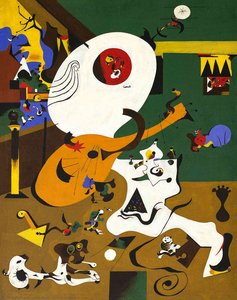
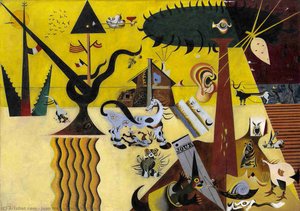
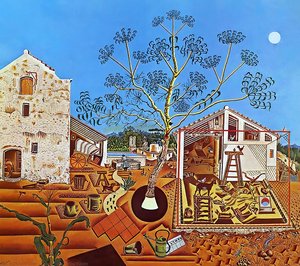
* la granja (1922), una pintura que muestra la transición de Miró a un estilo más individual, con cualidades nacionalistas. * Colaboración con Max Ernst en diseños para el ballet de Sergei Diaghilev en 1926, pionero en la técnica del grattage. * los interiores holandeses (1928), una serie de pinturas inspiradas en Hendrik Martenszoon Sorsh y Jan Steen, que muestra el estilo único de Miró.**museos y legado**
* La Fundación Joan Miró en Barcelona, establecida en 1975, dedicada a mostrar las obras de Miró. * La Fundación Pilar i Joan Miró en Palma de Mallorca, establecida en 1981, que consolida aún más el legado de Miró.**obras clave y su significado**
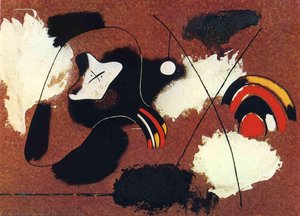
- pintura (1933), una pintura al óleo abstracta, ejemplificando la visión surrealista de Miró.
- pintura 11, otra obra notable y abstracta, que muestra el estilo único de Miró.
- la mazorca (37 x 46 cm), una obra surrealista, que presenta detalles intrincados.
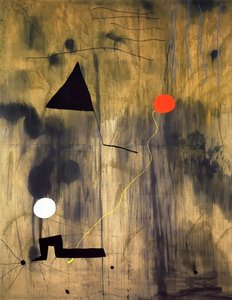
- el nacimiento del día, una obra de arte abstracta, que consolida aún más las contribuciones de Miró al arte abstracto.
**conclusión**
El legado de Joan Miró como pionero del surrealismo y el arte abstracto es innegable. Sus obras, exhibidas en varios museos, incluida la Fundación Joan Miró, continúan inspirando a artistas y entusiastas del arte por igual. Para obtener más información sobre las obras de Miró, visite [https://ArtsDot.com/@/joan-miro](https://ArtsDot.com/@/joan-miro) o explore sus notables obras en [https://ArtsDot.com/@@/8ewky5-joan-miro-painting](https://ArtsDot.com/@@/8ewky5-joan-miro-painting).- ver más obras de Joan Miró en ArtsDot.com
- descubra el museo Fundación Joan Miró en Barcelona, España
- explore la biografía del artista y sus obras notables en [https://en.wikipedia.org/wiki/joan_mir%c3%b3](https://en.wikipedia.org/wiki/joan_mir%c3%b3)
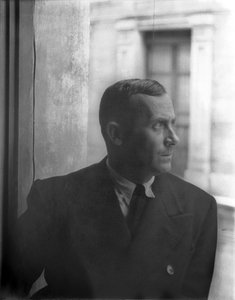
Joan Miró
1893 - 1983 , España
Datos clave
- Artistas Que Influyeron:
- Vincent van Gogh
- Paul Cézanne
- Estilo Artístico: Surrealismo, Arte Abstracto
- Fecha De Muerte: 1983
- Fecha De Nacimiento: 20 de abril de 1893
- Lugar De Nacimiento: Barcelona, España
- Nacionalidad: Española
- Nombre Completo: Joan Miró i Ferrà
- Obras Notables:
- La Granja
- Interiores Holandeses
- Pintura (1933)
- El Nacimiento del Mundo
Artículos relacionados
Joan Miró: Las 25 Obras Maestras del Genio Catalán | Arte y Decoración
Descubre las 25 obras maestras de Joan Miró, el genio del surrealismo catalán. Explora su arte abstracto, colores vibrantes y la historia detrás de cada cuadro. Reproducciones de alta calidad en ArtsDot.com para transformar tu hogar con arte original.
Los 10 Maestros del Surrealismo: Obras que Revolucionaron el Arte y la Decoración
Descubre los 10 lienzos surrealistas más influyentes de artistas como Dalí y Magritte. Explora la historia, el simbolismo y las técnicas del movimiento surrealista. Encuentra reproducciones de arte de museo en ArtsDot.com.
Los 10 Maestros del Surrealismo: Obras que Desafían la Realidad | ArtsDot
Descubre los 10 cuadros surrealistas más influyentes de artistas como Dalí y Magritte. Explora la historia, el simbolismo y las técnicas del movimiento surrealista. Encuentra reproducciones de arte de museo en ArtsDot.com.
Expresionismo Abstracto: 10 Obras Maestras que Transformaron el Arte |
Descubre las 10 obras maestras del Expresionismo Abstracto: Pollock, Rothko y más. Explora la historia, técnica y significado de estos lienzos icónicos. Reproducciones de arte exclusivas en .
Kandinsky: Las 25 Obras Maestras del Pionero de la Abstracción | ArtsDot
Descubre las 25 obras maestras de Wassily Kandinsky, pionero del arte abstracto. Explora su expresionismo, composiciones únicas y la historia detrás de cada cuadro. Reproducciones de alta calidad para decorar tu hogar con arte moderno en ArtsDot.com.