

 Ver en contexto
 Enviar
 Compartir
 Detalles

 Descargar
 Similares
 Radiografía
 Presentación de diapositivas
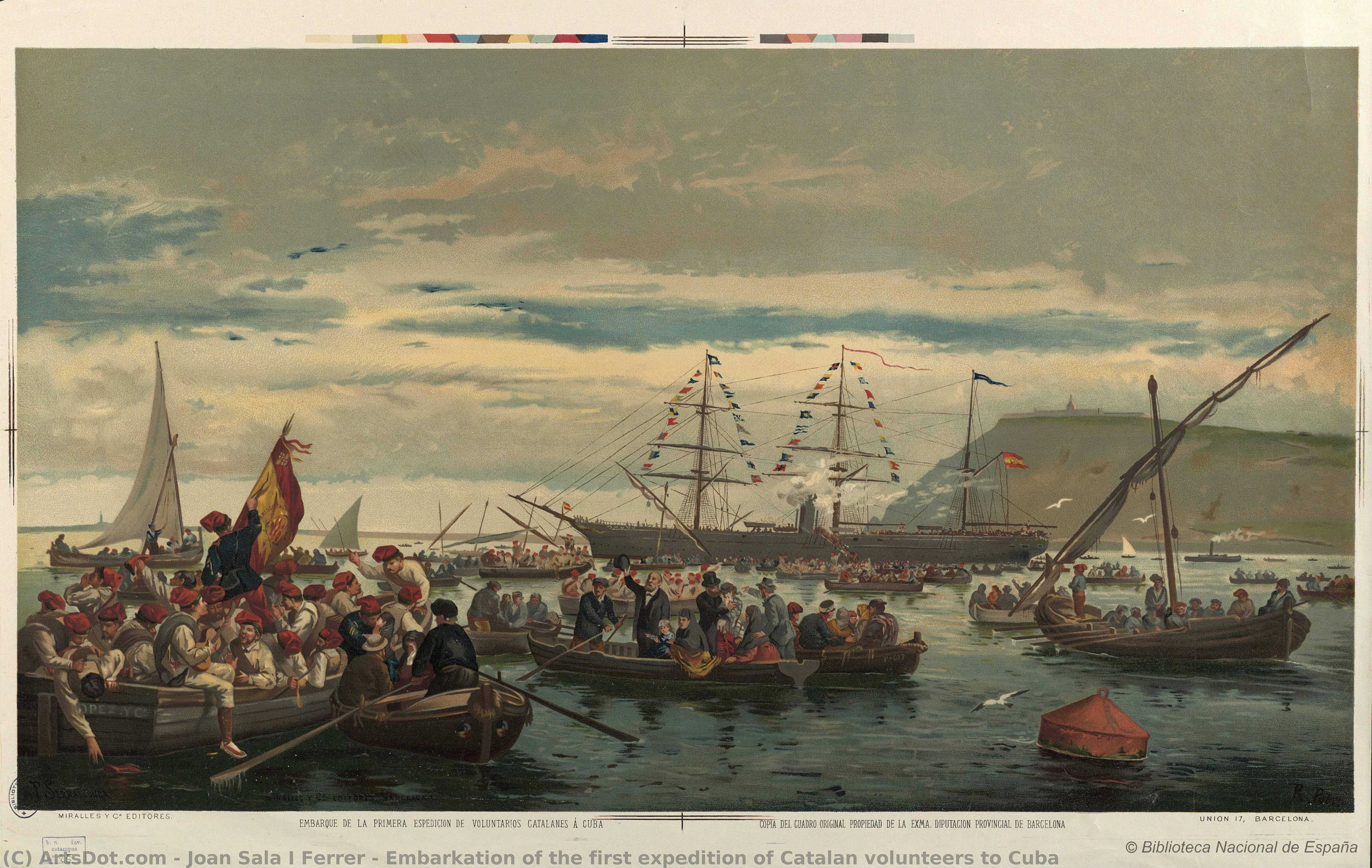
Embarkation of the first expedition of Catalan volunteers to Cuba

 Ver más
Giclée / Impresión de arte
Impresiones giclée o en lienzo de calidad de museo con producción rápida y opciones de acabado flexibles. ( Comprar pintura hecha a mano Comprar imagen)




































Elija entre nuestros tamaños predefinidos que respetan las proporciones originales de la obra.

Puede introducir sus propias dimensiones para adaptarse a un marco o espacio específico. Si el tamaño seleccionado no coincide con las proporciones de la imagen original, recortaremos la obra de arte o extenderemos la imagen con un borde con efecto espejo o de color sólido. Se enviará una maqueta digital para su aprobación antes de que comience la producción.
Tenga en cuenta que la vista previa en pantalla no refleja el recorte o la extensión real. Solo la maqueta mostrará con precisión la composición final.
Aunque existen tamaños personalizados, recomendamos seleccionar una dimensión de la lista predefinida para preservar las proporciones originales.
Envío a todo el mundo () en 2 semanas en lugar de las 4/5 semanas estándar. (3 septiembre)

Envío exprés gratuito a todo el mundo

Lienzo de lino de alta calidad

Seguro de envío total

Garantía de reembolso de impuestos aduaneros

Garantía de fidelidad cromática exacta

Política de devolución de 60 días (solo por defectos)

Garantía de devolución del 100% del dinero

Descuento por cantidad
 La opción de vidrio solo está disponible en tamaños inferiores a 110 cm.

Embarkation of the first expedition of Catalan volunteers to Cuba
Giclée / Impresión de arte
Dimensiones de la reproducción
-


Precio total final
$ 62
Obras relacionadas










Biografía del artista
Joan Sala i Ferrer: The Shadow of the Sierra Guillerías
Joan Sala i Ferrer, known as Serrallonga, was more than just a bandit; he embodied Catalan folklore and became an enduring symbol of defiance against oppression during the turbulent 17th century. Born in Vila-rodona, Spain, around 1594, his life unfolded amidst the rugged landscapes of Les Guillerías mountains, shaping him into a legend whispered through generations. Little is known about his early years beyond familial connections and humble beginnings—a stark contrast to the notoriety that would soon define his existence.A Bandit's Rise Amidst Socioeconomic Turmoil
The context of Serrallonga’s life was inextricably linked to the socio-economic hardships plaguing Catalonia at the time. The Habsburg monarchy imposed heavy taxes, exacerbating poverty and fueling discontent amongst rural communities. This environment fostered an atmosphere ripe for rebellion, providing fertile ground for individuals like Sala to exploit vulnerabilities and amass considerable wealth through daring raids—primarily targeting estates and monasteries. His exploits captivated the imagination of locals who saw him as a champion against injustice. Accounts describe him as possessing exceptional agility and cunning—traits that allowed him to navigate treacherous terrain and outsmart pursuers with ease.The Legend Takes Shape: Skillful Robbery and Mythical Tales
Serrallonga’s reputation grew exponentially thanks to his remarkable ability to evade capture by authorities, cementing his status as “the last bandit” in Catalonia. Beyond mere criminality, Serrallonga's actions fueled the creation of elaborate myths and tales passed down orally, portraying him as a charismatic leader who rallied followers and instilled a spirit of resistance. These narratives embellished his exploits, transforming him into a figure akin to Robin Hood—a rebellious hero admired for his defiance of authority and generosity towards the oppressed. He became a celebrated subject in Catalan literature and art—particularly during the Romantic era—where he served as inspiration for poets and painters alike. Artists sought to capture the essence of Serrallonga’s rebellious spirit and portray him as a symbol of Catalan identity. His image appeared prominently on canvases depicting dramatic landscapes and heroic figures, reflecting the artistic sensibilities of the time.Notable Achievements & Artistic Legacy
Joan Sala i Ferrer's story transcends mere biographical details; it encapsulates the anxieties and aspirations of Catalonia during its formative years. He represents a potent emblem of rural defiance against centralized power—a narrative that resonated deeply with Catalan nationalism in subsequent centuries. Serrallonga’s legend continues to inspire artistic interpretations today, demonstrating the enduring fascination with figures who embody courage, autonomy, and resistance—elements that remain central to Catalan cultural heritage. His tale serves as a reminder of Catalonia's turbulent past and its unwavering commitment to preserving its traditions and folklore.
Joan Sala Ferrer
1594 - 1634 , España
Datos clave
- Artistic Movement Or Style: Romanticismo
- Artists Or Movements Influenced By This Artist: ['Romanticismo']
- Artists Who Influenced This Artist: ['Francisco Ribalta']
- Date Of Birth: 1594
- Date Of Death: 1634
- Full Name: Joan Sala i Ferrer
- Nationality: Catalán
- Notable Artworks: ['Sierra Guillerías']
- Place Of Birth: Vila-rodona, España

