 Ver en contexto
 Enviar
 Compartir
 Detalles

 Descargar
 Similares
 Radiografía
 Presentación de diapositivas
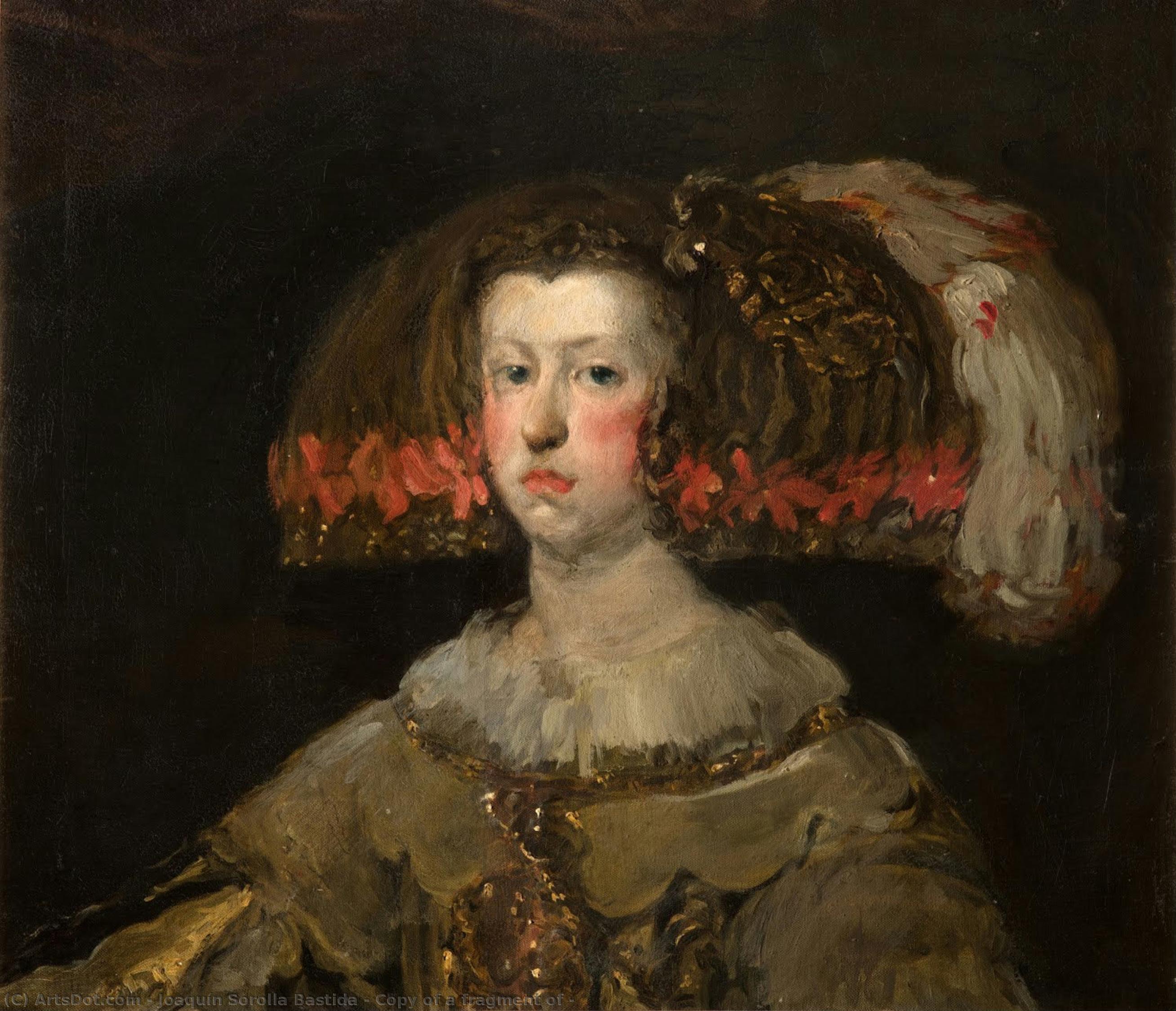
Copy of a fragment of
 Oil On Canvas
- WallArt
- Sorolla School
 1882
1882 55.0 x 64.0 cm
 Museo Sorolla
 Ver más
Reproducción al óleo hecha a mano
Óleo sobre lienzo pintado a mano en el tamaño y marco de su elección, realizado por encargo por nuestros artistas. ( Comprar impresión Comprar imagen)




P118B $10

P118H $10

P118W $10

P438Z $10

P508JH $12

P508YH $12

P805H $10

P805Z $10

P919BZ $10

P919G $10

P919XJ $10

P959ZH $10

P968JZ $12

W106C $8

W218G $10

W218JH $8

W218Y $10

W307PJ $10

W316G $10

W316PJ $8

W316Y $10

W398PJ $8

W4111J $10

W500HY $15

W500JH $15

W692G $12

W849H $8

W940BG $15

W953PJ $8




Elija entre nuestros tamaños predefinidos que respetan las proporciones originales de la obra.

Puede ingresar sus propias dimensiones para adaptarse a un marco o espacio específico. Si el tamaño seleccionado no coincide con las proporciones de la imagen original, recortaremos la obra o extenderemos la pintura con elementos adicionales pintados a mano. Se le enviará una maqueta digital para su aprobación antes de comenzar la producción.
Tenga en cuenta que la vista previa en pantalla no refleja el recorte o la extensión reales. Solo la maqueta mostrará con precisión la composición final.
Si bien existen tamaños personalizados, recomendamos seleccionar una dimensión de la lista predefinida para preservar las proporciones originales.
Tras realizar el pedido, el equipo de ArtsDot.com enviará un correo electrónico al cliente para solicitar instrucciones y proporcionarle una vista previa del boceto.
Envío a todo el mundo () en 3-4 semanas en lugar de las 5 semanas estándar. (25 agosto). Sin comprometer la calidad.

Envío exprés gratuito a todo el mundo

Lienzo de lino de alta calidad

Seguro de envío total

Garantía de reembolso de impuestos aduaneros

Garantía de fidelidad cromática exacta

Política de devolución de 60 días (solo por defectos)

Garantía de devolución del 100% del dinero

Descuento por cantidad
 La opción de vidrio solo está disponible en tamaños inferiores a 110 cm.

Copy of a fragment of
Técnica de reproducción
Dimensiones de la reproducción
-


Precio total final
$ 263
Descripción de la obra
The Glimmering Memory: A Study in Light and Loss
Joaquín Sorolla's “Copy of a Fragment of ‘The Spinners’ by Velázquez,” painted in 1882, isn’t merely a reproduction; it’s an intimate conversation across time. Sorolla, a master of capturing the vibrant essence of Spanish light and life, doesn’t simply replicate Velázquez's iconic scene – he imbues it with his own distinct sensibility, creating a piece that feels both familiar and utterly fresh. The work exists as a poignant meditation on memory, loss, and the enduring power of artistic influence, a delicate dance between homage and innovation.
The original Velázquez painting, completed around 1656, depicts a group of women spinning flax in a dimly lit room, their faces partially obscured by shadow. Sorolla’s version, significantly smaller at 61 x 88 cm, focuses on a fragment of this composition – the hands and arms of one of the spinners, rendered with an almost obsessive attention to detail. This deliberate cropping immediately draws the viewer in, forcing us to contemplate not just the physical act of spinning, but also the stories held within those weathered hands, the lives lived behind the veil of shadow.
The Sorollan Light: Technique and Atmosphere
Sorolla’s genius lies in his masterful manipulation of light. He employs a technique remarkably similar to Velázquez – layering thin glazes of oil paint to build up luminous surfaces, capturing the play of light on fabric and skin with breathtaking realism. However, Sorolla's palette is brighter, more optimistic than Velázquez’s somber tones. The colors in “Copy of a Fragment” are vibrant yet muted, creating an atmosphere of hazy warmth—a characteristic hallmark of his style. Notice how he uses broken brushstrokes to suggest the texture of the linen and the subtle shifts in light reflecting off its surface. The background is deliberately indistinct, allowing the focus to remain firmly on the hands, which seem to radiate a soft, internal glow.
The painting’s composition is deceptively simple. Sorolla doesn't attempt to recreate the entire scene; instead, he isolates a key element—the hands—and elevates it to an almost sculptural form. The careful attention to detail – the wrinkles in the skin, the slight curve of the fingers, the way the light catches on the knuckles – speaks volumes about Sorolla’s dedication to his craft and his profound understanding of human anatomy.
Echoes of History and Emotion
The choice of Velázquez as a subject is significant. Velázquez was a royal painter, deeply embedded in the Spanish court, and his work often explored themes of power, status, and the complexities of human relationships. Sorolla’s appropriation of this iconic image suggests a desire to engage with these same themes, albeit through a distinctly modern lens. The painting subtly evokes a sense of melancholy—a quiet acknowledgement of time's passage and the fragility of life. The hands, worn by labor, hint at untold stories of hardship and resilience.
Further research reveals that this particular fragment was part of a larger composition, “The Spinners,” which Sorolla painted in 1892. The painting’s subject matter—women engaged in domestic work—was not uncommon in Spanish art of the period, but Sorolla's treatment of the scene is remarkably sensitive and evocative. It’s a testament to his ability to find beauty and dignity in the everyday lives of ordinary people.
A Legacy Illuminated
Sorolla’s “Copy of a Fragment of ‘The Spinners’ by Velázquez” stands as a powerful example of artistic dialogue and personal expression. It's a painting that rewards careful observation, inviting viewers to contemplate the interplay of light, shadow, and human experience. Reproductions capture much of this beauty, offering an accessible way to bring this evocative work into your home or office – a shimmering reminder of the enduring legacy of Spanish art.
Obras relacionadas
Biografía del artista
Primeros años y formación
Joaquín Sorolla y Bastida, un renombrado pintor español, nació el 27 de febrero de 1863 en Valencia, España. Era hijo mayor de Joaquín Sorolla, comerciante, y Concepción Bastida. Tras quedar huérfano a los dos años, fue criado por su tía materna y su tío. Su vocación artística se manifestó temprano, recibiendo sus primeras lecciones de arte a la edad de nueve años en su ciudad natal. Posteriormente estudió bajo la tutela de Cayetano Capuz, Salustiano Asenjo y José Benlliure en Roma. Una beca de cuatro años le permitió estudiar pintura en Roma, Italia, donde se vio influenciado por Francisco Pradilla.Desarrollo Artístico y Estilo
El estilo artístico de Sorolla evolucionó desde una formación académica hacia un enfoque más luminoso e impresionista. Aunque inicialmente pintó obras con temas históricos y religiosos para complacer a las academias, pronto desarrolló su propio lenguaje visual caracterizado por la captura magistral de la luz mediterránea y el movimiento. Su habilidad para representar escenas cotidianas, especialmente aquellas relacionadas con la playa y los niños jugando, lo convirtió en un artista único. Su técnica se basaba en pinceladas rápidas y vibrantes que transmitían una sensación de espontaneidad y vitalidad.Obras Destacadas y Logros
Sorolla dejó un legado impresionante de obras maestras. Entre ellas destacan:- Italian Girl with Flowers (Niña Italiana con Flores), una obra que ejemplifica su habilidad para capturar la esencia de sus sujetos.
- Bathing Time (Tiempo de Baño), demostrando su dominio del equilibrio entre luz y color, especialmente en escenas marinas.
- White Slave Trade (Trata de Blancas), un ejemplo raro de realismo social en su obra, abordando temas importantes de la época.
- Numerosas pinturas costumbristas que retratan la vida en las playas españolas, con figuras vibrantes y llenas de energía.
Influencia e Importancia Histórica
Joaquín Sorolla es considerado uno de los máximos exponentes del luminismo español y un precursor del impresionismo en España. Su capacidad para capturar la luz y el color con una técnica innovadora lo distingue de otros artistas de su época. Su obra ha influido a generaciones de pintores españoles, y su legado continúa siendo apreciado por su vitalidad, optimismo y representación fiel de la vida cotidiana. El Museo Sorolla en Madrid es un testimonio de su importancia histórica y una fuente invaluable para el estudio de su arte. Su habilidad para plasmar la alegría y la belleza del Mediterráneo lo ha convertido en un icono de la pintura española. Su obra, caracterizada por la luminosidad y la bravura, sigue inspirando a artistas hoy en día.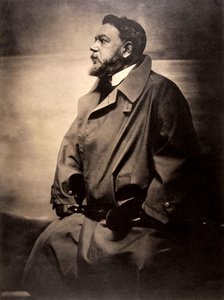
Joaquín Sorolla y Bastida
1863 - 1923 , España
Datos clave
- Artistas Influyentes: ['Francisco Pradilla']
- Estilo Artístico: Realismo, Luminismo
- Fecha De Fallecimiento: 23 de agosto de 1923
- Fecha De Nacimiento: 27 de febrero de 1863
- Lugar De Nacimiento: Valencia, España
- Nacionalidad: Española
- Nombre Completo: Joaquín Sorolla y Bastida
- Obras Notables:
- Italian Girl with Flowers
- Bathing Time
- White Slave Trade
Artículos relacionados
Joaquín Sorolla: Capturing Spanish Light & Life – A Legacy of Impressionism
Explore the luminous world of Joaquín Sorolla, Spanish master of Impressionism. Discover his life, techniques & legacy – a guide for art collectors and enthusiasts. Invest in timeless beauty.
Las 25 Obras Maestras del Prado: Arte Español e Inspiración para tu Hogar
Descubre las 25 obras maestras del Museo del Prado: Velázquez, Goya, El Greco y más. Explora la historia, técnica y belleza de cada cuadro español. Encuentra reproducciones de arte exclusivas e inspira tu hogar con ArtsDot.com.

The Enduring Legacy of Oil on Canvas: Technique, History & Aesthetic Impact
Explore the rich history & techniques of oil painting – from Renaissance masters to Impressionism. Discover pigments, layering methods, and why this timeless medium endures. Expert insights for artists & art enthusiasts.

El Óleo sobre Lienzo: Historia, Técnica y la Persistencia de un Medio Artístico Atemporal
Descubre la historia y técnica del óleo sobre lienzo. Explora reproducciones fieles hechas a mano, personalización artística y consejos de expertos con ArtsDot. ¡Colecciona arte con confianza!
Diego Velázquez: Master of the Spanish Golden Age – Technique, Influence & Courtly Portraiture
Explore the life & work of Diego Velázquez, master of the Spanish Golden Age. Discover his innovative techniques, iconic paintings like Las Meninas, and lasting influence on art history. Expert insights for collectors.