 Ver en contexto
 Enviar
 Compartir
 Detalles

 Descargar
 Similares
 Radiografía
 Presentación de diapositivas
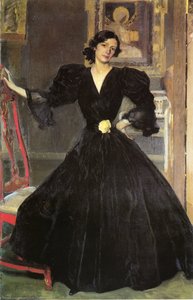
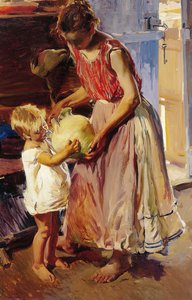
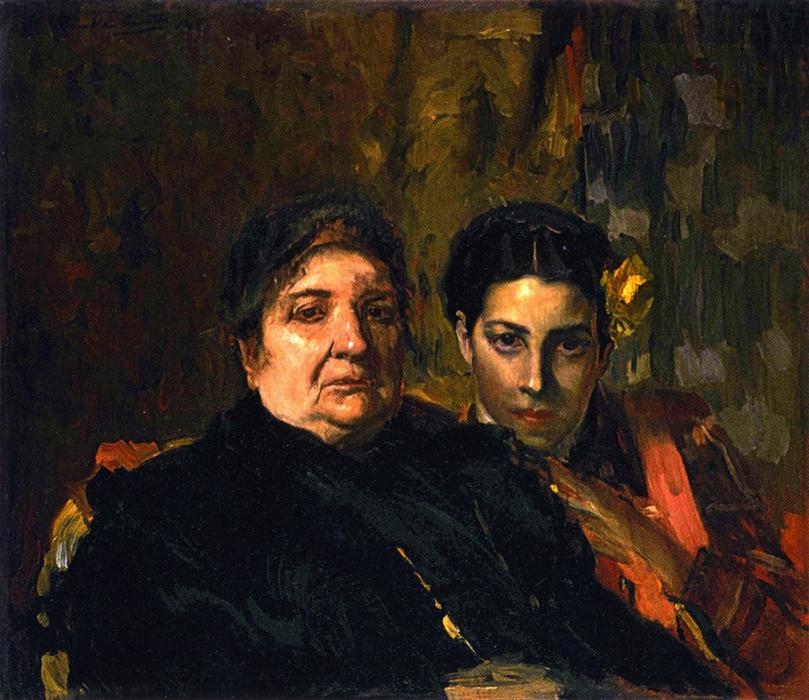
Maria and Her Grandmother Clotilde


 Ver más
Reproducción al óleo hecha a mano
Óleo sobre lienzo pintado a mano en el tamaño y marco de su elección, realizado por encargo por nuestros artistas. ( Comprar impresión Comprar imagen)




P118B $10

P118H $10

P118W $10

P438Z $10

P508JH $12

P508YH $12

P805H $10

P805Z $10

P919BZ $10

P919G $10

P919XJ $10

P959ZH $10

P968JZ $12

W106C $8

W218G $10

W218JH $8

W218Y $10

W307PJ $10

W316G $10

W316PJ $8

W316Y $10

W398PJ $8

W4111J $10

W500HY $15

W500JH $15

W692G $12

W849H $8

W940BG $15

W953PJ $8




Elija entre nuestros tamaños predefinidos que respetan las proporciones originales de la obra.

Puede ingresar sus propias dimensiones para adaptarse a un marco o espacio específico. Si el tamaño seleccionado no coincide con las proporciones de la imagen original, recortaremos la obra o extenderemos la pintura con elementos adicionales pintados a mano. Se le enviará una maqueta digital para su aprobación antes de comenzar la producción.
Tenga en cuenta que la vista previa en pantalla no refleja el recorte o la extensión reales. Solo la maqueta mostrará con precisión la composición final.
Si bien existen tamaños personalizados, recomendamos seleccionar una dimensión de la lista predefinida para preservar las proporciones originales.
Tras realizar el pedido, el equipo de ArtsDot.com enviará un correo electrónico al cliente para solicitar instrucciones y proporcionarle una vista previa del boceto.
Envío a todo el mundo () en 3-4 semanas en lugar de las 5 semanas estándar. (1 septiembre). Sin comprometer la calidad.

Envío exprés gratuito a todo el mundo

Lienzo de lino de alta calidad

Seguro de envío total

Garantía de reembolso de impuestos aduaneros

Garantía de fidelidad cromática exacta

Política de devolución de 60 días (solo por defectos)

Garantía de devolución del 100% del dinero

Descuento por cantidad
 La opción de vidrio solo está disponible en tamaños inferiores a 110 cm.

Maria and Her Grandmother Clotilde
Técnica de reproducción
Dimensiones de la reproducción
-


Precio total final
$ 263
The Essence of Family: Joaquin Sorolla’s “Maria and Her Grandmother Clotilde”
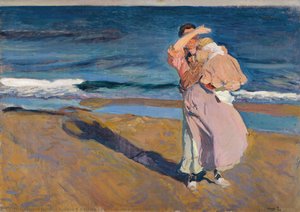
Joaquin Sorolla y Bastida's "Maria and Her Grandmother Clotilde" isn’t merely a portrait; it’s a luminous distillation of familial love, a captured moment brimming with warmth and quiet dignity. Painted in 1905 during the height of Sorolla’s career, this oil-on-canvas masterpiece transcends its simple subject matter to become a profound meditation on the enduring connection between generations. The painting immediately draws the eye with its vibrant palette – a symphony of warm yellows, soft blues, and earthy greens that bathe the scene in an almost tangible light. This isn't the stark realism favored by some of his contemporaries; instead, Sorolla employs a loose, impressionistic brushstroke, prioritizing atmosphere and feeling over meticulous detail. The figures themselves are rendered with remarkable sensitivity, capturing not just their physical likeness but also the subtle nuances of their personalities – the gentle wisdom in Clotilde’s eyes, the youthful curiosity reflected in Maria's gaze.
- Subject Matter: A tender portrait depicting a young girl (Maria) seated beside her grandmother (Clotilde), creating an intimate tableau of familial connection.
- Style: Characterized by Sorolla’s signature “luminismo,” emphasizing the effects of light and color, resulting in a vibrant and emotionally resonant image.
- Technique: Loose brushwork, layered glazes, and masterful use of light create an atmosphere of warmth and serenity.
A Window into Early 20th-Century Spain
To fully appreciate “Maria and Her Grandmother Clotilde,” it’s essential to understand the context in which it was created. Sorolla was a pivotal figure in Spanish art at the turn of the century, deeply influenced by the Impressionists and Post-Impressionists while simultaneously forging his own distinct style. This period marked a shift away from the academic traditions of earlier Spanish painting towards a more modern and expressive approach. The painting reflects this artistic evolution – its focus on capturing fleeting moments of beauty and emotion, rather than adhering to strict representational conventions. Furthermore, Sorolla’s work often depicted scenes of everyday life in Spain, particularly those involving families and children, offering a glimpse into the social fabric of his time. The inclusion of Clotilde, an older woman, speaks to the importance placed on familial continuity and respect for elders within Spanish culture.
Historical Context: Sorolla’s work reflects the vibrant cultural landscape of early 20th-century Spain, a period marked by artistic innovation and social change.Symbolism and Emotional Resonance
Beyond its surface beauty, “Maria and Her Grandmother Clotilde” is rich in symbolic meaning. The pose itself – Maria leaning towards her grandmother, seeking guidance and affection – speaks volumes about the transmission of wisdom and values across generations. The setting, bathed in golden sunlight, evokes a sense of warmth, comfort, and nostalgia. Sorolla masterfully uses light to draw attention to the faces of the two women, highlighting their expressions and conveying a deep sense of connection. The simple chair serves as a grounding element, anchoring the scene and emphasizing the intimacy between the figures. The painting isn’t about grand gestures or dramatic events; it's about the quiet beauty of everyday moments – the shared glances, the gentle touch, the unspoken understanding that binds families together.
Emotional Impact: The painting evokes feelings of warmth, nostalgia, and a profound appreciation for familial bonds.A Legacy Preserved: Reproductions and Artistic Inspiration
Today, “Maria and Her Grandmother Clotilde” stands as a testament to Sorolla’s artistic genius. Handmade oil painting reproductions are available through platforms like ArtsDot.com, offering art enthusiasts the opportunity to bring this iconic image into their homes. These meticulously crafted replicas capture not only the visual details of the original but also its emotional essence. Whether displayed in a living room, study, or gallery, a reproduction of “Maria and Her Grandmother Clotilde” serves as a beautiful reminder of the enduring power of family and the timeless beauty of human connection. For further exploration, one can delve into the works of Joaquin Sorolla Y Bastida on ArtsDot.com, and discover more about the Hispanic Society of America Museum and Library where the original resides.
Obras relacionadas
Biografía del artista
Primeros años y formación
Joaquín Sorolla y Bastida, un renombrado pintor español, nació el 27 de febrero de 1863 en Valencia, España. Era hijo mayor de Joaquín Sorolla, comerciante, y Concepción Bastida. Tras quedar huérfano a los dos años, fue criado por su tía materna y su tío. Su vocación artística se manifestó temprano, recibiendo sus primeras lecciones de arte a la edad de nueve años en su ciudad natal. Posteriormente estudió bajo la tutela de Cayetano Capuz, Salustiano Asenjo y José Benlliure en Roma. Una beca de cuatro años le permitió estudiar pintura en Roma, Italia, donde se vio influenciado por Francisco Pradilla.Desarrollo Artístico y Estilo
El estilo artístico de Sorolla evolucionó desde una formación académica hacia un enfoque más luminoso e impresionista. Aunque inicialmente pintó obras con temas históricos y religiosos para complacer a las academias, pronto desarrolló su propio lenguaje visual caracterizado por la captura magistral de la luz mediterránea y el movimiento. Su habilidad para representar escenas cotidianas, especialmente aquellas relacionadas con la playa y los niños jugando, lo convirtió en un artista único. Su técnica se basaba en pinceladas rápidas y vibrantes que transmitían una sensación de espontaneidad y vitalidad.Obras Destacadas y Logros
Sorolla dejó un legado impresionante de obras maestras. Entre ellas destacan:- Italian Girl with Flowers (Niña Italiana con Flores), una obra que ejemplifica su habilidad para capturar la esencia de sus sujetos.
- Bathing Time (Tiempo de Baño), demostrando su dominio del equilibrio entre luz y color, especialmente en escenas marinas.
- White Slave Trade (Trata de Blancas), un ejemplo raro de realismo social en su obra, abordando temas importantes de la época.
- Numerosas pinturas costumbristas que retratan la vida en las playas españolas, con figuras vibrantes y llenas de energía.
Influencia e Importancia Histórica
Joaquín Sorolla es considerado uno de los máximos exponentes del luminismo español y un precursor del impresionismo en España. Su capacidad para capturar la luz y el color con una técnica innovadora lo distingue de otros artistas de su época. Su obra ha influido a generaciones de pintores españoles, y su legado continúa siendo apreciado por su vitalidad, optimismo y representación fiel de la vida cotidiana. El Museo Sorolla en Madrid es un testimonio de su importancia histórica y una fuente invaluable para el estudio de su arte. Su habilidad para plasmar la alegría y la belleza del Mediterráneo lo ha convertido en un icono de la pintura española. Su obra, caracterizada por la luminosidad y la bravura, sigue inspirando a artistas hoy en día.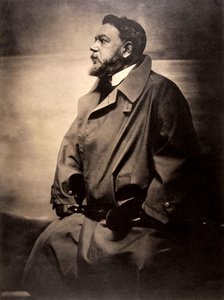
Joaquín Sorolla y Bastida
1863 - 1923 , España
Datos clave
- Artistas Influyentes: ['Francisco Pradilla']
- Estilo Artístico: Realismo, Luminismo
- Fecha De Fallecimiento: 23 de agosto de 1923
- Fecha De Nacimiento: 27 de febrero de 1863
- Lugar De Nacimiento: Valencia, España
- Nacionalidad: Española
- Nombre Completo: Joaquín Sorolla y Bastida
- Obras Notables:
- Italian Girl with Flowers
- Bathing Time
- White Slave Trade
Artículos relacionados
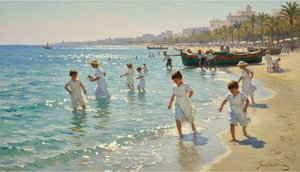
Joaquín Sorolla: Capturing Spanish Light & Life – A Legacy of Impressionism
Explore the luminous world of Joaquín Sorolla, Spanish master of Impressionism. Discover his life, techniques & legacy – a guide for art collectors and enthusiasts. Invest in timeless beauty.
The Enduring Legacy of Family Portraiture: A Historical & Artistic Exploration
Explore the rich history of family portraiture with ArtsDot. Discover artistic styles, symbolism & collecting insights. Commission a custom oil painting or appraise your existing artwork today!
Manuel Benedito Vives: A Study of Light, Color & Emotional Resonance in Contemporary Spanish Painting
Explore the captivating world of Manuel Benedito Vives, a celebrated Spanish painter influenced by Sorolla. Discover his masterful portraits, luminous landscapes & enduring legacy – a favorite of the Spanish Royal Family. Art collectors will appreciate this in-depth study.
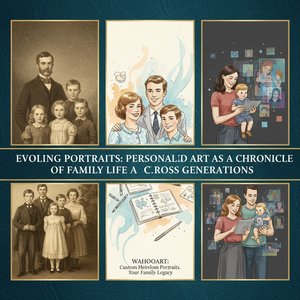
Evolución de los Retratos: El Arte Personalizado como Crónica de la Vida Familiar a Través de las Generaciones
Descubre la evolución del retrato familiar y cómo convertir tus recuerdos en obras de arte atemporales. Pinturas al óleo personalizadas por artistas expertos. ¡Preserva tu legado con ArtsDot!

The Enduring Motif of Love in Art History: A Cross-Cultural Exploration of Representation and Emotion
Explore the rich history of love in art! Discover iconic masterpieces, artistic techniques & cultural symbolism from antiquity to modern times. Expert analysis for collectors.