 Ver en contexto
 Enviar
 Compartir
 Detalles

 Descargar
 Similares
 Radiografía
 Presentación de diapositivas
 Stats
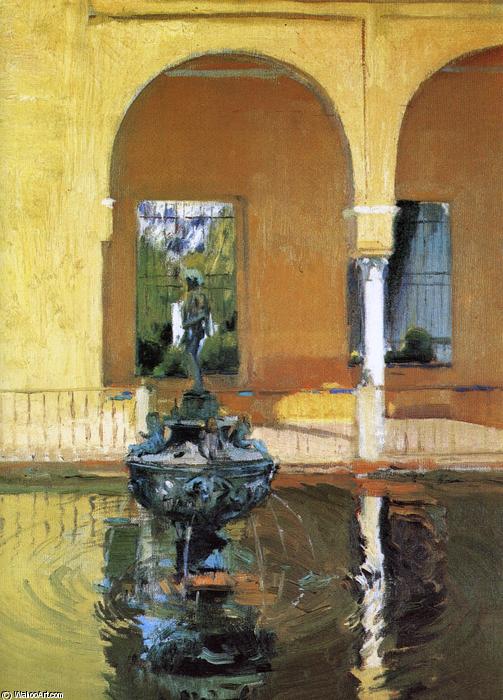
StatsThe Fountain in the Alcázar of Seville
 Oil On Canvas
- WallArt
- Realism
 1908
1908- 19th Century
 72.0 x 52.0 cm
 Ver más
Reproducción al óleo hecha a mano
Óleo sobre lienzo pintado a mano en el tamaño y marco de su elección, realizado por encargo por nuestros artistas. ( Switch to Print Switch to Digital Image)




P118B $10

P118H $10

P118W $10

P438Z $10

P508JH $12

P508YH $12

P805H $10

P805Z $10

P919BZ $10

P919G $10

P919XJ $10

P959ZH $10

P968JZ $12

W106C $8

W218G $10

W218JH $8

W218Y $10

W307PJ $10

W316G $10

W316PJ $8

W316Y $10

W398PJ $8

W4111J $10

W500HY $15

W500JH $15

W692G $12

W849H $8

W940BG $15

W953PJ $8




Elija entre nuestros tamaños predefinidos que respetan las proporciones originales de la obra.

Puede ingresar sus propias dimensiones para adaptarse a un marco o espacio específico. Si el tamaño seleccionado no coincide con las proporciones de la imagen original, recortaremos la obra o extenderemos la pintura con elementos adicionales pintados a mano. Se le enviará una maqueta digital para su aprobación antes de comenzar la producción.
Tenga en cuenta que la vista previa en pantalla no refleja el recorte o la extensión reales. Solo la maqueta mostrará con precisión la composición final.
Si bien existen tamaños personalizados, recomendamos seleccionar una dimensión de la lista predefinida para preservar las proporciones originales.
Tras realizar el pedido, el equipo de ArtsDot.com enviará un correo electrónico al cliente para solicitar instrucciones y proporcionarle una vista previa del boceto.
Envío a todo el mundo () en 3-4 semanas en lugar de las 5 semanas estándar. (8 septiembre). Sin comprometer la calidad.

Envío exprés gratuito a todo el mundo

Lienzo de lino de alta calidad

Seguro de envío total

Garantía de reembolso de impuestos aduaneros

Garantía de fidelidad cromática exacta

Política de devolución de 100 días (solo por defectos)

Garantía de devolución del 100% del dinero

Descuento por cantidad
 La opción de vidrio solo está disponible en tamaños inferiores a 110 cm.

The Fountain in the Alcázar of Seville
Técnica de reproducción
Dimensiones de la reproducción
-


Precio total final
$ 263
A Moment Captured: Sorolla’s ‘The Fountain in the Alcázar of Seville’
Joaquín Sorolla y Bastida's “The Fountain in the Alcázar of Seville” (1908) is more than a picturesque depiction of a Spanish landmark; it’s an immersion into the very essence of light and atmosphere that defined the artist’s extraordinary career. Painted during his most prolific period, this oil on canvas masterpiece transports the viewer to the heart of the Alcázar of Seville, a palace steeped in centuries of Moorish and Christian history. Sorolla, deeply influenced by the Impressionists and Spanish luminist painters like Cristóbal Goya, sought to capture not just what he saw, but how he *felt* – the warmth of the Andalusian sun, the shimmering reflections on water, and the quiet dignity of architectural detail.
- Subject Matter: The painting focuses on a tranquil fountain within the Alcázar’s exquisite gardens. This wasn't merely a technical exercise in rendering architecture; Sorolla was profoundly moved by the beauty of this historic space, a place where cultures and styles had intertwined for centuries.
- Technique: Sorolla’s signature technique – rapid brushwork combined with meticulous attention to light – is immediately apparent. He employed broken color, layering thin washes of paint to create an effect of shimmering brilliance, particularly evident in the reflections on the fountain's surface and the surrounding foliage. The loose handling of the paint contributes to a sense of movement and immediacy.
The Language of Light: Sorolla’s Luminist Vision
Sorolla was a master of “luminismo,” a style characterized by its intense focus on capturing the effects of light. He meticulously studied how sunlight transformed surfaces, creating an almost palpable sense of warmth and vibrancy. Notice how the light dances across the stone arches, illuminating the intricate details of the fountain’s structure and casting long shadows that add depth and dimension to the scene. This wasn't simply about painting a pretty picture; it was about conveying the *experience* of being present in that moment, bathed in the golden glow of the Spanish sun.
- Color Palette: The artist’s palette is dominated by warm tones – ochres, yellows, and greens – reflecting the colors of the Andalusian landscape. These hues are skillfully blended to create a harmonious and luminous effect.
- Brushwork: Sorolla's characteristic short, broken brushstrokes contribute significantly to the painting’s dynamism and sense of movement. This technique allows light to bounce off surfaces, creating an illusion of depth and realism.
Symbolism and Context: A Reflection of Seville
Beyond its technical brilliance, “The Fountain in the Alcázar of Seville” holds symbolic weight. The fountain itself represents a source of life and renewal, while the surrounding architecture speaks to the rich history of the region. The inclusion of statues – one on the left, another centrally positioned – adds an element of classical grace and formality, reflecting the palace’s Moorish origins. Even the bird perched atop the fountain contributes to the scene's idyllic quality, symbolizing freedom and joy. Painted in 1908, this work reflects a period of great artistic flourishing in Spain, mirroring Sorolla’s own success and his deep connection to his homeland.
Owning a Piece of History
Handmade oil paintings reproductions of “The Fountain in the Alcázar of Seville” offer art enthusiasts a unique opportunity to bring this iconic work into their homes or offices. These meticulously crafted reproductions capture Sorolla’s masterful technique and vibrant color palette, allowing you to experience the beauty and tranquility of this remarkable painting firsthand. Available for purchase at https://ArtsDot.com
Obras relacionadas
Biografía del artista
Primeros años y formación
Joaquín Sorolla y Bastida, un renombrado pintor español, nació el 27 de febrero de 1863 en Valencia, España. Era hijo mayor de Joaquín Sorolla, comerciante, y Concepción Bastida. Tras quedar huérfano a los dos años, fue criado por su tía materna y su tío. Su vocación artística se manifestó temprano, recibiendo sus primeras lecciones de arte a la edad de nueve años en su ciudad natal. Posteriormente estudió bajo la tutela de Cayetano Capuz, Salustiano Asenjo y José Benlliure en Roma. Una beca de cuatro años le permitió estudiar pintura en Roma, Italia, donde se vio influenciado por Francisco Pradilla.Desarrollo Artístico y Estilo
El estilo artístico de Sorolla evolucionó desde una formación académica hacia un enfoque más luminoso e impresionista. Aunque inicialmente pintó obras con temas históricos y religiosos para complacer a las academias, pronto desarrolló su propio lenguaje visual caracterizado por la captura magistral de la luz mediterránea y el movimiento. Su habilidad para representar escenas cotidianas, especialmente aquellas relacionadas con la playa y los niños jugando, lo convirtió en un artista único. Su técnica se basaba en pinceladas rápidas y vibrantes que transmitían una sensación de espontaneidad y vitalidad.Obras Destacadas y Logros
Sorolla dejó un legado impresionante de obras maestras. Entre ellas destacan:- Italian Girl with Flowers (Niña Italiana con Flores), una obra que ejemplifica su habilidad para capturar la esencia de sus sujetos.
- Bathing Time (Tiempo de Baño), demostrando su dominio del equilibrio entre luz y color, especialmente en escenas marinas.
- White Slave Trade (Trata de Blancas), un ejemplo raro de realismo social en su obra, abordando temas importantes de la época.
- Numerosas pinturas costumbristas que retratan la vida en las playas españolas, con figuras vibrantes y llenas de energía.
Influencia e Importancia Histórica
Joaquín Sorolla es considerado uno de los máximos exponentes del luminismo español y un precursor del impresionismo en España. Su capacidad para capturar la luz y el color con una técnica innovadora lo distingue de otros artistas de su época. Su obra ha influido a generaciones de pintores españoles, y su legado continúa siendo apreciado por su vitalidad, optimismo y representación fiel de la vida cotidiana. El Museo Sorolla en Madrid es un testimonio de su importancia histórica y una fuente invaluable para el estudio de su arte. Su habilidad para plasmar la alegría y la belleza del Mediterráneo lo ha convertido en un icono de la pintura española. Su obra, caracterizada por la luminosidad y la bravura, sigue inspirando a artistas hoy en día.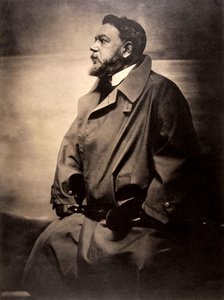
Joaquín Sorolla y Bastida
1863 - 1923 , España
Datos clave
- Artistas Influyentes: ['Francisco Pradilla']
- Estilo Artístico: Realismo, Luminismo
- Fecha De Fallecimiento: 23 de agosto de 1923
- Fecha De Nacimiento: 27 de febrero de 1863
- Lugar De Nacimiento: Valencia, España
- Nacionalidad: Española
- Nombre Completo: Joaquín Sorolla y Bastida
- Obras Notables:
- Italian Girl with Flowers
- Bathing Time
- White Slave Trade
Artículos relacionados
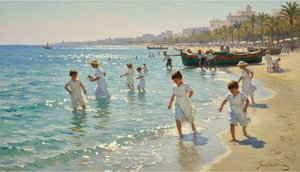
Joaquín Sorolla: Capturing Spanish Light & Life – A Legacy of Impressionism
Explore the luminous world of Joaquín Sorolla, Spanish master of Impressionism. Discover his life, techniques & legacy – a guide for art collectors and enthusiasts. Invest in timeless beauty.

The Enduring Legacy of Oil on Canvas: Technique, History & Aesthetic Impact
Explore the rich history & techniques of oil painting – from Renaissance masters to Impressionism. Discover pigments, layering methods, and why this timeless medium endures. Expert insights for artists & art enthusiasts.

El Legado Duradero del Óleo sobre Lienzo: Técnica, Historia y Práctica Contemporánea
Descubre la historia y técnica del óleo sobre lienzo. Explora reproducciones fieles hechas a mano, personalización artística y consejos de expertos con .
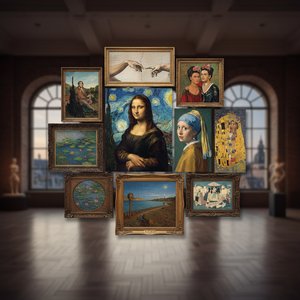
Las 10 Obras Maestras al Óleo que Revolucionaron la Historia del Arte |
Descubre las 10 obras maestras al óleo que transformaron la historia del arte. Explora Van Gogh, Monet, Da Vinci y más. Reproducciones de alta calidad para decorar tu hogar con elegancia. ¡Encuentra tu obra favorita en !

El Óleo sobre Lienzo: Historia, Técnica y la Persistencia de un Medio Artístico Atemporal
Descubre la historia y técnica del óleo sobre lienzo. Explora reproducciones fieles hechas a mano, personalización artística y consejos de expertos con ArtsDot. ¡Colecciona arte con confianza!