

 Ver en contexto
 Enviar
 Compartir
 Detalles

 Descargar
 Similares
 Radiografía
 Presentación de diapositivas
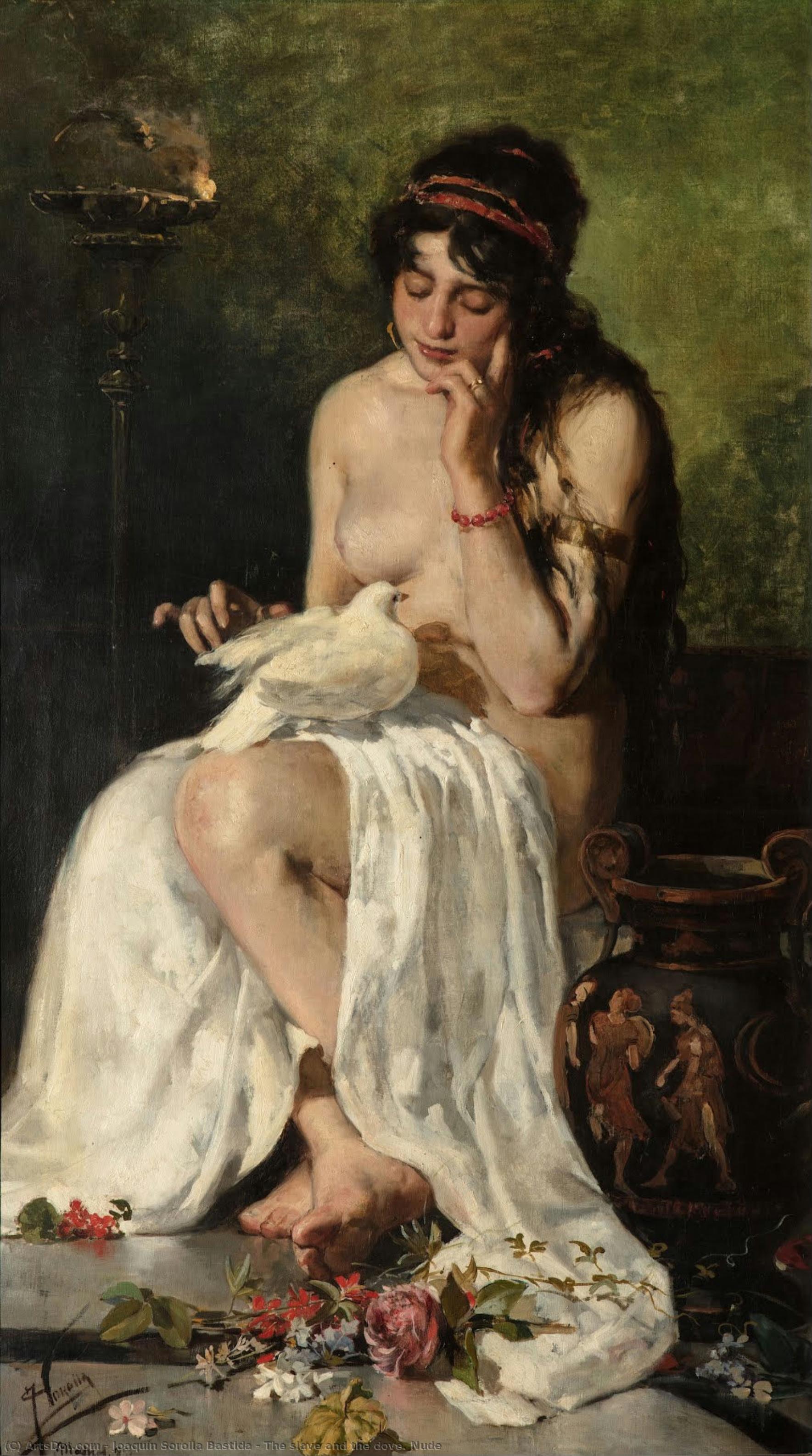
The slave and the dove. Nude


 Ver más
Adquiera una imagen digital de alta resolución y optimizada, muy superior a la vista previa en línea.
Cada archivo es preparado meticulosamente por nuestros especialistas internos mediante el uso de herramientas avanzadas y un experto retoque manual. Nos aseguramos de que cada imagen posea una claridad excepcional, una precisión cromática impecable y un detalle minucioso.
El archivo final se entrega por correo electrónico en un plazo de 72 horas, optimizado para su uso inmediato en entornos profesionales, editoriales y de impresión. Esta es la misma calidad en la que confían los estudios de diseño, las editoriales y las galerías de primer nivel.
Imagen Digital
Descarga un archivo de alta resolución para exhibición personal, impresión y proyectos creativos. ( Comprar impresión Comprar pintura hecha a mano)
Incluido en cada pedido de imágenes digitales
Entrega digital experta, garantizada.
Al elegir ArtsDot.com, no solo está adquiriendo una imagen; está recibiendo una obra de arte digital mejorada profesionalmente, elaborada con precisión y respaldada por una garantía de satisfacción. Esto es todo lo que incluye su pedido, automáticamente:

Entrega rápida por email
Recibirá su archivo de imagen digital en alta resolución por correo electrónico en un plazo de 72 horas tras realizar su pedido, listo para su uso inmediato.

Archivo digital optimizado por IA
Su obra de arte se optimiza profesionalmente mediante herramientas avanzadas de IA y edición manual, garantizando el máximo detalle, claridad y precisión cromática.

Reenvío gratuito de por vida
¿Has borrado o perdido tu archivo por error? No te preocupes: te lo volveremos a enviar en cualquier momento, sin coste adicional.

Sin gastos de importación, siempre
Disfrute de su obra de arte al instante sin aduanas, aranceles ni gastos de envío; las descargas digitales siempre están libres de impuestos.

Garantía de fidelidad de color
Garantizamos que su imagen digital refleje los colores originales con la mayor fidelidad posible, mediante el uso de herramientas profesionales y gestión del color.

Garantía de satisfacción de 60 días
Si no está satisfecho con su imagen digital, la revisaremos o le reembolsaremos el 100% en un plazo de 60 días, sin preguntas.

100% Garantía de devolución de dinero
¿No está satisfecho? Obtenga un reembolso completo dentro de los 60 días posteriores a la recepción de su archivo digital, sin necesidad de explicaciones.

Descuentos por pedidos grandes
Compra 3 imágenes, ahorra 10% - Compra 5, ahorra 15% - Compra 10+, ahorra 20%. Ideal para proyectos creativos, galerías y agencias.
Descripción del coleccionable
A Glimpse of Valencia’s Soul: Sorolla's "The Slave and the Dove"
Joaquín Sorolla y Bastida’s “The Slave and the Dove,” painted in 1883, is more than just a portrait; it’s a poignant meditation on vulnerability, beauty, and the quiet dignity of existence. Emerging from a period of profound personal loss – orphaned at two years old – Sorolla developed an extraordinary sensitivity to light and emotion, qualities that are exquisitely rendered within this captivating work. The painting depicts a young woman, identified as a “slave girl,” seated upon the ground, her hands clasped protectively before her face. Yet, despite the inherent connotations of servitude, she possesses an undeniable grace and serenity, radiating a quiet strength that belies her circumstances. This isn’t a depiction of despair, but rather one imbued with a melancholic beauty, echoing the spirit of Albert Dürer's "Melancholy I," a work Sorolla clearly admired for its exploration of inner turmoil.- Style and Technique: Sorolla masterfully employs *plein air* painting techniques, capturing the fleeting effects of sunlight with remarkable precision. The loose brushstrokes and vibrant color palette—a symphony of warm yellows, soft blues, and delicate pinks—create a luminous atmosphere that seems to emanate from the canvas itself. He utilizes a dramatic chiaroscuro effect, contrasting the bright highlights on her skin with the deep shadows beneath, emphasizing both her physical form and emotional state.
- Composition: The composition is carefully balanced, drawing the eye to the central figure while incorporating subtle details that enrich the narrative. A scattering of birds—a dove prominently positioned near her head—suggests hope and freedom amidst a sense of confinement. A ceramic krater, reminiscent of ancient Greek pottery, rests on the lower right corner, grounding the scene in classical antiquity and hinting at themes of mythology and timeless beauty.
Echoes of Antiquity and Melancholy’s Embrace
Sorolla's choice to depict a “slave girl” within this context is deeply layered. He wasn't simply illustrating poverty or oppression; rather, he drew inspiration from classical Greek art, specifically the iconography of the *kouros* (youth) and *kore* (maiden), figures often associated with goddesses and embodying ideals of beauty and virtue. The woman’s posture and gaze subtly recall these ancient representations, elevating her to a position of dignified contemplation. Simultaneously, Sorolla incorporates elements of Dürer's "Melancholy I," imbuing the scene with a sense of quiet sadness and introspection—a recognition of human vulnerability and the ephemeral nature of beauty. The inclusion of the krater further reinforces this connection to antiquity, suggesting a timeless quality to her sorrow and resilience.Light, Loss, and the Spanish Soul
Sorolla’s early life was marked by profound loss – the deaths of his parents at a young age profoundly shaped his artistic vision. This experience instilled within him an acute awareness of mortality and a deep appreciation for the fleeting beauty of light and color. “The Slave and the Dove” is, in many ways, a testament to this sensibility. The painting’s luminous quality—a hallmark of Sorolla's style—is not merely decorative; it serves as a metaphor for hope amidst darkness, suggesting that even in moments of sorrow, there remains an enduring capacity for beauty and grace. The Spanish light, so characteristic of his work, seems to bathe the figure in a gentle warmth, offering solace and a sense of quiet dignity.A Timeless Masterpiece: Symbolism and Emotional Resonance
Ultimately, “The Slave and the Dove” transcends its literal subject matter to become a powerful meditation on human experience. The painting’s enduring appeal lies not only in Sorolla's technical mastery but also in its profound emotional resonance. It speaks to themes of vulnerability, resilience, and the search for beauty amidst adversity—themes that continue to resonate with viewers today. The image invites contemplation, prompting us to consider the dignity of all individuals, regardless of their circumstances, and to appreciate the fleeting moments of grace and serenity that punctuate our lives. This work stands as a poignant reminder of Sorolla’s ability to capture not just the outward appearance of his subjects but also the depths of their inner worlds.Obras relacionadas
Biografía del artista
Primeros años y formación
Joaquín Sorolla y Bastida, un renombrado pintor español, nació el 27 de febrero de 1863 en Valencia, España. Era hijo mayor de Joaquín Sorolla, comerciante, y Concepción Bastida. Tras quedar huérfano a los dos años, fue criado por su tía materna y su tío. Su vocación artística se manifestó temprano, recibiendo sus primeras lecciones de arte a la edad de nueve años en su ciudad natal. Posteriormente estudió bajo la tutela de Cayetano Capuz, Salustiano Asenjo y José Benlliure en Roma. Una beca de cuatro años le permitió estudiar pintura en Roma, Italia, donde se vio influenciado por Francisco Pradilla.Desarrollo Artístico y Estilo
El estilo artístico de Sorolla evolucionó desde una formación académica hacia un enfoque más luminoso e impresionista. Aunque inicialmente pintó obras con temas históricos y religiosos para complacer a las academias, pronto desarrolló su propio lenguaje visual caracterizado por la captura magistral de la luz mediterránea y el movimiento. Su habilidad para representar escenas cotidianas, especialmente aquellas relacionadas con la playa y los niños jugando, lo convirtió en un artista único. Su técnica se basaba en pinceladas rápidas y vibrantes que transmitían una sensación de espontaneidad y vitalidad.Obras Destacadas y Logros
Sorolla dejó un legado impresionante de obras maestras. Entre ellas destacan:- Italian Girl with Flowers (Niña Italiana con Flores), una obra que ejemplifica su habilidad para capturar la esencia de sus sujetos.
- Bathing Time (Tiempo de Baño), demostrando su dominio del equilibrio entre luz y color, especialmente en escenas marinas.
- White Slave Trade (Trata de Blancas), un ejemplo raro de realismo social en su obra, abordando temas importantes de la época.
- Numerosas pinturas costumbristas que retratan la vida en las playas españolas, con figuras vibrantes y llenas de energía.
Influencia e Importancia Histórica
Joaquín Sorolla es considerado uno de los máximos exponentes del luminismo español y un precursor del impresionismo en España. Su capacidad para capturar la luz y el color con una técnica innovadora lo distingue de otros artistas de su época. Su obra ha influido a generaciones de pintores españoles, y su legado continúa siendo apreciado por su vitalidad, optimismo y representación fiel de la vida cotidiana. El Museo Sorolla en Madrid es un testimonio de su importancia histórica y una fuente invaluable para el estudio de su arte. Su habilidad para plasmar la alegría y la belleza del Mediterráneo lo ha convertido en un icono de la pintura española. Su obra, caracterizada por la luminosidad y la bravura, sigue inspirando a artistas hoy en día.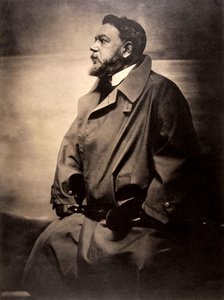
Joaquín Sorolla y Bastida
1863 - 1923 , España
Breves datos
- Artistas Influyentes: ['Francisco Pradilla']
- Estilo Artístico: Realismo, Luminismo
- Fecha De Fallecimiento: 23 de agosto de 1923
- Fecha De Nacimiento: 27 de febrero de 1863
- Lugar De Nacimiento: Valencia, España
- Nacionalidad: Española
- Nombre Completo: Joaquín Sorolla y Bastida
- Obras Notables:
- Italian Girl with Flowers
- Bathing Time
- White Slave Trade

