

 Ver en contexto
 Enviar
 Compartir
 Detalles

 Descargar
 Similares
 Radiografía
 Presentación de diapositivas
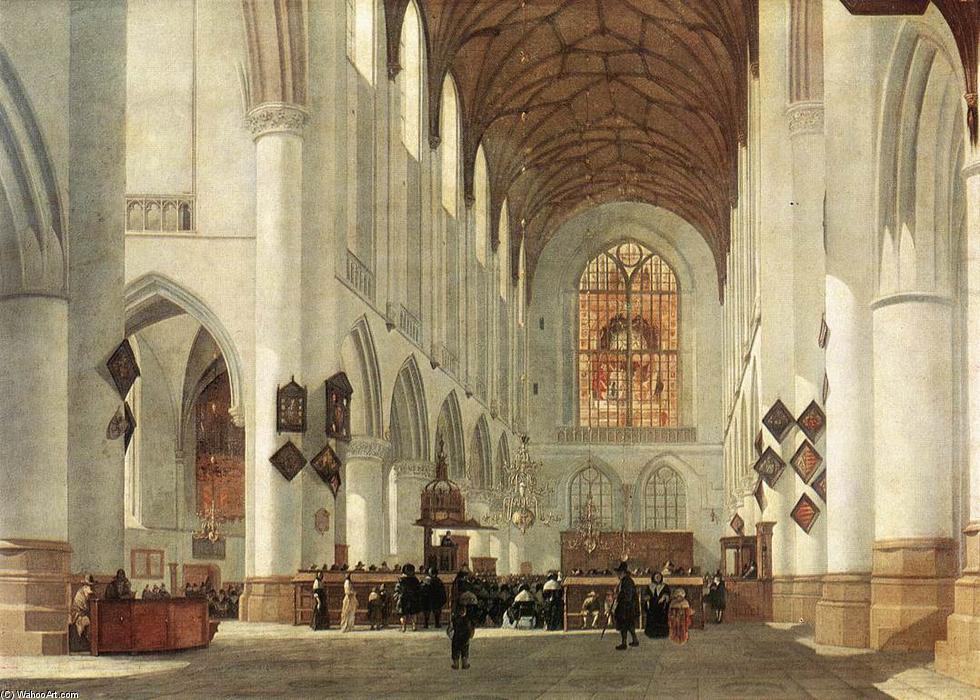
Interior of the St Bavo Church at Haarlem
 Acrylic On Canvas
- WallArt
- Baroque
 1665
1665 61.0 x 85.0 cm
 Galería de Pinturas Antiguas
 Ver más
Giclée / Impresión de arte
Impresiones giclée o en lienzo de calidad de museo con producción rápida y opciones de acabado flexibles. ( Comprar pintura hecha a mano Comprar imagen)




P118B $10

P118H $10

P118W $10

P438Z $10

P508JH $12

P508YH $12

P805H $10

P805Z $10

P919BZ $10

P919G $10

P919XJ $10

P959ZH $10

P968JZ $12

W106C $8

W218G $10

W218JH $8

W218Y $10

W307PJ $10

W316G $10

W316PJ $8

W316Y $10

W398PJ $8

W4111J $10

W500HY $15

W500JH $15

W692G $12

W849H $8

W940BG $15

W953PJ $8




Elija entre nuestros tamaños predefinidos que respetan las proporciones originales de la obra.

Puede introducir sus propias dimensiones para adaptarse a un marco o espacio específico. Si el tamaño seleccionado no coincide con las proporciones de la imagen original, recortaremos la obra de arte o extenderemos la imagen con un borde con efecto espejo o de color sólido. Se enviará una maqueta digital para su aprobación antes de que comience la producción.
Tenga en cuenta que la vista previa en pantalla no refleja el recorte o la extensión real. Solo la maqueta mostrará con precisión la composición final.
Aunque existen tamaños personalizados, recomendamos seleccionar una dimensión de la lista predefinida para preservar las proporciones originales.
Envío a todo el mundo () en 2 semanas en lugar de las 4/5 semanas estándar. (6 septiembre)

Envío exprés gratuito a todo el mundo

Lienzo de lino de alta calidad

Seguro de envío total

Garantía de reembolso de impuestos aduaneros

Garantía de fidelidad cromática exacta

Política de devolución de 100 días (solo por defectos)

Garantía de devolución del 100% del dinero

Descuento por cantidad
 La opción de vidrio solo está disponible en tamaños inferiores a 110 cm.

Interior of the St Bavo Church at Haarlem
Giclée / Impresión de arte
Dimensiones de la reproducción
-


Precio total final
$ 62
A Glimpse of Faith and Community: Job Adriaensz Berckheyde’s Masterpiece
Job Adriaenszoon Berckheyde's “Interior of the St Bavo Church at Haarlem” isn’t merely a painting; it’s a meticulously crafted portal into 17th-century Dutch life. Completed around 1665, this oil on oak panel offers an intimate and remarkably detailed depiction of a sacred space – not as a grand, imposing cathedral, but as a vibrant hub of community and faith. Berckheyde, a key figure in Haarlem’s artistic landscape alongside his brother Gerrit, eschewed the dramatic theatricality favored by some of his contemporaries, instead choosing to capture a scene of quiet devotion and everyday activity within the familiar walls of St Bavo.
Baroque Detail and the Skill of Observation
Berckheyde’s genius lies in his painstaking attention to detail, a hallmark of the Baroque style he embraced. The painting is awash in rich, warm colors – deep reds, browns, and golds – that imbue the scene with an almost tangible sense of warmth and reverence. Notice the masterful use of light; it streams through the high vaulted ceiling, illuminating the faces of the congregants and highlighting the intricate carvings of the wooden benches and pews. The artist’s brushwork is remarkably subtle, creating a sense of depth and texture that invites the viewer to step into the scene. The composition itself is carefully balanced, drawing the eye towards the central altar while simultaneously showcasing the diverse range of individuals present – men in somber robes, women in modest attire, children attentively listening, all united in their shared devotion.
A Window into Haarlem’s Soul
St Bavo Church wasn't just a place of worship; it was the heart of Haarlem. Berckheyde’s painting captures this essence perfectly. The church served as a focal point for civic life, hosting not only religious services but also town meetings and social gatherings. The inclusion of details like the clock on the wall – a symbol of time and order – and the various furniture pieces further emphasize the church's role as a central gathering place. Berckheyde’s work offers a rare glimpse into the daily rhythms of 17th-century Haarlem, revealing a community deeply rooted in tradition and faith.
Symbolism and Historical Context
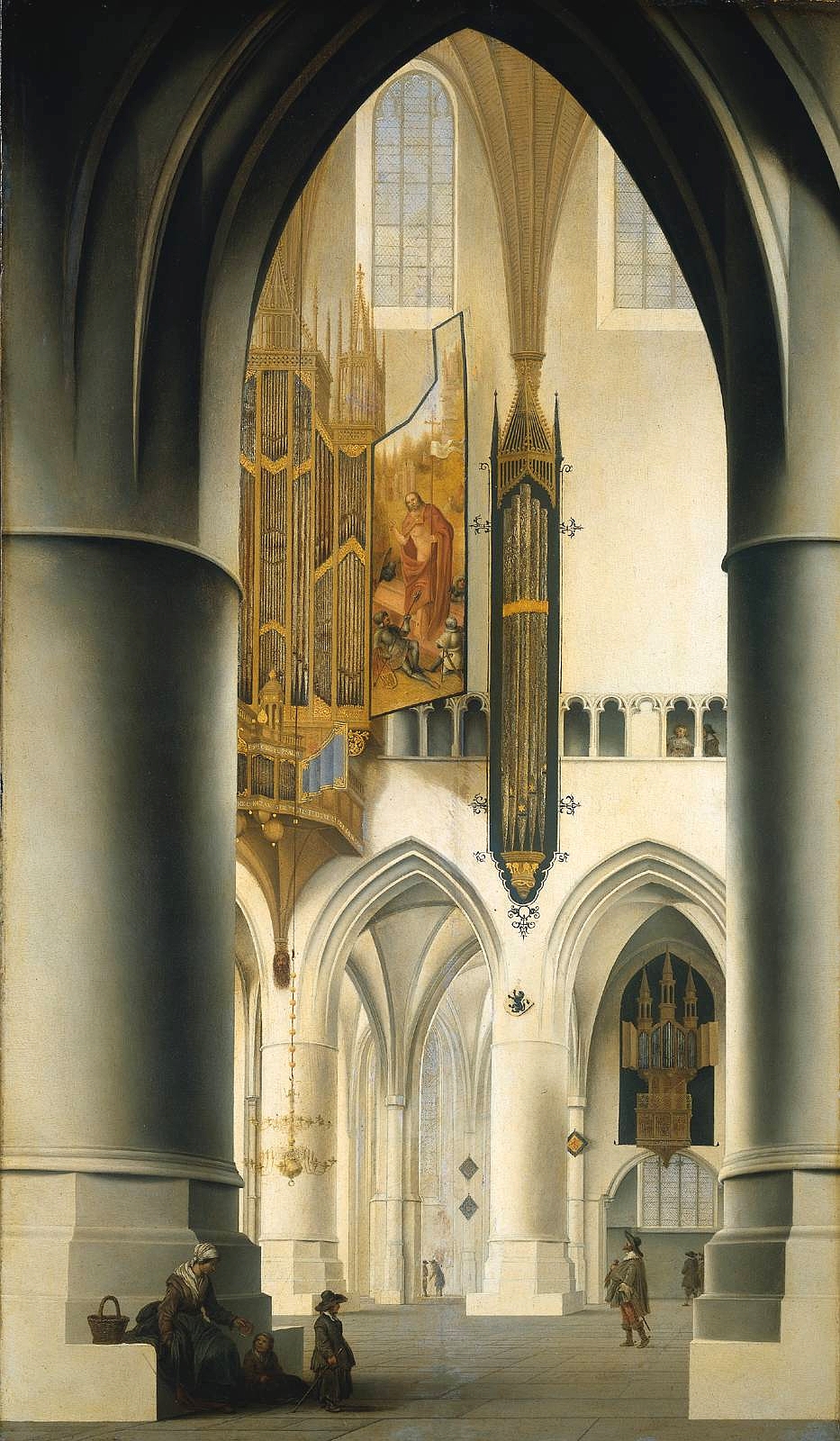
The painting is steeped in symbolism reflective of its time. The architecture itself—a grand example of Gothic design—represents stability, permanence, and the enduring power of the church. The presence of numerous individuals underscores the importance of community and collective faith. Berckheyde’s choice to depict a scene of quiet contemplation rather than elaborate ceremony speaks volumes about the prevailing religious climate of the period – a time when piety and humility were valued above ostentation. The painting is also linked to the broader artistic legacy of Pieter Jansz Saenredam, whose own interiors of Haarlem churches share a similar focus on architectural detail and atmospheric perspective.
Bringing Berckheyde’s Vision Home
Reproductions of “Interior of the St Bavo Church at Haarlem” offer a beautiful way to bring this captivating scene into your home or office. Whether you choose a large-scale canvas print or a smaller, framed version, you'll be investing in a piece of art that not only enhances your décor but also connects you to the rich artistic and cultural heritage of the Netherlands. Consider how the painting’s warm colors and intimate atmosphere can create a sense of peace and reflection within your space – a reminder of the enduring power of faith, community, and artistic skill.
Obras relacionadas
Biografía del artista
El maestro de los momentos silenciosos de Haarlem
Job Adriaenszoon Berckheyde, nacido en la vibrante ciudad holandesa de Haarlem alrededor de 1630, permanece como una voz profunda de la Edad de Oro neerlandesa, un período donde la luz y la sombra danzaban sobre los lienzos de una nación en pleno auge. Si bien la historia suele centrar un brillante foco sobre su hermano, Gerrit Berckheyde, Job forjó un legado definido por un enfoque íntimo, casi susurrado, de la realidad. Su vida estuvo profundamente entrelazada con el pulso artístico de Haarlem, una ciudad que sirvió tanto de santuario como de tema principal. A través de su pincel, lo cotidiano se volvió monumental, y los rincones tranquilos de la vida holandesa del siglo XVII fueron elevados al estatus de gran arte.
Los cimientos del talento de Berckheyde se establecieron bajo la guía de Jacob Willemsz de Wet, un maestro cuyo dominio del claroscuro —el dramático juego entre luces y sombras— dejó una marca indeleble en la técnica del joven artista. En obras tempranas como Cristo predicando a los niños (1661), se puede percibir la pesada y emotiva influencia de Rembrandt. Este periodo inicial se caracterizó por una cierta teatralidad, donde las narrativas religiosas estaban imbuidas de una tensión humana palpable. Sin embargo, a medida que maduró, el enfoque de Berckheyde se desplazó desde las sombras dramáticas del púlpito hacia la claridad luminosa del interior holandés y la elegancia expansiva del paisaje urbano.
Un viaje a través de la luz y el paisaje
El crecimiento artístico de Berckheyde no fue un esfuerzo solitario, sino una exploración colaborativa. Entre 1656 y 1660, él y su hermano emprendieron un ambicioso viaje por los territorios alemanes, recorriendo el Rin desde Colonia hasta los pintorescos paisajes de Mannheim y Heidelberg. Este periodo de viajes actuó como un catalelo para su evolución estilística. Expuesto a nuevas vistas y a los enfoques pioneros de artistas como Vincent van der Vinne, Berckheyde comenzó a refinar su capacidad para capturar la atmósfera. La influencia del mecenazgo alemán, particularmente bajo el mando de Carlos I Luis, le permitió diversificar su repertorio, adentrándose en el retrato y las escenas de caza que exigían un tipo diferente de precisión y gracia.
Al regresar a los Países Bajos, su obra se volvió cada vez más sinónimo del alma arquitectónica de Haarlem. Poseía una habilidad singular para representar la majestuosidad estructural de los monumentos holandesos, notablemente en sus impresionantes representaciones de la Sint-Bavokerk. En estas pinturas, no se limitaba a documentar piedra y mortero; capturaba la forma en que la luz se filtraba a través de los espacios sagrados, creando una atmósfera de reverencia y quietud. Su maestría de la perspectiva permitía a los espectadores adentrarse en el corazón mismo del coro, haciendo que los triunfos arquitectónicos de su era se sintieran inmediatos y vivos.
El legado de la brillantez observacional
A medida que su carrera progresaba, la obra de Berckheyde se expandió para incluir escenas de género y paisajes urbanos que servían como ventanas a un mundo desaparecido. Su Vista de un canal holandés se erige como un testimonio de su destreza en el realismo barroco, donde los reflejos en el agua y los intrincados detalles de los edificios junto al canal evocan una sensación de profunda paz. Ya fuera capturando el retrato digno de un mercader como Nicolaes Eichelberg o la energía bulliciosa de un paseo marítimo, su trabajo permaneció anclado en una observación meticulosa.
La importancia histórica de Job Adriaenszoon Berckheyde reside en su papel como cronista del espíritu holandés. Sus pinturas son más que meros objetos estéticos; son artefactos culturales que preservan la luz, la arquitectura y el tejido social del siglo XVII. A través de su evolución, desde un estudiante de sombras dramáticas hasta un maestro de la claridad luminosa, ayudó a definir el lenguaje visual de la Edad de Oro neerlandesa, asegurando que la belleza tranquila y digna de Haarlem perdurara mucho después de que la era misma se hubiera convertido en leyenda.
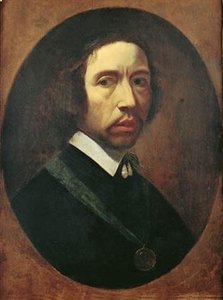
Job Adriaenszoon Berckheyde
1630 - 1693 , Países Bajos
Datos clave
- Artistic Movement Or Style: Baroque
- Artists Who Influenced This Artist:
- Jacob Willemsz de Wet
- Rembrandt
- Date Of Birth: 1630
- Full Name: Job Adriaenszoon Berckheyde
- Nationality: Dutch
- Notable Artworks:
- The Baker
- Interior of St. Bavokerk
- Place Of Birth: Haarlem, Netherlands
Artículos relacionados

Los 10 Maestros del Barroco Holandés: Obras que Definen una Época | ArtsDot
Descubre los 10 imprescindibles del Barroco holandés: Rembrandt, Vermeer y más. Explora la historia, técnica y belleza de estas obras maestras. Reproducciones de arte en ArtsDot.com para decorar tu hogar con elegancia.

Reflejos de una Época Dorada: La Pintura Barroca Holandesa y la Innovación Cultural
Descubra la riqueza y el detalle de la pintura barroca holandesa del Siglo de Oro. Explore las obras maestras de Rembrandt, Vermeer y otros artistas clave. Análisis experto e historia cultural.

The Dramatic Flourish: Exploring the Baroque Movement's Enduring Legacy in Art History
Explore the dramatic world of Baroque art! Discover iconic artists like Caravaggio & Rubens, defining techniques, and its lasting impact on art history. Expert insights for collectors & enthusiasts at ArtsDot.

Barroco Sublime: 10 Obras Maestras que Definieron una Época |
Descubre las 10 obras maestras del Barroco que marcaron una época. Caravaggio, Bernini y Velázquez cobran vida en . Reproducciones de arte de calidad museo para decorar tu hogar con elegancia. ¡Explora la colección online!

The Visceral Stage: Exploring Dramatic Narratives & Emotional Intensity in Baroque Art
Explore the dramatic world of Baroque art! Discover iconic masters like Caravaggio & Rembrandt, their techniques, and the movement's lasting impact. Expert insights for collectors & enthusiasts at ArtsDot.