 Vista previa
 Compartir
 Compartir
 Ver detalles

 Descargar
 Ver similares
 Radiografía
 Presentación de diapositivas
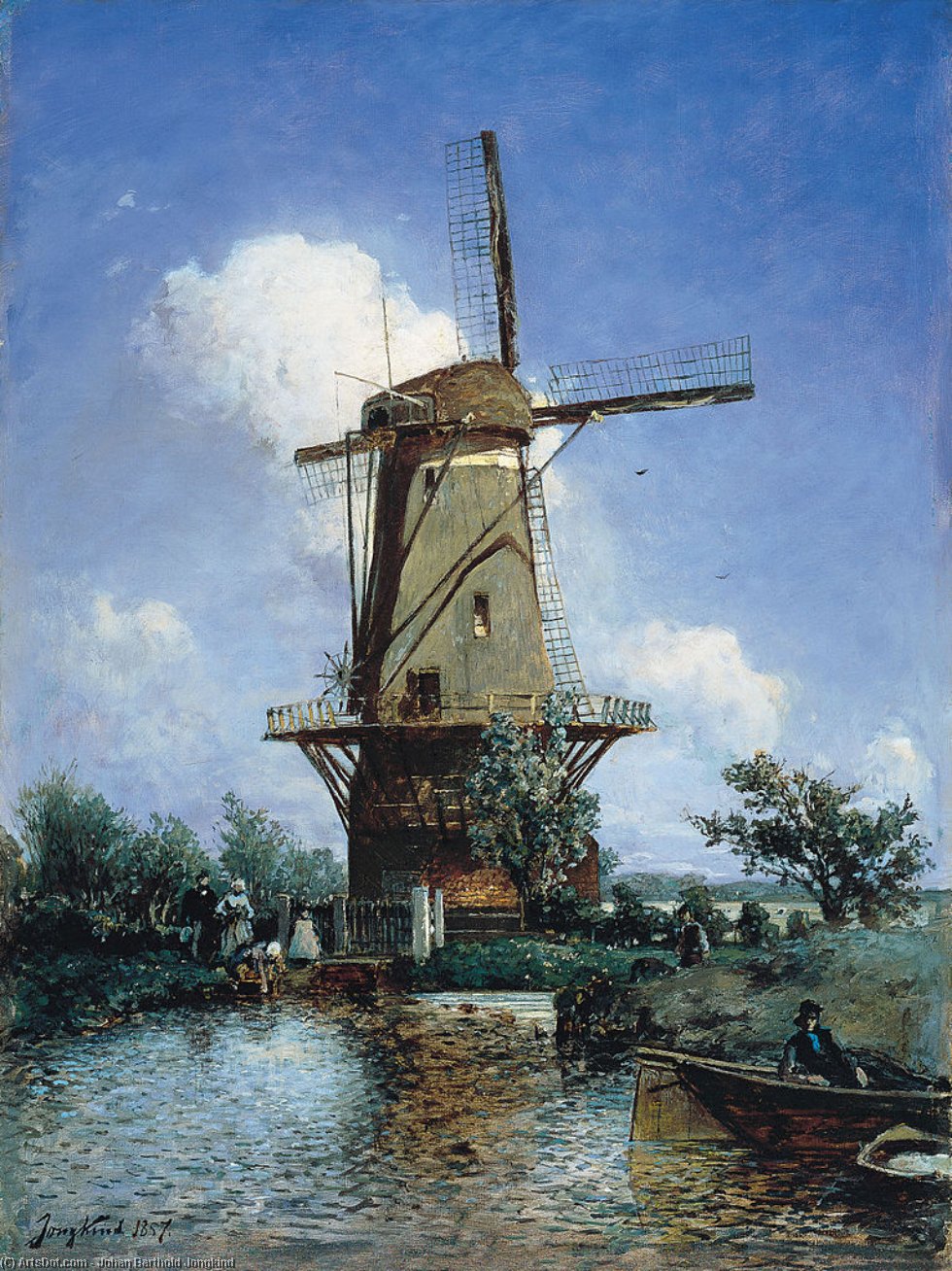
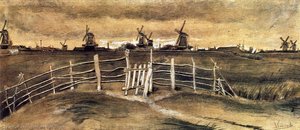
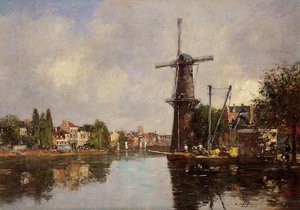
Windmill near Delft


 Leer más
Giclée / Impresión de arte
Impresiones giclée o en lienzo de calidad de museo con producción rápida y opciones de acabado flexibles. ( Encargar reproducción pintada a mano Comprar descarga)




P118B $10

P118H $10

P118W $10

P438Z $10

P508JH $12

P508YH $12

P805H $10

P805Z $10

P919BZ $10

P919G $10

P919XJ $10

P959ZH $10

P968JZ $12

W106C $8

W218G $10

W218JH $8

W218Y $10

W307PJ $10

W316G $10

W316PJ $8

W316Y $10

W398PJ $8

W4111J $10

W500HY $15

W500JH $15

W692G $12

W849H $8

W940BG $15

W953PJ $8




Elija entre nuestros tamaños predefinidos que respetan las proporciones originales de la obra.

Puede introducir sus propias dimensiones para adaptarse a un marco o espacio específico. Si el tamaño seleccionado no coincide con las proporciones de la imagen original, recortaremos la obra de arte o extenderemos la imagen con un borde con efecto espejo o de color sólido. Se enviará una maqueta digital para su aprobación antes de que comience la producción.
Tenga en cuenta que la vista previa en pantalla no refleja el recorte o la extensión real. Solo la maqueta mostrará con precisión la composición final.
Aunque existen tamaños personalizados, recomendamos seleccionar una dimensión de la lista predefinida para preservar las proporciones originales.
Envío a todo el mundo () en 2 semanas en lugar de las 4/5 semanas estándar. (19 agosto)

Envío exprés gratuito a todo el mundo

Lienzo de lino de alta calidad

Seguro de envío completo

Garantía de reembolso de aranceles aduaneros

Garantía de fidelidad cromática exacta

Política de devolución de 60 días (solo por defectos)

Garantía de devolución del 100% del dinero

Oferta por volumen
 La opción de vidrio solo está disponible en tamaños inferiores a 110 cm.

Windmill near Delft
Giclée / Impresión de arte
Tamaño de la reproducción
-


Precio total
$ 62
Descripción de la pieza
Windmill near Delft – A Masterpiece of Dutch Romanticism
Delft’s allure extends far beyond its picturesque canals and historic architecture; it resides in the artistic legacy embodied by Johan Barthold Jongkind, specifically his iconic painting “Windmill near Delft,” completed in 1857. This artwork isn't merely a depiction of a rural landscape; it’s a profound meditation on light, atmosphere, and the spirit of its time—a cornerstone of Dutch Romanticism and an influential precursor to Impressionism. Examining Jongkind’s vision reveals layers of artistic innovation and emotional resonance that continue to captivate audiences today.Subject Matter and Composition
The painting captures a quintessential Dutch scene: a solitary windmill standing proudly against a brilliant azure sky punctuated by fluffy white clouds. Situated slightly off-center to the right, the windmill dominates the composition, drawing the eye immediately into its central presence. A tranquil canal winds gracefully through the foreground, mirroring the expansive heavens above and adding depth to the overall vista. Scattered figures—two women tending to flowers near the water’s edge, a man piloting a boat—populate the landscape, subtly enriching the narrative without overshadowing the dominant visual element. Jongkind skillfully employs horizontal lines to emphasize the breadth of the sky, creating a harmonious balance between land and air.Style and Technique – Embracing Impressionistic Light
Jongkind’s artistic approach distinguishes itself from earlier Dutch landscape traditions through its embrace of Impressionistic principles. Loose brushstrokes characterize the entire canvas, prioritizing capturing fleeting moments of light and color rather than meticulous detail. The artist eschews sharp outlines, favoring soft edges that blend seamlessly together—a technique directly influenced by Claude Monet and Eugène Boudin, with whom Jongkind maintained a close artistic friendship. Color palettes are muted yet vibrant, reflecting the diffused sunlight filtering through the clouds, conveying a serene mood infused with nostalgia for a bygone era. The artist’s layering of paint builds up texture and luminosity, creating an immersive experience that invites contemplation.Historical Context – Romanticism's Reflection of Nature
“Windmill near Delft” emerged during the Romantic period in Dutch art—a movement characterized by an intense fascination with nature and emotion. Artists sought to express subjective experiences rather than objective representations, prioritizing feeling over factual accuracy. Jongkind’s work aligns perfectly with this ethos, mirroring the Romantic preoccupation with capturing the sublime beauty of the natural world and conveying a sense of spiritual contemplation. The painting reflects the broader cultural shift toward valuing imagination and intuition—a reaction against the Enlightenment's emphasis on reason and scientific observation. Its creation coincided with a growing interest in plein air painting – working outdoors directly from nature – furthering the Impressionist movement’s core tenets.Symbolism – Resilience and Tranquility
Beyond its aesthetic qualities, “Windmill near Delft” carries symbolic significance rooted in Dutch cultural heritage. The windmill itself represents industriousness and perseverance—a testament to the nation's agricultural traditions and technological advancements. Simultaneously, the tranquil canal and expansive sky evoke feelings of serenity and peace—mirroring the Romantic ideal of harmony between humanity and nature. Jongkind’s masterful depiction encapsulates a timeless vision of rural Dutch life, celebrating both its practical realities and its spiritual beauty.Conclusion – An Enduring Legacy
“Windmill near Delft” stands as a testament to Johan Barthold Jongkind's artistic genius—a pivotal work that bridged the gap between Romanticism and Impressionism. Its luminous brushwork, evocative color palette, and harmonious composition continue to inspire admiration and resonate with viewers today. More than just a landscape painting, it’s an embodiment of Dutch cultural identity and a celebration of the sublime beauty found in the natural world—a masterpiece deserving of continued appreciation for generations to come.Obras relacionadas
Biografía del artista
Primeros años y formación
Johan Barthold Jongkind, un pintor e impresor holandés, nació el 3 de junio de 1819 en Lattrop, provincia de Overijssel, Países Bajos. Recibió su formación artística en la Academia de Arte de La Haya. En 1846, se mudó a Montparnasse, París, Francia, donde estudió bajo la tutela de Eugène Isabey y François-Édouard Picot.Carrera Artística
Aceptación y Reconocimiento Inicial: Su obra fue aceptada en el Salón de París en 1848, lo que le valió elogios de críticos como Charles Baudelaire y Émile Zola. Sin embargo, Jongkind luchó contra la depresión y el alcoholismo, lo que obstaculizó su éxito. Regreso a los Países Bajos y Establecimiento en París: En 1855, regresó a Róterdam, Países Bajos, antes de establecerse nuevamente en París en 1861.Contribución al Impresionismo
Jongkind's artistic style, characterized by vigorous brushwork and strong contrasts, made him a forerunner of the impressionist movement. Su estilo artístico, caracterizado por pinceladas vigorosas y fuertes contrastes, lo convirtió en un precursor del movimiento impresionista. Mentor de Claude Monet: Fue mentor de jóvenes artistas, incluyendo a Claude Monet, quien se refirió a Jongkind como "...un hombre tranquilo con un talento tan grande que es más allá de las palabras."Obras Destacadas
- Moonlight on the Canal (Museo de Arte de Baltimore, óleo sobre panel), que muestra su dominio de los paisajes marinos.
- Sus numerosos cuadros del Sena, particularmente cerca de la catedral de Notre Dame, demuestran su capacidad para capturar la esencia de una escena.
Legado e Influencia
Jongkind falleció el 9 de febrero de 1891 en Saint-Égrève, Francia. Su legado como figura pionera en el impresionismo continúa inspirando a artistas y entusiastas del arte por igual.- Ver la obra de Jongkind en ArtsDot: https://ArtsDot.com/@/johan-barthold-jongkind
- Explorar la colección del Museo Van Gogh en ArtsDot: https://ArtsDot.com/@@/a@d3c8x3-van-gogh-museum-(netherlands)-a-haven-for-art-lovers
- Descubrir más sobre la vida y obra de Jongkind en Wikipedia: https://en.wikipedia.org/wiki/johan_jongkind
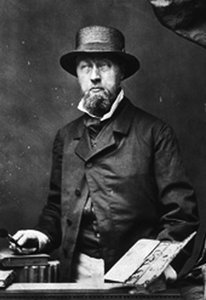
Johan Barthold Jongkind
1819 - 1891 , Países Bajos
Datos clave
- Artistas Influenciados: ['Claude Monet']
- Artistas Que Influyeron:
- Eugène Isabey
- François-Édouard Picot
- Lugar De Nacimiento: Lattrop-boekel, Países Bajos
- Movimiento Artístico: Impresionismo temprano
- Nacionalidad: Neerlandés
- Nombre Completo: Johan Barthold Jongkind
- Obras Notables:
- Luna sobre el canal
- Pinturas del Sena
Artículos relacionados

Paisajes Románticos: 10 Obras Maestras que Definieron un Movimiento Artístico
Descubre los 10 paisajes románticos más influyentes de artistas como Caspar David Friedrich y Turner. Explora la belleza, el simbolismo y las técnicas del movimiento romántico. Reproducciones de arte exclusivas en ArtsDot.com.

Los 10 Paisajes Más Icónicos de la Historia del Arte | ArtsDot
Descubre los 10 paisajes más emblemáticos de la historia del arte, desde Monet a Van Gogh. Explora su significado, técnica y belleza atemporal. Encuentra reproducciones de alta calidad e inspira tu hogar con ArtsDot.com.
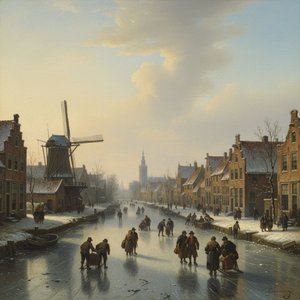
Charles Leickert: Capturing the Dutch Golden Age Light – A Comprehensive Study of Technique, Context, and Legacy
Explore the captivating winter landscapes of Charles Leickert, a master of Dutch Golden Age light & atmosphere. Discover his techniques, symbolism, and lasting legacy – a comprehensive study for art enthusiasts and collectors.
Golden Light & Dutch Skies: Bringing the Magic of Dutch Golden Age Landscapes into Your Home
Transform your home with the breathtaking light of Dutch Golden Age landscapes. Discover how hand-painted oil reproductions of masterworks like Ruisdael and Vermeer bring timeless elegance, atmosphere, and soulful texture to modern interiors. Elevate your space with museum-quality art.

Evocations of Place: A Historical Journey Through Landscape Art
Explore the rich history of landscape art with ArtsDot. Discover renowned artists, movements like Impressionism & Romanticism, and expert guidance for collecting timeless pieces. Find your perfect serene escape today!