

 Ver en contexto
 Enviar
 Compartir
 Detalles

 Descargar
 Similares
 Radiografía
 Presentación de diapositivas
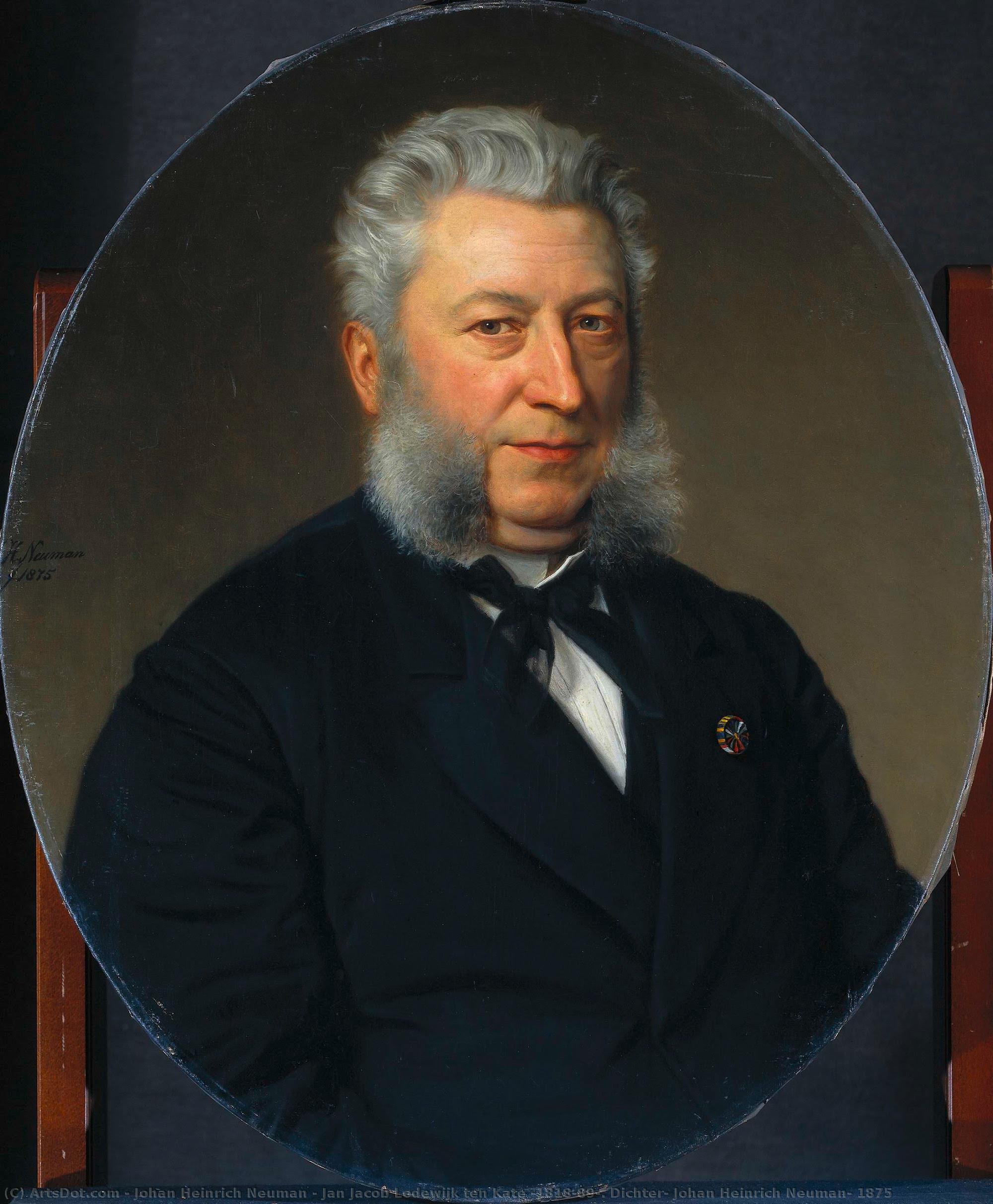
Jan Jacob Lodewijk ten Kate (1818-89). Dichter, Johan Heinrich Neuman, 1875
 1875
1875 76.0 x 63.0 cm
 Ver más
Reproducción al óleo hecha a mano
Óleo sobre lienzo pintado a mano en el tamaño y marco de su elección, realizado por encargo por nuestros artistas. ( Comprar impresión Comprar imagen)




































Elija entre nuestros tamaños predefinidos que respetan las proporciones originales de la obra.

Puede ingresar sus propias dimensiones para adaptarse a un marco o espacio específico. Si el tamaño seleccionado no coincide con las proporciones de la imagen original, recortaremos la obra o extenderemos la pintura con elementos adicionales pintados a mano. Se le enviará una maqueta digital para su aprobación antes de comenzar la producción.
Tenga en cuenta que la vista previa en pantalla no refleja el recorte o la extensión reales. Solo la maqueta mostrará con precisión la composición final.
Si bien existen tamaños personalizados, recomendamos seleccionar una dimensión de la lista predefinida para preservar las proporciones originales.
Tras realizar el pedido, el equipo de ArtsDot.com enviará un correo electrónico al cliente para solicitar instrucciones y proporcionarle una vista previa del boceto.
Envío a todo el mundo () en 3-4 semanas en lugar de las 5 semanas estándar. (3 septiembre). Sin comprometer la calidad.

Envío exprés gratuito a todo el mundo

Lienzo de lino de alta calidad

Seguro de envío total

Garantía de reembolso de impuestos aduaneros

Garantía de fidelidad cromática exacta

Política de devolución de 60 días (solo por defectos)

Garantía de devolución del 100% del dinero

Descuento por cantidad
 La opción de vidrio solo está disponible en tamaños inferiores a 110 cm.

Jan Jacob Lodewijk ten Kate (1818-89). Dichter, Johan Heinrich Neuman, 1875
Técnica de reproducción
Dimensiones de la reproducción
-


Precio total final
$ 263
Obras relacionadas






Biografía del artista
A Master of Dutch Portraiture: The Life and Art of Johan Heinrich Neuman
Johan Heinrich Neuman, born in Cologne in 1819 and passing away in 1898, was a prominent figure in the landscape of 19th-century Dutch painting. While perhaps not as widely celebrated today as some of his contemporaries, Neuman’s meticulous portraits offer a fascinating glimpse into the social and political currents of his time, revealing a skilled artist deeply attuned to both the formal demands of his craft and the character of his sitters. His life unfolded during a period of significant change in Dutch society—the transition from monarchy to constitutional rule—and his work reflects this evolving world, capturing the dignity and gravitas of those who shaped it. Neuman’s early life was steeped in artistic tradition; he was the son of Gerrit Neuman, a merchant, and Henriette Cornelia Nahuijs, and received his foundational training at the Royal Academy in Amsterdam. Here, he studied under esteemed artists like Louis Henri de Fontenay, Jan Adam Kruseman, and Nicolaas Pieneman, absorbing techniques that would define his signature style.Formative Years and Artistic Development
Neuman’s artistic journey was marked by a dedication to realism and an ability to capture subtle nuances of personality. He wasn't merely replicating likenesses; he sought to convey the inner life of those he painted. His early works, often genre scenes alongside his portraiture, demonstrate a keen eye for detail and composition. However, it was in the realm of portraiture that Neuman truly excelled. He married Aletta Catharina Petronella Elisabeth Theunisz in 1850, and their union brought forth Clasine Neuman, who herself became a painter, continuing the family’s artistic legacy. Throughout his career, Neuman remained connected to the artistic community through his membership in Arti et Amicitiae, participating in exhibitions of Living Masters and further solidifying his position within Dutch art circles. His portraits were often based on photographs, a relatively new technology at the time, which allowed for an unprecedented level of accuracy. While this commitment to realism was admired, some critics noted that his works could sometimes lack a certain warmth or emotional depth, prioritizing precision over expressive vitality.Capturing the Pillars of Dutch Society
Neuman’s clientele included prominent figures from across the political and social spectrum. He is particularly remembered for his portraits of individuals involved in the shaping of modern Netherlands. One notable example is his 1875 portrait of Pieter Mijer, then Governor-General of the Dutch East Indies. This painting exemplifies Neuman's formal style—dignified and precise, showcasing medals and rich detail that underscored Mijer’s authority and position. Equally compelling is his 1876 portrait of Jeanette Antoinette Pietermaat, Mijer’s wife. Here, Neuman demonstrates a mastery of oil-on-canvas technique, blending realism with romanticism to create an image of elegant composure. Perhaps one of his most historically significant works is the 1852 portrait of Johan Rudolph Thorbecke, the statesman credited with drafting the revised Constitution of the Netherlands in 1848. This portrait captures Thorbecke as a thoughtful and resolute leader—a visual testament to the man who laid the foundations for the country’s modern political system.Influences and Legacy
Neuman's artistic influences were diverse, reflecting his broad education and exposure to various styles. His early training instilled in him a respect for classical traditions, while his travels through Germany introduced him to the currents of historism and Romanticism. He absorbed elements from Venetian painting, particularly in his handling of light and color, evident in works like *Portrait of a Young Woman in a White Dress*. However, Neuman ultimately forged his own path, developing a distinctive style characterized by meticulous detail, formal composure, and a commitment to realism. While he may not have been an innovator in the same vein as some of his contemporaries, his portraits provide invaluable insights into the lives and personalities of those who shaped 19th-century Netherlands. His work serves as a visual record of a pivotal era—a time of political transformation and social change.- Technical Skill: Neuman’s mastery of oil painting techniques, particularly his attention to detail and use of glazing, ensured the longevity and quality of his works.
- Historical Documentation: His portraits offer a valuable glimpse into the appearance and character of prominent Dutch figures during a period of significant political change.
- Formal Composition: Neuman’s compositions are often characterized by their dignity, balance, and attention to symbolic detail.
A Lasting Impression
Though perhaps less celebrated in the broader art historical narrative, Johan Heinrich Neuman remains a significant figure in Dutch painting. His portraits stand as testaments to his technical skill, his keen eye for character, and his ability to capture the spirit of an era. His work continues to be studied and admired by scholars and collectors alike, offering a window into the lives and personalities of those who shaped the modern Netherlands. The enduring appeal of Neuman’s art lies in its quiet dignity, its meticulous detail, and its unwavering commitment to realism—qualities that continue to resonate with audiences today.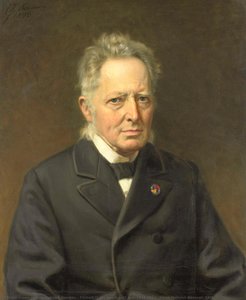
Datos clave
- Artistic Movement Or Style: Genre scenes, portraits
- Artists Who Influenced This Artist:
- Louis Henri de Fontenay
- Jan Adam Kruseman
- Nicolaas Pieneman
- Date Of Birth: 1819
- Date Of Death: Living
- Full Name: Johan Heinrich Neuman
- Nationality: Dutch
- Notable Artworks:
- Pieter Mijer (1875)
- Jeanette Pietermaat (1876)
- Thorbecke portrait (1852)
- Place Of Birth: Cologne, Germany

