

 Ver en contexto
 Enviar
 Compartir
 Detalles

 Descargar
 Similares
 Radiografía
 Presentación de diapositivas
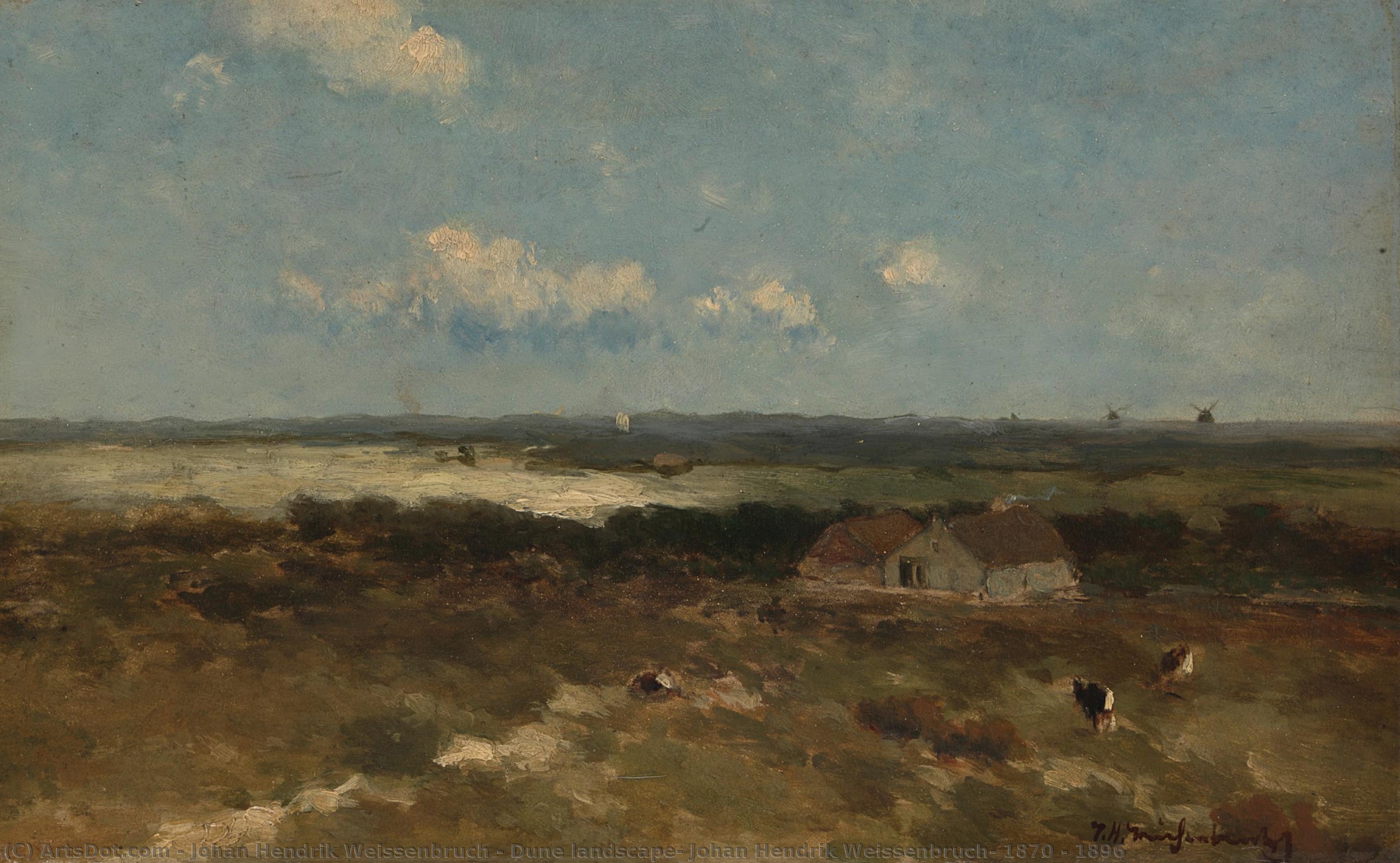
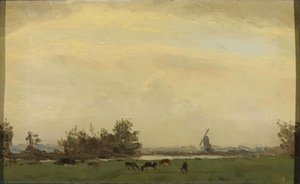
Dune landscape, Johan Hendrik Weissenbruch, 1870 - 1896
 Impressionism
 1896
1896 21.0 x 34.0 cm
 Ver más
Adquiera una imagen digital de alta resolución y optimizada, muy superior a la vista previa en línea.
Cada archivo es preparado meticulosamente por nuestros especialistas internos mediante el uso de herramientas avanzadas y un experto retoque manual. Nos aseguramos de que cada imagen posea una claridad excepcional, una precisión cromática impecable y un detalle minucioso.
El archivo final se entrega por correo electrónico en un plazo de 72 horas, optimizado para su uso inmediato en entornos profesionales, editoriales y de impresión. Esta es la misma calidad en la que confían los estudios de diseño, las editoriales y las galerías de primer nivel.
Imagen Digital
Descarga un archivo de alta resolución para exhibición personal, impresión y proyectos creativos. ( Comprar impresión Comprar pintura hecha a mano)
Incluido en cada pedido de imágenes digitales
Entrega digital experta, garantizada.
Al elegir ArtsDot.com, no solo está adquiriendo una imagen; está recibiendo una obra de arte digital mejorada profesionalmente, elaborada con precisión y respaldada por una garantía de satisfacción. Esto es todo lo que incluye su pedido, automáticamente:

Entrega rápida por email
Recibirá su archivo de imagen digital en alta resolución por correo electrónico en un plazo de 72 horas tras realizar su pedido, listo para su uso inmediato.

Archivo digital optimizado por IA
Su obra de arte se optimiza profesionalmente mediante herramientas avanzadas de IA y edición manual, garantizando el máximo detalle, claridad y precisión cromática.

Reenvío gratuito de por vida
¿Has borrado o perdido tu archivo por error? No te preocupes: te lo volveremos a enviar en cualquier momento, sin coste adicional.

Sin gastos de importación, siempre
Disfrute de su obra de arte al instante sin aduanas, aranceles ni gastos de envío; las descargas digitales siempre están libres de impuestos.

Garantía de fidelidad de color
Garantizamos que su imagen digital refleje los colores originales con la mayor fidelidad posible, mediante el uso de herramientas profesionales y gestión del color.

Garantía de satisfacción de 60 días
Si no está satisfecho con su imagen digital, la revisaremos o le reembolsaremos el 100% en un plazo de 60 días, sin preguntas.

100% Garantía de devolución de dinero
¿No está satisfecho? Obtenga un reembolso completo dentro de los 60 días posteriores a la recepción de su archivo digital, sin necesidad de explicaciones.

Descuentos por pedidos grandes
Compra 3 imágenes, ahorra 10% - Compra 5, ahorra 15% - Compra 10+, ahorra 20%. Ideal para proyectos creativos, galerías y agencias.
Descripción del coleccionable
Obras relacionadas
Biografía del artista
Early Life and Training
Jan Hendrik Weissenbruch, born June 19, 1824, in The Hague, Netherlands, descended from a family steeped in artistic tradition. His father, Johannes Weissenbruch, was a chef and restaurateur who possessed a passion for painting—a hobby that instilled in young Jan Hendrik an early appreciation for visual art. Among his father’s collection were notable works by Andreas Schelfhout and Bartholomäus van Hove, artists whose atmospheric landscapes profoundly influenced Weissenbruch's formative years. This exposure to celebrated painters shaped his artistic sensibilities from the outset. Johannes Low, a respected drawing instructor, recognized Jan Hendrik’s talent and provided him with invaluable training in 1843. Simultaneously, he enrolled in evening classes taught by Bartholomäus van Hove at the Hague Academy of Art, furthering his artistic education within a vibrant artistic milieu.Artistic Style and Influences
Weissenbruch’s initial artistic style mirrored the Romantic School's aesthetic—particularly Schelfhout’s meticulous attention to detail. His landscapes captured the grandeur of Dutch skies with remarkable precision, reflecting Schelfhout’s admiration for Jacob van Ruisdael, whom he encountered at a young age during a visit to the Mauritshuis in The Hague. This encounter solidified Weissenbruch's fascination with seventeenth-century landscape painting and its expressive qualities. As his artistic vision matured, Weissenbruch gradually embraced looser brushstrokes and broader color palettes—techniques that imbued his paintings with an ethereal atmosphere reminiscent of Ruisdael’s monumental canvases. He skillfully blended Romantic idealism with Impressionistic observation, creating a distinctive style that resonated deeply within the Hague School movement.Notable Works
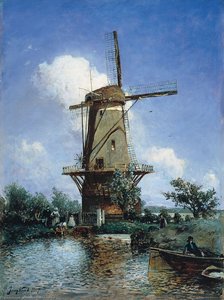
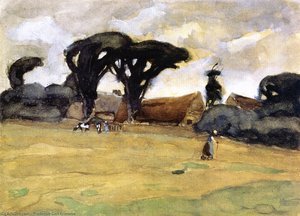
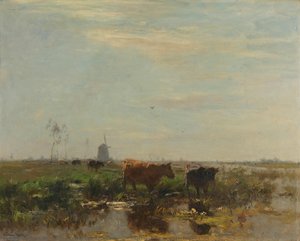
Weissenbruch's oeuvre encompasses a diverse range of landscapes and genre scenes—primarily watercolors—that exemplify his mastery of capturing the beauty of the Dutch countryside. Among his most celebrated paintings are “Road Near The Canal,” depicting a tranquil waterway bordered by lush vegetation; “Landscape With Mill Near Schiedam,” showcasing a picturesque windmill amidst rolling hills; and “Forest View Near Barbizon,” an homage to Impressionist techniques applied to French landscapes. These works demonstrate Weissenbruch’s ability to convey mood and atmosphere with remarkable subtlety—a hallmark of his artistic approach. His meticulous observation of light and color, combined with expressive brushwork, cemented his reputation as one of the Hague School's foremost practitioners.Legacy
Jan Hendrik Weissenbruch stands as a pivotal figure in Dutch art history—a cornerstone of the Hague School, which flourished between 1860 and 1900. His watercolors are characterized by their delicate brushstrokes and profound sensitivity to natural light—qualities that continue to inspire artists today. He was recognized as one of the most important painters of his time, earning acclaim both domestically and internationally. Weissenbruch’s influence extended beyond his own artistic output; he mentored prominent artists such as Anton Mauve and Victor Bauffe, shaping the trajectory of Dutch landscape painting for decades to come. His legacy resides not only in his stunning visual creations but also in his contribution to fostering a distinctive artistic tradition—one that prioritizes observation, emotion, and the evocative portrayal of nature’s grandeur. Weissenbruch's paintings can be found in museums across Europe, including the Rijksmuseum Amsterdam and the Mauritshuis, ensuring that his artistic vision endures for generations.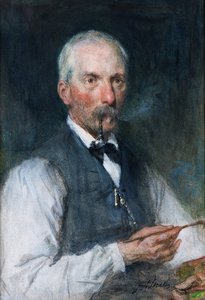
Jan Hendrik Weissenbruch
1824 - 1903 , Países Bajos
Breves datos
- Artistic Movement Or Style: Escuela de La Haya
- Artists Who Influenced This Artist:
- Andreas Schelfhout
- Jacob van Ruisdael
- Date Of Birth: 19 junio 1824
- Full Name: Jan Hendrik Weissenbruch
- Nationality: Holandés
- Notable Artworks:
- Camino cerca del canal
- Paisaje con molino cerca de Schiedam
- Vista de Barbizon
- Place Of Birth: La Haya, Países Bajos

