

 Ver en contexto
 Enviar
 Compartir
 Detalles

 Descargar
 Similares
 Radiografía
 Presentación de diapositivas
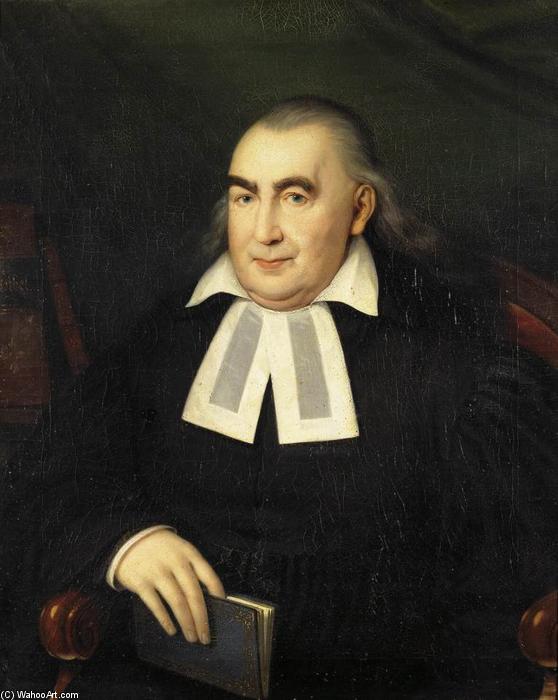
Portrait of a Pastor
 Oil
Oil- WallArt
- Romantic Portraiture
 19th Century
 80.0 x 65.0 cm
 Museo del Hermitage
 Ver más
Giclée / Impresión de arte
Impresiones giclée o en lienzo de calidad de museo con producción rápida y opciones de acabado flexibles. ( Comprar pintura hecha a mano Comprar imagen)




P118B $10

P118H $10

P118W $10

P438Z $10

P508JH $12

P508YH $12

P805H $10

P805Z $10

P919BZ $10

P919G $10

P919XJ $10

P959ZH $10

P968JZ $12

W106C $8

W218G $10

W218JH $8

W218Y $10

W307PJ $10

W316G $10

W316PJ $8

W316Y $10

W398PJ $8

W4111J $10

W500HY $15

W500JH $15

W692G $12

W849H $8

W940BG $15

W953PJ $8




Elija entre nuestros tamaños predefinidos que respetan las proporciones originales de la obra.

Puede introducir sus propias dimensiones para adaptarse a un marco o espacio específico. Si el tamaño seleccionado no coincide con las proporciones de la imagen original, recortaremos la obra de arte o extenderemos la imagen con un borde con efecto espejo o de color sólido. Se enviará una maqueta digital para su aprobación antes de que comience la producción.
Tenga en cuenta que la vista previa en pantalla no refleja el recorte o la extensión real. Solo la maqueta mostrará con precisión la composición final.
Aunque existen tamaños personalizados, recomendamos seleccionar una dimensión de la lista predefinida para preservar las proporciones originales.
Envío a todo el mundo () en 2 semanas en lugar de las 4/5 semanas estándar. (29 agosto)

Envío exprés gratuito a todo el mundo

Lienzo de lino de alta calidad

Seguro de envío total

Garantía de reembolso de impuestos aduaneros

Garantía de fidelidad cromática exacta

Política de devolución de 60 días (solo por defectos)

Garantía de devolución del 100% del dinero

Descuento por cantidad
 La opción de vidrio solo está disponible en tamaños inferiores a 110 cm.

Portrait of a Pastor
Giclée / Impresión de arte
Dimensiones de la reproducción
-


Precio total final
$ 62
A Moment of Divine Contemplation
In the quietude of this masterful portrait, we encounter a figure that transcends time, inviting the viewer into a space of profound spiritual stillness. Johann Baptist II Lampi, a virtuoso of the late 18th and early 19th centuries, captures not merely the likeness of a clergyman, but the very essence of a life dedicated to faith. The subject, a pastor of mature years, sits enveloped in a soft, atmospheric shadow that allows his presence to emerge with striking clarity. His attire—a stark, crisp white collar set against the deep, somber tones of a black coat—serves as a visual metaphor for the purity and solemnity of his calling. As he holds an open book, likely a sacred text, the light catches the edges of the pages, suggesting that the wisdom contained within is being actively meditated upon in this very moment.
The emotional resonance of the piece lies in the subtle interplay between the subject's gaze and his expression. There is no performative grandeur here; instead, Lampi employs a delicate touch to render a slight, serene smile and eyes that meet the observer with an intimate, knowing warmth. This creates a psychological bridge between the historical figure and the modern collector, transforming the painting from a mere historical document into a living presence. For those looking to curate a space of reflection, such as a private library, study, or a sophisticated lounge, this portrait offers a sense of groundedness and intellectual depth that only a classical masterpiece can provide.
Mastery of Light and Neoclassical Grace
Technically, the work is a testament to Lampi’s rigorous training under the traditions of the Vienna Academy. The artist utilizes a sophisticated chiaroscuro technique, where the dramatic contrast between light and dark directs the eye toward the most vital elements: the weathered texture of the man's skin, the silvered strands of his hair, and the luminous white of his clerical collar. Every brushstroke serves to build volume and dimension, giving the subject a sculptural quality that feels remarkably tactile. The fine detailing in the facial features—the gentle creases around the eyes and the well-groomed beard—demonstrates a level of precision that speaks to the high standards of portraiture during the transition from the Rococo to the more disciplined Neoclassical era.
Beyond its technical brilliance, the painting functions as a cornerstone for interior design, offering a timeless elegance that complements both traditional and contemporary settings. The dark, muted palette allows it to integrate seamlessly into richly textured rooms featuring heavy velvets, dark woods, or even minimalist modern galleries where a single, powerful focal point is desired. To possess a reproduction of this caliber is to bring a piece of European history into the home, evoking an era of profound dignity and quiet strength. It is an invitation to slow down, to breathe, and to find beauty in the silent, contemplative moments of life.
Obras relacionadas
Biografía del artista
Johann Baptist II Lampi: Vida y Legado
Primeros Años y Formación Artística
- Johann Baptist II Lampi nació el 31 de diciembre de 1751, en Romeno, Tirol (actual Italia/Austria).
- Provenía de una familia de artistas; su padre, Matteo (Mattia) Lampi, era un pintor decorativo conocido por sus frescos.
- Lampi estudió inicialmente arte bajo la tutela de su padre en Verona y posteriormente continuó su educación en Salzburgo.
- En 1773, se trasladó a Trento donde perfeccionó sus habilidades como retratista trabajando con lienzos y miniaturas.
Desarrollo Profesional y Viena
- Lampi viajó por Innsbruck y finalmente se asentó en Viena en 1786.
- Su talento fue reconocido, y el Emperador José II lo nombró profesor en la Academia de Viena.
- El mismo año, recibió una invitación para trabajar para el Rey Stanisław II Augusto en Varsovia, marcando un punto de inflexión significativo en su carrera.
Varsovia y El Imperio Ruso
- Lampi prosperó en Varsovia hasta que las particiones de Polonia interrumpieron la vida artística allí.
- En 1791, se trasladó a San Petersburgo, Rusia, donde la Emperatriz Catalina II le otorgó un cabalgao hereditario.
- Esta mudanza resultó increíblemente lucrativa; Lampi se convirtió en muy solicitado por sus habilidades de retratista entre la nobleza rusa.
- Pintó a figuras prominentes incluyendo a la Emperatriz Catalina II y a la Emperatriz María Feodorovna.
Regreso a Viena y Vida Tardía
- Lampi regresó a Viena en 1797, convirtiéndose en ciudadano honorario de la ciudad en 1799.
- Recibió una pensión en 1822 y falleció el 11 de febrero de 1830, en Viena.
Estilo Artístico e Influencias
- El estilo de Lampi se caracteriza por retratos realistas con atención al detalle y una elegancia refinada.
- Fue influenciado por las habilidades de pintura decorativa de su padre y las tendencias artísticas predominantes del siglo XVIII, incluyendo el Neoclasicismo.
- Su obra a menudo refleja la grandeza y el estatus de sus modelos aristocráticos.
Legado Familiar e Hijos
- Ambos hijos de Lampi siguieron sus pasos como pintores talentosos.
- Johann Baptist III Lampi pasó tiempo con su padre en Rusia, continuando la tradición familiar allí.
- Francesco (Franz Xaver) Lampi se estableció en Varsovia y se hizo conocido como Franciszek Ksawery Lampi, estableciéndose como un artista prominente en Polonia.
Logros Principales e Importancia Histórica
- Los retratos de Lampi proporcionan valiosas perspectivas sobre la vida y las apariencias de la nobleza europea durante un período de importantes cambios políticos y sociales.
- Su éxito en Viena, Varsovia y San Petersburgo demuestra su adaptabilidad y habilidad artística.
- Jugó un papel clave en el establecimiento del retrato como una forma de arte prestigiosa dentro del Palacio Imperial Ruso.
- Su obra sigue siendo parte importante del patrimonio artístico de Austria, Polonia y Rusia.

Johann Baptist II Lampi
1751 - 1830 , Austria
Datos clave
- Artistic Movement Or Style: Pintura Histórica
- Artists Or Movements Influenced By This Artist: ['Neoclasicismo']
- Artists Who Influenced This Artist: ['Matteo Lampi']
- Date Of Birth: 1751-12-31
- Date Of Death: 1830-02-11
- Full Name: Johann Baptist II Lampi
- Nationality: Austríaco-Italiano
- Notable Artworks:
- Retrato de Catalina II
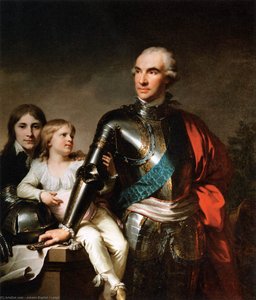
- Conde Stanisław Felix Potocki y sus Dos Hijos
- Place Of Birth: Romeno, Tirol
Artículos relacionados
Idyllic Visions: Exploring the Pastoral Tradition in Western Art – Themes, Techniques & Enduring Appeal
Explore the rich history of pastoral art from classical Arcadia to contemporary interpretations. Discover key artists, themes & collecting tips at ArtsDot.
Idyllic Visions: Exploring the Pastoral Scene in Art History – From Arcadia to Modern Interpretations
Explore the captivating history of pastoral art from classical Arcadia to modern masterpieces. Discover key artists like Millet & Cole at ArtsDot. Find serene landscape paintings for your home.
Jean-Baptiste Pater: Rococo Charm & Ephemeral Beauty of 18th-Century France
Explore the captivating world of Jean-Baptiste Pater, a master of Rococo painting. Discover his elegant *fête galante* scenes and shimmering portraits – a glimpse into 18th-century French aristocracy. Learn about his legacy & find high-quality reproductions.
El Siglo XVIII en el Arte: 10 Obras Maestras para Decorar con Historia y Elegancia
Descubre 10 obras maestras del siglo XVIII: Goya, Fragonard y más. Explora la historia, el arte barroco, rococó y neoclasicismo que inspiran decoración elegante. Reproducciones de alta calidad en ArtsDot.com.

Idyllic Visions: Exploring Pastoral Scenes in Art History – From Arcadia to Modern Interpretations
Explore the captivating history of pastoral art, from classical Arcadia to 19th-century masterpieces. Discover key artists like Millet & Cole and find serene landscape paintings for your home at ArtsDot.

