

 Ver en contexto
 Enviar
 Compartir
 Detalles

 Descargar
 Similares
 Radiografía
 Presentación de diapositivas
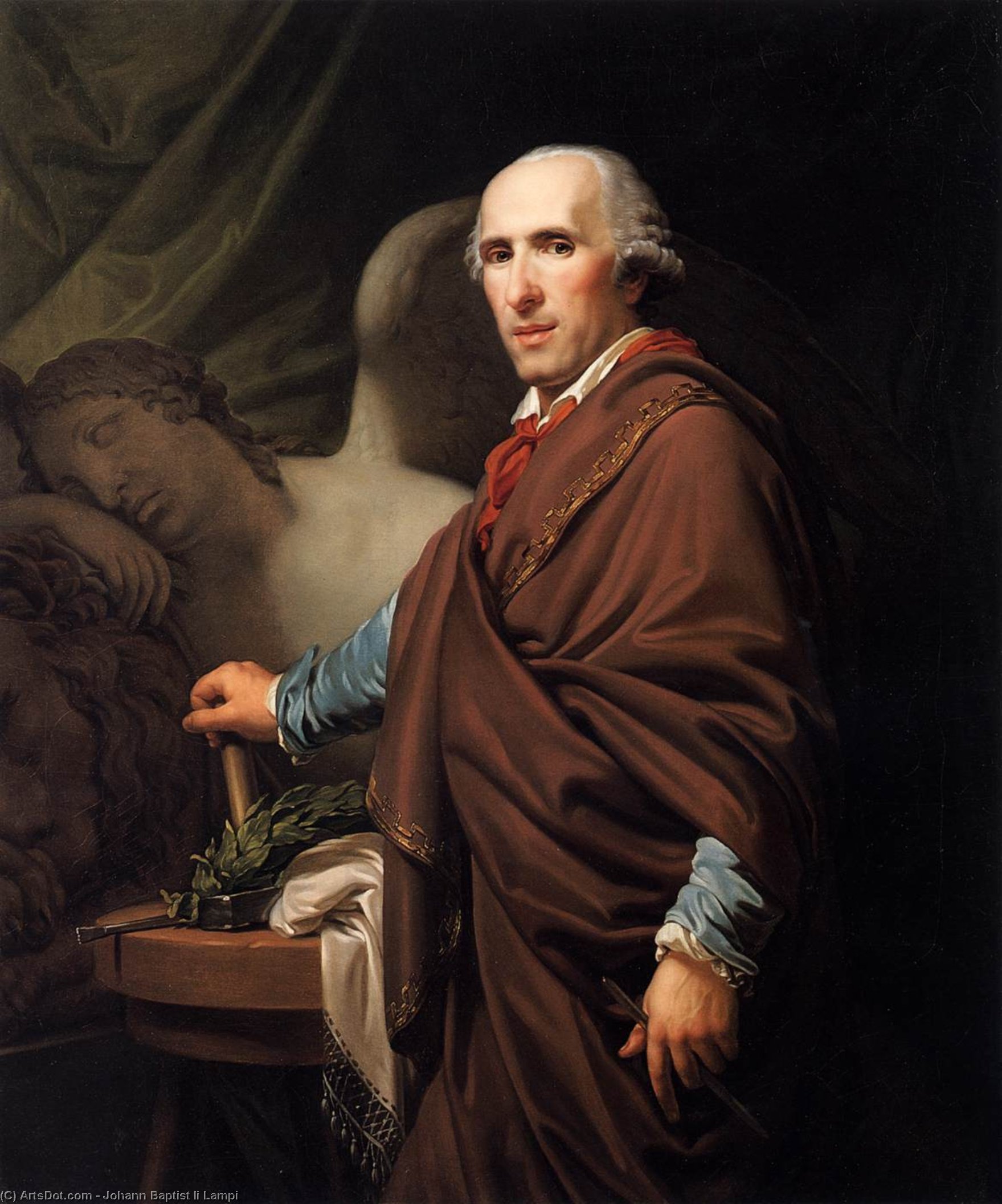
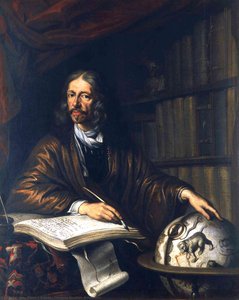
Portrait of Antonio Canova
 Oil On Canvas
- WallArt
- Neoclassical
 113.0 x 93.0 cm
 Academia de Artes Visuales de Viena
 Ver más
Giclée / Impresión de arte
Impresiones giclée o en lienzo de calidad de museo con producción rápida y opciones de acabado flexibles. ( Comprar pintura hecha a mano Comprar imagen)




P118B $10

P118H $10

P118W $10

P438Z $10

P508JH $12

P508YH $12

P805H $10

P805Z $10

P919BZ $10

P919G $10

P919XJ $10

P959ZH $10

P968JZ $12

W106C $8

W218G $10

W218JH $8

W218Y $10

W307PJ $10

W316G $10

W316PJ $8

W316Y $10

W398PJ $8

W4111J $10

W500HY $15

W500JH $15

W692G $12

W849H $8

W940BG $15

W953PJ $8




Elija entre nuestros tamaños predefinidos que respetan las proporciones originales de la obra.

Puede introducir sus propias dimensiones para adaptarse a un marco o espacio específico. Si el tamaño seleccionado no coincide con las proporciones de la imagen original, recortaremos la obra de arte o extenderemos la imagen con un borde con efecto espejo o de color sólido. Se enviará una maqueta digital para su aprobación antes de que comience la producción.
Tenga en cuenta que la vista previa en pantalla no refleja el recorte o la extensión real. Solo la maqueta mostrará con precisión la composición final.
Aunque existen tamaños personalizados, recomendamos seleccionar una dimensión de la lista predefinida para preservar las proporciones originales.
Envío a todo el mundo () en 2 semanas en lugar de las 4/5 semanas estándar. (1 septiembre)

Envío exprés gratuito a todo el mundo

Lienzo de lino de alta calidad

Seguro de envío total

Garantía de reembolso de impuestos aduaneros

Garantía de fidelidad cromática exacta

Política de devolución de 60 días (solo por defectos)

Garantía de devolución del 100% del dinero

Descuento por cantidad
 La opción de vidrio solo está disponible en tamaños inferiores a 110 cm.

Portrait of Antonio Canova
Giclée / Impresión de arte
Dimensiones de la reproducción
-


Precio total final
$ 62
The Enigmatic Gaze: Antonio Canova’s Portrait by Johann Baptist Lampi
Johann Baptist II Lampi's 1806 portrait of Antonio Canova is more than just a likeness; it’s a carefully constructed meditation on artistic genius, contemplation, and the very nature of creative inspiration. Housed within the hallowed halls of the Academy of Fine Arts Vienna, this oil-on-canvas masterpiece offers a rare glimpse into the mind of one of history's most celebrated sculptors, capturing Canova not merely as a figure, but as a man wrestling with his craft and the profound weight of artistic legacy.
Lampi’s skill lies in his masterful manipulation of light and shadow. The muted palette—a symphony of browns, grays, and subtle ochres—creates an atmosphere of quiet introspection. The artist doesn't employ dramatic contrasts; instead, he builds depth through delicate gradations, drawing the viewer into Canova’s world. Notice how the folds of the red cape seem to absorb light, while the highlights on the wig and face subtly illuminate his features, emphasizing a thoughtful expression. This restrained approach is characteristic of Lampi's style, rooted in the Neoclassical tradition but imbued with a distinctly personal sensitivity.
A Sculptor’s Moment
Canova himself, rendered in exquisite detail, appears lost in thought. His gaze is directed slightly off-camera, suggesting an engagement with something beyond the immediate scene—perhaps a memory, a concept, or simply the silent dialogue of his own creative process. The subtle furrow of his brow and the slight parting of his lips hint at the intensity of his concentration. The pose itself – seated, relaxed yet alert – is deliberately unostentatious, reflecting Canova’s preference for understated elegance in his work. It's a portrait that captures not just an appearance, but a state of mind.
Adding to the intrigue are the two angelic figures flanking Canova. These aren’t merely decorative elements; they represent the divine inspiration that fueled Canova’s extraordinary talent. Their presence elevates the portrait beyond a simple likeness, transforming it into a symbolic representation of the artist's relationship with his muse – a connection between human creativity and the realm of the sublime. The angels, rendered in a delicate, ethereal style, seem to offer silent encouragement, reinforcing the notion that Canova’s genius was not solely his own but bestowed upon him by a higher power.
Historical Context & Artistic Legacy
Lampi's portrait emerged during a pivotal period in European art history – the height of Neoclassicism. Inspired by the rediscovery of classical antiquity, artists like Canova sought to emulate the ideals of balance, harmony, and proportion that characterized Greek and Roman sculpture. Lampi’s work reflects this influence, evident in the carefully structured composition, the idealized features of Canova, and the overall sense of dignified restraint.
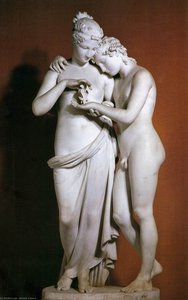
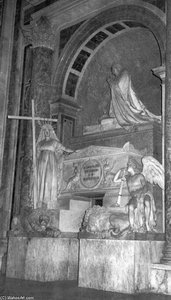
The portrait itself is a testament to Canova's own legacy. He was a titan of his time, renowned for sculptures such as “Pauline Bonaparte” and “Psyche Revived by Cupid’s Kiss.” Lampi’s depiction captures not only Canova’s physical appearance but also the aura of genius that surrounded him – a man who shaped the aesthetic sensibilities of an entire era. The work is further enriched by its connection to other significant pieces, such as the tomb sculpture of Maria Christina of Austria, which features a similar composition and thematic resonance.
Collecting a Masterpiece
Today, reproductions of Lampi’s “Portrait of Antonio Canova” offer art enthusiasts and collectors an opportunity to experience this remarkable work firsthand. ArtsDot specializes in meticulously crafted oil painting reproductions that faithfully capture the nuances of Lampi's original technique – from the subtle shading to the delicate brushstrokes. These reproductions are not mere copies; they are artistic interpretations, created by skilled artisans who share a deep appreciation for the beauty and power of this iconic portrait. Consider adding this evocative piece to your collection—a tangible reminder of the enduring legacy of Antonio Canova and Johann Baptist Lampi.
Obras relacionadas

Biografía del artista
Johann Baptist II Lampi: Vida y Legado
Primeros Años y Formación Artística
- Johann Baptist II Lampi nació el 31 de diciembre de 1751, en Romeno, Tirol (actual Italia/Austria).
- Provenía de una familia de artistas; su padre, Matteo (Mattia) Lampi, era un pintor decorativo conocido por sus frescos.
- Lampi estudió inicialmente arte bajo la tutela de su padre en Verona y posteriormente continuó su educación en Salzburgo.
- En 1773, se trasladó a Trento donde perfeccionó sus habilidades como retratista trabajando con lienzos y miniaturas.
Desarrollo Profesional y Viena
- Lampi viajó por Innsbruck y finalmente se asentó en Viena en 1786.
- Su talento fue reconocido, y el Emperador José II lo nombró profesor en la Academia de Viena.
- El mismo año, recibió una invitación para trabajar para el Rey Stanisław II Augusto en Varsovia, marcando un punto de inflexión significativo en su carrera.
Varsovia y El Imperio Ruso
- Lampi prosperó en Varsovia hasta que las particiones de Polonia interrumpieron la vida artística allí.
- En 1791, se trasladó a San Petersburgo, Rusia, donde la Emperatriz Catalina II le otorgó un cabalgao hereditario.
- Esta mudanza resultó increíblemente lucrativa; Lampi se convirtió en muy solicitado por sus habilidades de retratista entre la nobleza rusa.
- Pintó a figuras prominentes incluyendo a la Emperatriz Catalina II y a la Emperatriz María Feodorovna.
Regreso a Viena y Vida Tardía
- Lampi regresó a Viena en 1797, convirtiéndose en ciudadano honorario de la ciudad en 1799.
- Recibió una pensión en 1822 y falleció el 11 de febrero de 1830, en Viena.
Estilo Artístico e Influencias
- El estilo de Lampi se caracteriza por retratos realistas con atención al detalle y una elegancia refinada.
- Fue influenciado por las habilidades de pintura decorativa de su padre y las tendencias artísticas predominantes del siglo XVIII, incluyendo el Neoclasicismo.
- Su obra a menudo refleja la grandeza y el estatus de sus modelos aristocráticos.
Legado Familiar e Hijos
- Ambos hijos de Lampi siguieron sus pasos como pintores talentosos.
- Johann Baptist III Lampi pasó tiempo con su padre en Rusia, continuando la tradición familiar allí.
- Francesco (Franz Xaver) Lampi se estableció en Varsovia y se hizo conocido como Franciszek Ksawery Lampi, estableciéndose como un artista prominente en Polonia.
Logros Principales e Importancia Histórica
- Los retratos de Lampi proporcionan valiosas perspectivas sobre la vida y las apariencias de la nobleza europea durante un período de importantes cambios políticos y sociales.
- Su éxito en Viena, Varsovia y San Petersburgo demuestra su adaptabilidad y habilidad artística.
- Jugó un papel clave en el establecimiento del retrato como una forma de arte prestigiosa dentro del Palacio Imperial Ruso.
- Su obra sigue siendo parte importante del patrimonio artístico de Austria, Polonia y Rusia.

Johann Baptist II Lampi
1751 - 1830 , Austria
Datos clave
- Artistic Movement Or Style: Pintura Histórica
- Artists Or Movements Influenced By This Artist: ['Neoclasicismo']
- Artists Who Influenced This Artist: ['Matteo Lampi']
- Date Of Birth: 1751-12-31
- Date Of Death: 1830-02-11
- Full Name: Johann Baptist II Lampi
- Nationality: Austríaco-Italiano
- Notable Artworks:
- Retrato de Catalina II
- Conde Stanisław Felix Potocki y sus Dos Hijos
- Place Of Birth: Romeno, Tirol
Artículos relacionados
Antonio Canova: Neoclassical Sculpture & the Pursuit of Emotional Perfection
Explore the life & art of Antonio Canova, the greatest Neoclassical sculptor. Discover his masterpieces, innovative techniques, and lasting influence on fine art collecting. Expert insights for discerning investors.

Esculturas de Bronce Legendarias: 10 Obras Maestras que Transformaron el Arte | ArtsDot
Descubre las 10 esculturas de bronce más legendarias que revolucionaron el arte. Explora la historia de Rodin, Degas y otros maestros del bronce. Encuentra reproducciones de alta calidad e inspiración para tu hogar en ArtsDot.com.

The Enduring Form: Exploring Themes & Techniques in Sculpture Across Historical Periods
Explore the rich history of sculpture from ancient masterpieces to contemporary innovations. Discover key techniques, influential artists & investment potential for discerning art collectors.

The Enduring Form: Sculpture Across History, Technique & Emotional Resonance
Explore the rich history of sculpture with ArtsDot. Discover key techniques, influential artists & investment potential for discerning collectors. Expert insights into valuing and collecting timeless masterpieces.

Las 10 Obras Maestras de Bronce que Revolucionaron la Historia del Arte | ArtsDot
Descubre las 10 esculturas de bronce más influyentes de la historia del arte. Explora obras maestras de Rodin, Degas y otros genios. Encuentra reproducciones de arte de calidad museo en ArtsDot.com.

