

 Ver en contexto
 Enviar
 Compartir
 Detalles

 Descargar
 Similares
 Radiografía
 Presentación de diapositivas
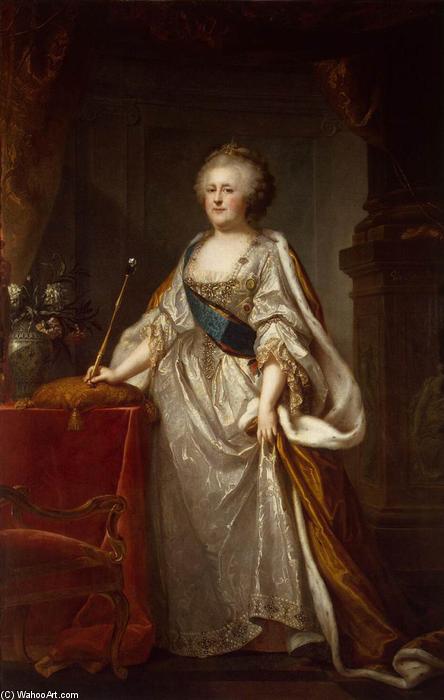
Portrait of Catherine II
 Oil On Canvas
- WallArt
- Baroque
 1794
1794- Early Modern
 230.0 x 132.0 cm
 Museo del Hermitage
 Ver más
Giclée / Impresión de arte
Impresiones giclée o en lienzo de calidad de museo con producción rápida y opciones de acabado flexibles. ( Comprar pintura hecha a mano Comprar imagen)




P118B $10

P118H $10

P118W $10

P438Z $10

P508JH $12

P508YH $12

P805H $10

P805Z $10

P919BZ $10

P919G $10

P919XJ $10

P959ZH $10

P968JZ $12

W106C $8

W218G $10

W218JH $8

W218Y $10

W307PJ $10

W316G $10

W316PJ $8

W316Y $10

W398PJ $8

W4111J $10

W500HY $15

W500JH $15

W692G $12

W849H $8

W940BG $15

W953PJ $8




Elija entre nuestros tamaños predefinidos que respetan las proporciones originales de la obra.

Puede introducir sus propias dimensiones para adaptarse a un marco o espacio específico. Si el tamaño seleccionado no coincide con las proporciones de la imagen original, recortaremos la obra de arte o extenderemos la imagen con un borde con efecto espejo o de color sólido. Se enviará una maqueta digital para su aprobación antes de que comience la producción.
Tenga en cuenta que la vista previa en pantalla no refleja el recorte o la extensión real. Solo la maqueta mostrará con precisión la composición final.
Aunque existen tamaños personalizados, recomendamos seleccionar una dimensión de la lista predefinida para preservar las proporciones originales.
Envío a todo el mundo () en 2 semanas en lugar de las 4/5 semanas estándar. (31 agosto)

Envío exprés gratuito a todo el mundo

Lienzo de lino de alta calidad

Seguro de envío total

Garantía de reembolso de impuestos aduaneros

Garantía de fidelidad cromática exacta

Política de devolución de 60 días (solo por defectos)

Garantía de devolución del 100% del dinero

Descuento por cantidad
 La opción de vidrio solo está disponible en tamaños inferiores a 110 cm.

Portrait of Catherine II
Giclée / Impresión de arte
Dimensiones de la reproducción
-


Precio total final
$ 62
The Radiance of Sovereignty: A Glimpse into Lampi’s Imperial Vision
In the grand tapestry of late eighteenth-century portraiture, few works capture the intersection of absolute power and refined elegance as profoundly as Johann Baptist II Lampi’s Portrait of Catherine II. Painted in 1794, this masterpiece serves as a breathtaking window into the era of Enlightenment monarchs, where every brushstroke was calculated to project stability, wisdom, and divine right. The subject, draped in a luminous white gown that seems to catch the very light of the imperial court, stands as a testament to the enduring legacy of the Russian Empress. Lampi, a master who honed his craft from the frescoed halls of Tyrol to the prestigious Vienna Academy, utilizes a sophisticated palette to create a sense of tactile reality, making the silk of her dress and the shimmer of her gold sash feel almost tangible to the viewer.
The composition is a masterful study in balance and symbolic weight. As the Empress holds a scepter or cane in one hand and a globe-like orb in the other, Lampi invokes the ancient iconography of terrestrial and celestial dominion. These are not merely accessories; they are the heavy anchors of her political identity. The subtle interplay of light across the white fabric creates a rhythmic movement that draws the eye upward toward the crown, the ultimate symbol of her ascended status. Behind this central figure, the setting—a refined arrangement of chairs and a dining table—suggests an intimate yet formal domesticity, grounding the monumental nature of the monarch within the sophisticated reality of palace life.
Technique and the Art of Presence
Lampi’s technical prowess is on full display through his ability to manipulate texture and depth. The artist employs a refined Neoclassical technique, characterized by smooth transitions and a clear, luminous finish that avoids the heavy shadows of the preceding Baroque era. This clarity allows for an emotional intimacy; despite her immense power, there is a palpable human presence in Catherine’s gaze. For the discerning collector or interior designer, this painting offers more than just historical interest—it provides a focal point of unparalleled dignity. The way the light interacts with the gold accents and the crisp whites makes it a versatile piece for high-end decor, capable of anchoring a room with a sense of timelessness and prestige.
To possess a reproduction of this caliber is to invite a conversation about history, grace, and the enduring strength of the human spirit into one's personal space. Whether placed in a formal library or a grand dining hall, the Portrait of Catherine II acts as a silent, commanding witness to the grandeur of the past. It is an investment in atmosphere, bringing the sophisticated aesthetic of the 1790s Viennese and Warsaw courts into the modern era, reminding all who behold it of the beauty found in the marriage of authority and artistry.
Obras relacionadas

Biografía del artista
Johann Baptist II Lampi: Vida y Legado
Primeros Años y Formación Artística
- Johann Baptist II Lampi nació el 31 de diciembre de 1751, en Romeno, Tirol (actual Italia/Austria).
- Provenía de una familia de artistas; su padre, Matteo (Mattia) Lampi, era un pintor decorativo conocido por sus frescos.
- Lampi estudió inicialmente arte bajo la tutela de su padre en Verona y posteriormente continuó su educación en Salzburgo.
- En 1773, se trasladó a Trento donde perfeccionó sus habilidades como retratista trabajando con lienzos y miniaturas.
Desarrollo Profesional y Viena
- Lampi viajó por Innsbruck y finalmente se asentó en Viena en 1786.
- Su talento fue reconocido, y el Emperador José II lo nombró profesor en la Academia de Viena.
- El mismo año, recibió una invitación para trabajar para el Rey Stanisław II Augusto en Varsovia, marcando un punto de inflexión significativo en su carrera.
Varsovia y El Imperio Ruso
- Lampi prosperó en Varsovia hasta que las particiones de Polonia interrumpieron la vida artística allí.
- En 1791, se trasladó a San Petersburgo, Rusia, donde la Emperatriz Catalina II le otorgó un cabalgao hereditario.
- Esta mudanza resultó increíblemente lucrativa; Lampi se convirtió en muy solicitado por sus habilidades de retratista entre la nobleza rusa.
- Pintó a figuras prominentes incluyendo a la Emperatriz Catalina II y a la Emperatriz María Feodorovna.
Regreso a Viena y Vida Tardía
- Lampi regresó a Viena en 1797, convirtiéndose en ciudadano honorario de la ciudad en 1799.
- Recibió una pensión en 1822 y falleció el 11 de febrero de 1830, en Viena.
Estilo Artístico e Influencias
- El estilo de Lampi se caracteriza por retratos realistas con atención al detalle y una elegancia refinada.
- Fue influenciado por las habilidades de pintura decorativa de su padre y las tendencias artísticas predominantes del siglo XVIII, incluyendo el Neoclasicismo.
- Su obra a menudo refleja la grandeza y el estatus de sus modelos aristocráticos.
Legado Familiar e Hijos
- Ambos hijos de Lampi siguieron sus pasos como pintores talentosos.
- Johann Baptist III Lampi pasó tiempo con su padre en Rusia, continuando la tradición familiar allí.
- Francesco (Franz Xaver) Lampi se estableció en Varsovia y se hizo conocido como Franciszek Ksawery Lampi, estableciéndose como un artista prominente en Polonia.
Logros Principales e Importancia Histórica
- Los retratos de Lampi proporcionan valiosas perspectivas sobre la vida y las apariencias de la nobleza europea durante un período de importantes cambios políticos y sociales.
- Su éxito en Viena, Varsovia y San Petersburgo demuestra su adaptabilidad y habilidad artística.
- Jugó un papel clave en el establecimiento del retrato como una forma de arte prestigiosa dentro del Palacio Imperial Ruso.
- Su obra sigue siendo parte importante del patrimonio artístico de Austria, Polonia y Rusia.

Johann Baptist II Lampi
1751 - 1830 , Austria
Datos clave
- Artistic Movement Or Style: Pintura Histórica
- Artists Or Movements Influenced By This Artist: ['Neoclasicismo']
- Artists Who Influenced This Artist: ['Matteo Lampi']
- Date Of Birth: 1751-12-31
- Date Of Death: 1830-02-11
- Full Name: Johann Baptist II Lampi
- Nationality: Austríaco-Italiano
- Notable Artworks:
- Retrato de Catalina II
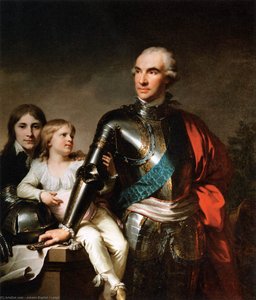
- Conde Stanisław Felix Potocki y sus Dos Hijos
- Place Of Birth: Romeno, Tirol
Artículos relacionados

Drama Barroca: Llevando la Grandeza y la Emoción a los Interiores Contemporáneos
Descubre cómo el drama y la grandeza del arte barroco pueden transformar tus interiores. Guía experta, inspiración y reproducciones de alta calidad en .

The Dramatic Flourish: Exploring the Baroque Movement's Enduring Legacy in Art History
Explore the dramatic world of Baroque art! Discover iconic artists like Caravaggio & Rubens, defining techniques, and its lasting impact on art history. Expert insights for collectors & enthusiasts at ArtsDot.

Barroco Sublime: 10 Obras Maestras que Definieron una Época |
Descubre las 10 obras maestras del Barroco que marcaron una época. Caravaggio, Bernini y Velázquez cobran vida en . Reproducciones de arte de calidad museo para decorar tu hogar con elegancia. ¡Explora la colección online!

Los 10 Maestros del Barroco Holandés: Obras que Definen una Época | ArtsDot
Descubre los 10 imprescindibles del Barroco holandés: Rembrandt, Vermeer y más. Explora la historia, técnica y belleza de estas obras maestras. Reproducciones de arte en ArtsDot.com para decorar tu hogar con elegancia.

The Visceral Stage: Exploring Dramatic Narratives & Emotional Intensity in Baroque Art
Explore the dramatic world of Baroque art! Discover iconic masters like Caravaggio & Rembrandt, their techniques, and the movement's lasting impact. Expert insights for collectors & enthusiasts at ArtsDot.

