

 Ver en contexto
 Enviar
 Compartir
 Detalles

 Descargar
 Similares
 Radiografía
 Presentación de diapositivas
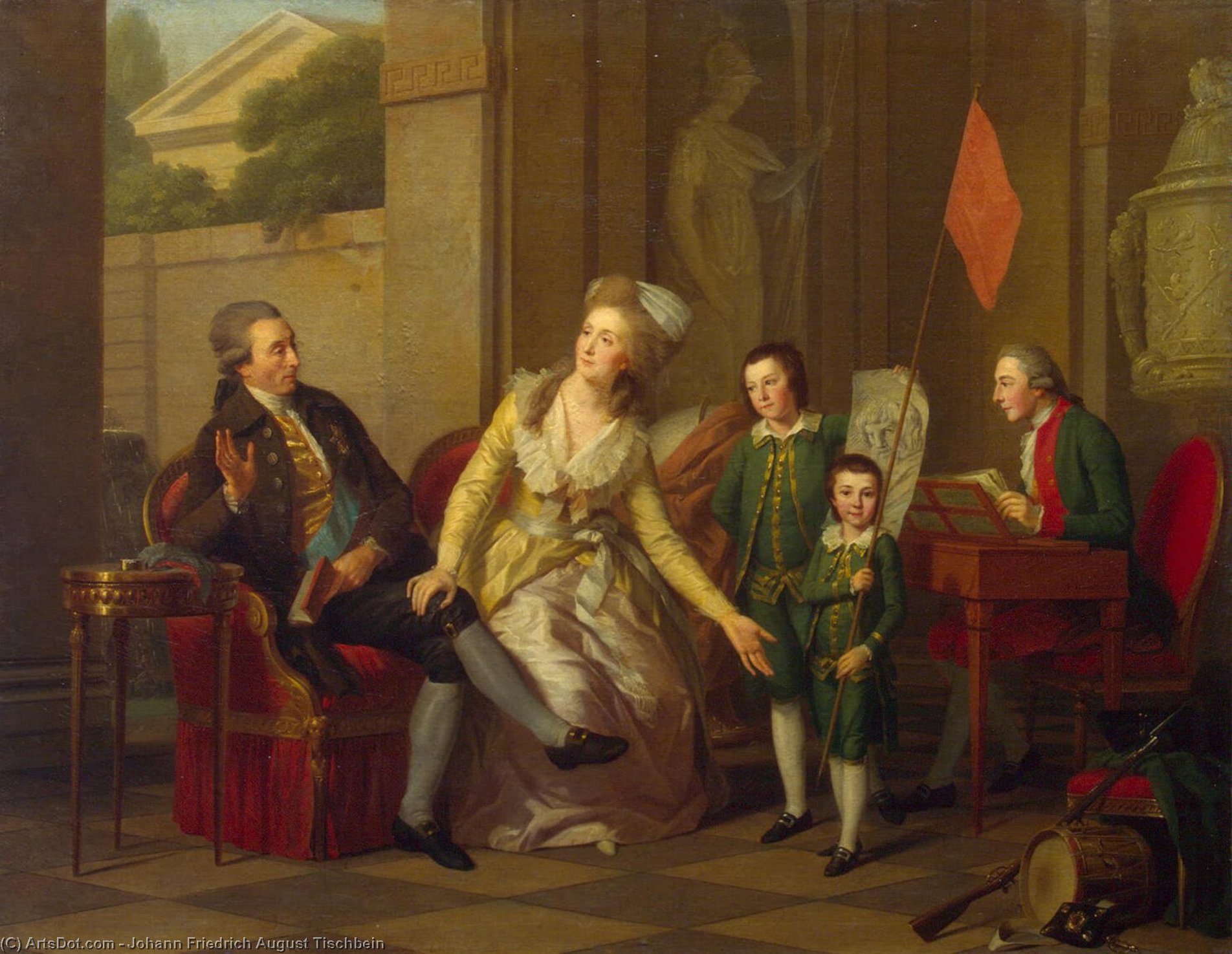
Portrait of the Saltykov Family
 Acrylic On Canvas
- WallArt
- Neoclassical Portraiture
 1782
1782 115.0 x 147.0 cm
 Museo del Hermitage
 Ver más
Giclée / Impresión de arte
Impresiones giclée o en lienzo de calidad de museo con producción rápida y opciones de acabado flexibles. ( Comprar pintura hecha a mano Comprar imagen)




P118B $10

P118H $10

P118W $10

P438Z $10

P508JH $12

P508YH $12

P805H $10

P805Z $10

P919BZ $10

P919G $10

P919XJ $10

P959ZH $10

P968JZ $12

W106C $8

W218G $10

W218JH $8

W218Y $10

W307PJ $10

W316G $10

W316PJ $8

W316Y $10

W398PJ $8

W4111J $10

W500HY $15

W500JH $15

W692G $12

W849H $8

W940BG $15

W953PJ $8




Elija entre nuestros tamaños predefinidos que respetan las proporciones originales de la obra.

Puede introducir sus propias dimensiones para adaptarse a un marco o espacio específico. Si el tamaño seleccionado no coincide con las proporciones de la imagen original, recortaremos la obra de arte o extenderemos la imagen con un borde con efecto espejo o de color sólido. Se enviará una maqueta digital para su aprobación antes de que comience la producción.
Tenga en cuenta que la vista previa en pantalla no refleja el recorte o la extensión real. Solo la maqueta mostrará con precisión la composición final.
Aunque existen tamaños personalizados, recomendamos seleccionar una dimensión de la lista predefinida para preservar las proporciones originales.
Envío a todo el mundo () en 2 semanas en lugar de las 4/5 semanas estándar. (6 septiembre)

Envío exprés gratuito a todo el mundo

Lienzo de lino de alta calidad

Seguro de envío total

Garantía de reembolso de impuestos aduaneros

Garantía de fidelidad cromática exacta

Política de devolución de 100 días (solo por defectos)

Garantía de devolución del 100% del dinero

Descuento por cantidad
 La opción de vidrio solo está disponible en tamaños inferiores a 110 cm.

Portrait of the Saltykov Family
Giclée / Impresión de arte
Dimensiones de la reproducción
-


Precio total final
$ 62
A Glimpse into a Family Portraiture Tradition
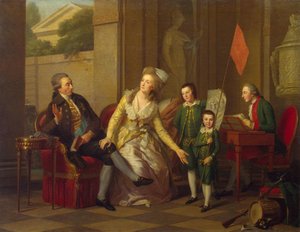
Johann Friedrich August Tischbein’s “Portrait of the Saltykov Family” is more than just a depiction of six individuals seated within a richly appointed room; it's a meticulously crafted window into the social and artistic conventions of 18th-century Russia. Painted in 1782, during a period of burgeoning artistic patronage under Catherine the Great, the work exemplifies the Neoclassical style’s emphasis on clarity, order, and idealized representation – yet infused with a subtle realism that speaks to the complexities of family life.
The painting immediately draws the eye to the central figures: a woman, likely the matriarch of the family, and her young child. Their placement within the composition is deliberate, suggesting a familial hierarchy and highlighting their importance. The other members – a gentleman, a younger boy, and two women – are arranged around them in a manner that subtly conveys relationships and social standing. The inclusion of multiple chairs, each occupied by a different family member, creates a dynamic tableau, hinting at conversation and shared experience—a rare intimacy captured within the formal setting.
Technique and Detail: A Master’s Hand
Tischbein's skill as a portraitist is immediately apparent in the remarkably detailed rendering of fabrics, textures, and facial features. The use of light and shadow – *chiaroscuro* – creates a sense of depth and volume, bringing the figures to life with an almost palpable realism. Note the intricate folds of the woman’s gown, the delicate embroidery on her sleeve, and the subtle variations in skin tone that convey individual character. The artist's attention to detail extends beyond the human subjects; observe the carefully rendered details of the dining table, the vase holding flowers, and even the umbrella resting near the top right corner – each element contributing to a cohesive and believable scene.
The painting’s palette is restrained yet elegant, dominated by warm earth tones—ochres, browns, and creams—that evoke a sense of comfort and stability. The use of subtle highlights adds vibrancy and draws the eye to key focal points within the composition. Tischbein's brushwork is precise and controlled, reflecting his mastery of technique and his commitment to capturing the essence of his subjects.
Symbolism and Social Context
Beyond its technical merits, “Portrait of the Saltykov Family” offers a fascinating glimpse into the social customs and values of 18th-century Russia. The family’s wealth is evident in their luxurious surroundings—the ornate furniture, the fine fabrics, and the abundance of decorative objects. The presence of the umbrella suggests an awareness of inclement weather and perhaps a subtle commentary on the unpredictable nature of life. The painting also reflects the importance of lineage and social status within Russian society – the careful arrangement of figures underscores the family’s position within the social hierarchy.
Furthermore, the inclusion of multiple generations—the matriarch, her child, and younger relatives—highlights the significance of familial continuity and the transmission of values across time. The painting serves as a visual testament to the enduring power of family bonds in Russian culture.
A Legacy of Artistic Excellence
Johann Friedrich August Tischbein was a prominent figure in the German art scene, known for his portraits of nobility and members of the royal court. “Portrait of the Saltykov Family” stands as one of his most celebrated works, showcasing his exceptional talent and artistic vision. Reproductions of this captivating painting offer an opportunity to appreciate its beauty and historical significance—a chance to connect with a bygone era and gain insight into the lives and values of a wealthy Russian family. It’s a piece that continues to resonate today, inviting viewers to contemplate the enduring themes of family, status, and artistic representation.
Obras relacionadas

Biografía del artista
El Legado del Leipziger Tischbein
Johann Friedrich August Tischbein, un nombre pronunciado con reverencia en los pasillos de la historia del arte alemán, permanece como un símbolo perdurable del refinamiento de finales del siglo XVIII. Conocido afectuosamente como el Leipziger Tischbein, su vida fue un tapiz tejido con los hilos de un distinguido linaje artístico. Nacido en Maastricht, Países Bajos, en 1750, era hijo del célebre escenógrafo Johann Valentin Tischbein. Esta inmersión temprana en las artes teatrales y visuales le proporcionó una base única, fusionando la gran escala de la escenografía con la precisión íntima requerida para el retrato. Sus años formativos fueron moldeados bajo la mirada atenta de su tío, Johann Heinrich Tischiente, en Kassel, donde dominó la elegancia persistente de los principios barrocos antes de que los vientos del Neoclasicismo comenzaran a remodelar el paisaje europeo.
La trayectoria del genio de Tischbein se vio alterada irrevocablemente por su espíritu errante y su búsqueda de la excelencia más allá de las fronteras alemanas. En 1768, un viaje transformador lo llevó a París, el corazón palpitante de la innovación artística. Dentro de los vibrantes estudios de Johann Georg Wille, Tischbein experimentó una profunda evolución estilística. Se alejó de la pesada ornamentación de su juventud para abrazar, en su lugar, la claridad, la estructura y el detalle meticuloso que definían al emergente movimiento neoclásico. Esta estancia parisina hizo más que refinar su pincelada; expandió sus horizontes intelectuales, permitiéndole absorber la esencia misma de la sofisticación francesa, la cual traduciría más tarde en sus encargos alemanes.
Un Viaje por el Corazón de Europa
La maduración artística de Tischbein continuó a través de una ambiciosa expedición por Italia en 1777, un viaje que sirvió tanto de peregrinación como de hito profesional. Fue durante este período de intensa inmersión cultural cuando encontró el talento floreciente de Jacques-Louis David. Este encuentro de mentes entre dos maestros de la época fomentó una colaboración duradera, vinculando a Tischbein con la vanguardia de la revolución artística napoleónica. La influencia del paisaje italiano y los ideales clásicos encontrados en Roma infundieron su obra con una atemporalidad, mezclando el rigor estructural aprendido en París con un nuevo sentido de gracia y profundidad histórica.
A su regreso a Alemania, la reputación de Tischbein le precedió, conduciéndolo a un prestigioso nombramiento como pintor de la corte de Friedrich Karl August, Príncipe de Waldeck y Pyrmont. Su función no era meramente la de un decorador de rostros, sino la de un custodio del estatus y la identidad. Al establecerse en los círculos artísticos de Weimar, su obra se convirtió en un puente entre el viejo mundo de esplendor aristocrático y la nueva era del retrato ilustrado. Su capacidad para capturar tanto el parecido físico como el matiz psicológico de sus sujetos lo convirtió en una figura muy solicitada entre la élite europea.
Maestría Artística e Influencia Educativa
Más allá del lienzo, la contribución de Tischbein al mundo del arte estuvo profundamente arraigada en su compromiso con la pedagogía y el crecimiento institucional. Su influencia se extendió mucho más allá de su propio estudio a través de sus roles de liderazgo en Leipzig. Como director y supervisor del programa de artes visuales de la academia, desempeñó un papel crucial en la formación de la siguiente generación de pintores alemanes. Su dedicación a la formalización de la educación artística aseguró que la precisión técnica y los valores estéticos que defendió perduraran mucho después de su fallecimiento en 1812.
La importancia de Johann Friedrich August Tischbein reside en su posición única como figura de transición. Su obra representa una síntesis magistral de varias eras:
- La Base Barroca: Un aprecio persistente por el drama y la profundidad heredado del legado teatral de su padre.
- Precisión Neoclásica: Las líneas disciplinadas y limpias y la precisión anatómica adquiridas en los estudios de París.
- El Espíritu de la Ilustración: Un enfoque en la claridad, la verdad y la representación digna del individuo.
Hoy en día, sus obras se erigen como un testimonio de una era de profundo cambio cultural, recordándonos un tiempo en que el retrato no consistía simplemente en capturar un parecido, sino en documentar el alma misma de una época en transición.
Johann Friedrich August Tischbein
1750 - 1812 , Países Bajos
Datos clave
- Artistic Movement Or Style: Classical Rococo
- Artists Or Movements Influenced By This Artist: ['Jacques Louis David']
- Artists Who Influenced This Artist:
- Johann Valentin Tischbein
- Johannes Georg Wille
- Date Of Birth: March 9, 1750
- Date Of Death: June 21, 1812
- Full Name: Johann Friedrich August Tischbein
- Nationality: German
- Notable Artworks:
- Portrait of Salomon Rendorp
- Portrait of Willem Arnold Alting
- Place Of Birth: Maastricht, Netherlands
Artículos relacionados
Ivan Bilibin: A Synthesis of Folklore, Modernism & National Identity in Russian Illustration
Explore the enchanting world of Ivan Bilibin, a master Russian illustrator who synthesized folklore, Art Nouveau & national identity. Discover his iconic fairy tale illustrations and legacy with ArtsDot.

Drama Barroca: Llevando la Grandeza y la Emoción a los Interiores Contemporáneos
Descubre cómo el drama y la grandeza del arte barroco pueden transformar tus interiores. Guía experta, inspiración y reproducciones de alta calidad en .

The Dramatic Flourish: Exploring the Baroque Movement's Enduring Legacy in Art History
Explore the dramatic world of Baroque art! Discover iconic artists like Caravaggio & Rubens, defining techniques, and its lasting impact on art history. Expert insights for collectors & enthusiasts at ArtsDot.

Barroco Sublime: 10 Obras Maestras que Definieron una Época |
Descubre las 10 obras maestras del Barroco que marcaron una época. Caravaggio, Bernini y Velázquez cobran vida en . Reproducciones de arte de calidad museo para decorar tu hogar con elegancia. ¡Explora la colección online!
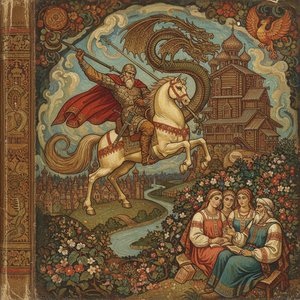
Victor Vasnetsov: Myth, Nationalism & the Revival of Russian Fairy Tale Painting
Explore the captivating world of Victor Vasnetsov, a co-founder of Russian folklorist painting. Discover his iconic works, influence on national identity, and lasting legacy in this expert guide.