

 Ver en contexto
 Enviar
 Compartir
 Detalles

 Descargar
 Similares
 Radiografía
 Presentación de diapositivas
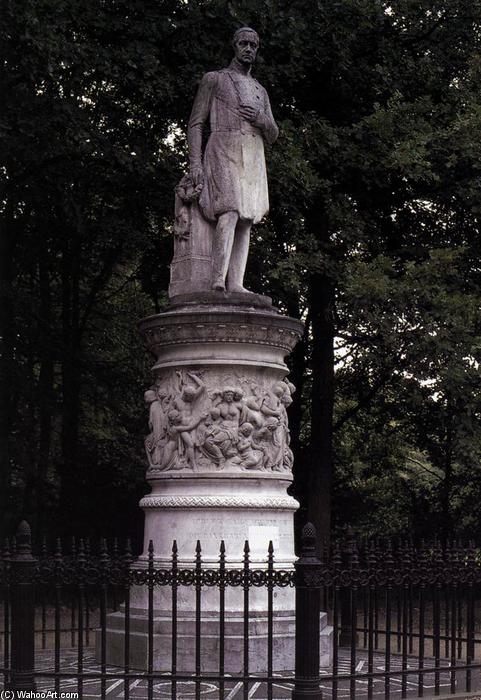
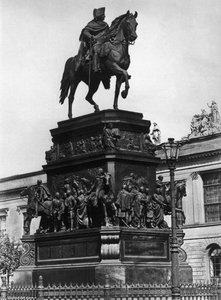
Monument to King Frederick William III of Prussia


 Ver más
Giclée / Impresión de arte
Impresiones giclée o en lienzo de calidad de museo con producción rápida y opciones de acabado flexibles. ( Comprar pintura hecha a mano Comprar imagen)




































Elija entre nuestros tamaños predefinidos que respetan las proporciones originales de la obra.

Puede introducir sus propias dimensiones para adaptarse a un marco o espacio específico. Si el tamaño seleccionado no coincide con las proporciones de la imagen original, recortaremos la obra de arte o extenderemos la imagen con un borde con efecto espejo o de color sólido. Se enviará una maqueta digital para su aprobación antes de que comience la producción.
Tenga en cuenta que la vista previa en pantalla no refleja el recorte o la extensión real. Solo la maqueta mostrará con precisión la composición final.
Aunque existen tamaños personalizados, recomendamos seleccionar una dimensión de la lista predefinida para preservar las proporciones originales.
Envío a todo el mundo () en 2 semanas en lugar de las 4/5 semanas estándar. (3 septiembre)

Envío exprés gratuito a todo el mundo

Lienzo de lino de alta calidad

Seguro de envío total

Garantía de reembolso de impuestos aduaneros

Garantía de fidelidad cromática exacta

Política de devolución de 60 días (solo por defectos)

Garantía de devolución del 100% del dinero

Descuento por cantidad
 La opción de vidrio solo está disponible en tamaños inferiores a 110 cm.

Monument to King Frederick William III of Prussia
Giclée / Impresión de arte
Dimensiones de la reproducción
-


Precio total final
$ 62
Obras relacionadas
Biografía del artista
Johann Friedrich Drake: Sculptor of Prussian Grandeur
Friedrich Drake (23 June 1805 – 6 April 1882) stands as a towering figure in German sculpture, primarily recognized for his monumental memorials and portraits that powerfully embody the spirit of Prussia during the Romantic era. Born in Hamburg, he emerged from humble beginnings—the son of a mechanic—to become one of the most celebrated sculptors of his time, leaving an indelible mark on both artistic history and national identity.Early Life and Artistic Training
Drake’s formative years were marked by practical skills honed through an apprenticeship as a turner in Minden. However, it was his innate creativity that truly ignited his passion for art. Observing the sculptures of Christian Daniel Rauch captivated him, securing him a position within Rauch's Berlin studio where he absorbed invaluable artistic knowledge and technique. Crucially, Rauch’s encouragement fostered Drake’s talent—evident in his early clay models—leading to a pivotal study trip to Italy in 1836, financed by the generous patronage of Rauch himself. This journey profoundly influenced his aesthetic sensibilities, exposing him to the ideals of Classical sculpture and shaping his artistic vision. He meticulously studied the works of Michelangelo and Bernini, absorbing their mastery of form and composition—skills that would inform his subsequent artistic endeavors.The Influence of Bertel Thorvaldsen and Weimar Classicism
Drake’s encounter with Bertel Thorvaldsen proved transformative. Recognizing Drake's potential, Thorvaldsen championed his work before the Prussian Academy of Arts, securing him a prestigious commission and propelling him towards artistic prominence. Embracing Weimar Classicism—a movement characterized by idealized forms and restrained emotion—Drake skillfully blended classical principles with Romantic fervor, producing works that resonated deeply with the cultural sensibilities of his time. His meticulous attention to detail and masterful manipulation of stone and metal reflected a dedication to achieving unparalleled realism while upholding aesthetic ideals. Thorvaldsen’s unwavering belief in Drake's talent served as an anchor amidst the turbulent currents of artistic experimentation, guiding him toward a style that prioritized elegance and harmony.Major Commissions and Artistic Achievements
Drake’s prolific output spanned decades, culminating in numerous commissions honoring prominent figures—including Justus Möser, Alexander von Humboldt, Philipp Melanchthon, Otto von Bismarck, Helmuth von Moltke the Elder—and commemorating significant historical events. His colossal statue of Möser in Osnabrück remains a testament to his ambition and technical prowess, embodying the grandeur of Prussian civic pride. Furthermore, Drake’s contribution to the Philadelphia Centennial Exposition showcased his artistic versatility and cemented his reputation as one of Prussia's foremost sculptors. Notable achievements include the monumental Victory Column sculpture in Berlin—a symbol of Prussian triumph—and the equestrian statue of King William I at Cologne, demonstrating Drake’s ability to capture movement and emotion with remarkable precision. He developed a revolutionary technique known as the “model frame,” allowing nude sculptures to maintain poses with unprecedented accuracy – an innovation that distinguished him from his contemporaries and secured his place in sculptural history.Legacy and Artistic Significance
Drake's enduring legacy resides not only in his impressive oeuvre but also in his role as a mentor and educator, shaping the artistic landscape of Prussia during the Victorian era. His sculptures continue to inspire admiration for their beauty, craftsmanship, and profound reflection of the values and aspirations of his time—a testament to his enduring contribution to German art history. He instilled a disciplined approach to sculpting, emphasizing anatomical correctness and emotional expression – principles that would influence generations of artists following him. Drake’s monumental works stand as symbols of Prussian identity and artistic excellence, ensuring his name will forever be remembered alongside the titans of Romantic sculpture.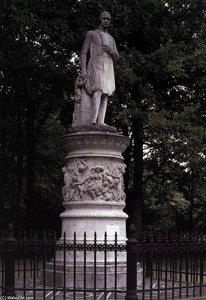
Johann Friedrich Drake
1805 - 1882 , Alemania
Datos clave
- Artistic Movement Or Style: Escultura Clásica
- Artists Or Movements Influenced By This Artist: ['Neoclasicismo']
- Artists Who Influenced This Artist: ['Bertel Thorvaldsen']
- Date Of Birth: Hamburg, Alemania (1805)
- Full Name: Johann Friedrich Drake
- Nationality: Alemania
- Notable Artworks:
- Monumento al Rey Federico Guillermo III de Prusia
- Columna Victoria Berlín
- Ocho Provincias Prusia
- Iglesia St. Johann
- Place Of Birth: Hamburg, Alemania
Artículos relacionados

Esculturas de Bronce Legendarias: 10 Obras Maestras que Transformaron el Arte | ArtsDot
Descubre las 10 esculturas de bronce más legendarias que revolucionaron el arte. Explora la historia de Rodin, Degas y otros maestros del bronce. Encuentra reproducciones de alta calidad e inspiración para tu hogar en ArtsDot.com.

The Enduring Form: Exploring Themes & Techniques in Sculpture Across Historical Periods
Explore the rich history of sculpture from ancient masterpieces to contemporary innovations. Discover key techniques, influential artists & investment potential for discerning art collectors.
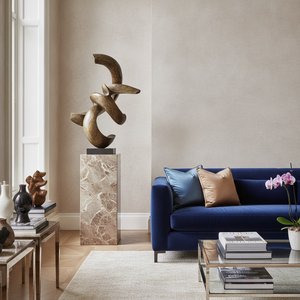
The Enduring Form: Sculpture Across History, Technique & Emotional Resonance
Explore the rich history of sculpture with ArtsDot. Discover key techniques, influential artists & investment potential for discerning collectors. Expert insights into valuing and collecting timeless masterpieces.

Las 10 Obras Maestras de Bronce que Revolucionaron la Historia del Arte | ArtsDot
Descubre las 10 esculturas de bronce más influyentes de la historia del arte. Explora obras maestras de Rodin, Degas y otros genios. Encuentra reproducciones de arte de calidad museo en ArtsDot.com.
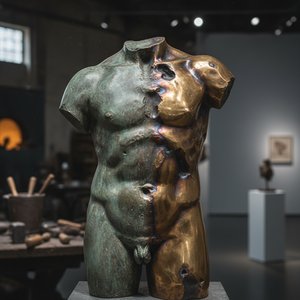
El Legado Duradero de la Escultura en Bronce: Historia, Técnicas e Interpretaciones Contemporáneas
Descubra la historia, las técnicas y el valor de la escultura en bronce. Guía experta para coleccionistas e inversores. Explore obras maestras y aprenda sobre fundición a la cera perdida.

